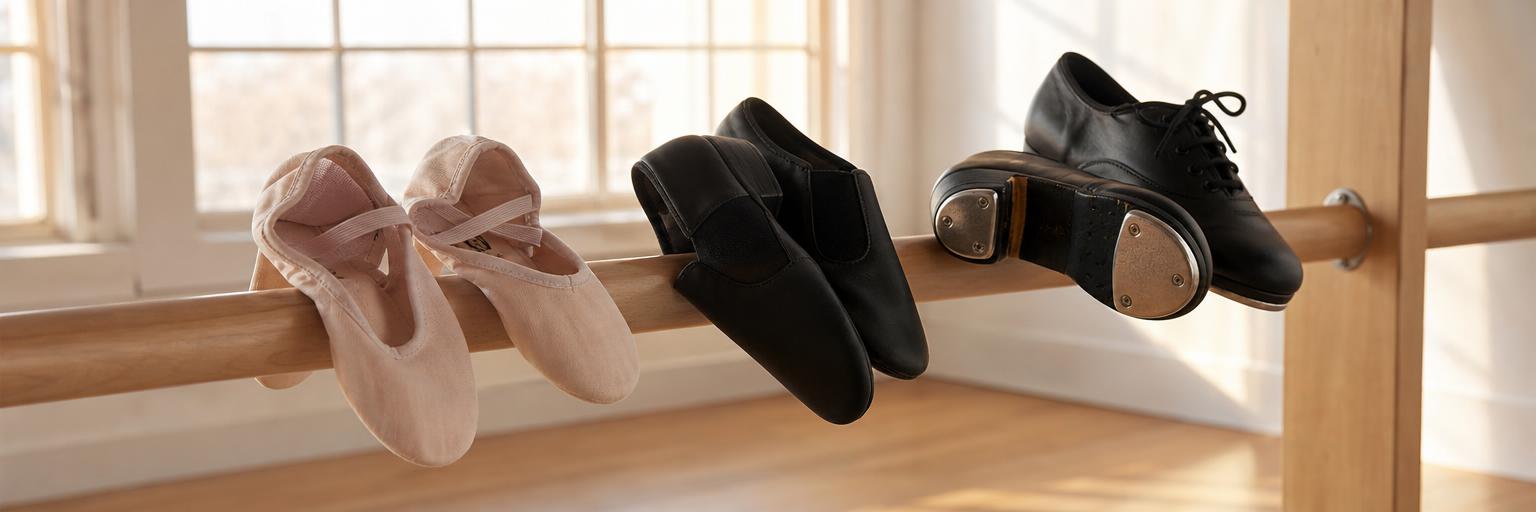
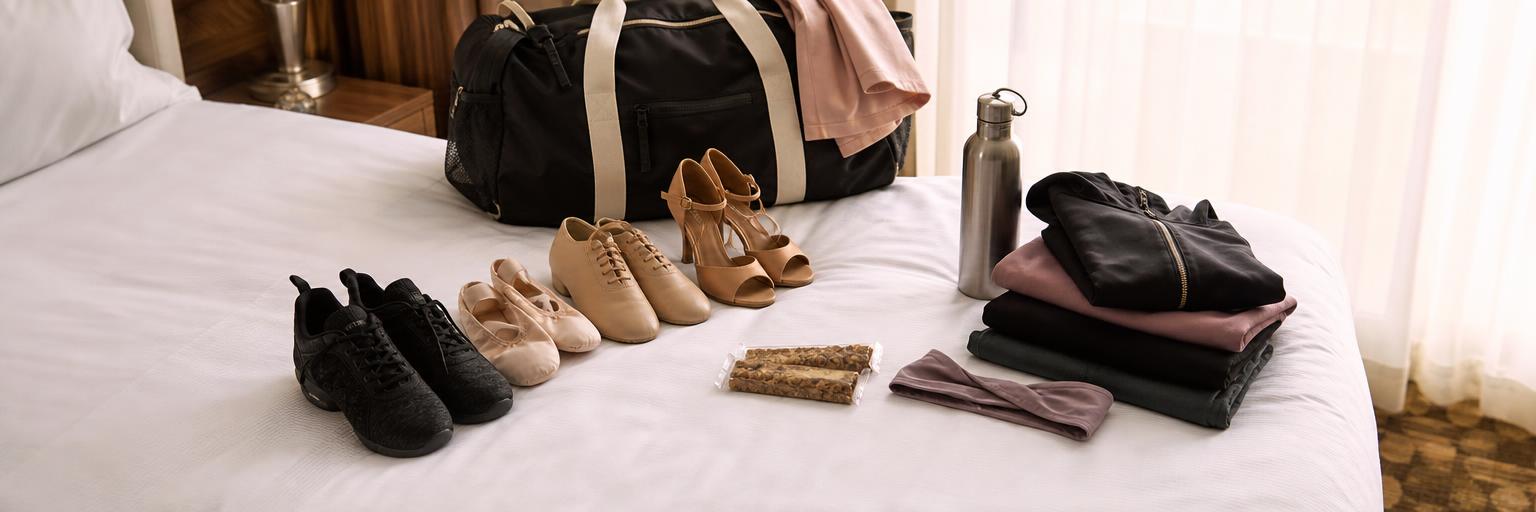
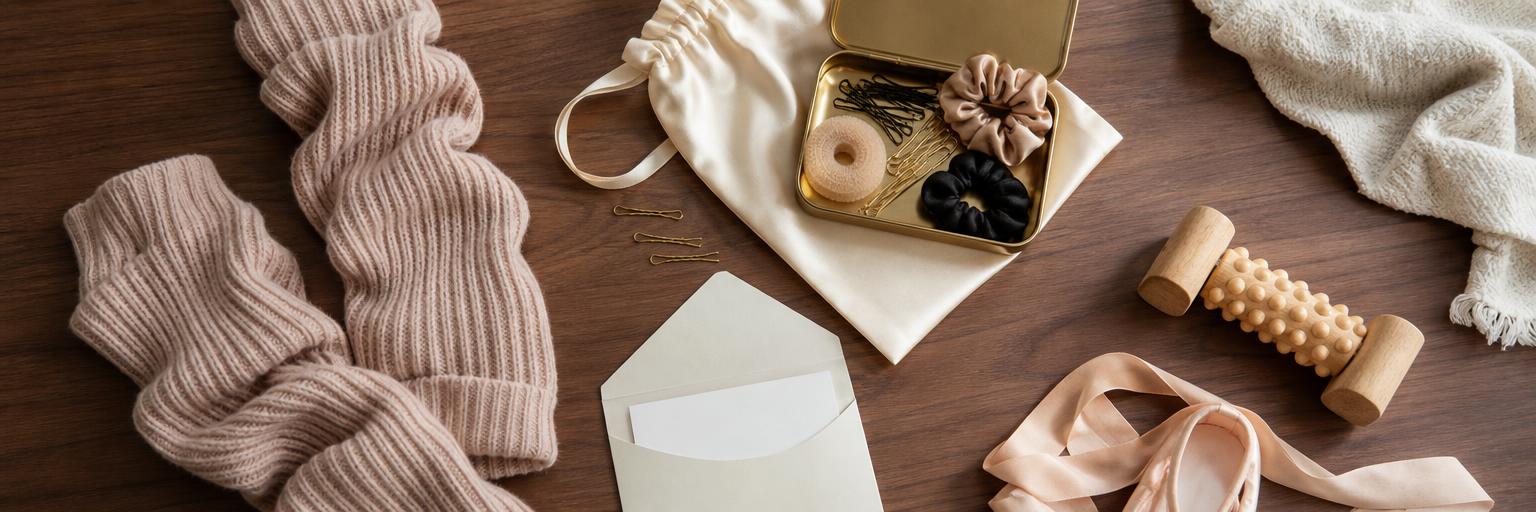
New to dance and not sure what to buy first. These reviews cover the decisions that first-year families most often get wrong.
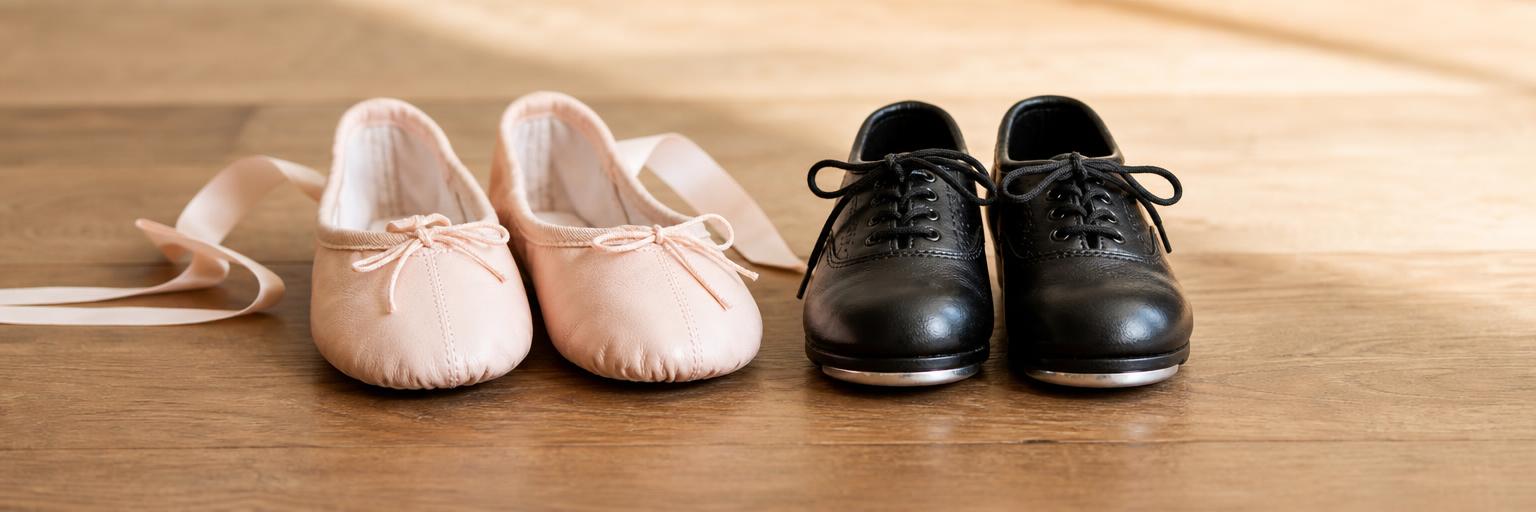
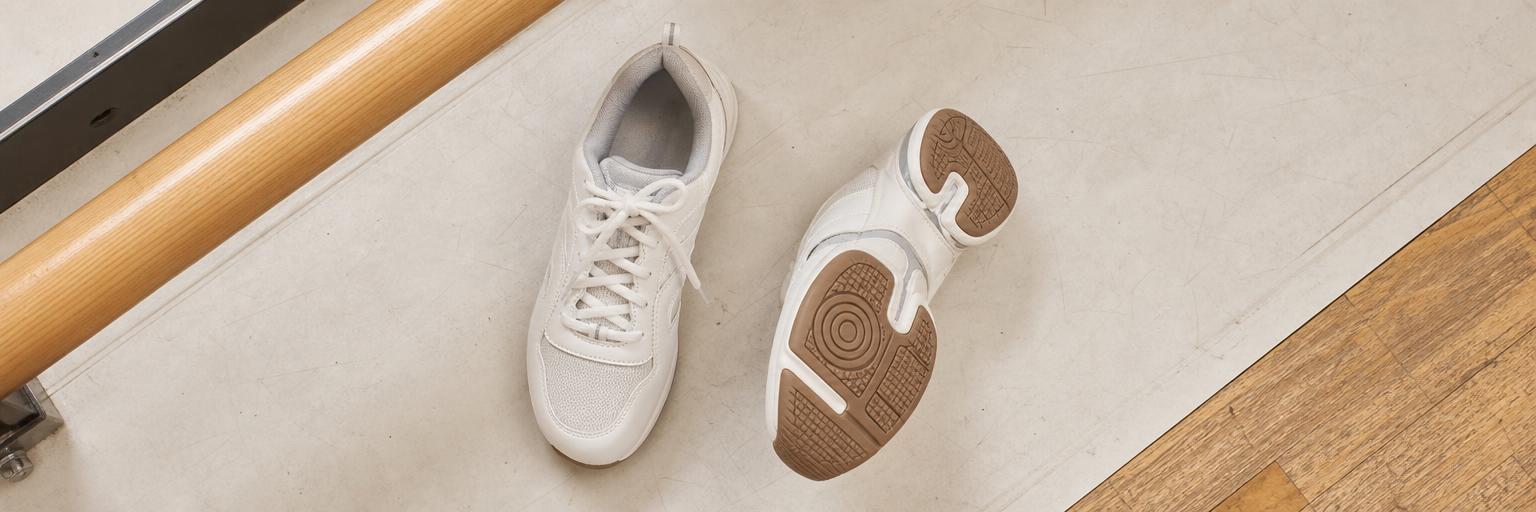
Most first-year preschool dancers are in a combo class: part ballet, part tap, sometimes creative movement. That means two pairs of shoes, not one. The good news is that preschool dance shoes are the simplest category on the site. Full sole, canvas upper, velcro or elastic closure (the child cannot tie shoes yet), and sized for now, not for growth. The one mistake that derails almost every preschool first purchase is sizing: dance shoes run 1 to 2 sizes smaller than street shoes, toddler feet grow fast enough that a shoe bought 'with room to grow' will slap and cause blisters before the foot ever fills it. This guide covers what to buy, how to size it, and why this is a $55 problem, not a $150 one.
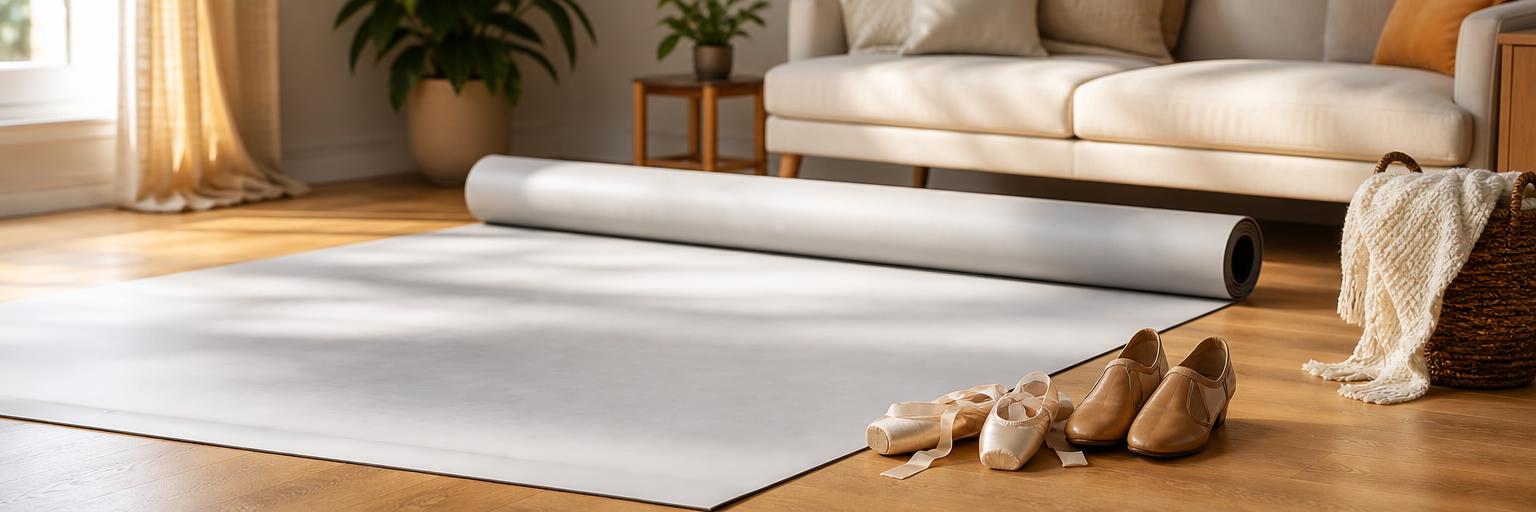
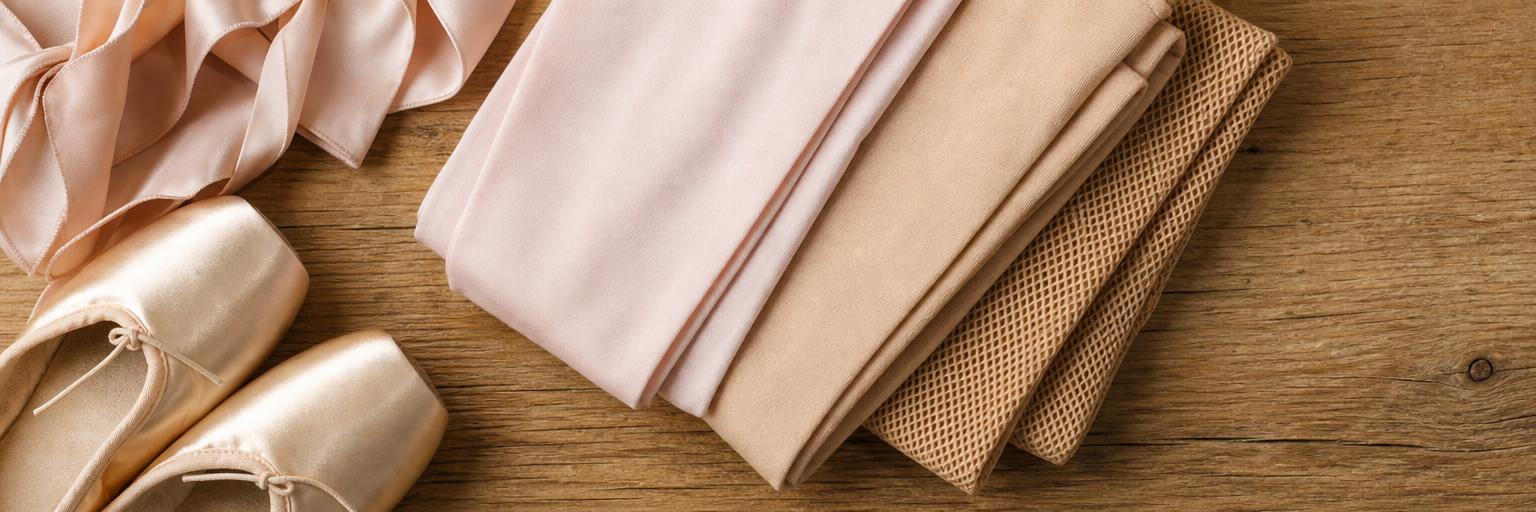
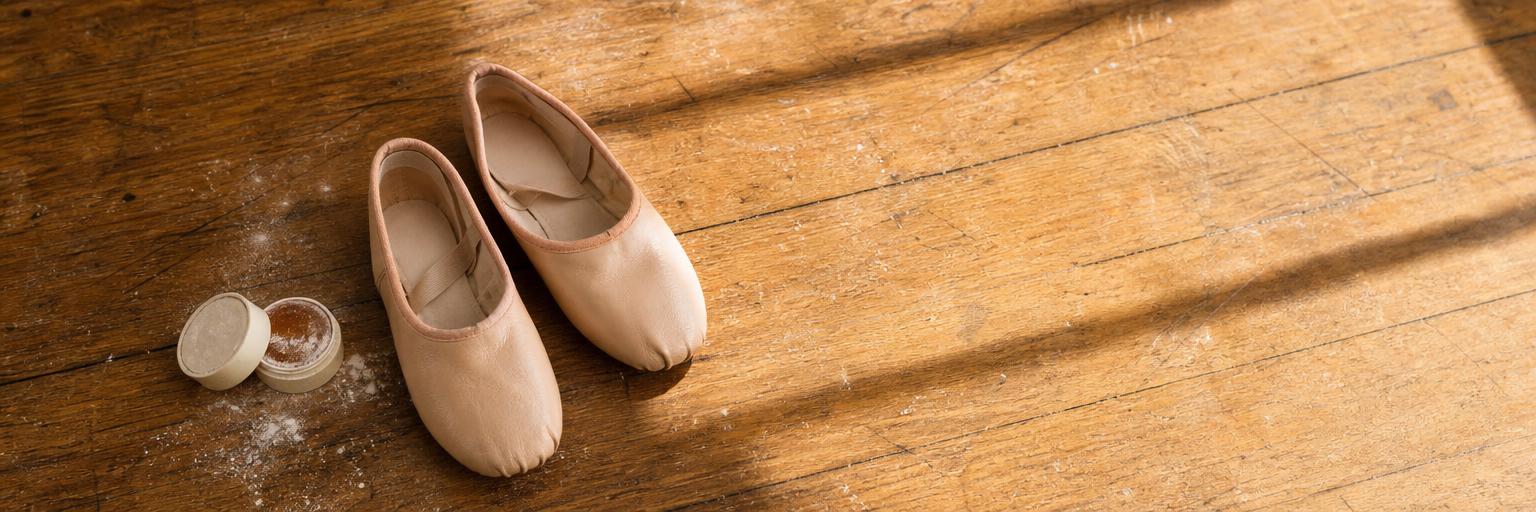
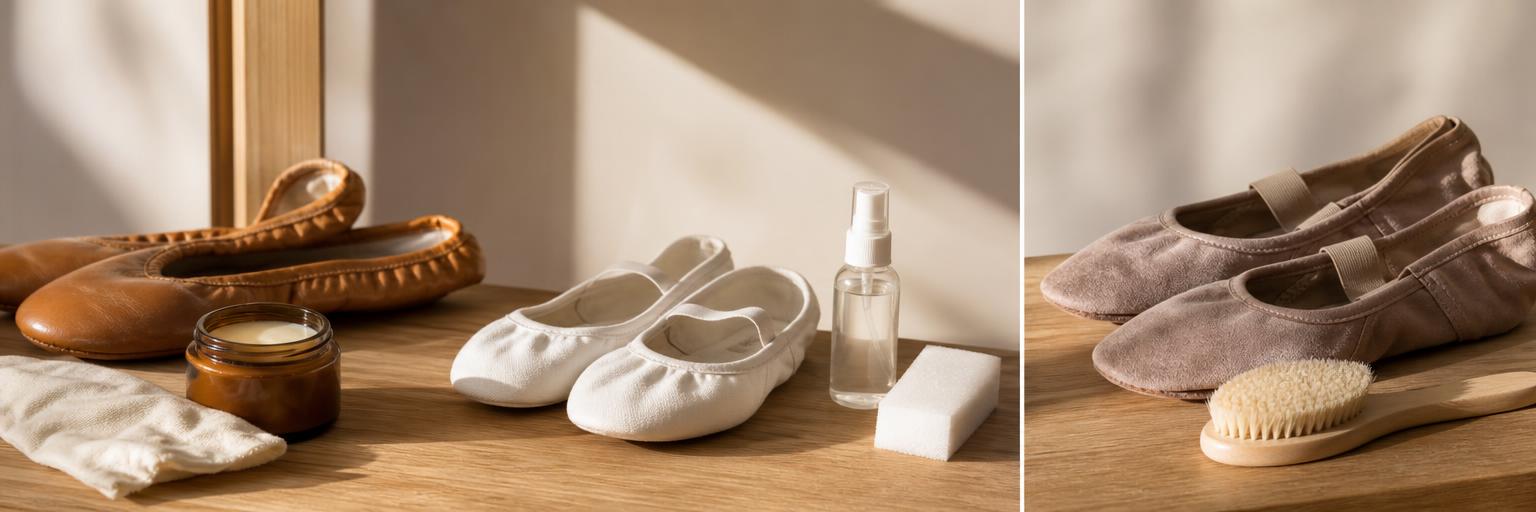
Read the review →There is one thing separating a good first ballet class from a frustrating one: showing up in shoes that fit. Not an expensive pair, just the right pair. Ballet slippers are easy to get wrong because they run 1 to 2 sizes smaller than street shoes, because full sole and split sole are not interchangeable for beginners, and because the drawstring in that canvas slipper needs to be dealt with before the first class. None of that is obvious if you've never bought dance shoes before. This guide gives you three picks, the sizing math, and the two questions to answer before you order: full sole or split sole, and canvas or leather.
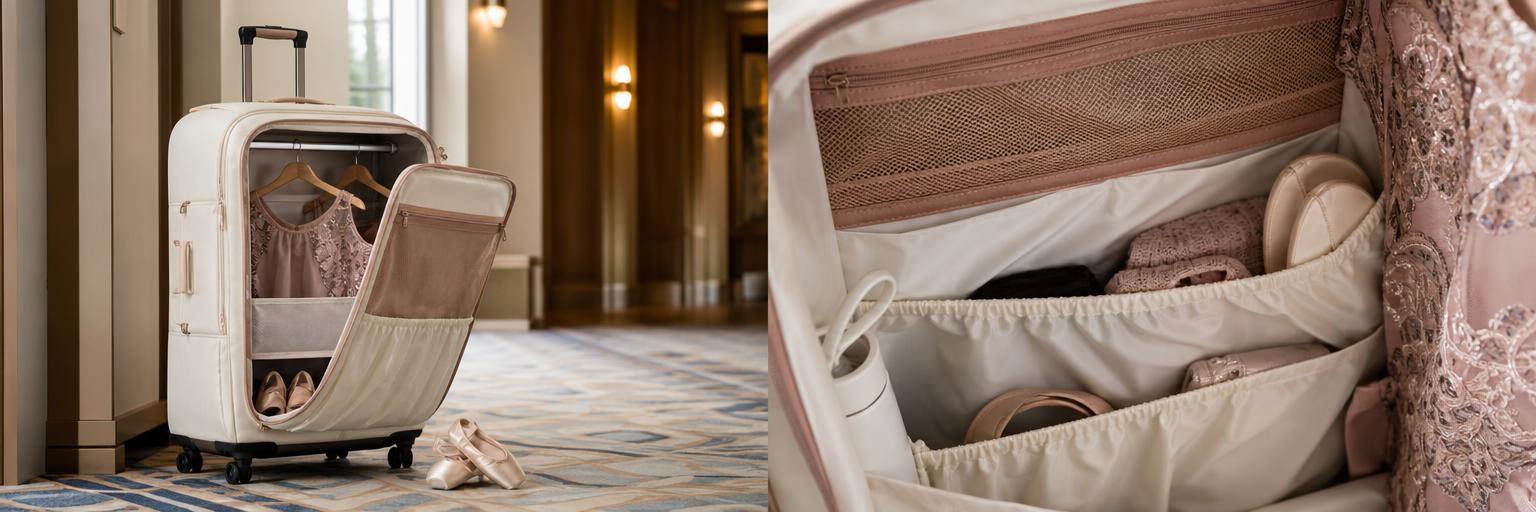
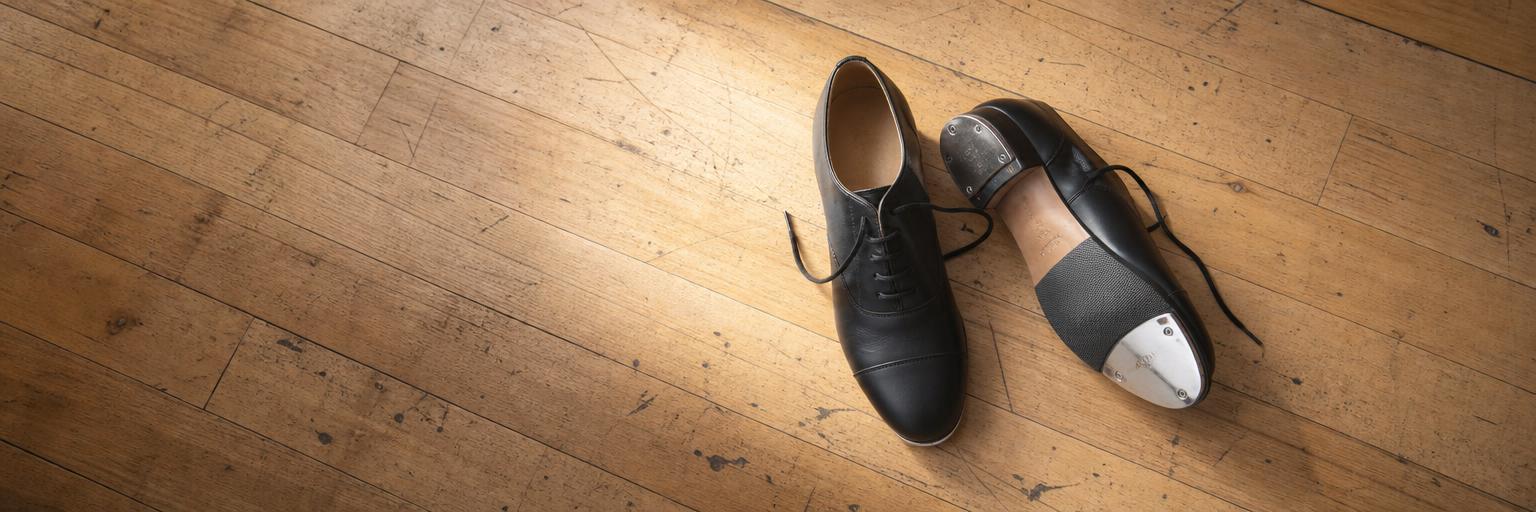
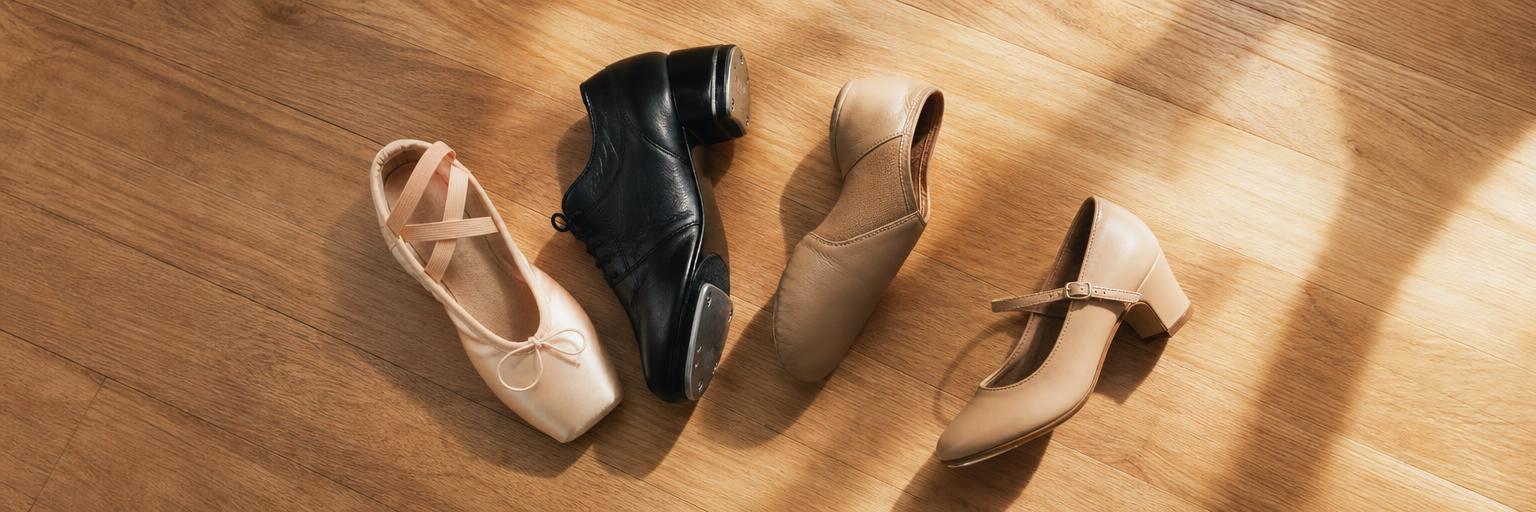
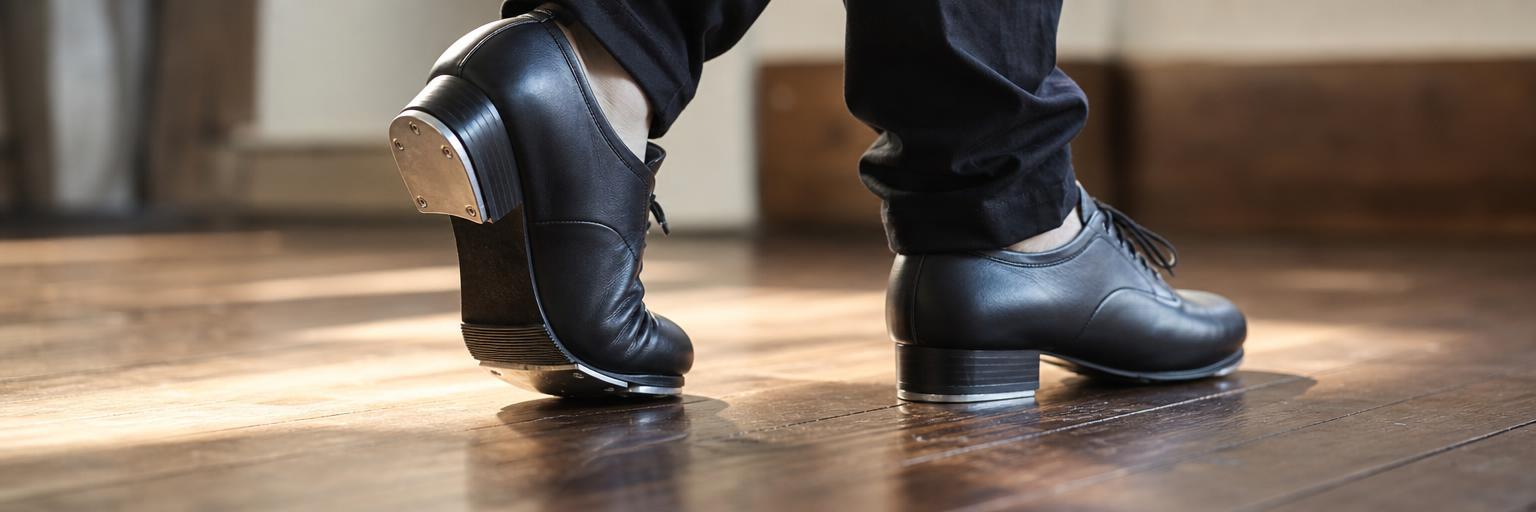
Read the review →The first tap shoe is a fit problem and a studio-rule problem before it's a price problem. The cheapest pair on the shelf is the most expensive option when the studio rejects it, the taps loosen in three weeks, or your kid can't wear it without pain. Ask the teacher what's allowed, buy from a seller that lets you return after a clean carpet try-on, and pack a small screwdriver in the dance bag. Tap screws DO loosen, that's normal, not a defect.
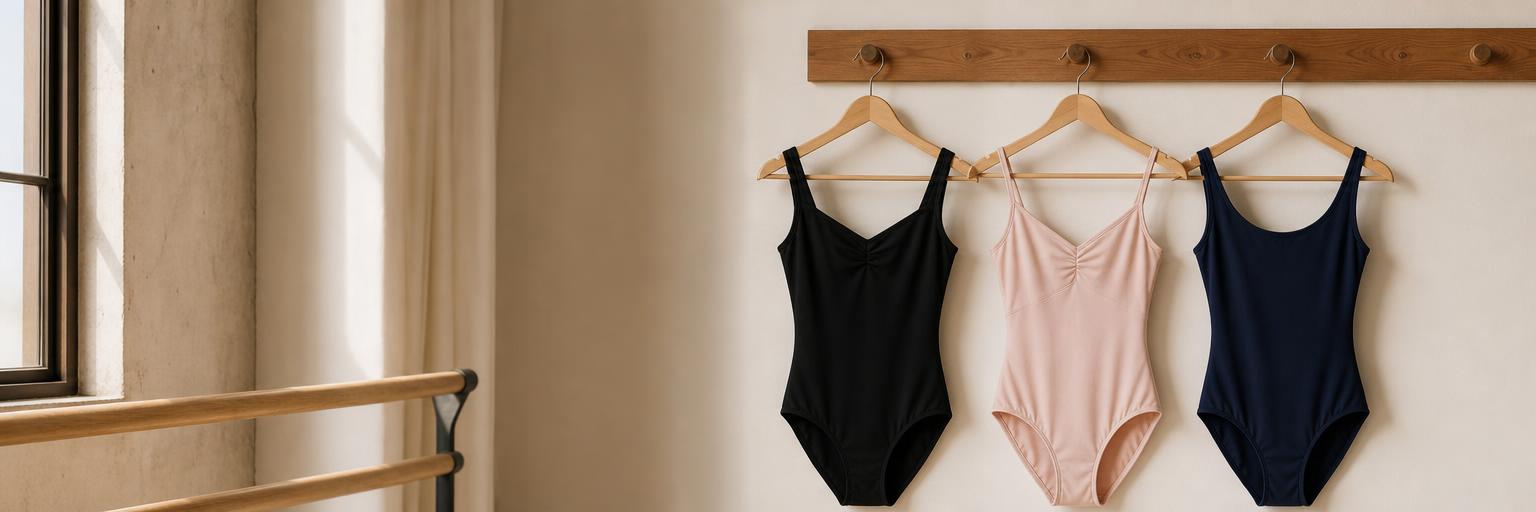
Read the review →Class leotards are a fit problem disguised as a shopping problem. Street size doesn't predict leotard fit, girth, torso length, coverage, and lining all change the answer. And then there's your studio's dress code, which probably specifies color, sleeve, neckline, and sometimes an exact SKU. Buy from a seller that lets you return on the first pair. Once you know your size in your studio's required style, the rest is just reordering.
Read the review →Tights are the dance purchase that goes wrong most often, and the one most parents underestimate. The shade name on the package isn't the shade in the recital photo. Opened packages are usually non-returnable. And on dress-rehearsal night, the only color the studio cares about is the one written down on the costume sheet. Buy the exact brand and color the studio requires. Buy a backup. And know which sellers will let you return an unopened package if you get the shade wrong.
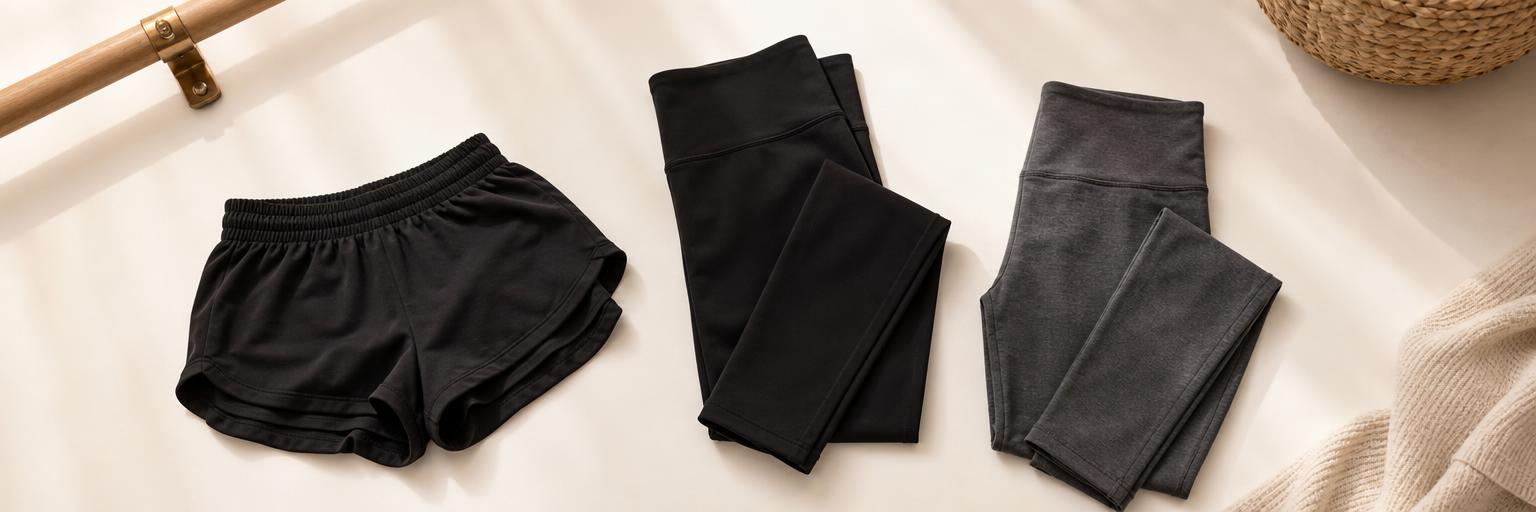
Read the review →Dance shorts, leggings, and jazz pants are the most overlooked part of the class-wear purchase. The leotard gets all the attention, and the tights show up on the costume sheet. But the bottoms worn over the leotard in class are often left to the parent to figure out, with no guidance about what length, style, fabric, or color the teacher actually expects. The result is kids showing up in yoga leggings that are see-through under the studio lights, or jazz pants so loose they trip on the hem during turns. This guide covers what to buy for which class, how to check whether leggings are actually opaque, and why boys and girls need the same basic information approached from different starting points.
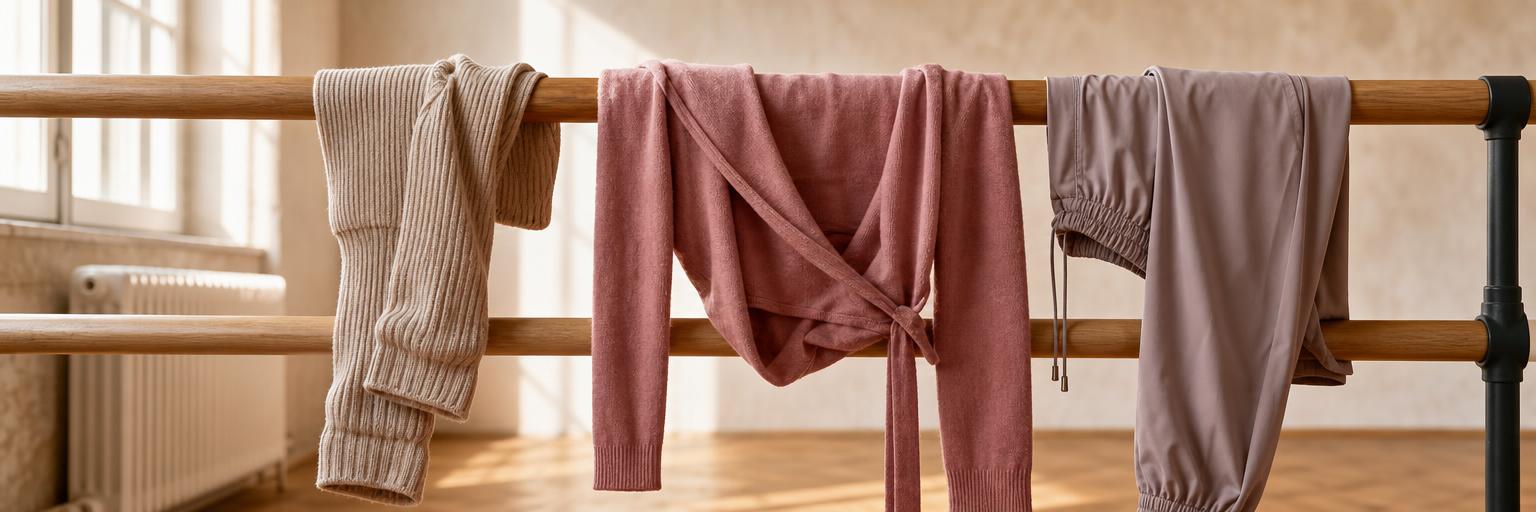
Read the review →Buy warmups for a specific moment, not as a wardrobe. The booties that save your dancer's feet between runs at competition are wrong for a class where the teacher wants to see alignment. The cozy wrap that's perfect at a 5:30am rehearsal makes her overheat in the studio. And then there are studios that don't allow warmups during instruction at all. Name the moment first. Then buy the layer that solves it.
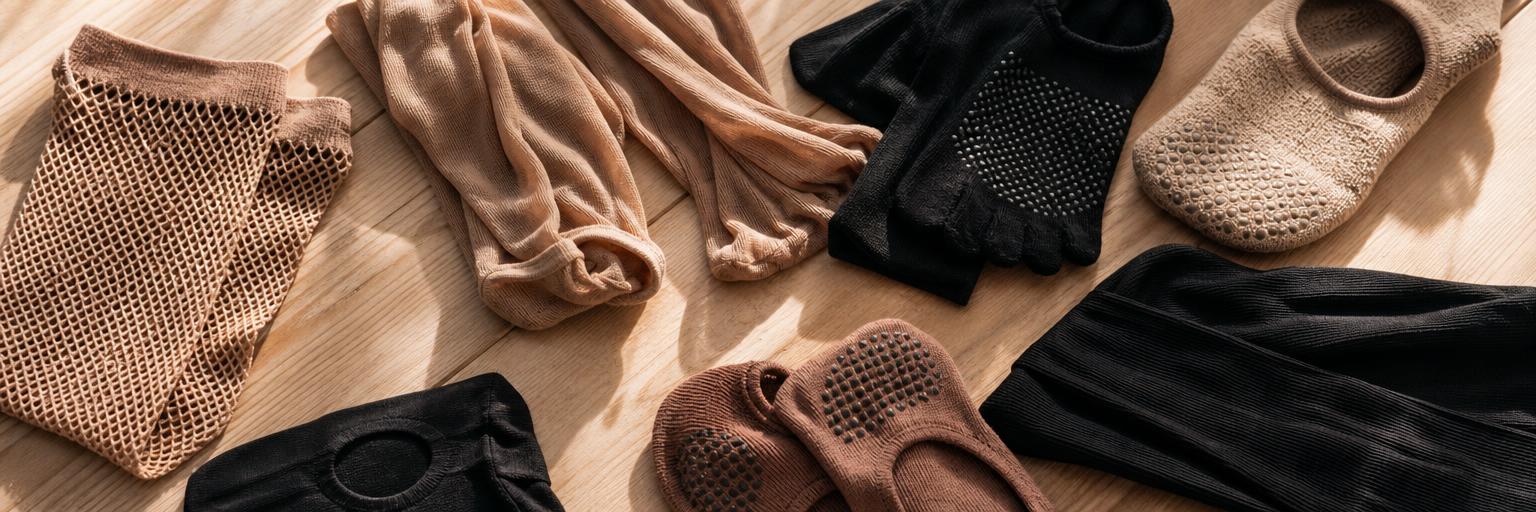
Read the review →The studio dress code usually specifies the answer. Most first-time buyers arrive at 'dance socks' wondering why a regular sock won't do, and for most situations, it will. What changes the answer is which situation you're in: buying for a studio dress code (color and height are specified), buying for dance sneakers (any thin no-show works), or buying for floor work and barre without shoes (grip matters). Read which situation you're in before buying anything. This is not a high-confusion category unless you skip that step.
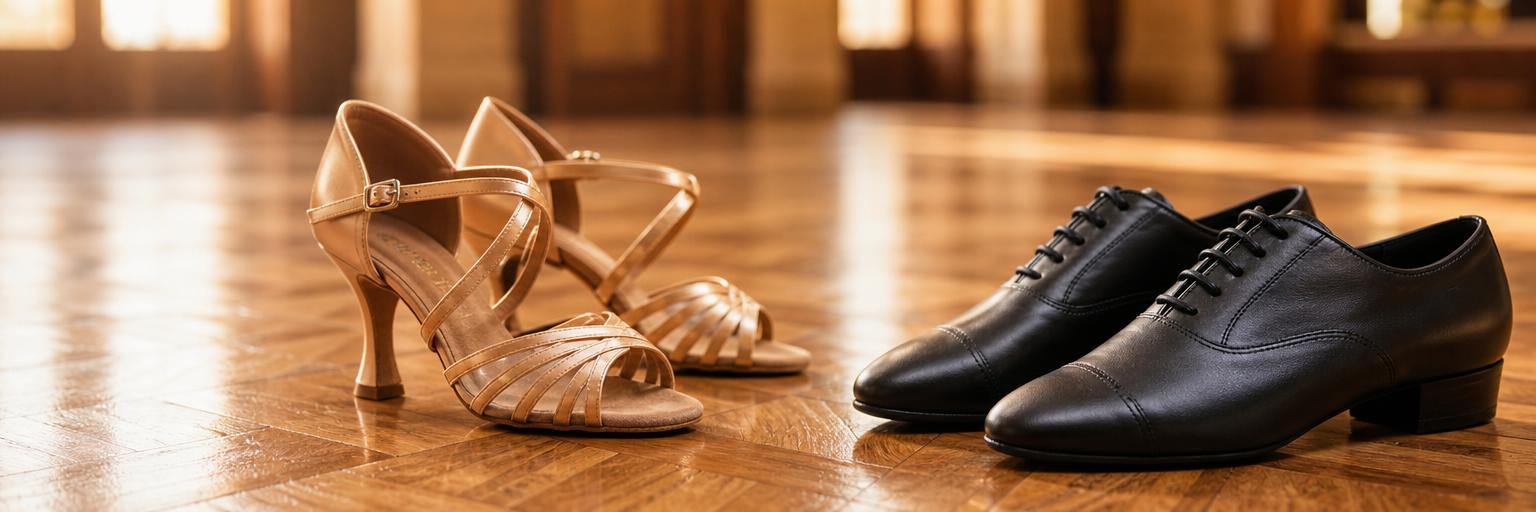
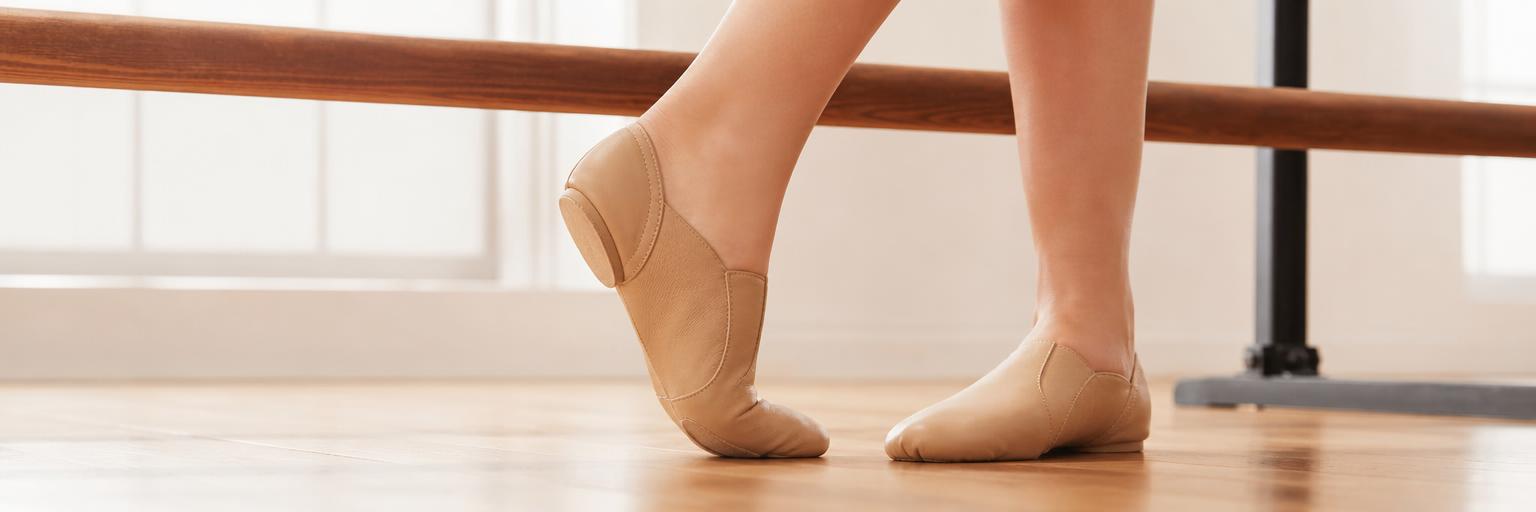
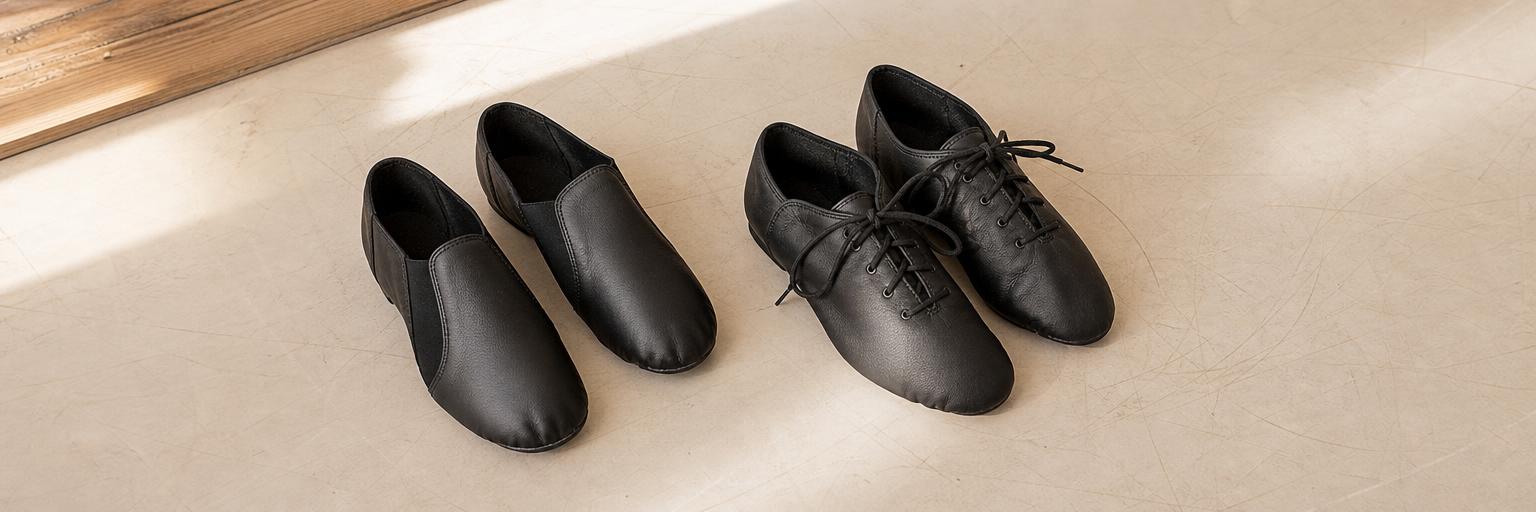
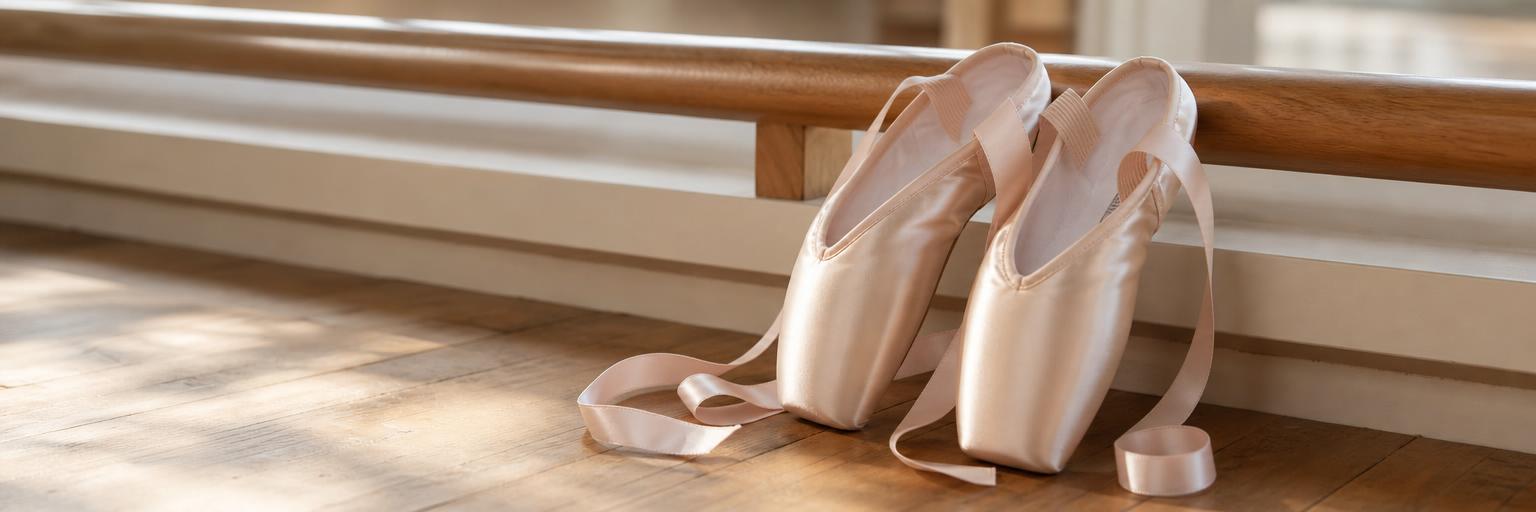
Read the review →Dance shoes almost never match your street shoe size. The correct amount to size down varies by style: ballet slippers go 1-2 sizes smaller, jazz shoes go half a size to a size smaller, and character shoes depend more on the brand than the style. Getting this wrong, which most first-time buyers do, means blisters, technique problems, and a second purchase. This guide gives the sizing rule for each style before you order, and flags which brands size unusually within each category.
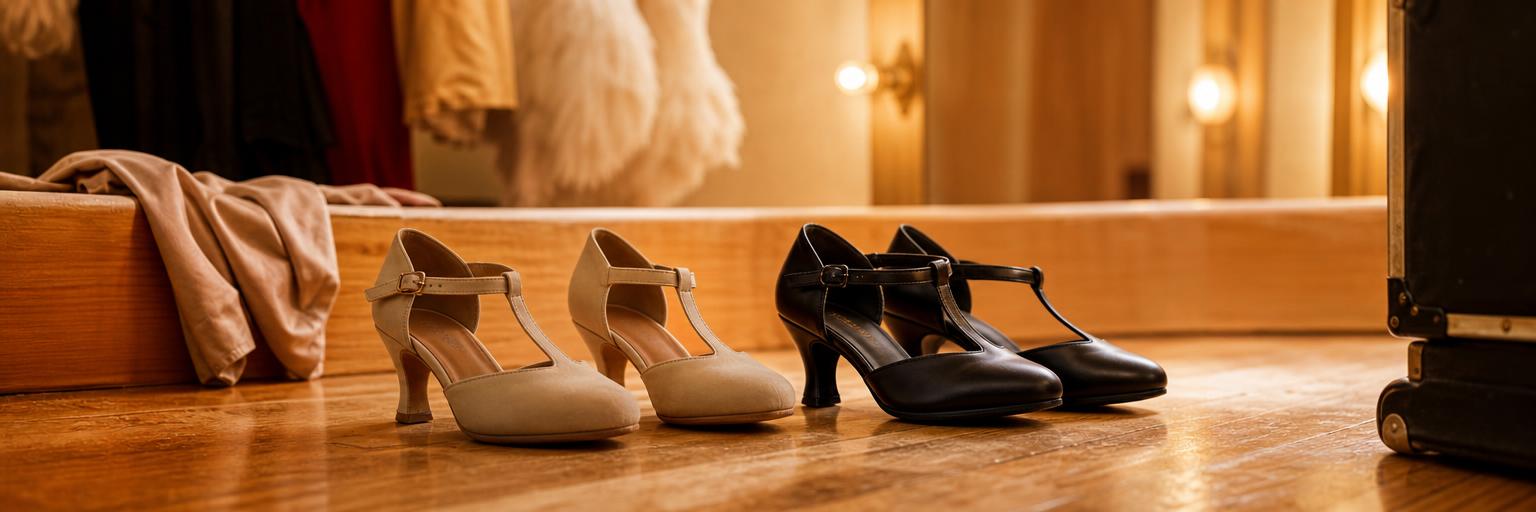
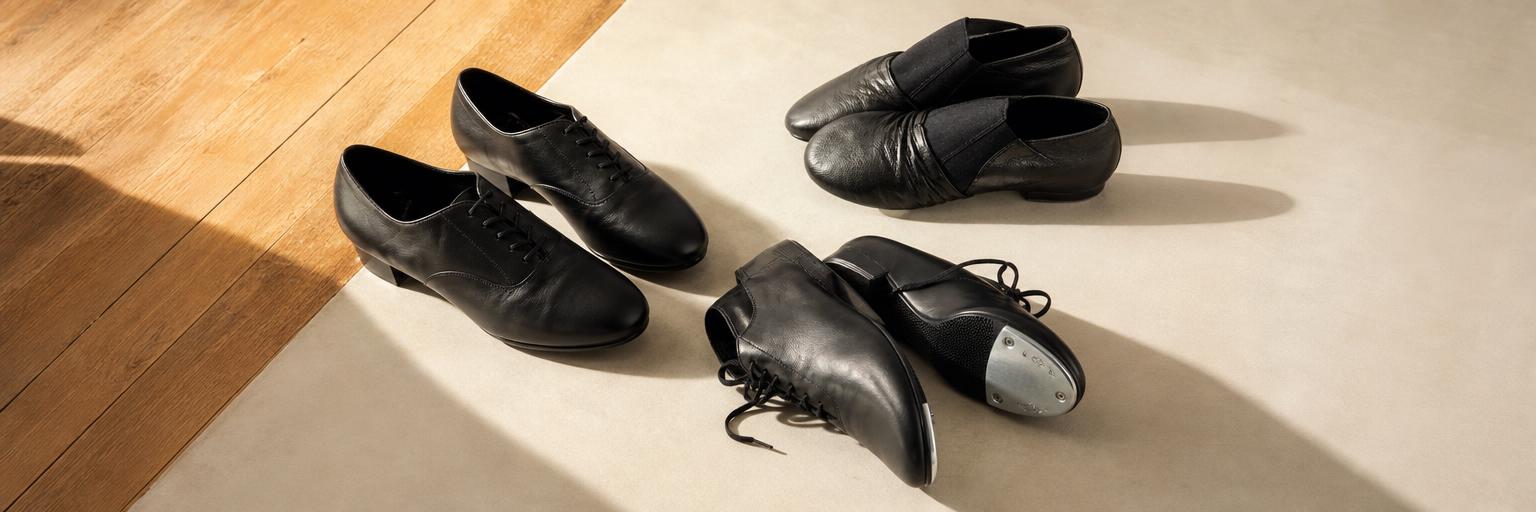
Read the review →Boys need the same categories of dance shoes as girls: tap shoes, ballet slippers, jazz shoes for some programs, character oxfords for musical theatre. The difference is style. Most beginner-shoe lists default to the strap or buckle styles that have been the girls' standard for decades. A boy enrolled in tap class needs an oxford or lace-up shoe, not a Mary Jane or Jr. Tyette strap. That one mistake, ordering the wrong style, is the most common reason parents return a boy's first dance shoes. This guide covers what to buy for young sons in their first class, what teen boys need when they move into technique programs, and what adult men need when they start dancing.
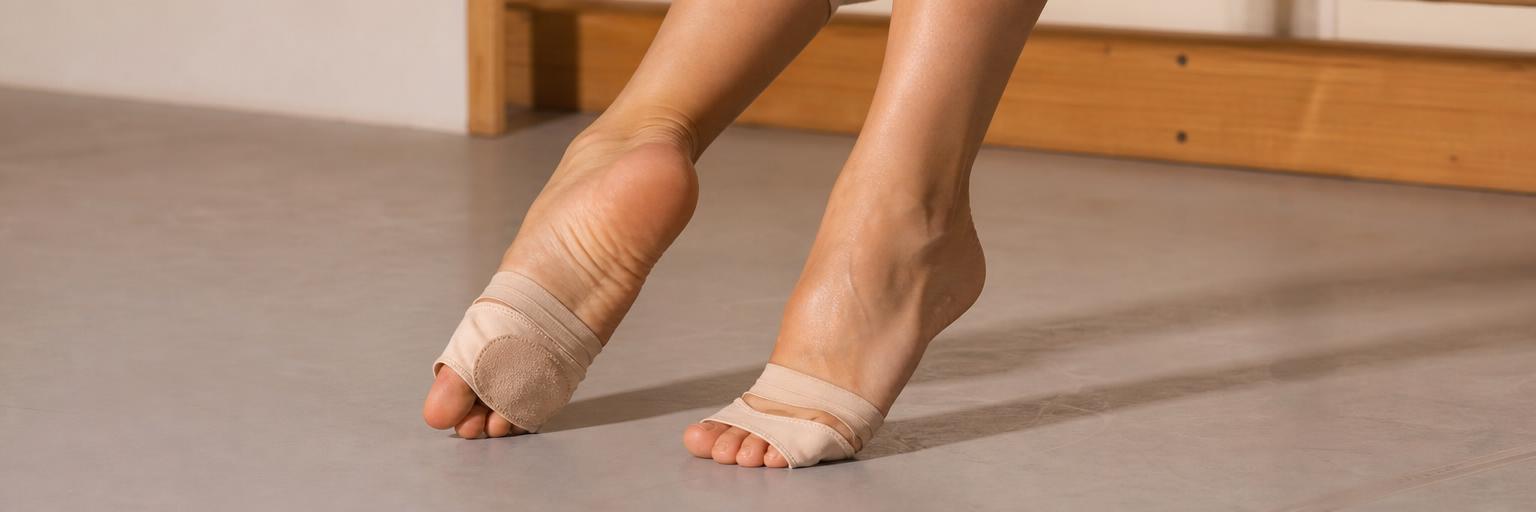
Read the review →Foot undies exist in a strange category: most dance parents don't know they exist until a teacher asks for them, and then they need them by next week. They're not a shoe, they're a fabric interface between a bare foot and the studio floor, used for lyrical, contemporary, and modern dance when full shoes are too restrictive but bare feet don't provide enough grip or protection on turns. Before buying anything, ask the teacher what she actually wants. Lyrical teachers have very different preferences, some want foot undies, some want bare feet, some want jazz shoes. This guide covers the fabric half-sole category for when the teacher has specifically asked for them.
Read the review →