Review

Dance Shoe Care, By Material

Most dance shoes wear out early for one reason: wrong care for the material. Canvas shoes shrink in a dryer. Leather shoes stiffen after machine washing. Suede soles glaze over from floor residue and look like new but grip like ice. This guide names the specific product to buy for each material, so you spend $10 once instead of replacing shoes you didn't need to replace.

Updated 2026-05-26 · Independent research, editorial standards here

Dance Shoe Care, By Material

Best Picks By Situation

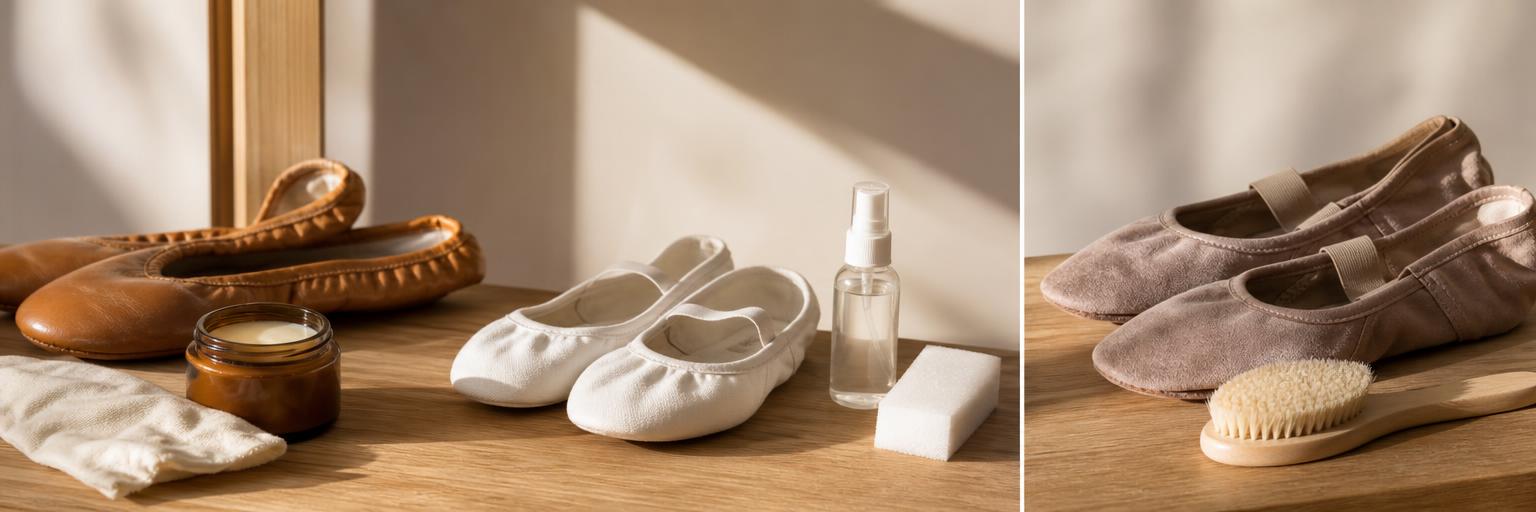
  • Suede soles glazing over: one stiff suede brush. The Diamant brush from DanceShopper is the most common pick. Brush after every 4-6 hours of floor use: the glaze comes back from sweat and floor residue, so this is a recurring routine, not a one-time fix.
  • Suede sole worn through or wrong for the floor: Soles2Dance suede sole kits ($39.95-$43.95). SUEDE-M for clean wood floors. SUEDE-DIY if you want a cut-to-fit sheet. This is not the right solution for rough, outdoor, or carpet floors.
  • Canvas ballet slippers or canvas jazz shoes need cleaning: no product needed. Cold hand wash with mild liquid soap. Rinse thoroughly, reshape by hand, air dry flat or hung at room temperature.
  • Leather tap, character, or jazz shoes showing dry or cracked leather: neutral leather conditioner (Kiwi Neutral, Meltonian Neutral, or any neutral shoe cream) available at pharmacies and shoe stores. Apply sparingly with a cloth once per season.
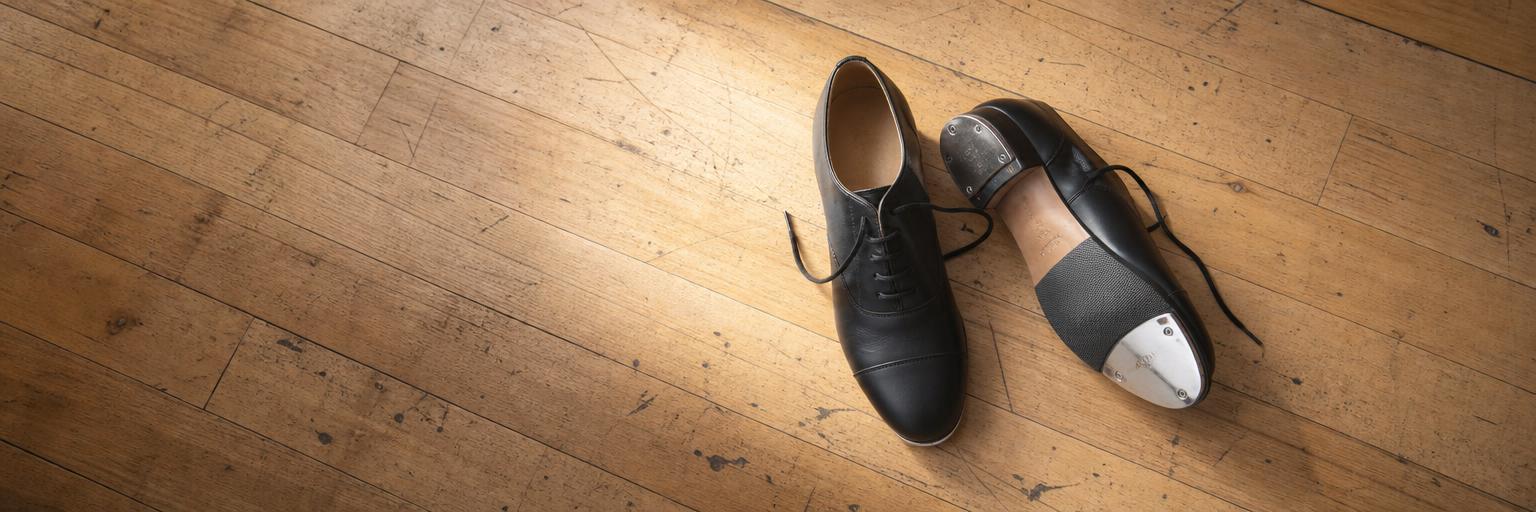
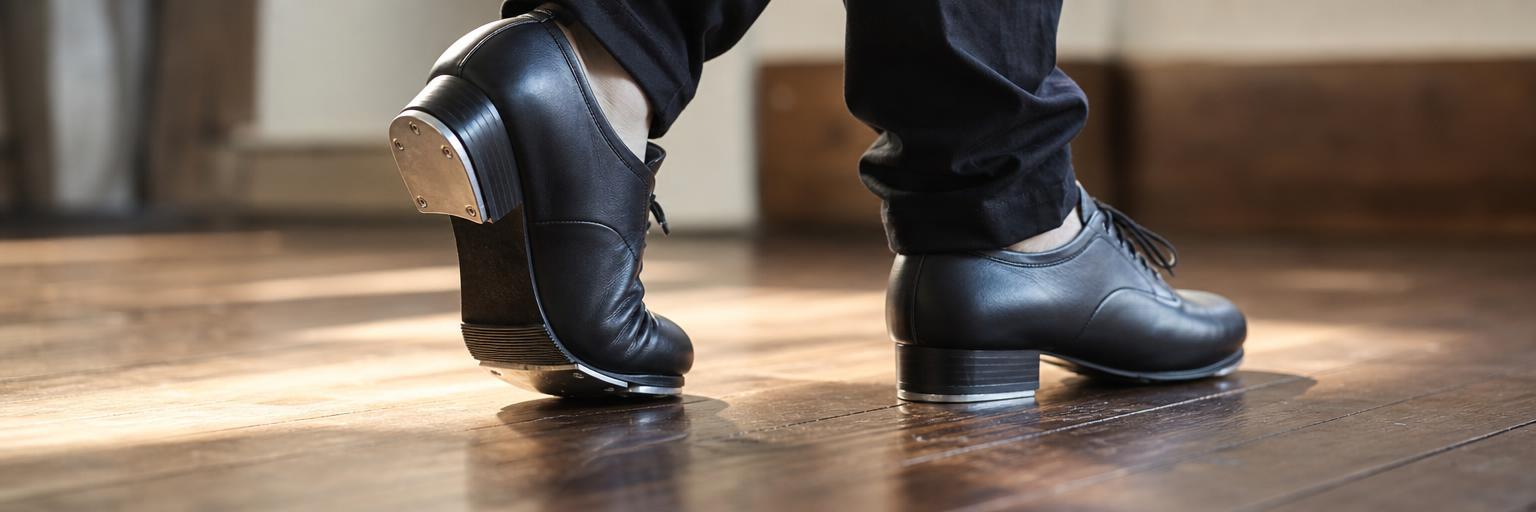
  • Tap screws keep loosening: Loctite 243 (Blue) from any hardware store. Apply a small amount to the screw threads before re-seating. Check the tightness after the first class back: the lock may need one more pass.
  • Ballroom or Latin heel counter wearing down: heel caps from International Dance Shoes accessories or Move Dance ballroom accessories. Must match the heel diameter: measure before ordering.

Before You Buy

  • Identify the material before buying anything. Canvas, leather, and satin each need completely different care. Look at the inside label or the product page for the shoe you own.
  • If your dancer owns any shoes with a suede sole (jazz shoes, ballet slippers, ballroom or Latin shoes), one suede brush is the right first purchase. It costs $8-12 and is the highest-return maintenance item in dance shoe care.
  • Most canvas care and leather care needs no special product: just the right technique. The wrong product (bleach on canvas, machine wash on leather) is what causes early failure, not skipping a specialty product.
  • Order from a seller with an exchange policy when replacing worn shoes. A well-maintained shoe shouldn't need replacing after one season of regular class use. If it's wearing out fast, look for an outdoor-use incident or a fit problem before ordering a replacement.
  • Don't buy a sole conversion kit without reading the Soles2Dance floor-type selector first. Wrong conversion type is a safety issue on the wrong floor, not just wasted money.

Buying Strategy

The shoe care decision is simpler than it sounds. Identify the material. For suede soles, buy one suede brush and use it consistently. For canvas shoes, don't wash them with heat. For leather shoes, don't machine wash them. For tap shoe hardware, keep a Phillips-head screwdriver in the dance bag and check the screws every few weeks. That's the whole strategy. The failure mode is applying the wrong cleaning method: machine washing leather, using a dryer on canvas: not skipping a specialty product. Most dance shoe care mistakes are subtraction problems, not addition problems.

What We Would Do

For any dancer who has shoes with suede soles: buy the Diamant suede brush from DanceShopper ($8-12), put it in the dance bag, and brush the soles after every 4-6 hours of floor time. That single habit prevents the most common dance shoe maintenance failure. For canvas ballet slippers or canvas jazz shoes: hand wash in cold water when dirty, air dry at room temperature, done. No products to buy. For leather tap shoes, character shoes, or leather jazz shoes: wipe with a damp cloth after class, add neutral leather conditioner (Kiwi Neutral, $5-10 at any pharmacy) once per season if the leather looks dry. For tap shoes with loose screws: add a small Phillips-head screwdriver to the dance bag permanently. Tighten before the season opens and after the first few classes. If screws keep re-loosening, apply Loctite 243 Blue to the threads before re-seating.

Buyer Walkthrough

Look at the bottom of the shoe and the upper. Is the sole suede? Does the upper feel soft (canvas) or firm (leather)? That two-second check determines everything. For suede soles: get the brush out after every 4-6 hours of floor time, before the glaze has time to set. For canvas uppers: when the shoe gets dirty, hand wash in cold water with a splash of mild dish soap, rinse thoroughly, reshape by hand, and lay flat to air dry. Do not put in a dryer. For leather uppers: wipe with a damp cloth after every class. That one routine prevents most of the stiffening and cracking that sends leather shoes to the trash too early. For tap hardware: before the season opens, unscrew each tap and look at the screw threads. If any screw spins without catching, replace it or add Loctite Blue. The $6 threadlocker fix is a lot cheaper than the cobbler.

Mistakes To Avoid In Plain English

Don't machine wash any dance shoe. This is the most common way shoes fail early. The cycle stress and water saturation soften the adhesive, and leather stiffens permanently after machine drying. Don't put dance shoes in a dryer or near a heat source. Heat is the second most common cause of premature shoe failure. Don't brush suede soles with a back-and-forth scrubbing motion: brush in one consistent direction. Don't use permanent (red) Loctite on tap screws. Don't apply a SUEDE-M or suede conversion kit to a rough, concrete, or outdoor floor. The sole wears through in one session and won't provide any friction advantage on an abrasive surface. And don't store dance shoes in a sealed plastic bag after class: moisture from sweat molds on the interior and degrades adhesive.

Where to start by buyer type

Material / Part

Worn or wrong-floor suede

The Pick

Soles2Dance suede kits: SUEDE-M (pre-cut) or SUEDE-DIY (cut-to-fit sheet)

Price

$39.95-$43.95

Check Before Buying

SUEDE-M for smooth clean indoor wood floors only. If your floor is concrete, carpet, or outdoor, this is the wrong product.

Check at Soles2Dance
Material / Part

Canvas shoes

The Pick

No product: cold hand wash + air dry

Price

$0

Check Before Buying

Air dry only. No dryer, no heat source, no bleach on white canvas.

Material / Part

Leather shoes

The Pick

Neutral leather conditioner (Kiwi Neutral or Meltonian Neutral)

Price

$5-10 at pharmacies/shoe stores

Check Before Buying

Use neutral (uncolored) only. Once per season, not after every class. Overcondition softens leather structure.

Material / Part

Tap shoe screws

The Pick

Phillips-head screwdriver (permanent in the dance bag) + Loctite 243 Blue if needed

Price

$6-8 for Loctite at hardware stores

Check Before Buying

Loctite Blue only (removable). Never red (permanent).

Picks at a glance

Best use

SUEDE-M and SUEDE-DIY; sole restoration and conversion for indoor wood floors

Price signal

$39.95-$43.95 (2026-05-15)

Check before buying

Soles2Dance direct. Floor-type matching is critical: wrong conversion is a slip hazard. Verify in-stock before ordering.

Check at Soles2Dance
Product / Route

IDS shoe accessories

Best use

Heel caps, replacement soles, brushes, and shoe bags for ballroom and Latin shoes

Price signal

Varies by accessory type (May 2026)

Check before buying

International Dance Shoes direct. US shipping confirmed. Heel cap sizing requires measuring heel diameter before ordering.

Check at IDS

Current Shortlist

  • Suede soles (all styles with suede soles, jazz, ballet, ballroom, Latin): stiff-bristle suede brush, $8-12. The Diamant Brush from DanceShopper is the most commonly stocked option at US dance retailers. Brush in one direction after every 4-6 hours of floor use. A glazed suede sole causes falls; a brushed one extends shoe life by a full season.
  • Suede sole restoration or conversion: Soles2Dance suede sole kits ($39.95-$43.95). Use when brushing no longer restores traction or when you're converting a leather-sole shoe to dance use. SUEDE-M for standard shoes; SUEDE-DIY is a cut-your-own sheet. Wrong floor match is a safety issue, read the Soles2Dance selector before ordering.
  • Canvas shoes (ballet slippers, canvas jazz shoes): no product needed. Hand wash in cold water with mild liquid soap or use a mesh laundry bag on cold gentle cycle. Air dry at room temperature. Dryers shrink canvas; heat sources warp the shape and degrade sole adhesive. Never bleach white canvas.
  • Leather shoes (tap shoes, character shoes, leather jazz shoes): wipe the upper with a damp cloth after each class. Apply a neutral leather conditioner (Kiwi neutral cream or Meltonian Neutral, available at shoe stores and pharmacies, $5-10) once per season when the leather looks dry or shows small cracks at the flex point. Never machine wash leather. Never use heat to dry.
  • Tap shoe screws: Phillips-head screwdriver check before season opens and after the first several classes. Loctite 243 (Blue, removable, $6-8 at any hardware store) on the threads if a screw re-loosens within a class or two of tightening. Never use red (permanent) Loctite on tap screws, you won't be able to service the taps.
  • Heel protectors and caps: IDS shoe accessories or Move Dance ballroom accessories carry heel caps and protectors for Latin and ballroom shoes. They extend the life of the leather heel counter and protect suede soles from the impact spike at the heel. Match the cap to the heel shape before buying, wrong cap falls off mid-dance.
  • Storage between classes: keep dance shoes in a mesh bag or open-weave bag inside the dance bag. Never leave shoes in a sealed plastic bag, moisture from sweat degrades adhesive and grows mildew on canvas and leather. Air out after every class before bagging.

How To Choose

  • Identify the material first. Read the inside label or the product page for your exact shoe. Canvas, leather, and satin require completely different care, doing the wrong thing for the material causes faster deterioration than normal wear does.
  • For suede soles specifically: a stiff-bristle suede brush is the single most useful shoe-care purchase for any dancer who has ballet, jazz, ballroom, or Latin shoes. It costs $8-12 and extends sole life by months. If you own one shoe style with a suede sole, you need this brush.
  • For leather upper care: don't overcondition. Once per season (or when the leather shows dryness) is enough. Daily conditioning softens the leather structure. Neutral (uncolored) conditioner is always the right choice, dyed conditioner can change the color and create uneven patches.
  • For tap shoe maintenance: the Phillips-head screwdriver is a class-bag permanent. Loose screws are not a product defect, they are a routine maintenance item. Check before every performance. Loctite Blue is only needed for chronic loosening (screw won't stay tight for more than a class or two even after fresh tightening).
  • For heel caps: measure the heel base diameter before ordering. Ballroom and Latin heel caps come in multiple sizes and they don't transfer between heel heights or brands. IDS and Move Dance both publish size references for their caps.

Avoid If

  • Don't machine wash any dance shoe regardless of material. The cycle stress, water saturation, and spin damage the adhesive bonding sole to upper, warp the last (the form the shoe is built on), and in leather shoes, causes permanent stiffening.
  • Don't use a dryer or any heat source (radiator, blow dryer, direct sun) on any dance shoe. Heat warps the shape, shrinks canvas, and softens sole adhesive.
  • Don't use red (permanent) Loctite on tap screws. Permanent threadlocker means the tap plate can't be removed for service or replacement. Loctite 243 (Blue, removable) is the correct product.
  • Don't brush suede soles with back-and-forth strokes. Brush consistently in one direction to restore the nap. Aggressive multi-direction brushing can lift suede fibers prematurely.
  • Don't apply a suede sole conversion to the wrong floor type. SUEDE-M and similar suede stick-on kits are for clean wood or sprung floors only. On carpet, concrete, or outdoor surfaces, suede wears out extremely fast and provides no friction advantage. Soles2Dance SULOFRI is for outdoor or rough surfaces. Wrong conversion is a slip hazard.

By Material: What To Buy

Most dance shoe care mistakes happen when someone applies the wrong method for the material. Check the shoe material first, then buy only what's listed.

Material / PartProblem It Causes If NeglectedProduct To BuyPriceHow Often
Suede soleGlazes over, loses traction, causes slips and technique errorsStiff-bristle suede brush (Diamant from DanceShopper)$8-12After every 4-6 hours of floor use
Worn or converted suede soleSole peels, worn through to leather, or wrong sole for floor typeSoles2Dance SUEDE-M or SUEDE-DIY kit$39.95-$43.95When brushing no longer restores grip, or for a new conversion
Canvas upper (ballet slippers, canvas jazz shoes)Turns grey and stiff; direct washing shrinks itNo product, cold hand wash + air dry only$0When visibly dirty; air out after every class
Leather upper (tap, character, leather jazz shoes)Dries and cracks at the flex point, shortens shoe life by 1-2 seasonsNeutral leather conditioner (Kiwi Neutral or Meltonian Neutral)$5-10 at shoe storesOnce per season when leather looks dry
Tap shoe screwsLoose tap shifts sound; detached tap is an injury riskPhillips-head screwdriver + Loctite 243 (Blue) if chronic loosening$6-8 for Loctite at hardware storesBefore season opens; check after first several classes
Heel counter / heel cap (ballroom, Latin shoes)Heel leather collapses; suede wears through at spike pointHeel caps from IDS or Move Dance accessories (match heel size)Varies by heel diameterReplace when cap shows visible wear; match size before ordering