Review

Best Ballet Slippers For Beginners

There is one thing separating a good first ballet class from a frustrating one: showing up in shoes that fit. Not an expensive pair, just the right pair. Ballet slippers are easy to get wrong because they run 1 to 2 sizes smaller than street shoes, because full sole and split sole are not interchangeable for beginners, and because the drawstring in that canvas slipper needs to be dealt with before the first class. None of that is obvious if you've never bought dance shoes before. It comes down to three picks, the sizing math, and the two questions that actually decide it: full sole or split sole (for a beginner, full sole), and whether to buy a fitted leather pair now or start cheaper while you find out if this sticks.

Updated 2026-06-30 · Independent research, editorial standards here

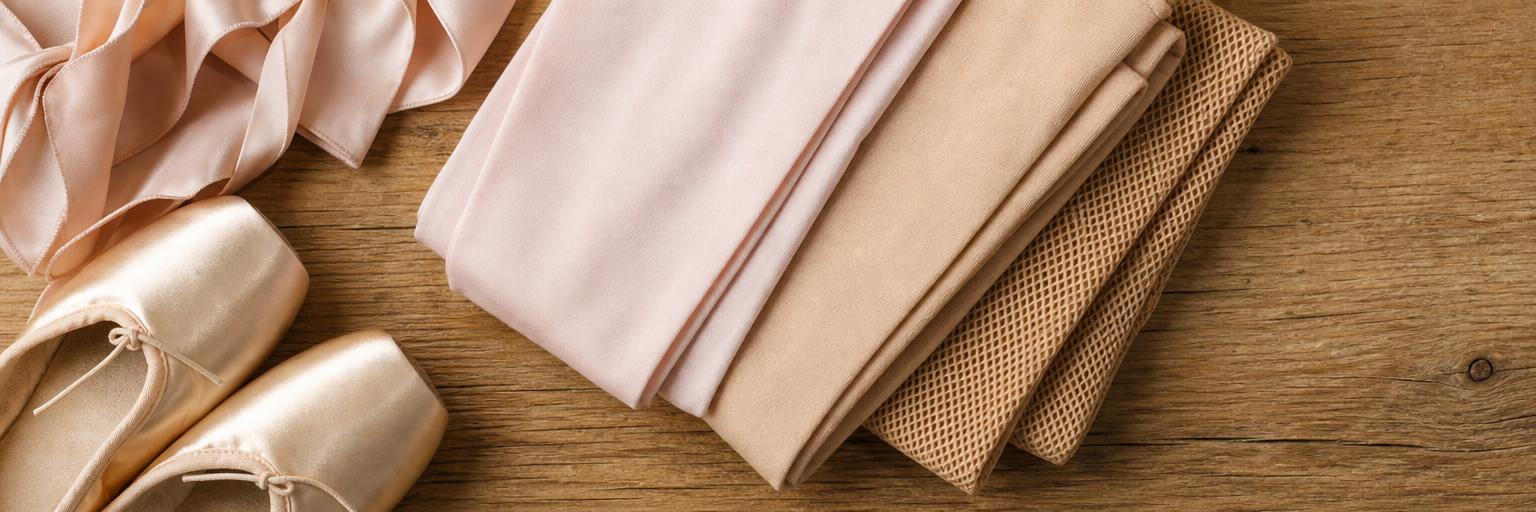
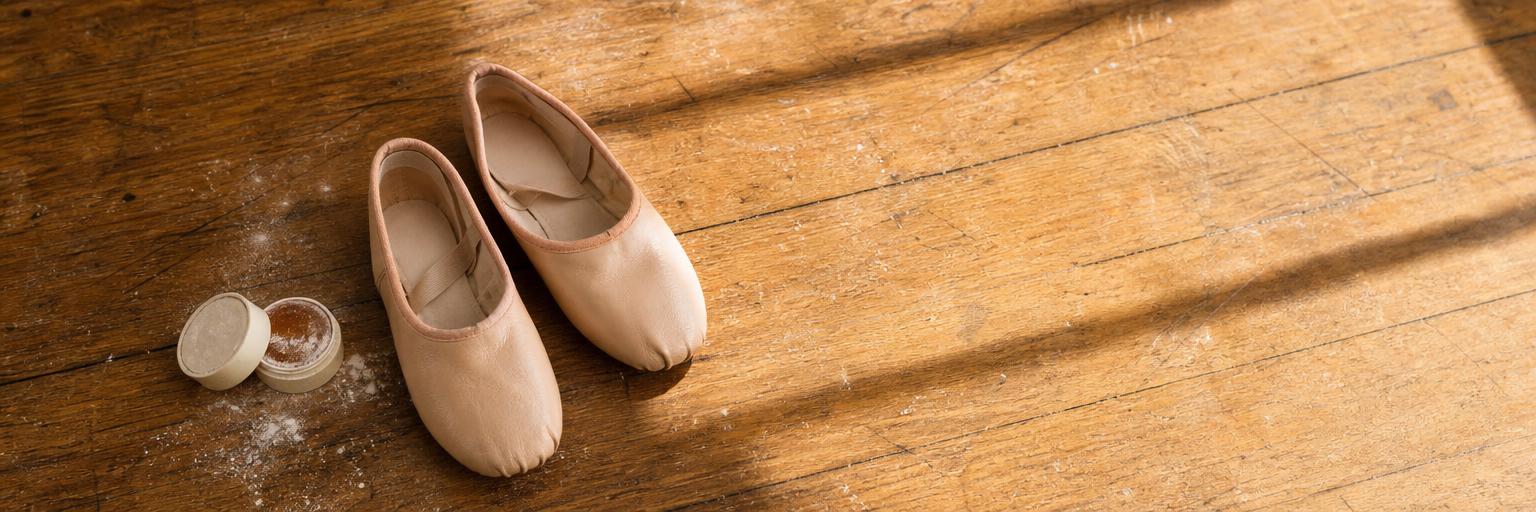
Soft pink leather ballet slippers placed on a worn wooden dance studio floor.

Best Picks By Situation

  • First-time purchase, widest availability: Capezio Daisy 205 leather. Order from Capezio direct, DiscountDance, or DancewearCorner. All three have exchange policies.
  • If Daisy is out of stock in the right size: Bloch Dansoft S0205 leather. Check Bloch's own size chart before ordering.
  • Cheapest specialty flat, split sole only: So Danca Bullet BA45 stretch canvas (~$15). Lowest specialty price, but it is a split-sole shoe (the leather Bullet BA49 is too), so it is the wrong pick for a full-sole-required beginner. Reach for it only when the studio allows split sole.
  • Adult beginner: same picks apply. Full-sole works for all ages. Adult sizing is available across all three brands.
  • Teacher specifies elastic instead of drawstring: buy a pre-elastic version if listed, or sew the modification before the first class. Confirm with the teacher which she prefers before modifying.

Before You Buy

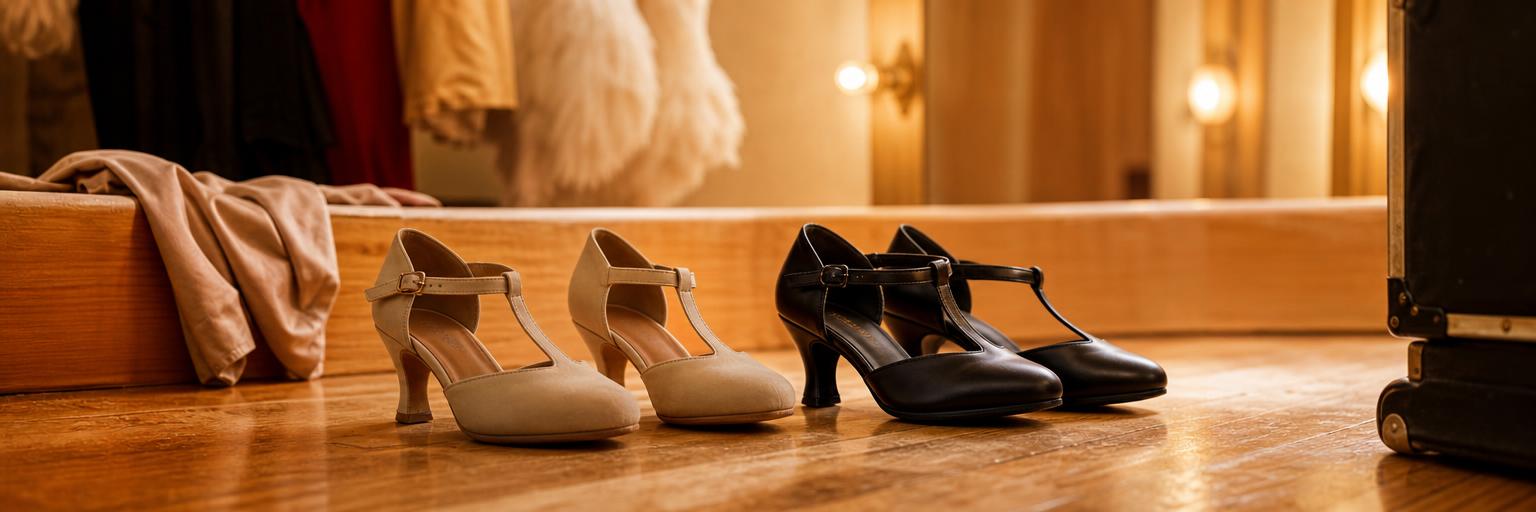
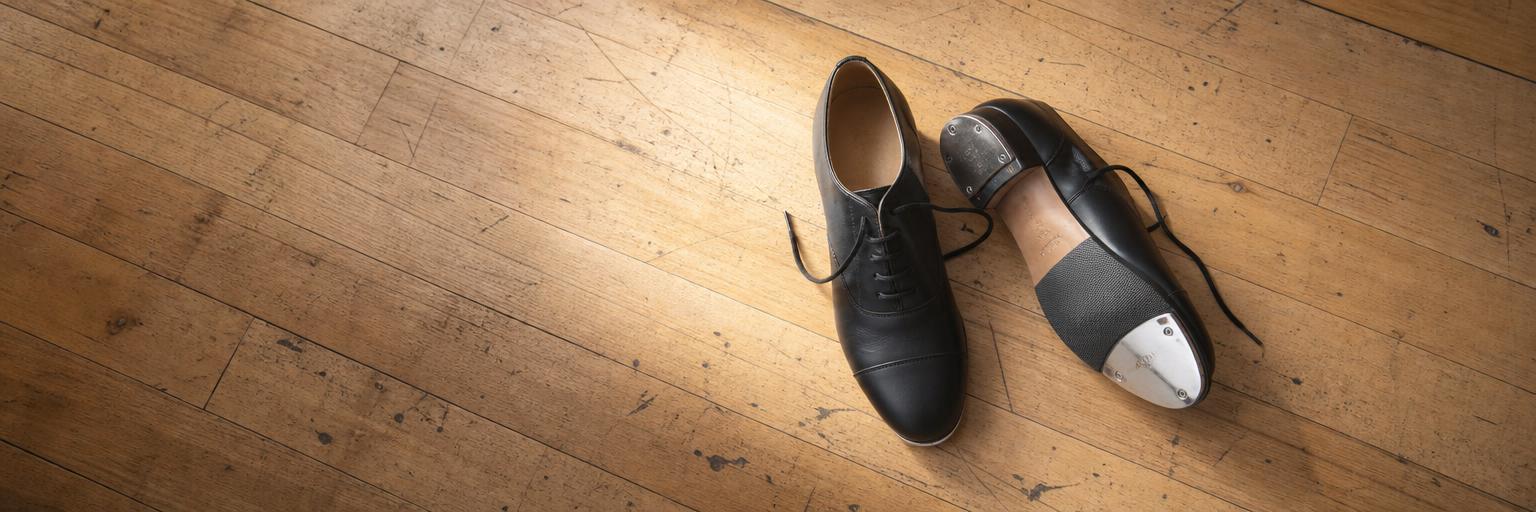
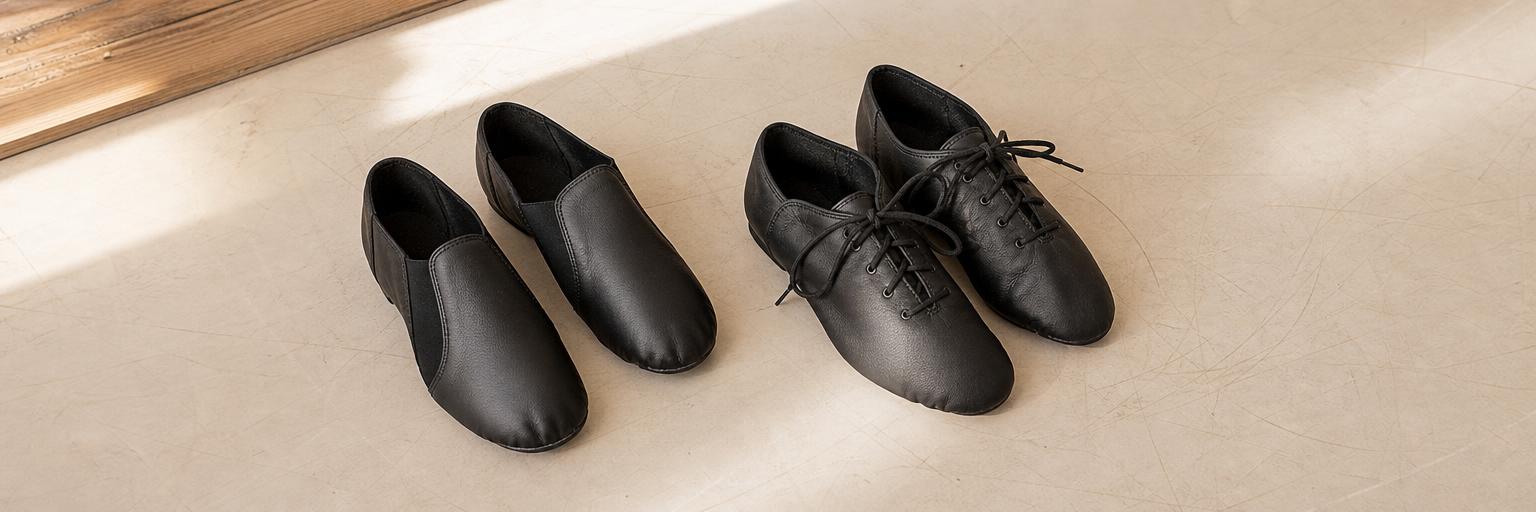
  • Confirm the shoe type with the studio before ordering. Ballet slipper, tap shoe, jazz shoe, and character shoe are four different products. A ballet slipper won't work in a tap class.
  • Check the brand's size chart, not street shoe size. Ballet slippers run 1–2 sizes smaller. The most common reason for exchanges is ordering by street shoe size.
  • Confirm full sole vs. split sole with the teacher. Most beginner classes require full sole. If the requirement is silent, default to full sole.
  • Check the exchange policy before clicking buy. First-time fit requires an exchange option for size issues, not just a return window.

Buying Strategy

The ballet slipper buying question has three parts and they go in order: confirm the shoe type with the studio, confirm the sole type with the teacher, then confirm the size using the brand's chart. Skip any of those steps and you're in the exchange queue. The brand choice (Capezio vs. Bloch vs. So Danca) matters less than getting those three things right. All three are well-made beginner slippers. The Capezio Daisy is the default because it's the most widely stocked, which means the fastest exchange path if the first size is wrong.

What We Would Do

For a first pair: order the Capezio Daisy 205 leather from DiscountDance or DancewearCorner, not Amazon marketplace. Exchange is easier at a dance retailer for a first-time fit. Use Capezio's size chart, not street shoe size. Confirm with the teacher whether she wants the drawstring left in or elastic sewn in before the first class. If the teacher hasn't responded yet and the first class is tomorrow, leave the drawstring in. You can modify it after class. If the Daisy is out of stock: Bloch Dansoft with Bloch's chart. For a replacement pair when the first one is outgrown: Daisy first, Dansoft second, So Danca Bullet BA45 if budget is the constraint.

Buyer Walkthrough

Start with the studio requirement, not the product page. Call or message the studio and ask: what type of slipper, what sole (full or split), and what color. If the studio is specific about brand, that's your answer. If not, canvas full-sole is the correct default for a first-year beginner. Then use the brand's own size chart, not street shoe size. For a child: size up if you're between sizes (room to wiggle toes, but no loose heel). For an adult: try on in-store at a dance retailer if possible. Once the size is confirmed, decide whether to buy from a dance retailer (easier exchange for first-time fit) or the brand direct. If you end up with a drawstring slipper and the teacher wants elastic, do that modification before the first class.

Mistakes To Avoid In Plain English

Don't order by street shoe size. It's the single most common reason for ballet slipper exchanges. Don't buy split sole unless the teacher specifically says to. Don't buy from a marketplace listing that doesn't include the brand's own size chart. Don't buy leather as a first slipper for a growing child unless the teacher recommends it. And don't wait until the night before the first class to figure out the drawstring. Read the product description when you order, confirm with the teacher, and handle the modification in advance.

Where to start by buyer type

Best For

First-time purchase, widest stock

Start Here

Capezio Daisy 205: ~$26.50

Why

Most widely stocked beginner slipper in the US; leather, not canvas; full sole; toddler through adult sizing.

Check First

Confirm sizing using Capezio's chart; check whether current production uses drawstring or pre-sewn elastic.

Check at Capezio
Best For

Durability pick for weekly class

Start Here

Bloch Dansoft S0205: ~$22

Why

Durable leather full-sole construction from an established dance brand, with elastic pre-attached. Good for dancers in class multiple times per week.

Check First

Use Bloch's size chart, not Capezio's. SKU S0205G for children, S0205L for ladies.

Check at Bloch
Best For

Cheapest specialty flat, split sole only

Start Here

So Danca Bullet BA45: ~$15

Why

Lowest specialty price, but So Danca classifies the Bullet as split sole, so it is the wrong shoe for a full-sole-required beginner and will get sent home. Reach for it only when the studio allows split sole. For a budget full sole, the Bloch Dansoft at ~$22 is the cheaper of the two full-sole picks above.

Check First

Confirm your teacher allows split sole before buying. The leather Bullet BA49 is also split sole.

Check at So Danca

Picks at a glance

Best use

Durability alternative: weekly class use

Price signal

~$22 (May 2026)

Check before buying

Bloch direct, DiscountDance, DancewearCorner. Leather, not canvas; SKU S0205G child, S0205L ladies.

Check at Bloch

Current Shortlist

  • Capezio Daisy 205 leather: Amazon search or Capezio Daisy on Capezio.com (~$26.50 brand-direct, around $24 to $30 on Amazon). The most widely stocked beginner ballet slipper in the US, and despite the soft pink look it is leather, not canvas, in narrow, medium, and wide widths. The safe default when you don't know the brand yet. Leather conforms to the foot over the first few weeks and holds up through heavy weekly class. Sizing: use Capezio's size chart, not street size. Most children's slippers run 1 to 1.5 sizes smaller than street shoes, and leather runs a touch smaller still, so do not guess from a sneaker size. The drawstring on the current production run needs to be sewn into an elastic crescent at the heel before the first class; confirm with the teacher whether she wants drawstring or elastic before modifying.
  • Bloch Dansoft full-sole leather: Bloch Dansoft on blochworld.com ($22.00 brand-direct, flat across colors and sizes) or Amazon search. Note that the Dansoft is leather, not canvas, despite how it is often listed. It is a Bloch best-seller with the elastic pre-attached so there is no drawstring to modify, which is one less job before the first class. SKU S0205G for children and S0205L for ladies. Bloch uses a different sizing system than Capezio, so use Bloch's size chart specifically, not Capezio's. If the Daisy is out of stock in the needed size, the Dansoft is the direct alternative at a couple dollars less.
  • So Danca Bullet, split sole: So Danca Leather Bullet BA49 on sodanca.com (child around $14, adult around $18) or the stretch canvas Bullet BA45 (around $15). This is So Danca's cheapest specialty ballet flat, but read the spec before you buy. So Danca classifies the Bullet as a split-sole shoe (the BA45 listing carries the split-sole tag, both the leather and canvas versions share a suede sole built for turning, and the line is grouped with turning and jazz-contemporary shoes), not a full-sole beginner slipper. If the teacher requires full sole, and most beginner classes do, this is the wrong shoe and it will get sent home. It earns a place only when the studio allows split sole or the dancer is already past the full-sole first year and wants the lowest specialty price. For a full-sole beginner on a budget, the Bloch Dansoft at about $22 is the cheaper of our two full-sole picks. Use So Danca's own size chart, not Capezio's.

How To Choose

  • Full sole or split sole: beginners need full sole. It develops intrinsic foot muscles and supports arch control while the technique is still being built. Split sole shows more arch line but removes the resistance that builds strength. Most beginner class requirements specify full sole; if yours doesn't, ask the teacher before buying split sole.
  • Canvas or leather, mapped to the picks: both of our class-ready picks are leather (the Capezio Daisy at about $26.50 and the Bloch Dansoft at about $22). Leather conforms to the foot over the first few weeks and holds up through heavy weekly class, which makes it the better committed-dancer and hand-me-down pick, and the Dansoft arrives with the elastic already sewn in, so there is no drawstring job before class. One trap to avoid here: the cheapest specialty canvas option in this brand range, the So Danca stretch canvas Bullet BA45, is a split-sole shoe, not a full-sole beginner flat, so do not treat it as the budget-canvas equivalent of the Daisy. For a full-sole beginner the practical answer is one of the two leather picks, and a true budget canvas full sole lives at the mass-market floor (Dance Class or Stelle, with the sole type confirmed at the seller), which the budget-floor section below covers.
  • Sizing: don't order by street shoe size. Ballet slippers size differently by brand. Capezio's canvas slippers typically run 1 to 1.5 sizes smaller than street shoes for children. Leather slippers run even smaller, often 2 sizes. Use the brand's size chart. If you're between sizes, size to the one where the longest toe just reaches the end and lies flat, not the one with room to grow. To skip the chart math, feed your dancer's everyday shoe size into our Cross-Brand Dance Shoe Fit Finder and it returns the ballet starting size in each brand, the smaller-than-street offset already applied.
  • Once they arrive, check the fit on the foot, not against the chart. With the slipper on and your dancer standing flat on both feet, feel for the longest toe at the very end of the shoe. It should just reach the end and lie flat, brushing the seam, not curling under and not jamming against it. The slipper should hug the heel and the midfoot snugly with no loose fabric to bunch or slide, and the back should stay put when she rises onto the balls of her feet. Here is the part that catches every first-timer: a ballet slipper is meant to fit far closer than a sneaker, so the half inch of growing room you would leave in a school shoe is exactly what makes a slipper slide off the heel, blister the toes, and fight her technique. If it feels roomy, it is too big. Size for the fit right now, not for the season ahead, because unlike a sneaker a too-big slipper is a worse dance shoe every day you own it, never a comfortable one she grows into.
  • The drawstring: most canvas slippers come with a drawstring. Many teachers prefer elastic sewn in a crescent shape across the back of the heel instead. Confirm with the teacher before modifying, and do the modification before the first class, not during it.
  • Know how to keep it alive once you own it, because the wrong care kills a slipper before its time. A canvas slipper hand-washes in cold water with a little mild soap and air-dries flat, never the dryer or bleach, both of which shrink and stiffen the canvas. A leather Daisy or Dansoft never goes in a machine: wipe it down and give it a light conditioner once a season when it looks dry. Air either one out after class instead of sealing it damp in the dance bag, where trapped sweat grows the smell that never leaves. Our dance shoe care by material guide has the full routine, including the suede-sole brush that brings the grip back when the sole glazes over and the slipper starts to slide.

Avoid If

  • Don't buy split-sole unless the teacher specifies it. Split sole looks more professional but is a different shoe with a different function. When in doubt, full sole.
  • Don't order without checking the brand's size chart. Using street shoe size directly is the most common reason for ballet slipper exchanges. A slipper that's too big causes blisters and makes technique harder to learn.
  • Don't buy from a third-party marketplace listing that doesn't show a sizing guide from the brand. Sizing information on generic marketplace listings is often missing or wrong. Go to a dance retailer or brand direct for the first fit, where the size chart is accurate and exchanges are straightforward.
  • Don't buy leather slippers if the studio floor is carpet or if budget is the primary concern. Leather on carpet wears faster. Canvas on any floor is fine for class, and less expensive to replace when your child grows out of them.
  • Adult starting class for the first time who also needs jazz, tap, or character shoes? Best Dance Shoes For Adults Starting Dance Class covers the first shoe for each style in one place, including the sizing offset table that is different for every style.

The Budget Floor vs. The Specialty Step-Up

  • There is a real tier below our three picks, and pretending it doesn't exist helps no one. The true mass-market floor is Dance Class by Trimfoot (around $15 to $20, confirm the current price at the seller) and Stelle (ballet around $16 to $20, mostly sold on Amazon). Both sit a real notch above the sub-$15 no-name slippers in padding and sole, and for the right kid they are an honest first purchase, not a corner cut.
  • Buy the budget floor when the question is commitment, not technique. A 4-year-old in her first combo class, a fast-growing foot that will change size by winter, or a child you are genuinely not sure will stick with it past the trial month does not need a fitted specialty slipper yet. A budget canvas full sole does the job for a few months while you find out whether this sticks.
  • Step up to a fitted slipper the moment one of three things happens: the dancer is committed and taking real technique class, the foot has settled into a stable size, or the teacher flags that the shoe is bunching, sliding, or gapping at the heel. That is when fit precision and sole quality start to affect how the foot actually works, and it is the point our top pick earns its price. The Capezio Daisy leather full sole runs $26.50 brand-direct and the leather Bloch Dansoft sits just under it at about $22. So Danca's Bullet is cheaper still at about $14 to $18, but it is a split-sole shoe, so it does not belong in the full-sole beginner comparison; reach for it only when the studio allows split sole.
  • What the extra eight to ten dollars buys is not a fancier shoe, it is a shoe that fits the foot more precisely and a sole that lets the foot articulate instead of just covering it. On a committed dancer taking class more than once a week, that fit and the longer life of the leather or heavier canvas pay for themselves. On a tentative first-timer, they do not yet.
  • The real money risk is not the ten dollars you save at the floor. It is buying the wrong style or a non-returnable shoe that doesn't fit and having to buy twice. Call the studio for the exact style and sole type first, then buy the budget pair from somewhere with a fit exchange. Get those two things right and the cheap shoe is a smart start, not a mistake.

Full Sole vs. Split Sole: Why It Matters For Beginners

  • A full-sole slipper has a single piece of suede running the entire length of the foot. A split-sole has two suede patches (one at the ball of the foot, one at the heel) with a fabric stretch panel in the middle.
  • The stretch panel in a split sole makes the arch look more prominent and gives the foot more flexibility at the metatarsal. That's great for intermediate and advanced dancers who already have trained arches. For a beginner, that same flexibility removes the resistance that teaches the foot to work.
  • Think of it like training wheels. Full sole adds mild resistance at the arch that a beginner's foot has to push against. That's the exercise. Split sole removes that resistance and lets the arch collapse without the foot learning the correct muscle engagement. You see the arch line sooner, but the foot isn't building the strength that makes that arch line real.
  • Most beginner and younger-beginner classes specify full sole in the requirement. If the studio requirement is silent on sole type, ask the teacher. The answer is almost always full sole for the first year.

The Drawstring Problem

  • Canvas ballet slippers come with a drawstring in the front that cinches the top of the shoe. Most dance teachers prefer elastic sewn in a crescent shape across the back of the heel. The elastic holds the heel of the slipper on the foot and doesn't show at the front of the shoe.
  • Some brands offer pre-sewn elastic versions; check the product description before ordering if you want to avoid the sewing step.
  • If you have a drawstring slipper and need to switch to elastic: cut the drawstring, thread narrow elastic through the channel at the heel, and sew it into a crescent. There are videos for this on YouTube. It takes about 20 minutes the first time. Do it before the first class, not the morning of.
  • If you don't know whether the teacher wants drawstring or elastic, ask before modifying. Some teachers prefer the drawstring left in for younger dancers because it allows size adjustment. Most don't.

Keep reading

More reviews worth your time