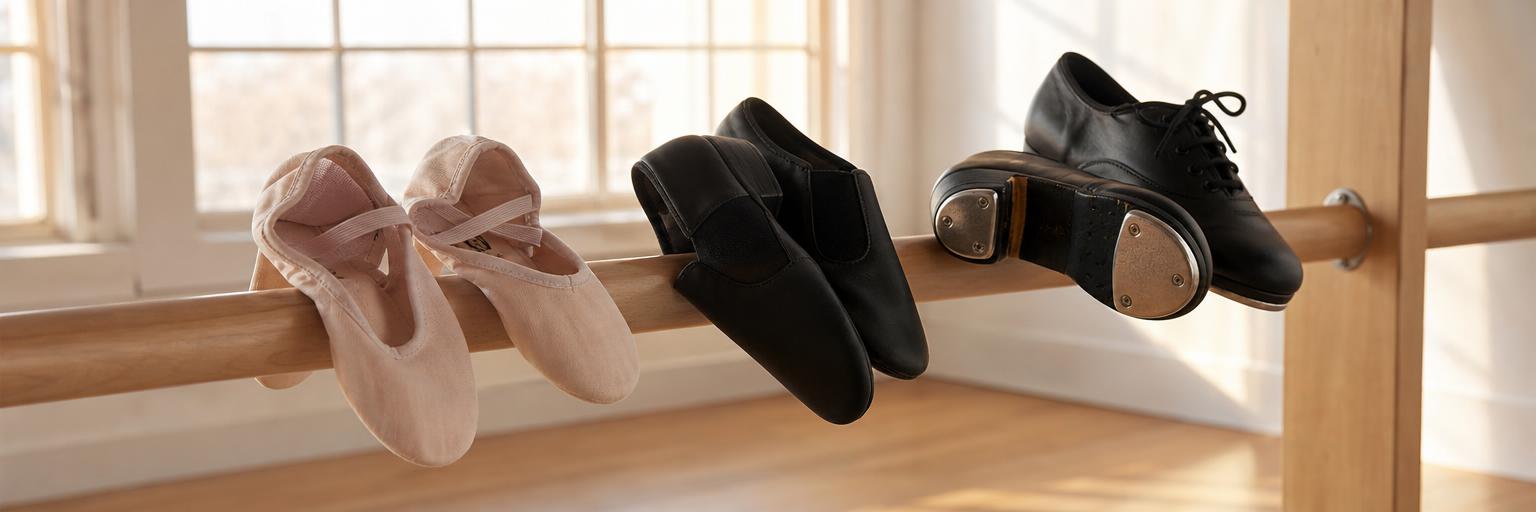
Picks at a glance
Price$26.50, verified 2026-08-02
Why it winsCheap, stocked everywhere, and full sole, which is what an adult beginner's feet need before anything else.
Where it falls shortRuns well under street size, so an adult ordering by shoe size will get something they cannot get their foot into.
Check before buyingAll 45 sizes in stock at check time. Check whether the current production is drawstring or pre-sewn elastic. Exchanges are available through dance retailers even where the brand is stricter.
Check at Capezio →Price$47.00, verified 2026-08-02
Why it winsLaces mean an adult foot that is wide at the ball and narrow at the heel can actually be made to fit, which slip-ons cannot do.
Where it falls shortBloch direct will not exchange it, and a slip-on dress code rules the lace-up out entirely.
Check before buying16 of 18 sizes in stock at check time. Bloch direct does not do exchanges, so confirm the policy or buy through a retailer that does.
Check at Bloch →Price$70.20, verified 2026-08-02
Why it winsMedium and Wide in the same shoe, which is the single most useful thing for an adult foot that has spent thirty years in sneakers.
Where it falls short$70 is a real commitment for a first tap class, and it runs small enough that the first pair may need exchanging.
Check before buyingAll 84 combinations in stock at check time. Runs small: order the same as street or half a size up. Adult 3 is the smallest size made.
Check at So Danca →Price$40.80 to $51.00, verified 2026-08-02
Why it winsSizes closest to street of anything in this list, so it is the lowest-risk first order for an adult buying online.
Where it falls shortA 1.5-inch heel is a real adjustment for an adult beginner, and the tan and black versions are not swappable if the teacher specified one.
Check before buying90 of 93 combinations in stock at check time. Adult sizes despite the Jr. name. Confirm the teacher's color requirement before ordering: tan and black are not interchangeable on stage.
Check at Capezio →Which one for your dancer
- First ballet class as an adult: Capezio Daisy leather full-sole slipper. Order 1.5-2 sizes smaller than street shoes using Capezio's chart. Drawstring is correct for adult feet.
- First jazz class as an adult: Bloch Jazzsoft split-sole leather lace-up. Order about half a size up from street, per Bloch's own guide. Confirm your studio accepts lace-ups before ordering.
- First tap class as an adult: So Danca TA20 Oxford at DancewearCorner. Order same as street shoe or half size up. The TA20 runs small. The retailer notes this on the product page.
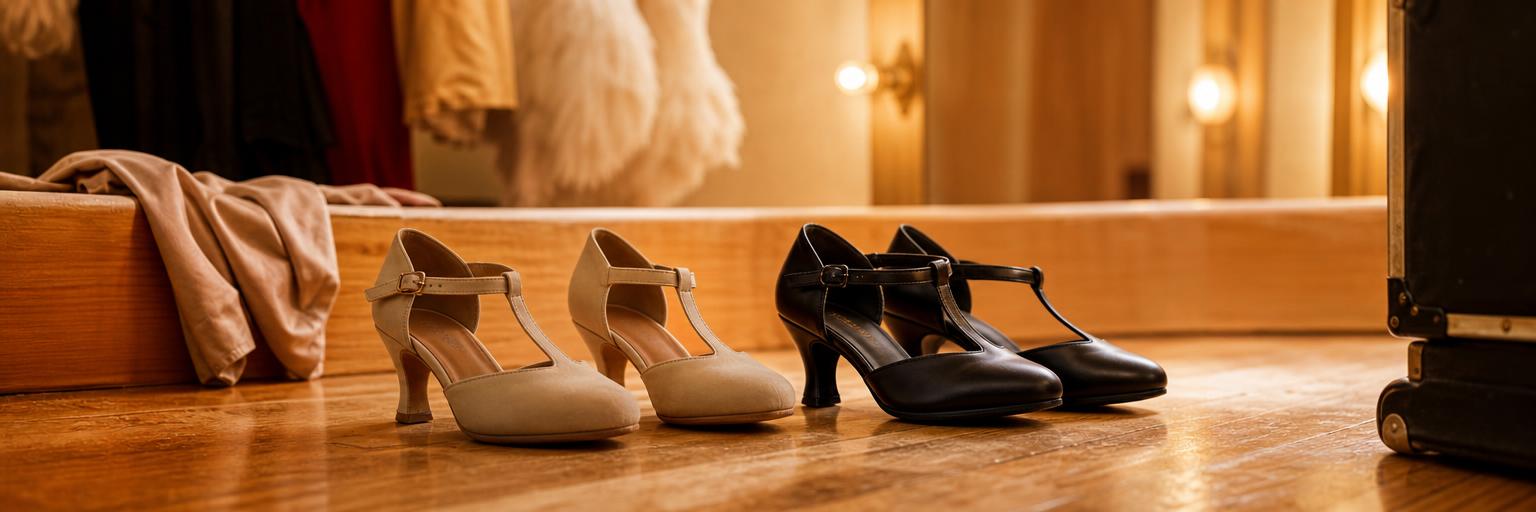
- Character or musical theatre class: Capezio Jr. Footlight 550 in tan or black, sold in adult sizes. Confirm 1.5-inch heel height and color code with the studio before ordering. Tracks close to street size.
- Buying for multiple class styles at once: size each style separately. A size in ballet slippers is not a size in tap shoes, even from the same brand. Use this guide's sizing table before placing multiple orders.
Before you buy
- Read the studio dress code or ask the teacher before ordering. Some studios specify brand, color, or sole type (full vs. split for jazz). A 10-minute email saves a $50-70 non-exchangeable purchase.
- Use the brand's own size chart, not street shoe size. Ballet slippers run 1.5-2 sizes smaller for women. Jazz shoes run 0.5-1 size smaller. Tap shoes often match street size or run slightly small. Character shoes track close to street size.
- For ballet: confirm full-sole vs. split-sole with the teacher before ordering. Most adult beginner classes default to full-sole.
- Order from a seller with an exchange policy. First-time dance shoe fit often needs a swap. Capezio direct, Bloch direct, and DancewearCorner all offer exchanges on eligible unworn items.
How to approach it
The adult dance shoe buying problem is a sizing confidence problem. Adults who have worn shoes for 30+ years trust their shoe size. Dance shoes will teach them otherwise, and the lesson usually costs one non-exchangeable purchase. The strategy is: studio requirement first (brand, color, sole type), then each shoe on its own brand size chart. That order differs from how adults typically buy shoes, and it prevents the most common exchange scenarios. Do not apply the sizing rule from one style to another, and do not assume the same size transfers between brands even within the same style.
What we would do
For a first ballet class: order the Capezio Daisy leather from Capezio direct or a dance retailer with an exchange policy, use Capezio's chart, order 1.5-2 sizes smaller than street shoes. If it feels tight, that is usually correct for a ballet slipper. For a first jazz class: order the Bloch Jazzsoft, a split-sole leather lace-up and the studio default, from Bloch direct, about half a size up from street per Bloch's own guide, and confirm your studio accepts lace-ups. For a first tap class: order the So Danca TA20 from DancewearCorner, same as street shoe or half size up (it runs small). For character class: confirm the heel height and color code with the studio before ordering anything. For multiple styles at once: read the sizing table in this guide, then order each shoe separately on its own brand chart.
How to work out which one
Start with the list of classes, not the list of shoes. Write down every style you're enrolled in: ballet, jazz, tap, character, or whatever is on your schedule. Each style is a separate shoe purchase with its own sizing rule. Then contact the studio and ask about brand, color, or sole-type requirements. Many studios include this in a welcome packet. Once you have the requirements: go to each product page, read the sizing note, and order from a dance retailer with an exchange policy. For ballet slippers, a shoe that feels tight is usually correct: it should feel like a foot glove, not a comfortable street shoe. For tap shoes, try on at home on a hard floor and walk normally. For jazz and character shoes, confirm the teacher's sole-type and heel-height requirement before choosing between options.
Mistakes to avoid
Don't order by street shoe size. This is the most common mistake adults make in this category, and they make it more confidently than anyone else because they have 30+ years of shoe experience. Dance shoe sizing does not work that way. Don't buy one style's shoe in the other style's size: every style has its own offset. Don't buy a slip-on jazz shoe sight-unseen for a first class, especially on a wide or hard-to-fit foot: a lace-up like the Jazzsoft adjusts to the foot while you learn your dance size. Don't skip the studio dress code check. 'Jazz shoes' at one studio means a leather lace-up; at another it means a tan slip-on. Don't remove the tags until you've confirmed the fit on a hard floor. And don't buy from a final-sale or marketplace seller for a first-time fit in a style you've never worn before.
Where to start
| Class Style | The Pick | Price | Size Rule |
|---|
| Ballet (first class) | Capezio Daisy leather | ~$26.50 | Order 1.5-2 sizes smaller than street shoes using Capezio's chart. Full-sole is correct for beginners. |
| Jazz (first class) | Bloch Jazzsoft leather | ~$47 at Bloch direct | Split-sole lace-up. Order about half a size up from street (Bloch's own guide). Confirm your studio accepts lace-ups. |
| Tap (first class) | So Danca TA20 at DancewearCorner | ~$70.20 | Order same as street or half size up. TA20 runs small per DancewearCorner's product notes. |
| Character or musical theatre | Capezio Jr. Footlight 550 | ~$51 | Confirm 1.5-inch heel height and color code first. Tracks close to street size. |
What To Wear To Class One, Before You've Bought Anything
Here is the thing no buying guide tells the nervous adult beginner: you do not need to walk into your first class already shod. The whole guide above says confirm the shoe with your teacher first, and this is how you actually bridge the gap between signing up and knowing what to buy. Go once in something basic, ask, then order the right thing once instead of the wrong thing twice. A good teacher would far rather tell you what they require than watch you guess wrong and eat a non-returnable shoe.
- Ballet: bare feet, footed or convertible tights, or plain socks are fine for a class or two. Some teachers actually want you barefoot at first so they can see your feet and arches before you cover them up. Hold off on slippers until you have confirmed full-sole versus split and any brand or color the studio requires.
- Jazz and contemporary: clean socks or bare feet for the first class. A lot of contemporary classes are danced barefoot or in foot undies anyway, so depending on the class you may never need a jazz shoe at all. Find out whether it is a jazz-shoe class or a barefoot or half-sole class before you spend a cent.
- Tap is the one real exception, because you genuinely cannot tap in socks. Even so, email before you buy: plenty of beginner tap teachers keep a loaner pair or two for first-timers, or will tell you a cheap starter shoe is perfectly fine for now. Ask whether they have loaners for week one before you order anything.
- Wear fitted, stretchy clothes you can actually move in, leggings and a close top, not baggy gym wear. The teacher needs to see your alignment from day one, and on the first class that matters more than the shoe does. It also costs you nothing you do not already own.
- The move that saves the money: show up once in socks or tights, tell the teacher it is your first class, and ask exactly which shoe, sole, and color they want. Then come back here and buy it. First-timers who skip this step are the ones who end up with a drawer of almost-right shoes.
Adult Sizing Quick Reference
Dance shoe sizing does not track street shoe sizing by style or by brand. The table below gives the typical offset for first-time adult buyers using US women's street size as the baseline. Men's sizing does not reduce to one number, and because it flips the women's rule by style, it gets its own note right below this table. The table is a by-style starting point. Once you know the exact brand and model, our cross-brand dance shoe fit finder turns an adult street size, women's or men's, into the brand-correct starting size for Capezio, Bloch, and So Danca in about a minute, which is the quickest way to dodge the one return an adult beginner most often has to make.
| Style | Typical Offset vs. Street Size (Women's) | Notes |
|---|
| Ballet slipper (leather full-sole) | -1.5 to -2 sizes | Capezio Daisy: most adult women buy 1.5-2 sizes down. The leather conforms to the foot with wear. A comfortable out-of-the-box fit usually means it is too large. |
| Jazz shoe (full- or split-sole) | Bloch Jazzsoft: +0.5 (women size UP); most others -0.5 to -1 | Varies a lot by brand. The Bloch Jazzsoft is the exception: Bloch's own guide tells women to size UP about half a size (street 8 = 8.5). Most other jazz shoes run 0.5-1 smaller. Confirm the retailer's size chart for the specific model. |
| Tap shoe (lace-up oxford) | Same or -0.5 | So Danca TA20 runs small; order same as street or 0.5 up. Most lace-up adult tap shoes track close to street size because the leather is structured and does not stretch much. |
| Character shoe (heeled T-strap or Oxford) | Same or +0.5 | Character shoes are structured and do not stretch. The Bloch Splitflex tracks close to street size. Buy exactly the chart size, not up for comfort. |
| Ballet flat / contemporary half-sole | -0.5 to -1 | Foot undies and half-soles are flexible fabric; buy smaller for a secure fit that stays in place during floor work. |
Men's Sizing Flips The Women's Rule, And It Changes By Style
If you are a man buying your first dance shoes, do not borrow the 'size down' instinct the women's table above runs on, because the men's number works differently and it is the one spot a confident adult shopper gets burned worst. Here is the part that makes it click: the same foot lands on nearly the same dance-shoe number whether a man or a woman is buying it, because the brands mostly cut one size run. What changes is the offset from your STREET size, because a man's street size already sits about a size and a half below a woman's for the very same foot. So the rule flips by style. On a ballet slipper, where the women's column sizes down hard, a man lands close to his street size or about half up, not down. On the shoes where women sit near street, tap and character, a man sizes UP instead, a full two sizes on So Danca's own tap chart and a similar jump on Capezio's character shoes. The through-line is simple: never read a men's size off the women's offset above, and never off your street number blind. Pull the men's column of the brand's chart for that exact model, or feed a men's street size into the cross-brand dance shoe fit finder, which carries the men's offset per shoe.
How A Dance Shoe Should Feel, And How To Check Before You Lose The Return
The most expensive mistake an adult beginner makes is not picking the wrong shoe, it is wearing the right shoe on a studio floor before checking that it actually fits, because that is the moment it stops being returnable. And the trap underneath that is simple: a dance shoe that feels right is not the same as a street shoe that feels right. Thirty years of buying sneakers has trained you to want room and instant cushioned comfort, and both of those instincts are wrong here. Here is how to read the fit at home, on carpet, before the shoe is yours for good.
- Snug is correct, roomy is wrong. A dance shoe should hug the foot with the longest toe just reaching the end and no empty space past it. The half inch of wiggle room you want in a sneaker is exactly what makes a ballet slipper bag and a jazz shoe slide. If it feels instantly comfortable, like a slipper straight out of the box, it is almost certainly too big, so size down and try the next one.
- Check the heel and the ball separately, because they fail for opposite reasons. Stand up and rise gently onto the balls of your feet or into a soft knee bend. The heel should stay put with no slip or gap, and the shoe should not pinch across the widest part of the foot. Heel slip means the shoe is too long; a pinch across the ball with length to spare means it is too narrow, which is a width fix (a W width or a wider-cut brand) and not a bigger size.
- Try it the way you will actually dance, over the socks or tights you will wear to class, not bare if class is in tights. Fit shifts by up to about a half size between a bare foot and a footed tight, so test in the real layer. And keep it to carpet or a clean indoor rug, because the second a dance shoe touches a studio or hard floor most retailers stop taking it back.
- Make the keep-or-exchange call before the tags come off. Walk in both shoes for a few minutes at home, run the heel-and-ball check, and decide while the pair is still pristine and boxed. Adults talk themselves into a not-quite-right shoe because sending it back feels like admitting a mistake, but an exchange on an unworn pair costs you nothing, and a wrong shoe you dance a whole season in costs you the season.
The shortlist
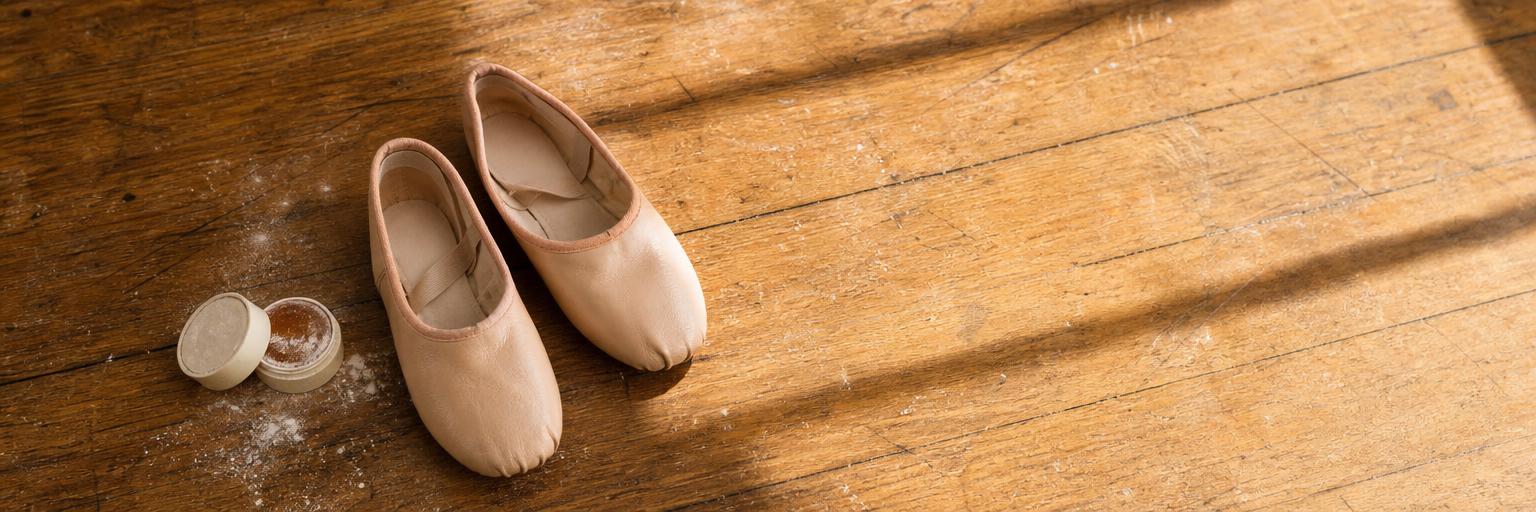
- Ballet class: Capezio Daisy 205 leather ballet slipper (~$26.50 brand-direct). Full suede sole, drawstring, leather upper. The adult version of the same beginner slipper that works for children. Runs 1.5-2 sizes smaller than street shoes for women. If your studio requires a specific brand, confirm before buying. The full-sole construction is correct for adult beginners: split-sole requires technique the first few months will build.
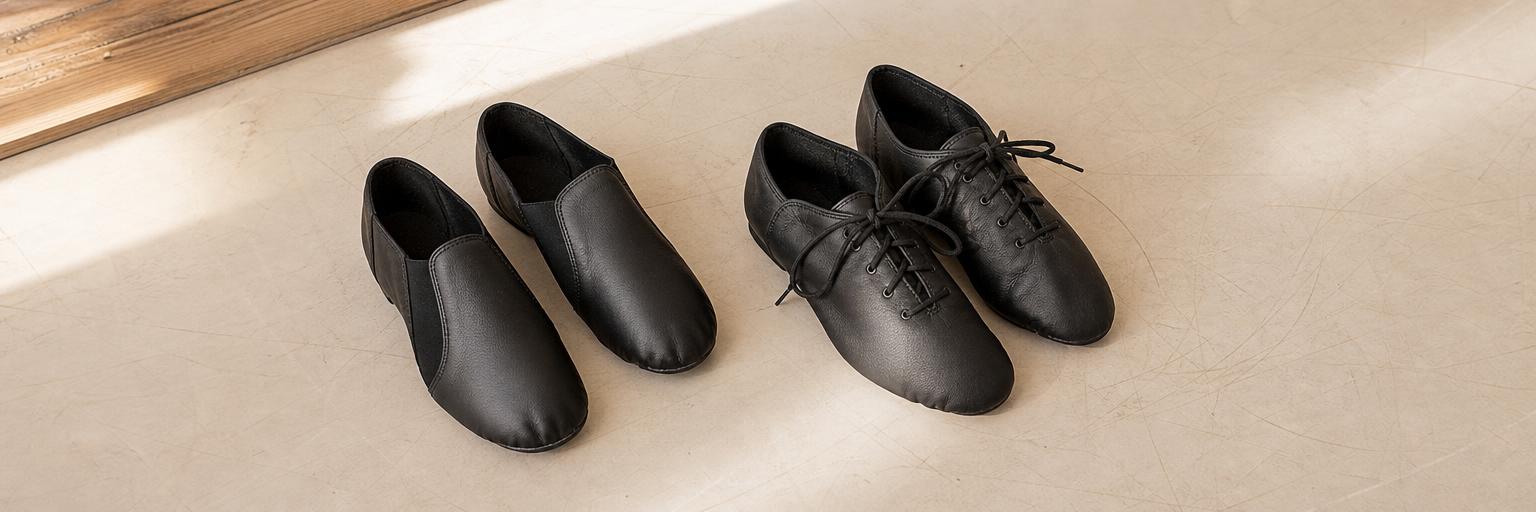
- Jazz class: Bloch Jazzsoft leather jazz shoe (~$47 at Bloch direct). Split-sole leather lace-up, the classic beginner-to-intermediate adult jazz shoe and the default most studios assume you will buy. The laces let you fine-tune the fit, which helps on a first pair. One counterintuitive thing to get right: Bloch's own size guide tells women to size UP about half a size (a women's street 8 orders an 8.5), so it is the rare jazz shoe that goes up, not down. Confirm your studio's requirement first: a few teachers want a full-sole jazz shoe for a true beginner's first season, but those are increasingly rare, and most modern leather jazz shoes (the Jazzsoft included) are split-sole.
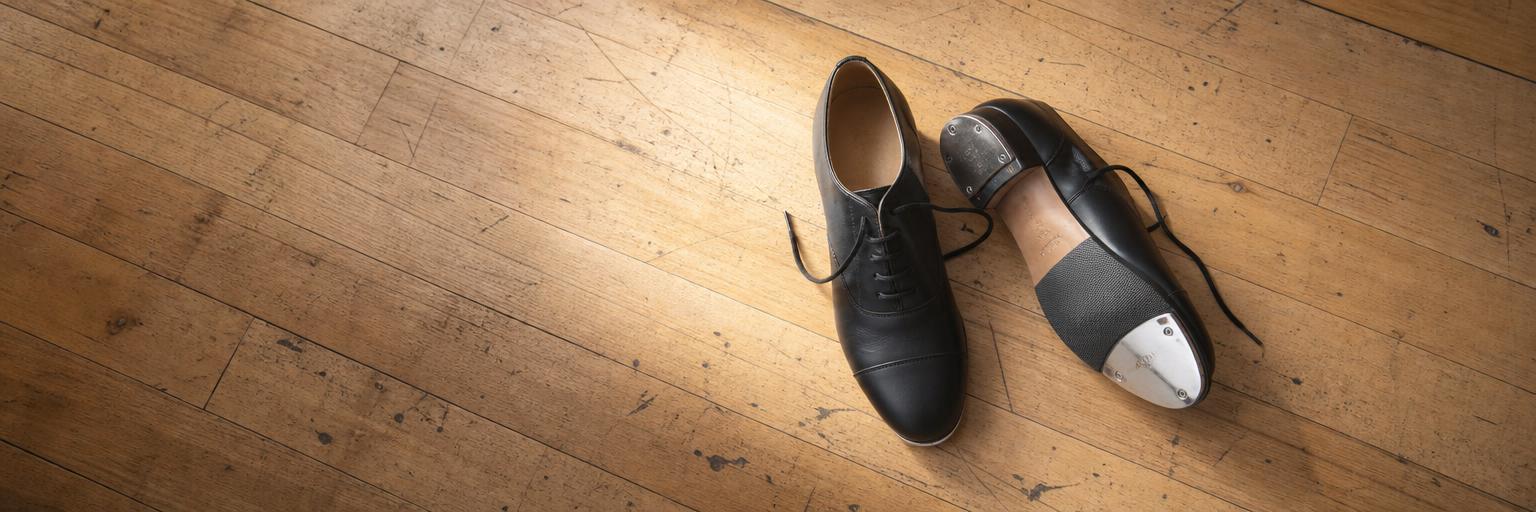
- Tap class: So Danca TA20 Oxford Tap Shoe (~$70.20 at DancewearCorner). Lace-up oxford, vegan leather upper, genuine leather sole with resonating boards, screwed-on metal taps. The right adult beginner tap shoe that also transitions to intermediate class without replacement. Adult sizing starts at 3M. Runs small: order same as street shoe or half a size up. If your feet are smaller than Adult 3, ask the teacher whether the beginner tap (Jr. Tyette) is the right bridge.
How to choose
- Read the studio dress code before buying anything. Adult classes sometimes specify brand, color, heel height (for character shoes), or sole type. A generic 'jazz shoe' requirement means any split- or full-sole jazz shoe is acceptable; a brand-specific requirement means that brand.
- Size by the brand's own chart, not your street shoe. Ballet slippers for women run 1.5-2 sizes smaller than street shoes for most brands. Jazz shoes run 0.5-1 size smaller. Tap shoes often match street size or run small by half a size. Character shoes frequently track street size or go up by 0.5 in women's. The chart the retailer publishes for that specific shoe is the correct input, not your general size experience.
- Width is the adult-specific trap the size chart hides. Dance shoes are built on a narrow last, and an adult foot that has spread over the years often needs a wider fitting than the chart's length number alone will give. Some adult styles list both M and W widths: the So Danca TA20 tap shoe comes in M and W, for example. If your street shoes run wide, look for a shoe with a W option and order that rather than sizing up in length, because a longer narrow shoe still pinches across the ball while gapping at the heel.
- Coming back after years away? Don't dig the old pair out of the closet. A returning adult's first instinct is to reuse the shoes from high school or college, and they are almost never the right shoe to start back in. Leather that sat in a box dries out and cracks at the flex point, suede soles harden and glaze until they grip like glass, and elastic and drawstrings perish and lose their stretch, so a pair that looks fine on the shelf can fail in the first class. Your feet have changed too. Adult feet tend to spread wider and drop in arch over a decade or two, often coming up a half size longer, so the size that fit at seventeen rarely fits now. And if you are rebuilding technique from scratch, the split-sole you graduated to as an advanced teen is the wrong tool again. You want the full-sole beginner slipper this guide starts with. Treat the comeback as a fresh first pair, not a reunion with the old one.
- For ballet: full-sole is the correct beginner choice. Split-sole slippers are for dancers with technique who want floor contact for advanced work. A full-sole slipper holds its shape better while you build technique. One budget trap catches confident adult shoppers who go straight for the lowest price: the cheapest specialty ballet flat you will find, the So Danca stretch canvas Bullet BA45 at about $15, is a split-sole turning shoe, not a full-sole beginner slipper, so it is the wrong shoe for most first classes even though it rings up cheapest. The real budget full-sole pick is the leather Capezio Daisy at about $26.50 or the Bloch Dansoft at about $22. Buy drawstring, not elastic: drawstrings fit adult arches more precisely. Our beginner ballet slipper review walks through the full-sole versus split-sole call in detail.
- For jazz: a leather split-sole lace-up like the Bloch Jazzsoft is the standard adult beginner shoe and what most studios assume you already own. Lace-ups let you adjust the fit on a first pair, which matters more than chasing a slip-on's cleaner line before you know your dance size. A few teachers prefer a full-sole jazz shoe for a true beginner because it gives more floor feedback, but full-sole leather jazz shoes are increasingly rare, so confirm what your teacher wants before ordering.
- For character and musical theatre: the standard beginner character shoe has a 1.5-inch stacked heel and comes in tan or black. Buy only after the teacher confirms heel height and color. Adult foot width matters here: character shoes tend to run narrow for wider feet. The Capezio Jr. Footlight 550 is the widely available 1.5-inch starter, sold in adult sizes despite the Jr. name, at about $51. A 2.5-inch theatre shoe like the Bloch Splitflex (about $142) is a deliberate step up for stage work, not a first-class default, so do not let a taller heel sneak into a beginner order.
- Return policy before you remove the tags. Dance shoes often cannot be returned after being worn on any surface. Buy from a retailer with an exchange-not-just-return policy: DancewearCorner, Capezio direct, and Bloch direct all offer exchanges on eligible unworn items. Test the fit on carpet or a clean indoor surface before touching a hard floor.
Skip it if
- Don't reach for a slip-on jazz shoe sight-unseen on a first pair, especially with a wide or hard-to-fit foot. A lace-up like the Jazzsoft adjusts to the foot; a slip-on either fits or it doesn't, and a first-timer rarely knows their dance size yet. Buy leather over canvas too: it lasts through weekly class and holds its shape.
- Don't skip the size chart. Every adult who has worn shoes for 30+ years trusts their size. Dance shoes will teach you otherwise. Ballet slippers that feel snug in the store will feel correct on the barre. Jazz shoes that feel slightly tight will break in to fitting correctly. Shoes that feel comfortable immediately in a dance shoe context are usually too large.
- Don't buy before reading the studio's exact requirement. 'Black jazz shoes' means different things at different studios. Some allow leather or canvas, some specify only leather. Some specify low or no heel, some do not. A 10-minute email to the studio saves a $50-70 non-exchangeable purchase.
- Don't buy a competition or performance shoe as your first class shoe. Musical theatre audition character shoes with higher heels, performance-dyed tap shoes, and pointe shoes are not class shoes. Class shoes are functional and worn every week. Read the class requirement, not the performance requirement.