Fall 2026Convention & costume-order season
Dance shopping you can stop second-guessing.
We name the pick, the price, and the return window. Every style, every age.
On the desk right now
Costume invoices are landing.
Fall is convention season and the costume-order window at once. Here's what we'd have open.
Costume invoiceThe costume invoice just landed. Is it normal?Separate the base cost from the accessories, check for a resale option, and ask about a payment plan before you pay.Read it →
- SizingWhat size costume to orderMeasure today, size up when between, and order to the largest measurement.
- ConventionsMaster class and convention prepThe dancer number, the scholarship audition, and what to actually pack.
- CircuitsThe dance convention landscapeWhich faculty teach which circuits, so you plan the season on purpose.
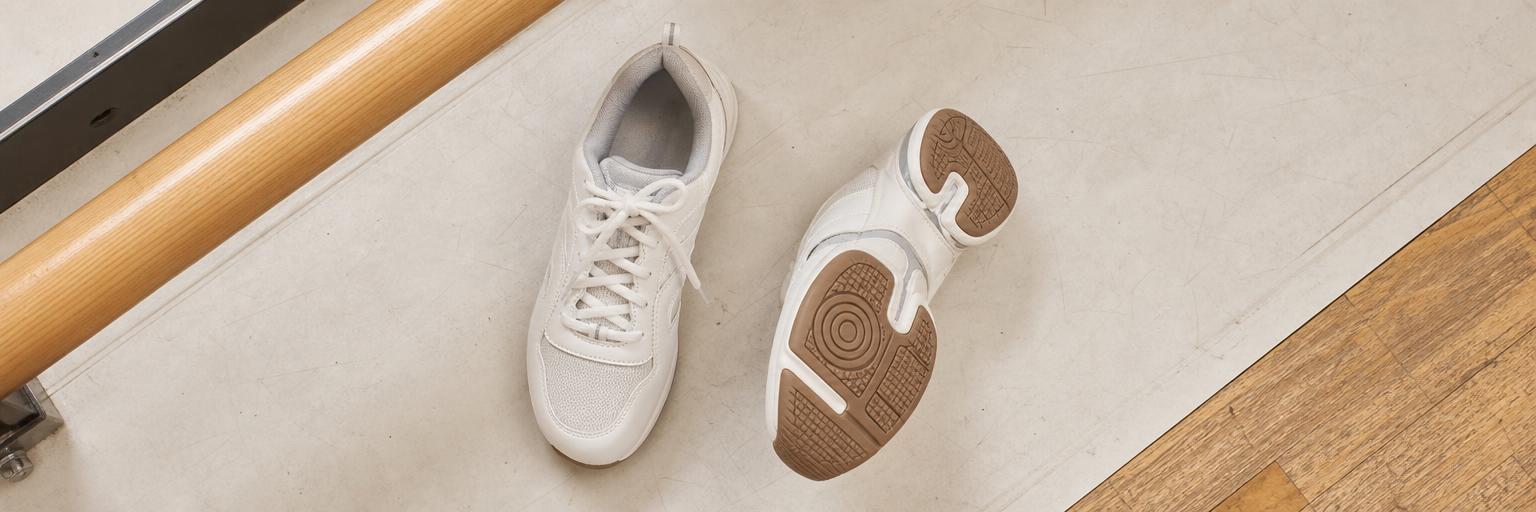
01Character Shoes For Recital And Musical TheatreThe hardest part of buying character shoes isn't picking a brand, it's reading the costume sheet right. A 'tan T-strap' from one studio is a 1.5-inch Capezio. From another, it's a 2.5-inch Bloch Splitflex. They are not the same shoe, they are not the same price, and one of them will get your kid pulled from the lineup. Here's what to ask, what to buy, and which sellers actually let you try the shoe on at home before they take your money.Read the review →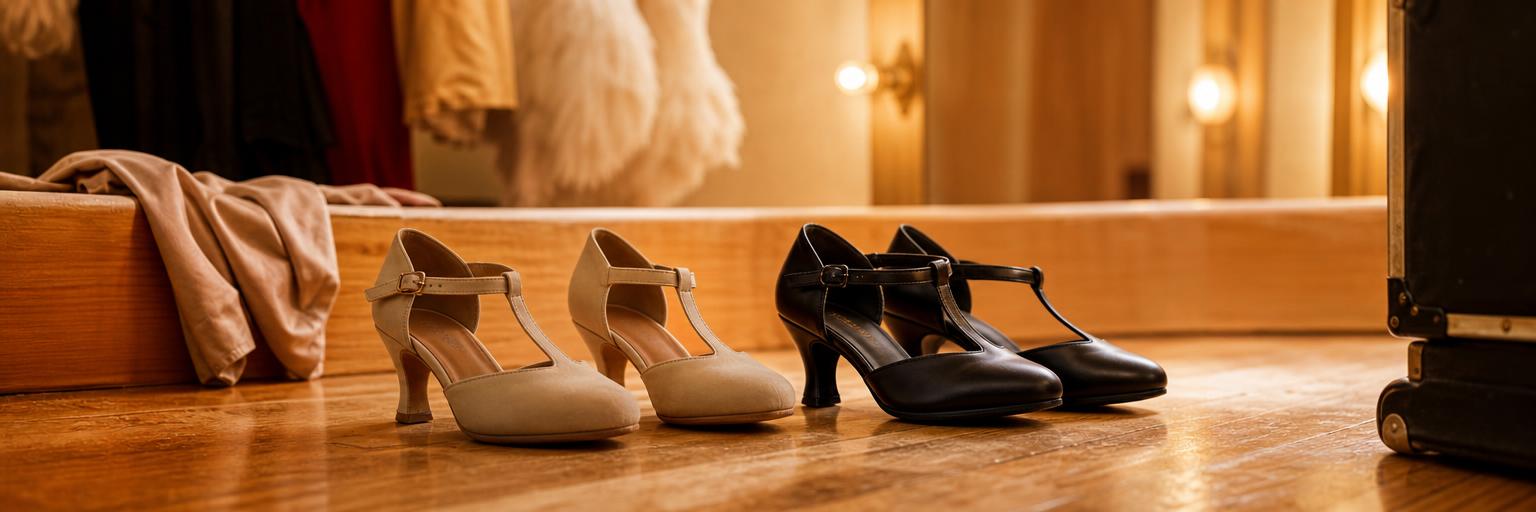 02Dance Sneakers For Class, Rehearsal, And TurnsThere is no single best dance sneaker. Anyone telling you otherwise hasn't watched the same dancer wear three pairs and hate two. A hip-hop class, weekly turn drills, an adult salsa night, and the realistic 'walk from the parking lot then dance' problem each need a different shoe. So start with where this shoe will actually live. Your studio floor, the social bars you go to, whether you'll wear it outside. Nail that down before you look at brand or price.Read the review →
 03Dance Floors And Shoe Care For PracticeFloor purchases are the easiest place in dance to overspend. A $575 portable floor sounds like the responsible choice until you realize your kid just needs a $99 turning disc, or that a $35 suede brush would have fixed the problem. The trick is naming what's actually wrong. Apartment-tap-noise, social-floor-friction, slipping in a pirouette, and a home-studio buildout are four different problems with four different answers. Get the diagnosis right and the rest is just shopping.Read the review →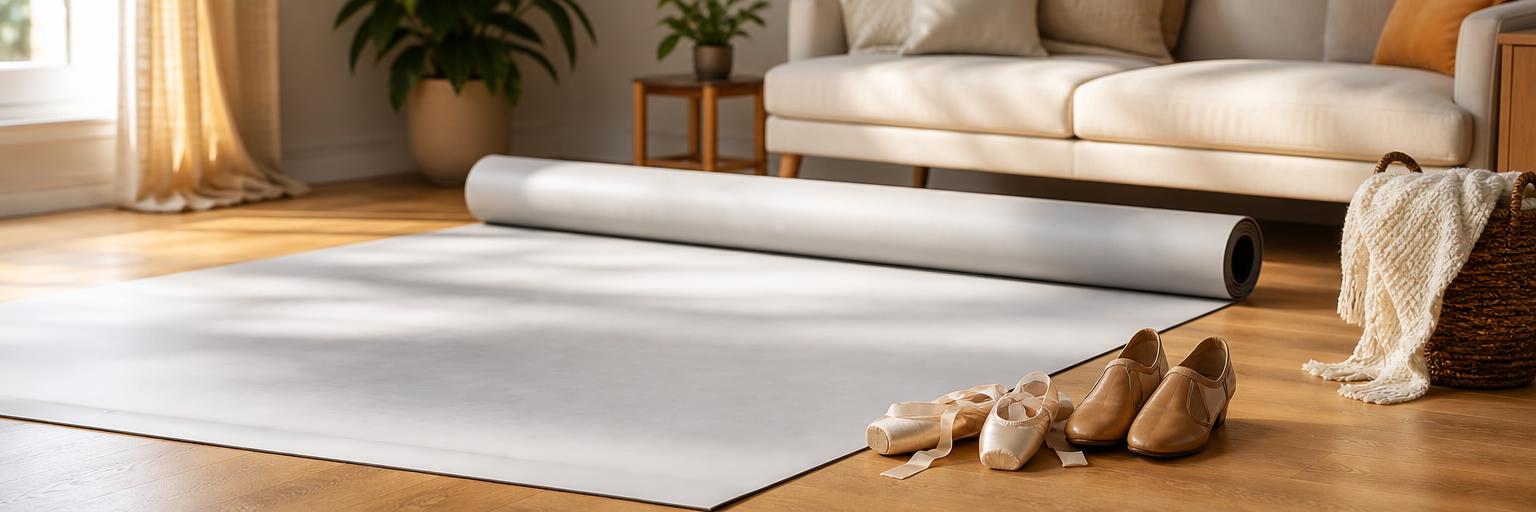
02Dance Sneakers For Class, Rehearsal, And TurnsThere is no single best dance sneaker. Anyone telling you otherwise hasn't watched the same dancer wear three pairs and hate two. A hip-hop class, weekly turn drills, an adult salsa night, and the realistic 'walk from the parking lot then dance' problem each need a different shoe. So start with where this shoe will actually live. Your studio floor, the social bars you go to, whether you'll wear it outside. Nail that down before you look at brand or price.Read the review →03Dance Floors And Shoe Care For PracticeFloor purchases are the easiest place in dance to overspend. A $575 portable floor sounds like the responsible choice until you realize your kid just needs a $99 turning disc, or that a $35 suede brush would have fixed the problem. The trick is naming what's actually wrong. Apartment-tap-noise, social-floor-friction, slipping in a pirouette, and a home-studio buildout are four different problems with four different answers. Get the diagnosis right and the rest is just shopping.Read the review →Some answers you run, not read.
Type in the shoe, the floor, the season, or the worn-out pair. These do the math a buying guide can't do for your exact dancer, in about a minute.
01Cross-Brand Dance Shoe Fit FinderDance shoes almost never match street shoe size, and the offset swings by style and brand, sometimes down a size or two, sometimes up. Tell us your dancer's everyday shoe size and the style you are buying, and we give the starting size in Capezio, Bloch, and So Danca, with the brand quirks and the in-between rounding call. Pointe is fitter-only, and we say so.Open the tool →02Hidden-Cost Dance Season PlannerSee the real cost of a dance season laid out month by month, not just the tuition. Enter what your studio charges for registration, costumes, recital, and competitions, and we build a cash-flow timeline that shows exactly which months spike and what the full-season total comes to, so the spring bills are on your calendar in the fall. We never invent a studio's fees, and the recreational track is honest that you do not need the competition extras.Open the tool →03Replace-or-Not Dance Shoe AssessorBefore you rebuy a dance shoe, check whether you actually need to. Pick the shoe type and the wear you can see, and we return the cheapest honest fix first: a $10 suede brush for a glazed sole, a drop of threadlocker for loose taps, a $40 resole before a new pair. We only say replace when a shoe is outgrown or structurally failed, because those are the two things care cannot fix. Pointe stays a fitter conversation.Open the tool →04Home Dance Floor SelectorFloors are the easiest place in dance to overspend. Tell us what you are actually trying to do at home, make your current shoes last, practice turns, fix a grippy floor, drill tap, or build a real studio, and we point you to the right answer and lead with the cheapest one. Most of the time that is a $12 brush or a $99 turn disc, not a $400 floor. We only send you to a real buildout when you genuinely need one.Open the tool →
Or just ask the thing you came to ask.
Not every dance question starts with a product. Sometimes it's a deadline, a costume invoice that makes no sense, or one specific thing the buying guides don't cover.
- First classWhat does my child need to wear to their first dance class
- Shoe fitHow do I know if my dance shoes fit correctly
- DeadlineDance recital shoe shopping on a deadline
- BudgetHow much does the first year of dance cost
- Shoe typesWhat is the difference between jazz shoes and character shoes
- Comp teamMy child was just invited to join the competition team. What do I need to buy?
No filler. No invented winners. No paid placements.
Browse all 35 reviews →