Quick answer
What does my child need to wear to their first dance class
When you enrolled her in Tuesday's combo class, the enrollment packet says 'appropriate dance attire' with no specifics, and you do not want to spend $80 on the wrong leotard.
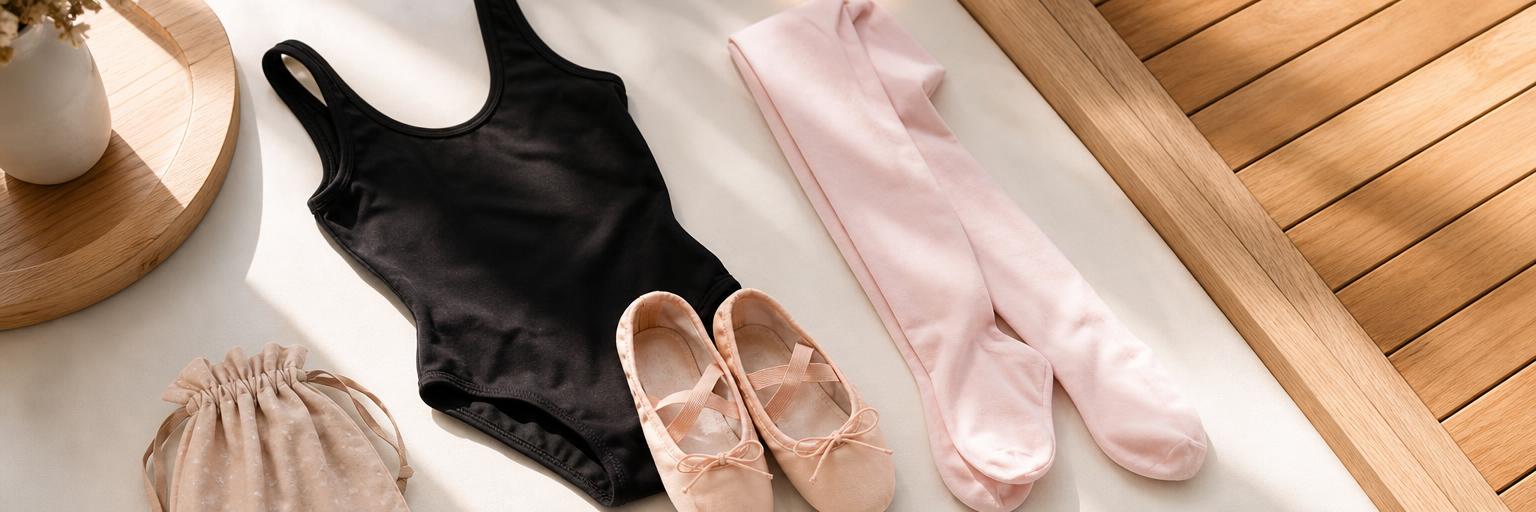
Quick read
Find the studio dress code before you buy anything. It almost always specifies the exact leotard color, tights, and footwear, even when the enrollment packet just says 'appropriate dance attire.' The universal beginner kit is a fitted leotard in the studio's required color, dance tights (not department-store tights), hair secured off the face, and the shoe that matches the style. What changes by style is the detail: ballet wants pink footed tights and a bun, tap and jazz often allow a black leotard with fitted shorts or jazz pants, hip-hop usually allows fitted athletic wear and clean indoor-only sneakers, acro requires fitted attire plus secured hair (and often knee pads), and boys wear a fitted top with dance shorts or pants instead of a leotard. Buy only what the first class requires, then adjust after the teacher sees your child.
Gear for this situation
What to do
- Find the studio dress code before you buy anything. Look on the studio website (usually under 'Classes', 'Policies', or 'Dress Code'), in the welcome email, or in the enrollment packet. Most studios are specific: a particular leotard color, pink tights, hair in a bun. Some studios sell their own required leotard and substitutes aren't accepted. This single step prevents every other mistake on this list.
- Start from the universal beginner kit, then adjust by style. Almost every first class wants four things: a fitted leotard in the studio's color, dance tights (not department-store tights), hair secured off the face, and the shoe that matches the style. The rest of this list is how that kit changes for ballet, tap, jazz, acro, hip-hop, and boys. Footwear has its own decisions, so pair this with the shoes-by-style guide.
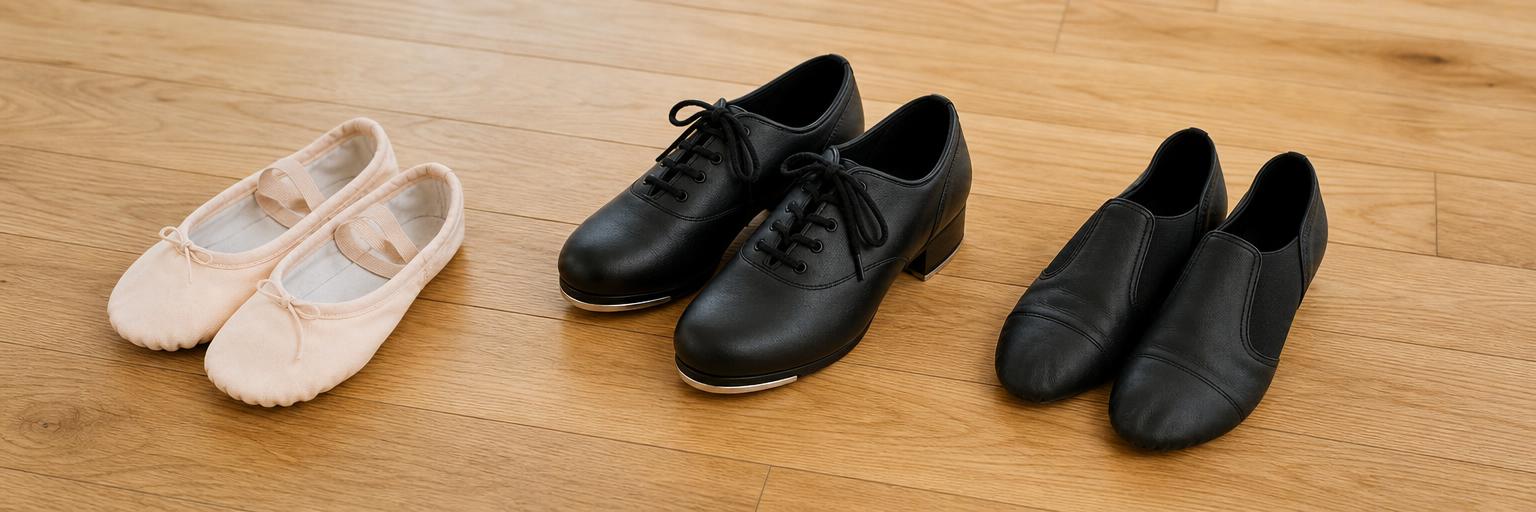
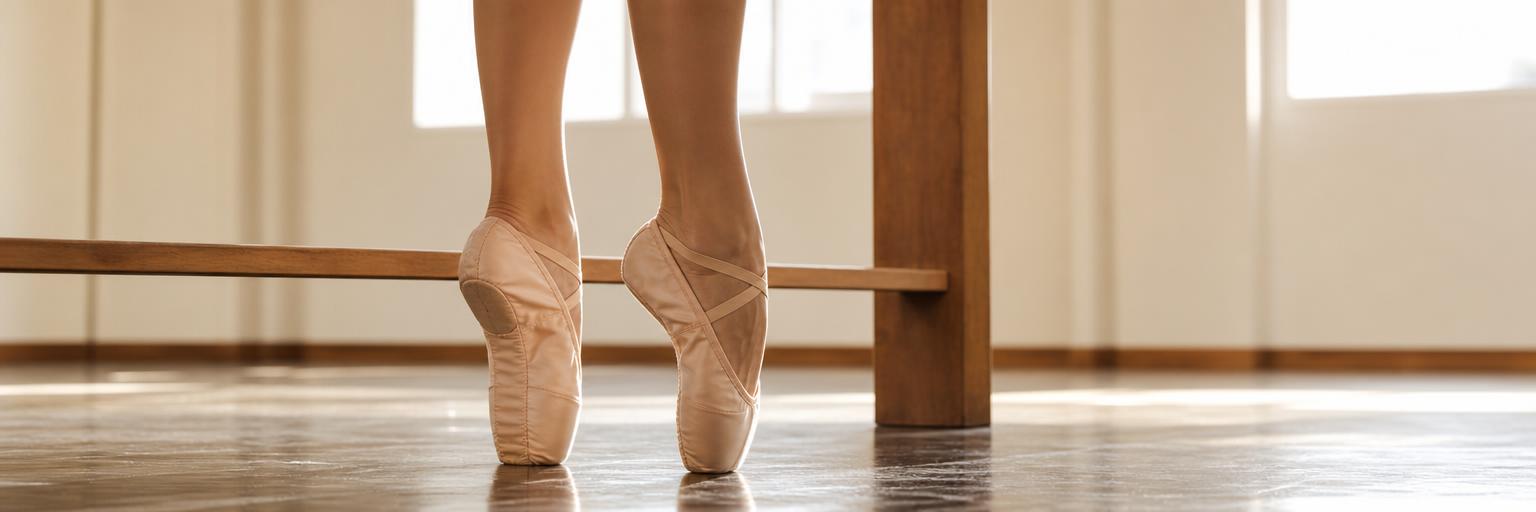
- For ballet: a solid-color leotard in the required shade (often pink or lavender, sometimes assigned by level), Ballet Pink footed tights (not convertible, not footless), pink canvas full-sole slippers, hair in a bun, and no jewelry. Ballet has the tightest dress code of any beginner style, so confirm the exact leotard color before ordering, because a wrong color reads as out of uniform on day one. Leotards and class uniforms guide has sizing and seller notes.
- For tap and jazz: many studios require a black leotard or a fitted top with fitted shorts or jazz pants. The one firm rule is fitted clothing the teacher can see the feet and ankles through: no loose pants, long skirts, or baggy shirts that cover the line. Tights requirements vary (footed, bare legs, or a specific color), so confirm before buying. Jazz and tap attire is usually interchangeable; the shoes are not.
- For acro: fitted attire is a safety and teaching requirement, not a preference, because the teacher watches hip and shoulder alignment through inversions. Use a leotard or a fitted top with fitted shorts or leggings, fully secure the hair (a half-up style or single clip falls into the face during handstands), and ask the teacher whether knee pads are required. If they are, buy thin dance-specific elastic sleeves, not thick volleyball or basketball pads. Dance knee pads guide covers the right style.
- For hip-hop: most classes allow fitted athletic wear (fitted leggings or shorts and a fitted top) rather than a leotard, plus clean indoor-only sneakers with non-marking soles. Designate a pair that never goes outside. One trip across a parking lot tracks in grit that scuffs and damages studio floors. Confirm with the teacher whether everyday sneakers are accepted or a dance sneaker is expected; serious hip-hop and convention-track programs usually want an actual dance sneaker (split-sole, with a pivot point in the forefoot), and the dance sneakers guide covers the difference and what to buy when the teacher says no to street sneakers.
- For boys: the shoe categories match the girls' list (ballet slippers for ballet, tap for tap, jazz for jazz) but in boys' sizing and oxford or lace-up styles, never Mary Jane or T-strap. For tap and jazz, that usually means black leather lace-ups in his foot size; ballet slippers are typically black or white canvas. Attire is a fitted tank or dance shirt with fitted dance shorts or pants, not a leotard or baggy gym clothes. For technique-focused ballet programs, ask the teacher whether a dance belt is required. It is the most commonly missed item because it is rarely on the printed list. Boys' and men's dance shoes guide covers styles and sizing.
- If your dancer is in the youngest group (creative movement, pre-ballet, or a 'tot' or 'tiny' class, roughly ages two to five), relax the rules above unless the studio says otherwise. These classes are built to be playful, not precise, and most studios keep the dress code loose on purpose: a comfortable leotard or even soft movement clothes, often any color, sometimes no shoes or just simple slippers, and a ponytail rather than a full bun. The strict ballet-pink-and-bun code in the sections above is usually a school-age expectation, so don't buy it for a three-year-old until you have confirmed it applies. The one thing worth planning for at this age is the bathroom. A leotard worn over footed tights is close to a full undress for a little one, which is how mid-class accidents happen, so take her to the toilet right before class every week rather than trusting she will manage it during. If your studio allows convertible tights for the youngest classes, and many do even when they require footed tights for the older levels, the foot opening makes a quick bathroom trip far easier on a child who is newly or not-quite potty trained.
- Buy dance tights, not department-store tights. Dance tights move with the foot and won't slip or run the way fashion tights do. Most beginner ballet classes want Ballet Pink footed tights, but 'pink' can mean theatrical pink, ballet pink, or light pink, and they look different in class photos and on stage, so confirm the exact shade. Size by the brand's height and weight chart, not clothing size, and buy two pairs so a run doesn't end your coverage. Dance tights guide has color, sizing, and seller notes.
- Sort out the underwear question before day one, because it is the thing first-time parents ask the front desk most and the printed list never answers. Dance tights are made to be worn as the underlayer, so the standard at most studios is no underwear under footed tights once a child is reliably potty trained, because a panty line shows through tights and a fitted leotard, and underwear edges ride up and bunch during splits and high kicks. A leotard has a lined gusset, so over bare-legged or convertible tights she is still covered. The exceptions are real, though. The very youngest, newly or not-quite potty-trained dancers usually do wear underwear and most studios expect it at that age, and if you want it for an older child, reach for a seamless or dance-specific brief in nude or a matching color rather than regular cotton with visible seams. If you are not sure what your studio prefers, it is a completely normal thing to ask, and the front desk answers it every September.
- Practice the hair before the first class. For ballet and acro a bun is almost always required; for other styles a secure ponytail is usually fine. A bun that falls out mid-class is more disruptive than the wrong leotard color. Practice at home the night before using bobby pins, a hair net, and gel or spray. The dance hair kit guide covers how to build a bun that stays.
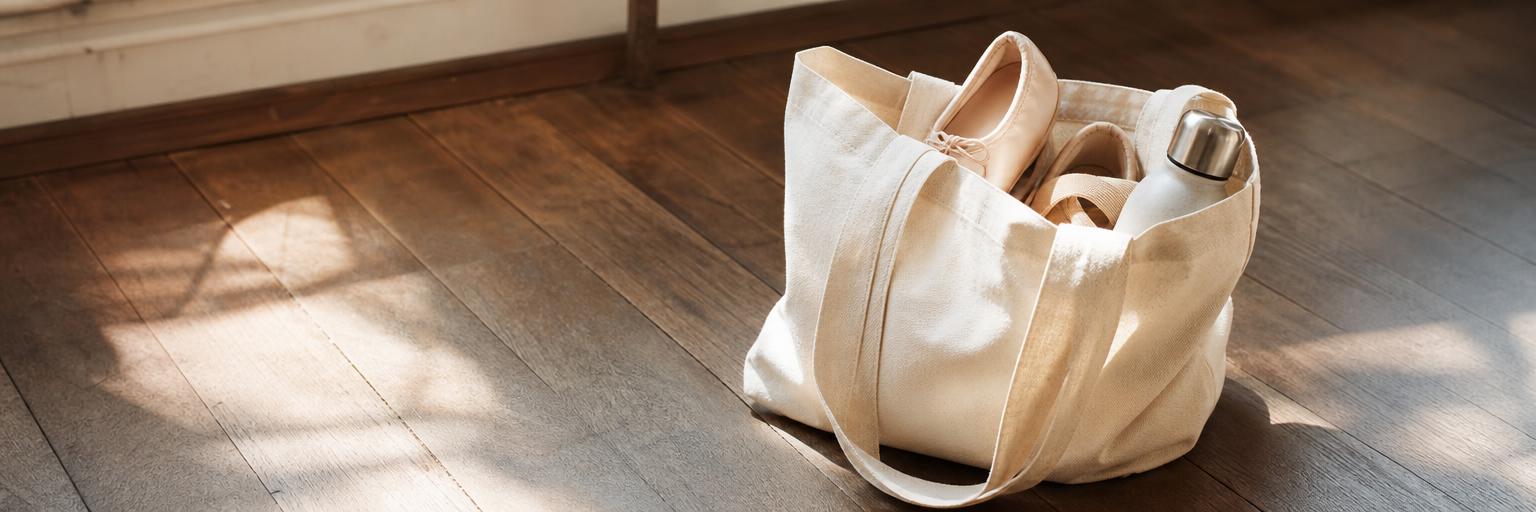
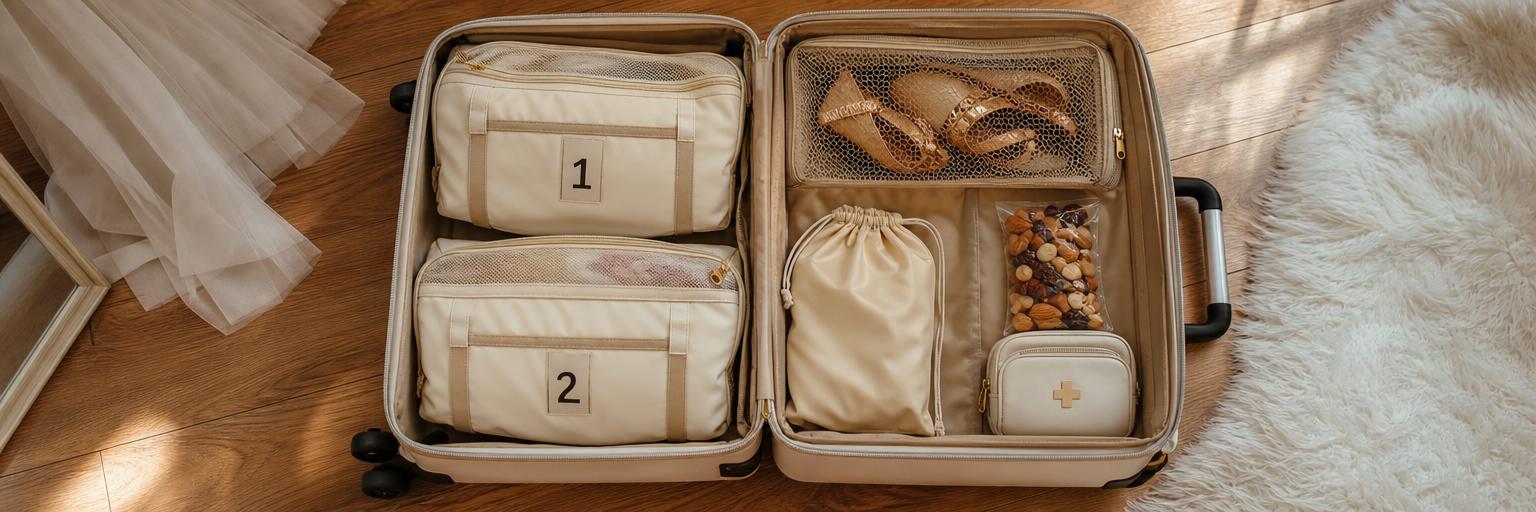
- Label everything with your child's name before day one, then pack the small stuff in one named bag. In a beginner room full of identical pink leotards and the same canvas slippers, anything unlabeled becomes someone else's by week three. Write her name on the inside tag of the leotard, inside both shoes, and on a refillable water bottle. Have her carry the dance shoes and change into them at the studio rather than walking in wearing them, since one trip across the parking lot grinds grit into the sole. For the very first class, arrive five or ten minutes early so there is time for the bathroom, the shoes, and finding the right room without starting the day in a rush.
- For the first class, buy only the required basics: one leotard in the right color, one pair of dance tights, and the one shoe the class requires. Don't buy warmup layers, dance bags, or accessories yet. A backpack or tote you already own carries shoes and a water bottle just fine for the first month; our first-class dance bag walk-through explains when an actual dance bag becomes worth buying and what goes in it. If your child continues and the studio adds requirements (a recital costume fee, a competition uniform, a specific warmup), you'll be notified with exact specifications. Buy one outfit for the first class and adjust after the teacher sees your child.
Common mistakes
- Don't buy the wrong color. Studio dress codes specify leotard colors so all students look consistent in class and at recital. A purple leotard in a pink-required class is visually wrong and the teacher may ask you to replace it before the next class. Ballet is the strictest: some studios assign a specific color by level.
- Don't use department-store tights. Fashion tights and opaque hosiery don't fit dance shoes correctly, run faster, and look wrong under stage lighting. Buy dance-specific tights from a dance retailer in the exact color the studio specifies, and buy two pairs.
- Don't dress a boy in baggy gym clothes, and don't skip the dance-belt question. Dance technique requires the teacher to see body alignment, so fitted dance shorts and a tank are the requirement, not loose athletic gear. For ballet programs, regular cotton underwear under tights creates a visible problem. Ask about a dance belt before day one.
- Don't put a child in loose pants or a skirt that covers the feet for tap, jazz, or acro. The teacher corrects footwork and ankle position by watching the feet, and loose clothing hides exactly what they need to see. Fitted is always correct for technique classes.
- Don't overbuy before the first class. The first class reveals requirements you didn't know about: a specific leotard the studio sells, a required hair accessory, a particular shoe style. Buy the basics now and wait for the teacher's feedback before adding anything.
- Don't skip the bun practice. A first-class bun disaster is more stressful than the wrong outfit, and for acro a falling bun is a safety problem during inversions. Practice at home before the first day with a hair net, multiple bobby pins, an elastic, and gel or spray.