Quick answer
How do I know if my dance shoes fit correctly
When the Capezio Daisy 205s just arrived in size mid-child 12, her toes look pressed against the front, the brand's chart still says to size down, and dress rehearsal is Tuesday.
Quick read
Dance shoes should fit tighter than street shoes but not painfully. The right fit: toes close to the end but not jammed, heel stays put on relevé, no slipping across the ball of the foot during movement. Different styles size differently: ballet slippers run 1-2 sizes smaller than street shoes, jazz shoes run half a size smaller, character shoes track close to street sizing but vary by brand. The carpet-try-on rule: always test fit on hard floor, not carpet. Carpet compresses the sole and makes a too-large shoe feel like it fits.
Gear for this situation
What to do
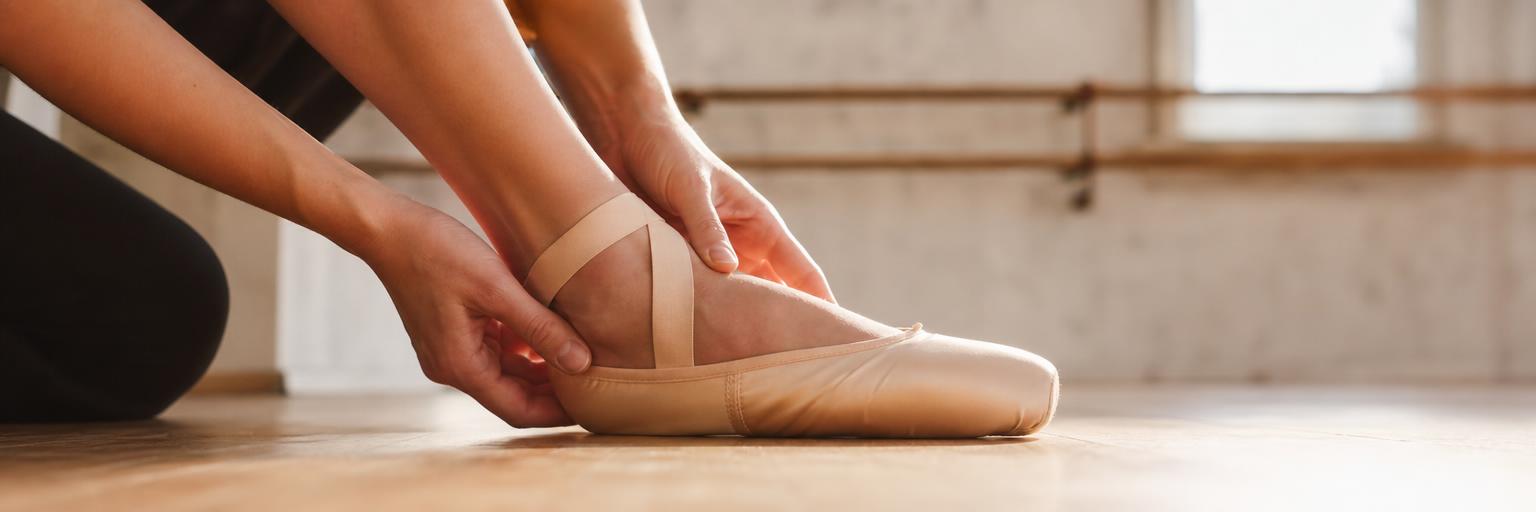
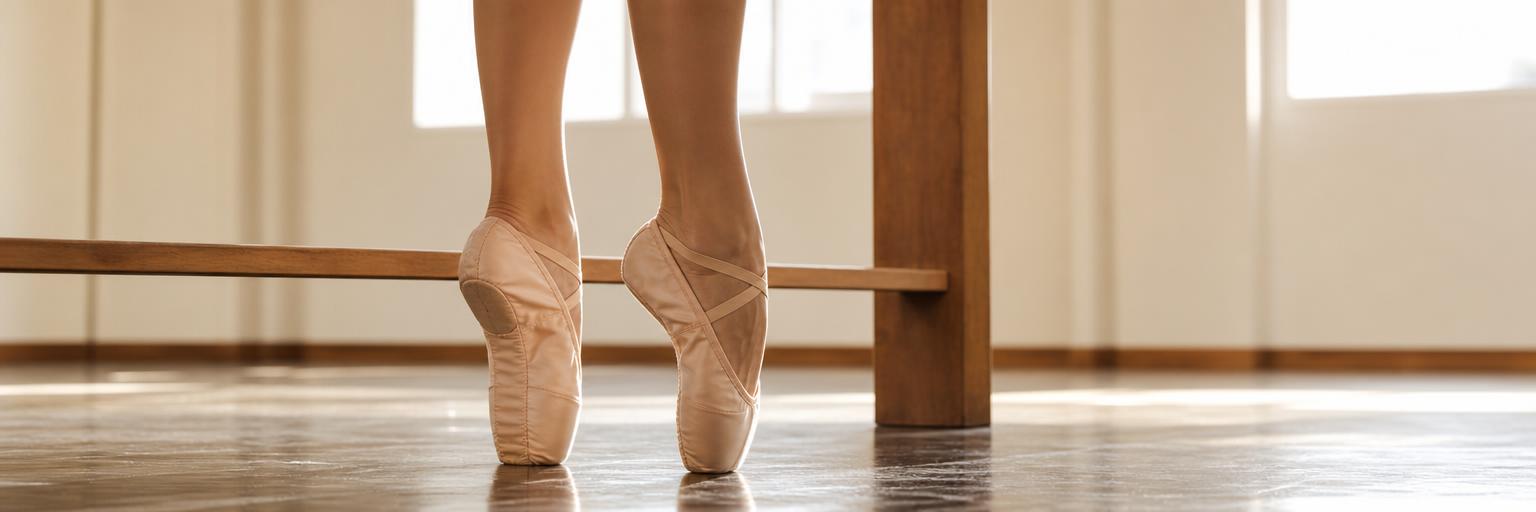
- The snug test: put the shoe on and stand flat-footed. Your toes should be close to the end of the shoe with a half-thumbnail of space at most. Curl your toes. If you can't uncurl them fully, the shoe is too short. Now check the heel by going up on your toes (on relevé or on the balls of your feet). The heel should stay close to the shoe. If it pulls away more than half an inch, the shoe is too long or too narrow. Toe room and a heel that stays put are the two things to check on any dance shoe. Everything else is comfort.
- Fit the shoe over what she will actually dance in, not bare feet at the kitchen table. Tights and socks change the fit enough to throw off the snug test. A ballet slipper tried barefoot can feel perfect, then slide once footed tights go under it, and a jazz shoe sized over a thick sock can pinch in a bare-foot class. Before you judge that half-thumbnail of toe room, put on the tights or the dance sock the studio actually requires, then test. The right fit is the fit she has in class, not the one she has standing in your living room.
- Walk, skip, and jump in the shoes before deciding. Street fit and dance fit are different things. A shoe that feels roomily comfortable standing still will slide on your foot during turns and relevés, causing blisters and making technique harder to execute. Dance shoes should feel comfortably snug at the ball of the foot when you're moving, not just when you're standing.
- The hard-floor rule: always test dance shoes on a hard surface, not carpet. Carpet compresses the sole and makes a too-large shoe feel snug. A shoe that fits on carpet often feels loose or sloppy on a studio floor. Walk to the cashier counter or any spot in the store that has tile, vinyl, or hardwood, and run the snug test there. If the whole store is carpeted, the test you actually need happens at home on a kitchen floor or hallway tile after the shoes arrive, which is why an exchange policy is the part of the order to confirm before you click buy.
- Check width separately from length. If the shoe feels tight across the ball of the foot but your toes have room, you need a wider width, not a longer size. Most dance brands offer at least narrow and medium widths; some offer wide. Bloch uses a letter sizing system (A through G); Capezio and So Danca use N/M/W. Dance shoes are built snugger and closer to the foot than a roomy kids' street sneaker, and some brands run notably narrow (Capezio documents the Jr. Tyette as narrow on its own product page), which is why a wide-footed dancer pinches at the ball even when the length is right. The fix is width, not length: a wider-cut brand or a published wide option, never a longer size, which only adds toe room and leaves the heel slipping on a rise. Which dance shoes actually fit a wide foot names the jazz, tap, character, and ballet models that publish or run wide so you stop guessing brand by brand.
- If you are ordering online and cannot try the shoe on first, measure the foot before you trust any size chart, because brand charts are keyed to foot length, not to her street size. Stand her on a sheet of paper with her full weight down, since a loaded foot spreads and measures longer than one held in the air, then trace around it and measure heel to longest toe, which is not always the big toe. Do both feet late in the day when they are at their largest and size to the bigger one, and measure the width across the ball too, because that is the number that decides narrow, medium, or wide. Read those measurements against the specific model's chart rather than a generic street-size conversion, and when she lands between two sizes on a snug style like a ballet slipper, the smaller one is usually right. That single measurement is what turns an online order from a guess into something a single exchange can fix, instead of two.
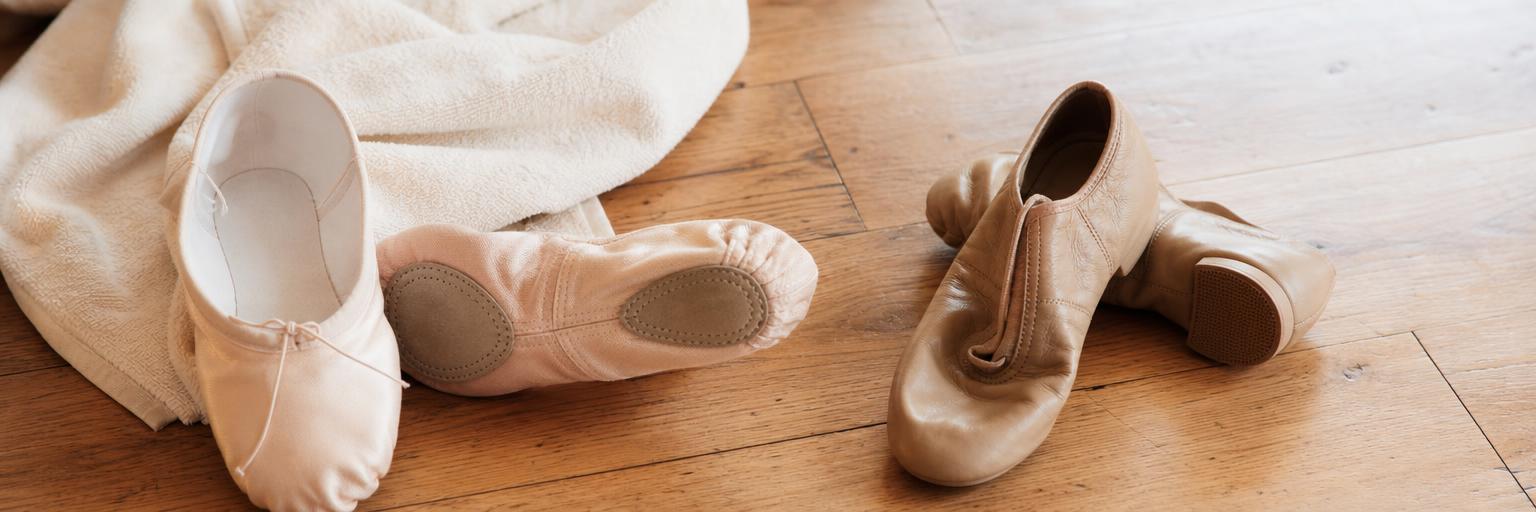
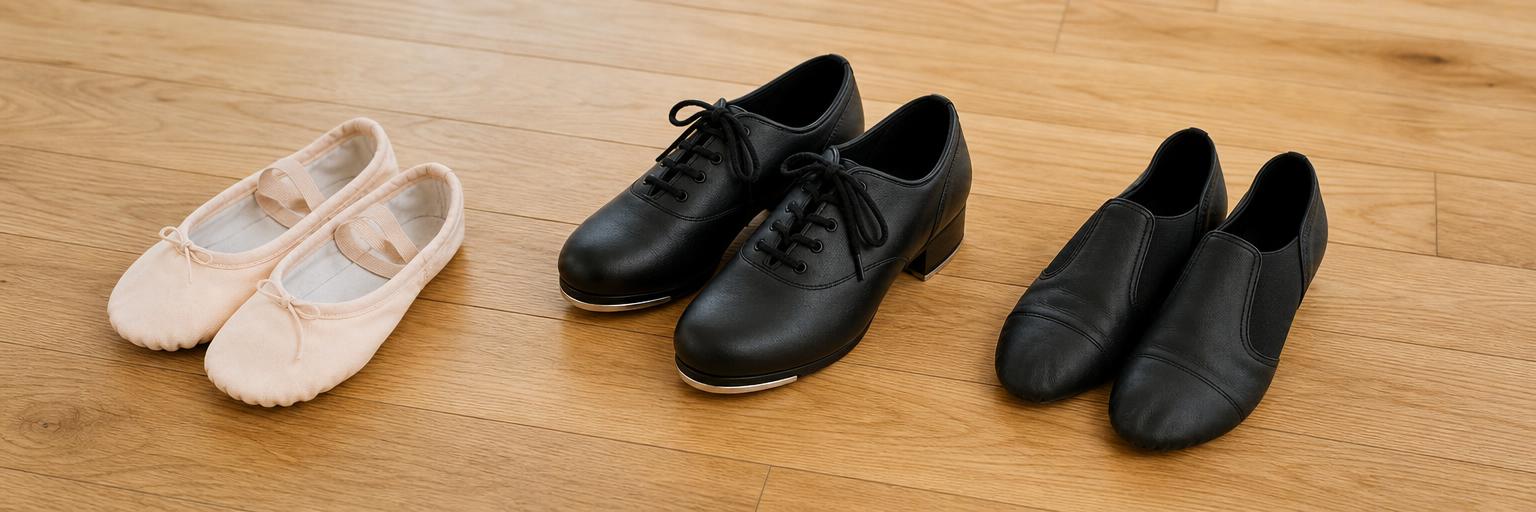
- Know the sizing rules for the style you're buying. Ballet slippers typically size 1-2 full sizes smaller than street shoes: a child in a street size 3 often wears a dance size 1 or 1.5. Split-sole jazz shoes typically size half a size to one full size smaller. Character shoes track close to street shoe sizing but vary by brand: read the brand's chart. Tap shoes vary most: some brands match street sizing, others run small. The brand's own size chart is the only reliable reference.
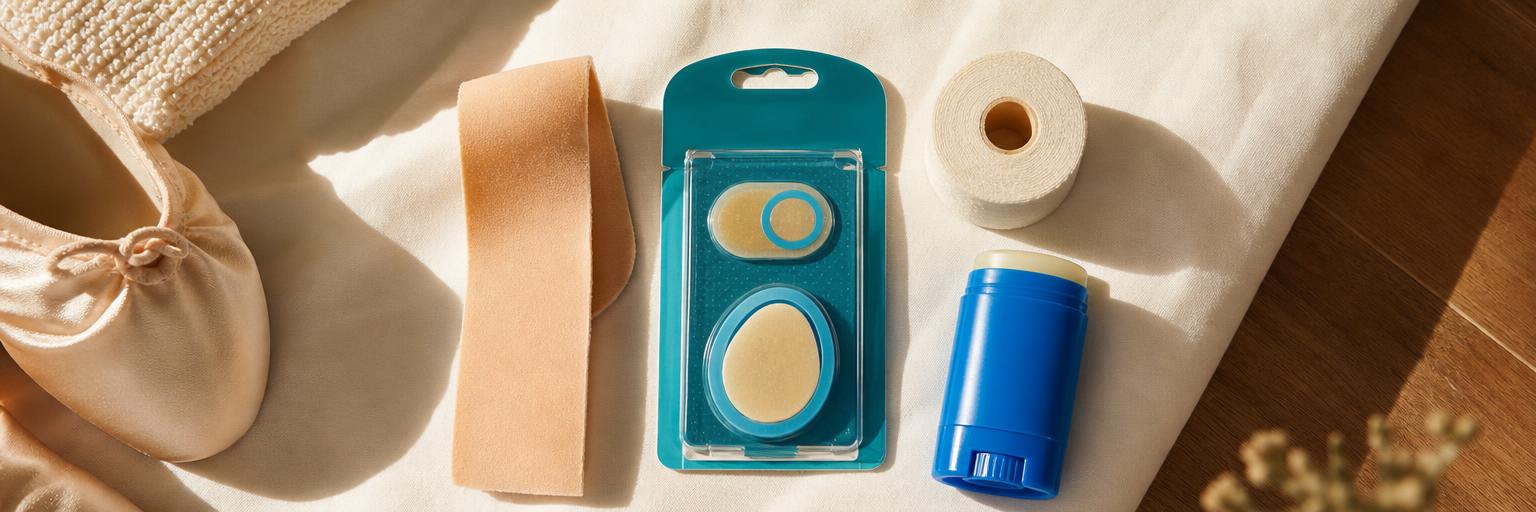
- When to exchange vs. when to break in: stiffness at the arch or toe box for the first 2-3 sessions is normal break-in. Toe pinching, toenail pressure, or cramped toes after three sessions is a wrong-size problem. Heel slipping on every relevé from day one is a wrong-size problem. A snug band of pressure across the ball of the foot that doesn't loosen after one or two sessions is a wrong-width problem. If you're past three class sessions and it still hurts or slides, exchange: breaking in a wrong-fit shoe doesn't work the way it does with street shoes. The break-in protocol by shoe type walks the actual stretch-and-soften moves for ballet, jazz, tap, and character so a normal stiff pair finishes its break-in instead of getting mistaken for a sizing mistake. And once a blister has already shown up, the blister rescue playbook diagnoses by symptom (heel slip versus toe pinch versus arch band) the same way this section diagnoses by fit, so the symptom maps cleanly to the size or width adjustment that fixes it.
- A shoe that fit in the fall will not fit all year, so re-check it, because the most common fit problem after the first one is a growing foot quietly outgrowing a shoe that was perfect in September. Run the snug test again every six to eight weeks on a young dancer, and sooner if you notice her street shoes jump a size, since feet tend to grow in spurts rather than creep. The tells usually show before she says anything: a toenail that turns tender or bruises dark, a red pressure line across the toes or the top of the foot after class, toes she has started curling again, or the end of the shoe visibly pressing where her longest toe sits. Any one of those means re-check now, not push through to the recital, because a season spent in a too-short shoe is how toenails and blisters start and how a kid quietly decides that class hurts. Her teacher will often catch it first, so when the studio says her shoes look small, treat that as the signal to re-measure, not a maybe.
Common mistakes
- Don't fit for growth. A dance shoe half a size too large causes blisters and makes technique harder to learn: the foot slides inside the shoe on every jump, relevé, and turn. Fit for the current foot. Most children need a new pair every 12-18 months anyway.
- Don't use street shoe size directly without checking the brand's chart. Ballet slippers typically size 1-2 sizes smaller than street shoes. A child in street size 4 may wear a dance size 2. Using street size as a starting point without the brand's conversion chart almost always results in shoes that are too large. Our shoe fit finder does the conversion for Capezio, Bloch, and So Danca in under a minute and hands you each brand's own chart to confirm against before you order.
- Don't buy from a seller without a size exchange policy for the first order. Dance shoe fit is genuinely hard to assess without trying the shoes on, and most first orders in a new style or brand require at least one exchange. Confirm the exchange policy before you order, not after.
- Don't assume last year's shoes still fit just because she has not said anything. Feet grow over summer when class is not catching the change, and a dancer who has been in the same shoes for nine months will normalize a too-tight fit and stop reporting it. Run the snug test on the returning pair in September before the first class, not in October after the first toenail starts to lift. The returning-pair walkthrough covers the wear-pattern checks alongside the fit check.