Quick answer
What shoes does my child need for their first dance class
When you enrolled her in Tuesday-night beginner ballet at 3pm, the welcome email said 'bring ballet slippers and tights' and nothing else, and her first class is in 6 days.
Quick read
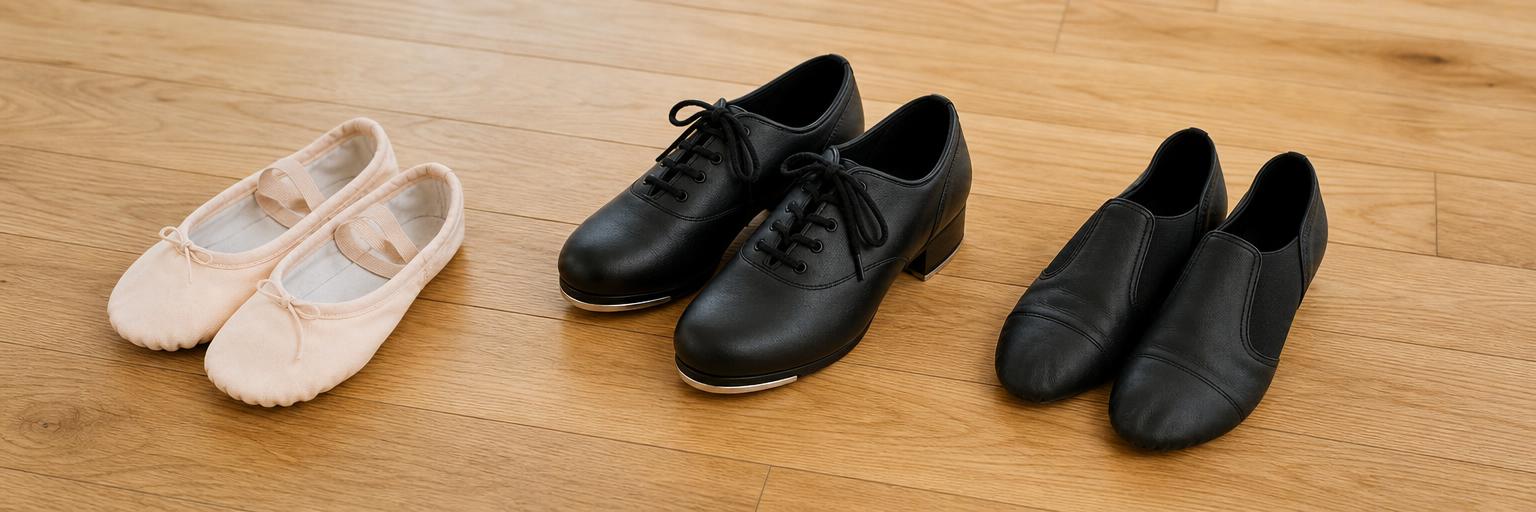
Call the studio before buying anything. They'll tell you the exact style and sometimes the brand. Then match the shoe to the style. Ballet uses canvas or leather slippers, tap uses leather tap shoes with metal taps, jazz uses a full-sole jazz shoe for beginners, and musical theatre uses a low-heel character shoe. The shoe for a hip-hop class is the common surprise: it is usually a clean, indoor-only sneaker, sometimes a dedicated dance sneaker, never a jazz shoe or bare feet, so ask whether the pair she already owns will do. Lyrical, contemporary, and acro often use bare feet, half-soles, or jazz shoes, so ask the teacher before buying for those. Whatever the style, buy from a dance retailer with a free exchange and size from the brand's own chart, not your child's street-shoe size.
Gear for this situation
What to do
- Call or text the studio before you buy anything. The studio specifies the shoe type and sometimes the exact brand: often because of a recital costume requirement or because a specific shoe works better on their floor. This one question eliminates most wrong purchases. If you can't reach anyone, check the welcome packet or registration confirmation. While you're asking, also ask whether the studio has a recommended retailer, a pre-filled bundle order, or a discount code with a local dancewear shop. Many studios do, and it's usually the fastest way to land the right shoe in the right brand in the right color without piecing it together yourself; an online search you do alone may turn up similar-looking shoes that don't match what the teacher actually expects.
- If your child is in a combo or creative movement class, expect to buy two shoes, not one. The most common first class for ages three to six is a combination class that does a little ballet and a little tap in the same hour, usually listed as something like Ballet/Tap Combo, Tiny Dancers, or Creative Movement. That means a pair of ballet slippers and a pair of beginner tap shoes, and the tap is almost always the buckle Mary Jane style at this age for fast on and off. Many studios set up a pre-filled order with a local dancewear shop or an online code for exactly that bundle, so ask whether there's a class list before you piece it together yourself. If the class name lists only one style, you only need that one shoe.
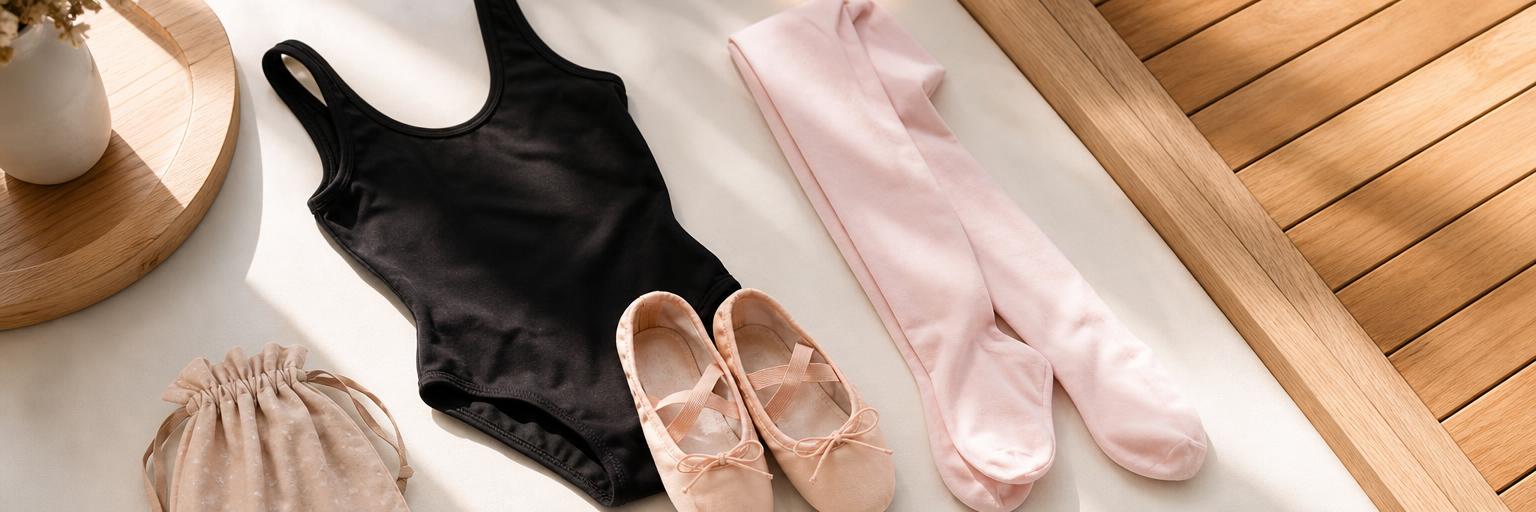
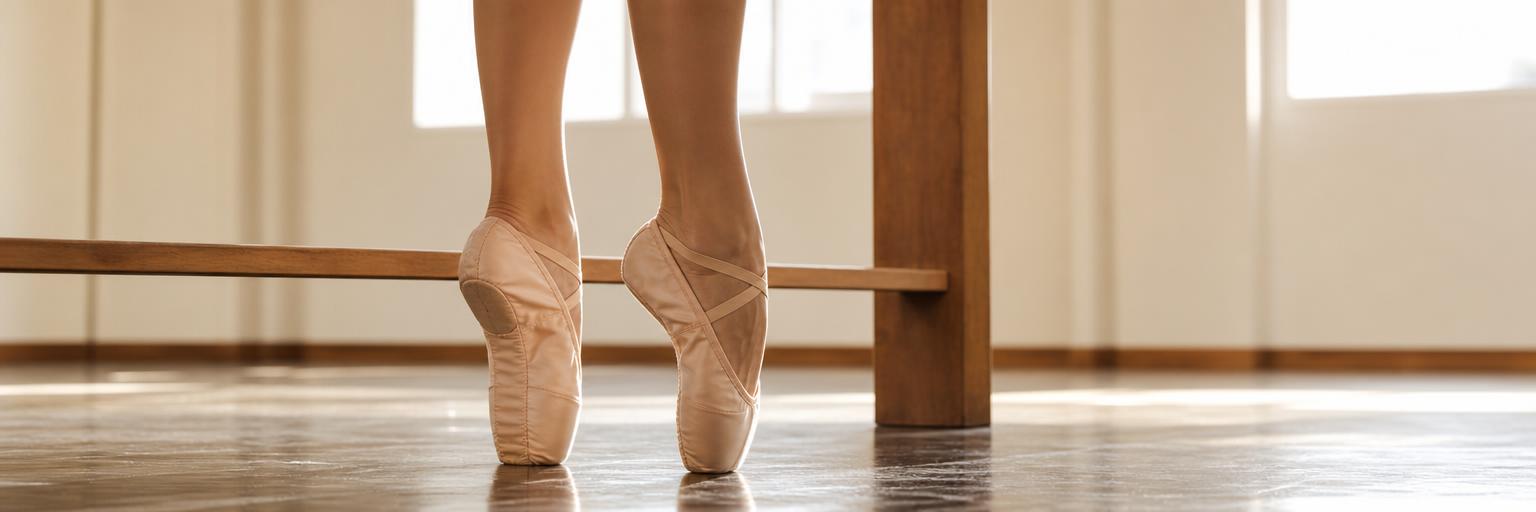
- For ballet: canvas or leather full-sole slippers, not split-sole, for a beginner. Full-sole gives the floor feedback that helps a teacher correct foot position, and split-sole on a beginner can create arch problems. Ballet slippers run 1 to 2 full sizes smaller than street shoes, so use the brand's chart, not your child's sneaker size. Capezio Daisy 205 and Bloch Dansoft S0205 are the standard beginner picks. Ballet slippers guide has sizing notes.
- For tap: leather tap shoes with metal taps, never toy-store costume shoes with plastic taps. Young children usually wear a Mary Jane strap style for easy on and off, older students wear a lace-up oxford. Black is most common, some recital programs require tan. Beginner tap shoes run $35 to $50 and size closer to street shoes than ballet slippers do. Break them in at home for a few short sessions before the first class. Beginner tap shoes guide has picks and sizing.
- For jazz: a full-sole jazz shoe for beginners, not split-sole. Split-sole looks more advanced and is the performance standard, which is exactly why parents buy it too early. It gives a beginner less floor feedback and needs more foot strength to control. Jazz shoes run roughly half a size smaller than street shoes for most brands. Jazz shoes guide covers the beginner full-sole picks.
- For hip-hop and street styles: a clean, non-marking sneaker. Some teachers accept everyday athletic shoes that have never been worn outdoors, others want a dedicated dance sneaker with a suede pivot patch on the sole (the small suede circle under the ball of the foot that lets the dancer turn without sticking) or a split sole. Both features exist to make turns work on a marley floor; everyday sneakers tend to grab. Ask first, and whatever you use, keep it indoor-only. Outdoor soles scuff and damage studio floors, and some teachers will turn a dancer away for them. Dance sneakers run closer to street size than ballet slippers. Dance sneakers guide has picks for class and social floors.
- For musical theatre: a low-heel leather character shoe (T-strap or oxford, usually a 1.5-inch stacked heel, in tan, caramel, or nude). Some MT programs use jazz shoes for movement-heavy curriculum, and some add a tap segment that needs separate tap shoes, so confirm the format before buying. Character shoes for MT class are often the same style used at recital. Check what your child already owns before buying a second pair. Character shoes guide covers heel height and fit.
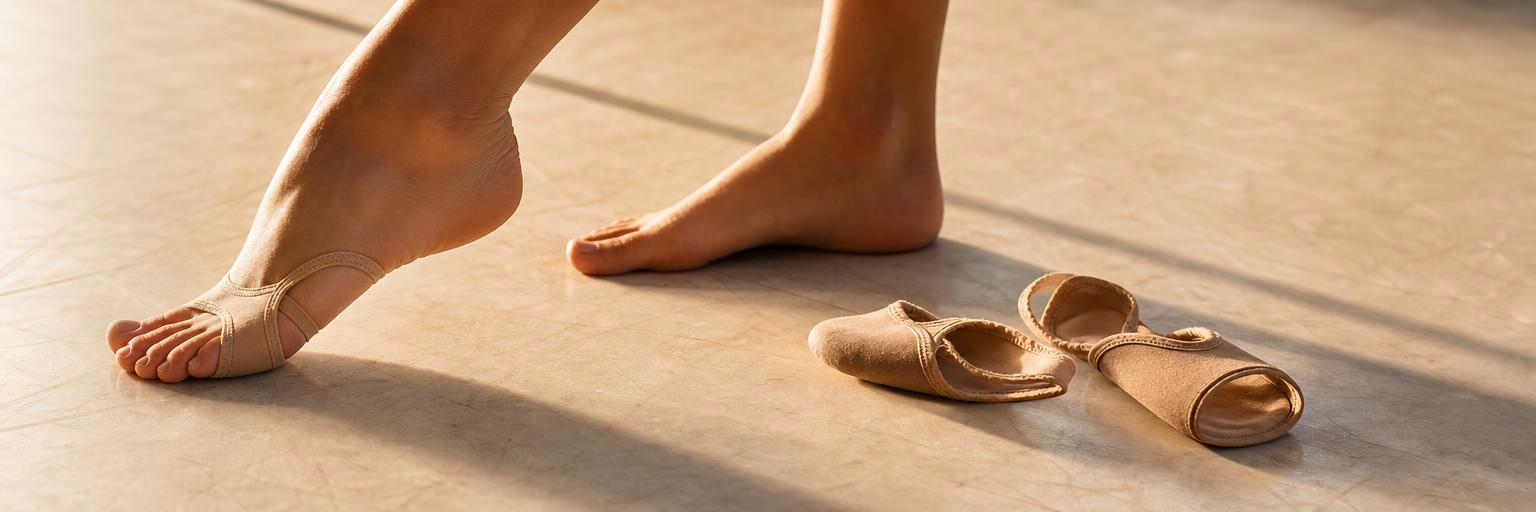
- For lyrical, contemporary, and acro: ask the teacher before buying anything, because these vary the most. Many lyrical and contemporary classes use bare feet, half-soles (foot thongs), or jazz shoes. Acro footwear ranges from fully barefoot to jazz shoes to thin acro-specific shoes, and buying acro shoes before the teacher confirms they are required is the most common first-year waste in this lane. The lyrical and contemporary shoes answer walks the bare-feet versus half-sole versus jazz-shoe decision once the teacher has weighed in, including the grip-versus-skin tradeoff that decides which feels right on a marley floor.
- Measure the actual foot before you open a single size chart, because every shoe on this list is sized from foot length in inches or centimeters, not from a sneaker size. Stand your child on a sheet of paper with her heel against a wall and her full weight on that foot, since a foot spreads and lengthens when she stands and that larger size is the one that has to fit. Mark the tip of the longest toe (which is not always the big toe) and measure from the wall to the mark. Do both feet and size to the longer one, because most kids run a little uneven, and measure late in the day when feet are at their largest. That one number is exactly what every brand chart asks for, so it turns 'read the size chart' from a guess into a real match, and you re-measure each season rather than trusting last year's figure. The dance shoe sizing guide lays the per-style charts side by side once you have it.
- Confirm sizing before ordering online. Dance shoes size differently from street shoes and differently from each other: ballet slippers run 1 to 2 sizes small, jazz shoes about half a size small, character and tap shoes track closer to street size but vary by brand. Read the brand's size chart for the specific model and call or email the retailer with your child's current foot length and width if you are between sizes.
- Buy from a retailer with a free size exchange on the first pair. If the shoes arrive and don't fit, you need an exchange, not just a return. Sellers with short return windows or final-sale policies on dance shoes are risky for a first-time fit. Discount Dance, DancewearCorner, and most Capezio direct orders have exchange options. Confirm before ordering.
- Start with one pair: the type required for the class your child is in right now. You don't need ballet, tap, and jazz shoes at once unless the class explicitly uses multiple styles. Buy the current class requirement first, and if a recital or a second style adds one later, you'll have a costume sheet or dress code with exact specifications. Fit for the current foot, not a size up for growth. A too-big dance shoe causes blisters and makes technique harder to learn.
- Plan a few minutes of prep the night the box arrives, because ballet slippers in particular do not come ready to wear. The Capezio Daisy and Bloch Dansoft both ship with the elastic strap loose in the bag rather than sewn on, so you stitch it on yourself. Fold the heel of the slipper forward to the toe, and the small diagonal crease that forms shows where each end of the elastic should sit, angled slightly inward so it holds the arch instead of sliding off the heel. A few hand stitches per side hold fine, no machine needed. The slipper also has a drawstring at the toe that you snug just enough to close the gap, then tie in a small knot and tuck or trim the tails so nothing dangles. Do it the night the shoes arrive, not in the parking lot before her first class, because an elastic slipping off mid-class is the classic first-day frustration and it is a five-minute fix at the kitchen table.
Common mistakes
- Don't buy a shoe type before confirming the style with the studio. A ballet slipper won't work in tap, a tap shoe won't work in ballet, and a clean Nike won't substitute for jazz, ballet, or tap. One call or text saves a return or an unused pair.
- Don't use street shoe size as a direct input without checking the brand's chart. A child who wears a street size 2 might need a ballet slipper in size 0 or a tap shoe in size 2, depending on the style and brand. Size each shoe from its own chart, every time.
- Don't wear outdoor sneakers in the studio without the teacher's explicit approval, even for hip-hop. Street soles leave black scuff marks and embed grit that damages floors, and most teachers enforce this strictly. A sneaker only counts as an indoor dance shoe if it has never touched outdoor pavement.
- Don't buy acro shoes, half-soles, or split-sole jazz shoes on assumption. These are teacher-dependent. Many acro and lyrical classes are barefoot, and beginners do better in full-sole jazz shoes. Buy them only when the teacher specifically asks.
- Don't buy the first pair from a third-party marketplace without checking the seller. Amazon and eBay listings for dance shoes mix in discontinued styles, plastic-tap costume shoes, and items with no exchange path. For a first-time fit, go to a dedicated dance retailer.
- Don't overbuy. One pair for the current class is the right start. Buying 'just in case' shoes for styles your child hasn't started yet wastes money on sizes that may not fit by the time they're needed.
Keep reading