Picks at a glance
Price$85.00 to $150.00 depending on model and colorway, verified 2026-08-02
Why it winsThe pivot point under the ball of the foot does what it claims, and there is a real size and style range behind the brand.
Where it falls shortWidth is the most-flagged complaint by a distance, preorder variants ship slowly, and plenty of studios will not allow them in class.
Check before buyingAll 28 size options in stock at check time. Some variants ship on preorder, which delays delivery. Studio acceptance is genuinely hit or miss: ask before you spend this.
Check at Fuego →Price$99.99 to $125.00, verified 2026-08-02
Why it winsReturnable without a fight, which matters more than any spec in a category where fit complaints are the norm.
Where it falls shortHalf the size run was unavailable when we checked, and it does not have the community recognition Fuego does.
Check before buyingOnly 9 of 16 size options were in stock at check time. Stiffness, heel slip, and width reports vary considerably across the brands in this category.
Check at pulsedanceshoes.com →Price$71.00 to $79.00 for sale models, verified 2026-08-02
Why it winsRoughly half the price of the two picks above, which is the right call if you are not yet sure the dancer wants a dedicated sneaker.
Where it falls shortA practice shoe, not a premium social one, and the return terms are the least forgiving on this page.
Check before buyingSingle units in stock per model at check time. 15-day return window from postmark, buyer pays return shipping, and a restocking fee applies. Marked suede soles are not returnable at all.
Check at Very Fine →Which one for your dancer
- Studio class or rehearsal: ask your teacher what's accepted FIRST. Then compare Capezio DS11, Bloch Boost, So Danca DK70/71, and Fuego on floor behavior and return policy. Whatever the teacher says goes, even if you like another brand better.
- Adult social dance (salsa, bachata, WCS, shuffle, line): compare Fuego, SWAYD Flow, Yami SpinSole, Pulse, Taygra, Odori, MyZiji, and Very Fine VFSN012 on sole type, width, venue surface, and what the seller will let you return. This is NOT the same shopping list as a studio shoe.
- If your real problem is the floor (sticky bars, damaged suede, slip in turns): read Dance Floors And Shoe Care For Practice first. Sometimes the answer is shoe care, not a new shoe.
- If you're buying for a kid: So Danca Star DK69 (split-sole, child-sized). Adults sizing down doesn't work. The last is different.
Before you buy
- Write down where the shoe will live: studio, ballroom, social venue, outdoors, or some mix. Be specific. 'Anywhere' is how you end up with three pairs.
- Check the sole type. Suede needs clean floors. Rubber and spin-spot grip differently. Hybrid soles are a compromise. Street-safe soles can walk you in and out of the venue but feel sticky on a polished floor.
- Read the seller's return rules BEFORE you buy. Fit is personal on dance sneakers. Most shoppers don't nail it on the first pair. A $150 sneaker with no returns is a $150 lesson.
- Don't buy a social-dance sneaker to replace a studio-required jazz shoe, ballroom shoe, or team sneaker. They look similar online. They are not the same shoe.
How to approach it
Separate studio sneakers from social-dance sneakers BEFORE you start comparing brands. A studio or team sneaker has to clear teacher approval, floor rules, the uniform, and non-marking soles. A social-dance sneaker has to survive a messy bar floor, four hours of turning, the toe of a different partner's shoe, and a walk to the car. The jobs overlap, but they're not the same shoe. The fastest way to spend $150 twice is to buy a cool social sneaker for a class that won't take it, or a studio split-sole for a social venue that eats the sole in one night.
What we would do
For class or rehearsal, we'd confirm the teacher's accepted shoe type first, then compare Capezio DS11 and Bloch Boost as the studio baselines against Fuego if your studio is more flexible. For social dancing, we'd put Fuego, SWAYD Flow, Yami SpinSole, Pulse Low Top, Taygra, Odori Primera, MyZiji, and Very Fine VFSN012 on the table, but we'd rank cautiously because dance-sneaker fit varies wildly person to person. And we'd treat the seller's return policy as part of the product. A shoe with great spin claims and a no-exchange policy is a worse pick than a slightly less hyped shoe that lets you return the wrong size.
Men's Social Shoe Note
Men shopping for salsa, bachata, swing, or general social dancing: don't assume every dance sneaker solves your problem. Some men need a venue-flexible sneaker (Fuego, SWAYD Flow). Some need a smoother social shoe (Burju, traditional Latin). Some should stop reading this guide and go to Ballroom And Social Dance Shoes instead. If it's specifically a first men's social shoe you're after, read both guides before buying: the right answer for you might be in the other one.
Where to start
| Best For | Start Here | Why | Check First |
|---|
| Studio class or team uniform | Teacher-approved studio sneaker: usually Capezio Fierce DS11 or a Bloch Boost | Studio rules beat trend. A black-sole rule is non-negotiable; a no-logo rule is non-negotiable. | Allowed shoe type, sole color, non-marking behavior, and whether logos are okay. |
| Adult social dancer (salsa, bachata, WCS, swing) | Fuego Split Sole, SWAYD Flow, Yami, Pulse, Taygra, Odori, MyZiji, or Very Fine VFSN012: pick by your venue | These shoes were built for mixed real-world floors. Studio sneakers don't survive the way these do. | Width and stiffness reports, sole type for your venue, return policy, and whether the seller has your size in stock right now. |
| You're slipping or sticking on the floor and blaming the shoe | Read the shoe-care + portable-floor guide BEFORE buying another sneaker | Half the time, the cheapest fix is sole care or a friction product, not a $150 new shoe. | Whether your current sole is suede, rubber, hybrid, or street; what your venue floor actually is. |
How to work out which one
Pick the use first. Studio class? Team requirement? Rehearsal turns? Social Saturday at a bar? Each one is a different shoe. For studio, ask the teacher what's allowed and where on the floor you'll be working. For social, picture the actual venue: sticky floors, outdoor walking to the car, four hours on your feet, partners stepping on the shoe. Once you can name the use, compare sole type, stiffness, width, and the seller's return rules. Don't skip the return rules: fit is the part of dance-sneaker shopping that goes wrong most often.
Mistakes to avoid
Don't buy a popular social-dance sneaker for a class that requires a jazz shoe or a specific uniform sneaker. Don't buy suede soles for rough floors unless you're prepared to care for them constantly. Don't believe a spin claim that doesn't tell you which floor it's spinning on. Fit is personal in this category: a seller who lets you exchange is worth more than a $20 discount from a final-sale store.
Where to buy
The shoe matters; where you buy it matters as much. A great sneaker from a confusing seller turns expensive fast when sizing is wrong. Here's how I'd rank the main routes for a first-time buyer.
| Route | Best For | Why It Works | What To Watch |
|---|
| Capezio direct, Fierce DS11 | Studio class default | $92, explicit size-up guidance on the product page, spin-spot construction, 30-day direct returns. | Confirm studio rules. Capezio is the safe default at most studios, but a few are picky about specific dancesneaker types. |
| Bloch direct, Boost or Kix | Studio split-sole alternative (Boost) or lifestyle/street-to-studio (Kix) | Big sneaker collection, visible prices, clear return fee and final-sale threshold. | Boost and Kix are NOT the same shoe, Boost for class, Kix for walking around. Anything 21%+ off is final sale at Bloch direct. |
| Fuego direct, Split Sole and family | Adult social/crossover sneaker buyers | $150 split-sole, full product line visible, social-dance-trained construction. | Pre-order timing on some variants. Studio acceptance varies. Width is the #1 fit complaint. |
| So Danca direct, DK69 (kid), DK70/DK71 Sonnet (adult) | Child split-sole sneakers and an adult alternative | 30-day refund/exchange policy on sodanca.com. DK69 is clearly child-specific. | Adult and child routes are different shoes. Don't mix. Final-sale items don't refund. |
| Pulse Dance Shoes, Low Top | First-time social-dance sneaker shopper | $125-$140, free U.S. exchanges, 30-day unworn refunds. The cleanest return path of the social-dance newcomers. | Reviews are mixed on stiffness and heel slip. The return policy is the reason to start here when you're unsure of fit. |
| Taygra direct | Indoor/outdoor PVC-sole social-dance route at lower prices | $96-$123 across Corrida, Urbano, Corridalta. Free U.S./Canada/EU exchanges. | Refund shipping and restocking fees on returns. QuickShip vs Brazil Reserve changes delivery timing, read carefully before you click buy. |
| Yami SpinSole | Social dancer who wants a street-to-studio look | 11-product sneaker line, $129-$150 range, explicit dance-specific positioning. | Exchange/store-credit rules need a careful read. They don't publish widths, so a wide foot is a guess here. |
| Odori Primera | Premium social-dance curiosity | $149.99 across four colorways, 30-day unused returns, real-leather construction claims. | Newer brand. Independent fit reports are thin. I'd buy with the return policy in mind. |
| MyZiji | Budget-to-mid range social-dance sneaker shoppers willing to research | $75-$128 across Sky Dance, Vigor, Henley, and Glowing Rhythm lines. | U.S. return friction is unclear. Check the return policy in writing before ordering. |
Pick By What You'll Actually Use It For
- Studio hip-hop, jazz-funk, convention class: start with your teacher's rules, non-marking soles, and whether outdoor-sole sneakers are allowed on the floor at all.
- Traditional dance-brand studio work: compare Capezio DS11 and Bloch Boost before you look at any lifestyle-forward sneaker. They are the studio-class benchmark for a reason.
- Adult social dance, salsa, bachata, shuffle, street-to-studio: compare Fuego, Pulse, Taygra, Yami, Odori, MyZiji, and ballroom/social shoe alternatives in a separate list. They serve a different job than studio sneakers.
- Wide or hard-to-fit feet: don't trust brand marketing alone. Pick an exchange-friendly route and skip final-sale, BOGO, and liquidation prices on first orders. The cost of a return is less than the cost of a shoe that doesn't fit.
- Urgent event coming up: skip pre-orders and boutique routes with vague delivery dates. Stick to in-stock direct sellers or specialty retailers with an explicit ship-by date.
How To Tell A Real Dance Sneaker From A Regular One
This trips up more first-time buyers than fit does. A lot of what gets sold as a dance sneaker, especially the cheap ones from sellers you have never heard of, is really a lightweight fashion sneaker. A true dance sneaker has three things a gym shoe does not, plus one thing worth watching when you buy. Run these checks before you judge the price, because a $40 dance sneaker that fails all three is not a deal, it is a shoe that gets sent home from class.
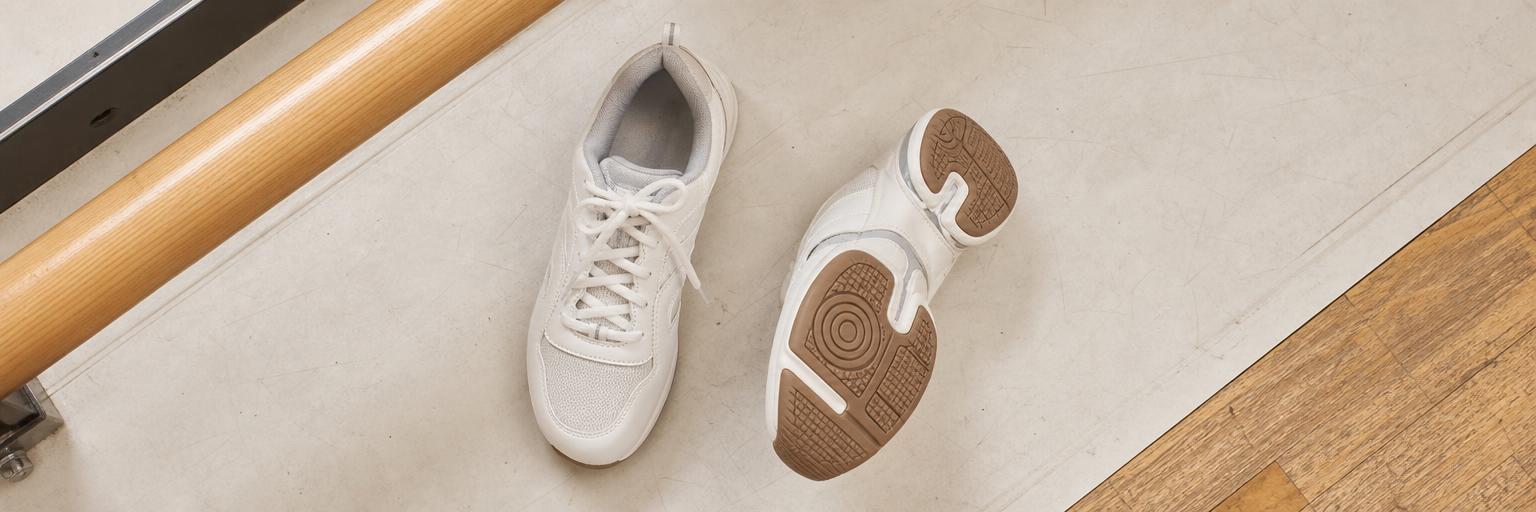
- Non-marking sole, and you can test it. A real dance sneaker has a gum or rubber sole built not to scuff a sprung studio floor, usually tan or clear rather than black. Drag the sole hard across a sheet of white paper. A gray streak means it will mark the floor, and the studio can bar it on sight. This is the same non-marking test the floor and shoe-care guide walks through, and it is the first thing most studios check.
- A pivot point under the ball. Turning is the whole reason a dance sneaker exists. Look for either a split sole (a flex gap under the arch so the foot can point and the ball can spin) or a spin spot, a smooth circle of suede or low-friction rubber set into the sole under the ball of the foot. A flat full-rubber gym sole grabs the floor on a turn instead of releasing, which is exactly how knees get wrenched, so no pivot point means it is not built for dance.
- It folds all the way at the ball. Pick it up and bend it in your hands. A dance sneaker is light and flexes fully where the foot bends; a fashion sneaker stays stiff through the sole. If you cannot fold it easily, her foot is not going to bend it on the floor either.
- Watch the price-and-seller combination. A brand-name dance sneaker listed far below the brand's own price, from an unfamiliar third-party seller, is the classic knockoff setup, and a fake skips exactly the gum sole and pivot that make it floor-legal. You do not have to pay full retail, but buy from the brand or a named dancewear retailer, the kind I rank in the seller routes above, and read the seller name before you click buy, on any site.
How To Check Fit Without Dancing In Them
The advice on this page is to keep the first try-on indoors and not dance-test until the return window closes, because most sellers want the shoe unworn to refund. Fair, that protects your money. But it leaves the obvious question: if you can't dance in them, how do you know they fit? Here is what a careful check on carpet actually tells you, no spins required.
- Rise to a slow releve, both feet then one. The heel should stay locked with no gap opening at the back. A heel that lifts away on a rise is the most common dance-sneaker fit failure, and you can feel it standing on carpet without ever turning.
- Drop into a demi-plie and watch the toes. The knees bend forward, the weight rolls onto the ball, and your longest toe should not jam the front. Dance bends the foot more than walking does, so a sneaker that feels fine flat can pinch the moment you plie.
- Find the flex point on a split-sole. The gap should fold under the ball-to-arch break of your foot, not behind it. Press up onto the ball and feel where the shoe wants to bend. If it folds behind your arch, the shoe is too long even when the toe feels right.
- Check width across the ball on a rise, not flat. Come up onto the balls of both feet and feel whether the upper cuts in across the widest part of the foot. Width is the number one complaint on Fuego and the social-dance brands, and it shows up under load, not standing flat.
- Re-lace before you judge heel slip. A heel that slips often just needs the top eyelet and a heel-lock (run the lace through the loop made by the last two eyelets and cinch). Lock the lacing, then re-test the releve. Half the heel-slip complaints are a lacing problem, not a sizing one.
- Wear the sock you will actually dance in. A thin no-show fits a half size different from the gym crew sock you happened to try them on with. Decide your dance sock first, then judge the shoe in it.
Social-Dance Sneaker Picks
Adult social dancers (salsa, bachata, West Coast Swing, shuffle, swing, line, mixed), this is your section. Dirty bar floors, walking from the parking lot, long nights on your feet, partners stepping on the shoe. Studio sneakers don't survive that. Here's the lineup, with what each one actually does well.
| Shoe | Best For | Price (May 2026) | Watch For |
|---|
| Fuego Split Sole | Crossover dancer who wants a split-sole sneaker with serious spin claims | $150 standard; $180 Derek Hough | Pre-order timing slips. Width is the #1 complaint, size up if you're between sizes. |
| Pulse Low Top | First-time social-dance sneaker shopper who needs a clean return path | $125 sale / $140 regular | Stiffness reports are mixed. Free U.S. returns and exchanges, use them if the first pair doesn't fit. |
| Taygra Corrida / Urbano / Corridalta | Indoor-outdoor PVC-sole dancers who want lower prices | $96-$123 across models | QuickShip vs Brazil Reserve changes delivery dramatically. Refunds carry shipping/restocking fees. |
| Yami SpinSole | Street-to-studio dancer who wants a visible dance-specific line | $129-$150 | Exchange/store-credit rules are not as clean as Pulse's. They don't publish widths, so a wide foot is a guess here. |
| Odori Primera | Premium-curious social dancer | $149.99 across four colorways | Newer brand. Independent fit reports are thin. 30-day unused returns are the only safety net. |
| MyZiji Sky Dance / Vigor / Henley | Budget-to-mid range social shoppers willing to do research | $75-$128 range | U.S. return path is unclear. Verify in writing before ordering. Henley uses suede sole, wrong for outdoor walking. |
| SWAYD Flow | West Coast Swing dancer who needs indoor/outdoor flexibility | $129 | Polystyrene outsole and memory foam insole. Real mixed-floor behavior reports are limited; affiliate program excludes Flow from commission (which doesn't matter for the shopper but does mean fewer affiliate reviews exist). |
| Very Fine VFSN012 | Budget practice sneaker for someone NOT yet ready to spend $150 | $119 at Best Ballroom Shoes | Practice shoe, not a premium social shoe. Solid first-try option before committing to a $150 Fuego. |
Quick Rules For Social-Dance Shoppers
- If you walk from the parking lot to the venue, a street-sole sneaker (or SWAYD Flow) beats a suede sole, even though suede feels better on clean studio floors.
- On a sticky bar or restaurant floor, suede is NOT automatically the answer. Shoe care and sole durability matter as much as the shoe.
- If spins are your priority: separate front-foot glide from heel stability. Too much slide is as bad as too much grip, both leave you guessing where your weight is.
- If the return policy requires 'unworn/resellable' condition, treat your first try-on as an indoor fit check only. Don't dance-test the shoe until you're past the return window.
- Wide feet? Skip brand marketing. Prioritize brands that publish width info or have generous exchange rules.
When The Sneaker Is Done (And When It Just Needs A Clean)
Nobody tells you when a dance sneaker is actually worn out, so most dancers either toss a shoe that had a season left or keep turning on one that died months ago. A dead spin spot is sneaky. The shoe looks fine from the side while the one patch you pivot on has glazed smooth. Here is how I tell a shoe that needs replacing from one that just needs cleaning.
- Check the spin spot, not the tread. On a split-sole, the circle under the ball is the part that does the turning, and it wears smooth long before the rest of the shoe looks used. Run a thumb across it. If it has gone hard and shiny where it used to have a little texture, your turns are sliding more than spinning, and the shoe is telling you it is done.
- Glazed suede gets brushed, not retired. If you dance on a suede or social sole that has packed down dark and slick, that is crushed nap and dirt, not the end of the shoe. A suede brush across the grain lifts it back up. Try the brush before you spend on a new pair, because a glazed suede sole and a worn-out one feel similar underfoot but only one of them needs replacing.
- Watch the split-sole front edge for separation. The glue at the front of the forefoot pad is the first thing to let go on a hard-used split-sole. A flap that lifts when you plie will catch the floor mid-turn. A dab of shoe glue buys time, but once it keeps reopening, the shoe is on its last few weeks.
- A heel that has packed flat is a support problem, not a looks problem. When the heel cushion crushes down and stops springing back, you lose the shock the shoe was taking off your knees and ankles across a long rehearsal. You feel it as soreness after class before you ever see it, and for a dancer in class several days a week, that is usually the real clock on the shoe, not the tread.
- Street-sole sneakers die from the outside in. The same outdoor grip that lets you walk in from the parking lot wears round at the edges, and a rounded edge rolls under you on a fast direction change. If the corners of the sole have gone smooth and curved, retire it for dancing even if the middle still looks fine.
- Here is a rough budget for hard use. A sneaker you dance in several days a week is a one-season shoe, not a multi-year one, and knowing that up front changes the math. It is often smarter to buy an exchange-friendly mid-price pair you replace on schedule than to overspend on one premium pair and then nurse a dead spin spot because it cost too much to throw out.
The shortlist
- Class or rehearsal at a real dance studio? Capezio Fierce Dansneaker DS11 ($92, style ID on the product page, size up 1/2 size per Capezio's own note, 30-day direct returns). It's the studio-class default for a reason.
- Want a non-Capezio split-sole? Bloch Boost is the cleaner studio split-sole; Bloch Kix is more lifestyle and street-to-studio. They are NOT the same shoe, Boost for class, Kix for walking around in.
- Adult social dancer or doing crossover (street to studio)? Fuego Split Sole ($150) is the most-talked-about option, but check pre-order timing AND width before you order. Fit is hit-or-miss, half the reviews love it, half complain about the toe box.
- Looking at newer social-dance brands, Pulse, Taygra, Yami, Odori, MyZiji? Compare them on a different track from studio sneakers. They solve a different problem. Don't expect one shoe to cover both studio class and salsa Saturday.
- Buying for a kid? So Danca Star DK69 is the child-specific split-sole sneaker. The adult DK70/DK71 Sonnet line is sized and built differently, don't blend the two thinking you'll save by 'sizing up.'
How to choose
- Name the use first: hip-hop class, rehearsal, teaching, social dance, or general street-to-studio. The wrong category gets you the wrong shoe.
- Match the sole to the floor you'll be on. Too much grip is just as bad as too little. You can't pivot in a sneaker that sticks, and you can't hold a balance in one that slides.
- Confirm the sole is non-marking before the shoe ever touches the studio floor. A sole that scuffs is the number one reason a sneaker gets turned away at the door, and you can test it at home in ten seconds. Drag the sole hard across a sheet of white paper or a clean white tile: a non-marking sole leaves no colored streak, a street sole leaves a gray or black smear. Light gum-colored or clear rubber is almost always safe; bright-white and dark hard soles are the usual offenders. And if the studio rule is clean indoor-only shoes, that means this pair never goes outside at all, not just that you wipe it down, because the grit that grinds into the tread on a parking lot scratches a sprung floor even when the sole itself does not mark.
- Ask your teacher before buying a visible sneaker for class. Some studios are particular about black-only soles, no street shoes, or no logos. Cheaper to ask than to buy twice.
- If you're between sizes, pick the seller with the clearest return policy and try the shoe on indoors only until you're sure of the fit. Not sure where to start? Our Cross-Brand Dance Shoe Fit Finder turns an everyday shoe size into a dance-sneaker starting size, then flags the brands that tell you to go up.
- Spin-spot marketing is not the same as actual turn performance. Read dancer reviews about specific models, not brand-level claims.
- Social dancer? Decide whether you want a street-sole dance sneaker, a split-sole sneaker, a suede-sole ballroom/social shoe, or a modified street shoe. They each solve a different floor.
- First time buying dance shoes online? The seller's return policy matters as much as the shoe. Final-sale and exchange-only routes are how social dancers end up with $150 shoes that don't fit.
Skip it if
- Don't buy a social-dance sneaker for a strict studio class without asking the teacher. Some studios will reject visible street shoes outright.
- Don't try to use street sneakers as dance shoes. The pivot support isn't there, and the soles will mark a studio floor.
- Don't buy final-sale on a first-time fit. The discount won't cover the cost of buying twice.
- Don't buy a pre-order color when you have an actual date, a convention, rehearsal, a trip. Pre-order timelines slip and the shoe shows up the week after.
- Don't trust one enthusiastic Reddit thread. Most social-dance sneaker complaints I see are about width, stiffness, weight, or the return policy, not the spin claim.
- Don't assume Fuego, Capezio, Bloch, and So Danca are interchangeable. They overlap on price but solve different shoe problems. Wrong shoe in the right brand is still the wrong shoe.
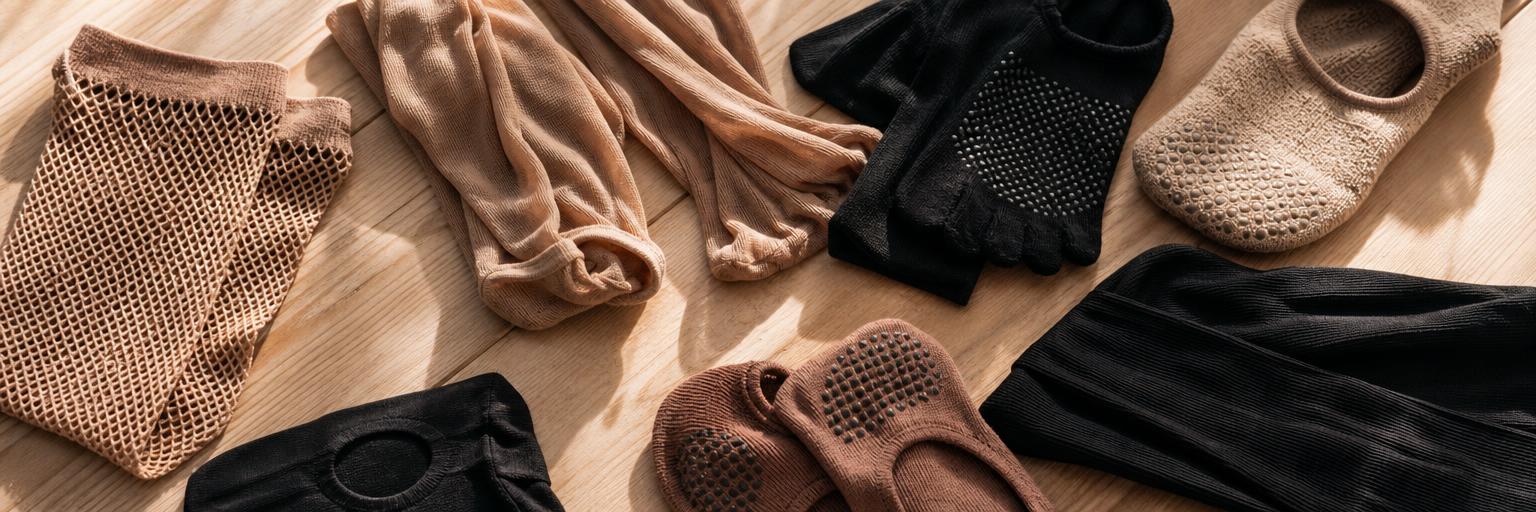
Social-Dance Sneaker Picks
Adult social dancers (salsa, bachata, West Coast Swing, shuffle, swing, line, mixed), this is your section. Dirty bar floors, walking from the parking lot, long nights on your feet, partners stepping on the shoe. Studio sneakers don't survive that. Here's the lineup, with what each one actually does well.