Review

Best Ballroom And Social Dance Shoes

Ballroom and social shoes get bought wrong more than any other dance shoe, and the reason is always the same: people pick by looks instead of by floor. A perfect suede-sole Latin shoe gets destroyed on a sticky bar floor. A gorgeous 3-inch heel ends a beginner's first salsa class with a sprained ankle. The right shoe depends on the floor you'll actually dance on, the heel height you can actually balance in, and which sellers will let you return the shoe before you mark the sole. Brand comes last.

Updated 2026-06-29 · Independent research, editorial standards here

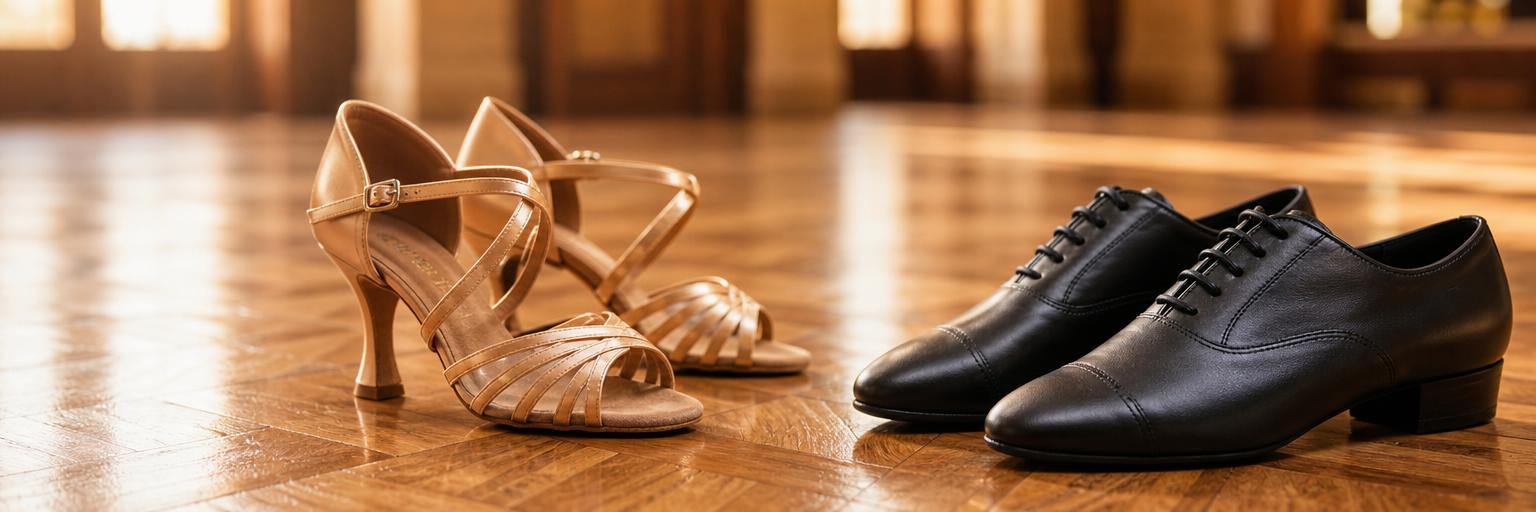
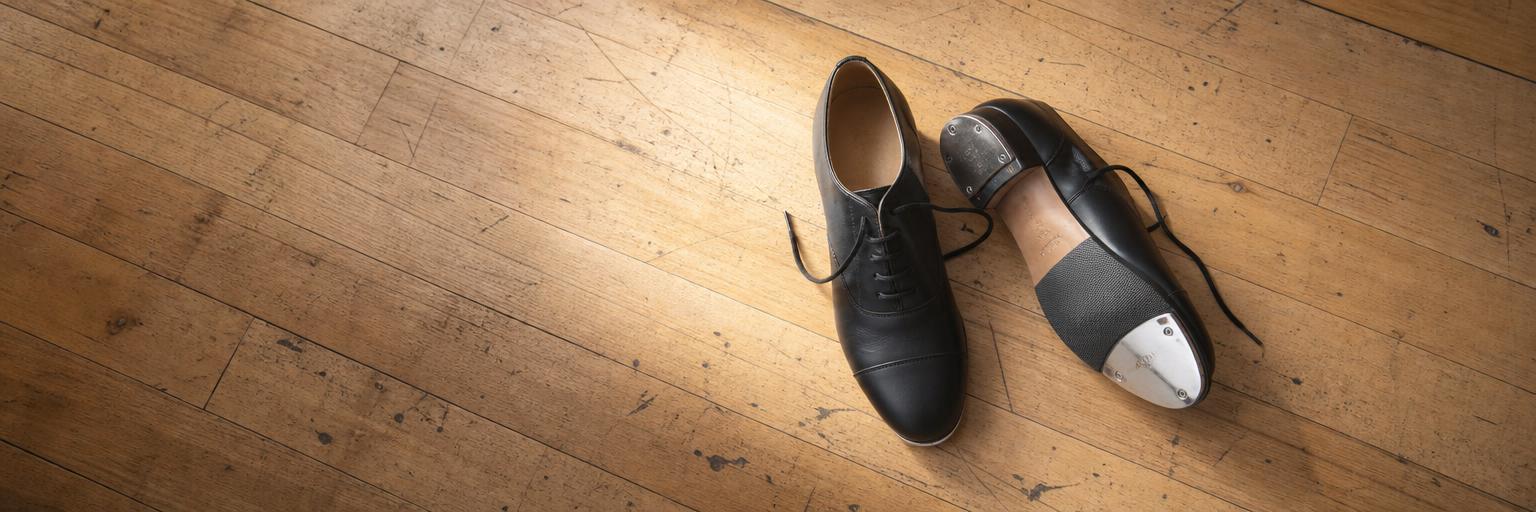
Two pairs of elegant ballroom shoes, beige strap heels and black low-heeled oxfords, arranged on a polished parquet ballroom floor.

Best Picks By Situation

  • First social shoe, first salsa class, first wedding lesson: pick a seller with clear exchanges (not Ballroomshoes if you've never tried Very Fine before; try the third-party retailers or a returnable Diamant). Skip the 3-inch heel on your first pair.
  • Weekly ballroom or Latin practice: comfort and exchange policy beat flash. Try Very Fine, Diamant, or a lower-tier IDS/Supadance practice shoe. Watch restocking fees and the marked-sole rejection rule.
  • Salsa, bachata, or social heels at bars and clubs: street-sole or suede-sole depending on the actual floor. Burju does both. Pick by floor first.
  • Competition or serious training: IDS, Supadance, Ray Rose, or Diamant premium: matched to your style and your coach's preference. Not a beginner default. Verify U.S. return support before ordering anything made-to-order from overseas.

Before You Buy

  • Name the dance style AND the floor type. Studio Marley, bar floor, hardwood at a wedding, outdoor pavilion: each demands a different sole.
  • Don't customize on your first order with a brand. Custom = no returns at almost every ballroom seller. Buy standard sizes until you know YOUR fit in that brand's last.
  • Read the seller's return rules ON DANCE SHOES specifically. Most ballroom retailers reject marked soles. Some charge restocking fees. Some don't return custom orders at all. The policy is the product.
  • Match the heel to your balance, not your aspirations. Start at 1.5 or 2 inches. The 3-inch heel for Instagram costs more than the shoe. It costs the night.

Buying Strategy

The right ballroom or social shoe is not one shoe: it's whichever shoe matches YOUR dance style, YOUR floor, YOUR heel tolerance, and a seller's return policy you trust. A first salsa student and a competition-track Latin dancer should never buy the same shoe. A dancer who's only ever on a clean studio floor and someone going out to a Wednesday social at a bar with a sticky floor need different SOLES, not just different heels. So work in this order: name the use, pick the sole for the floor, pick a heel you can balance in, then look at brand and price. Skipping straight to brand is how the wrong shoe ends up in your closet.

What We Would Do

For a first social dancer: skip custom orders entirely. Pick a Very Fine or Diamant from a returnable seller. Stay at 1.5-2 inches until balance is solid. For weekly practice: comfort and exchange policy first, brand prestige later. For salsa or bachata at real social venues (not studio floors): try Burju for the street-sole option, and read the dance-floors guide before you commit. For serious ballroom or Latin training: IDS, Supadance, Ray Rose, or Diamant premium benchmarks, but ONLY after you know your size and style, and only when your coach has a brand preference worth following.

Buyer Walkthrough

Start with the dance and the floor. A first salsa social at a downtown club, ballroom practice in a clean studio, a Latin competition, and learning to dance at your sister's wedding. These are four totally different shoes. Once you can name the situations, pick the sole (suede for clean studio floors only; street/hybrid for everywhere else). Then pick a heel you can balance in. Then look at brand and seller policy. Beginners should stack the deck toward stability, comfort, and easy returns. Serious dancers can compare premium brands after they know the basics.

Mistakes To Avoid In Plain English

Don't buy custom or final-sale shoes as your first order with a new brand: you don't know that brand's fit yet, and 'custom' usually means 'no return.' Don't wear suede soles outside the studio. Five minutes on pavement and the sole is finished, AND most sellers won't take the return after that. Don't pick a 3-inch heel for your first social just because it looks dramatic. A confident dancer in 1.5 inches beats a wobbly dancer in 3 inches, every single time. The safest first pair is the one that fits the floor, lets you learn comfortably, and can be exchanged if you got the size wrong.

Where to start by buyer type

Best For

Your first adult social shoe

Start Here

A Very Fine or Diamant practice/starter from a seller that lets you exchange. Heel 1.5-2 inches.

Why

First pairs are about confidence and clean returns. The flashy shoe is the wrong shoe.

Check First

Heel height, width, sole type, and what the return policy actually says about dance shoes.

Check at Very Fine
Best For

Weekly ballroom or Latin practice

Start Here

Very Fine via Ballroomshoes.com: the value-tier default for regular practice. Step up to Diamant via DanceShopper when you need a higher-quality finish.

Why

Practice shoes need comfort and repeatability. Flash doesn't last through weekly use.

Check First

Seller's restocking fee, marked-sole rejection rule, suede care, and whether your size is in stock today.

Check at Ballroomshoes.com
Best For

Salsa, bachata, social heels at bars/clubs/weddings

Start Here

Burju, and choose street-sole vs suede-sole by your actual venue

Why

Venue floors destroy suede. Street soles survive. Pick by floor, not by brand prestige.

Check First

Whether you need indoor or outdoor durability, heel stability, and what the return rule says on the SPECIFIC shoe you're picking (custom = no return).

Check at Burju

Picks at a glance

Product / Route

International Dance Shoes / Supadance direct

Best use

Premium ballroom/Latin benchmarks

Price signal

Premium pricing; current US prices need refresh

Check before buying

International shipping. Often made-to-order. Return path from the U.S. is real friction. NOT a beginner default.

Check at Supadance
Product / Route

Burju social/heels route

Best use

The pick for salsa, bachata, and social heels in mixed venues

Price signal

Varies by style; check current price at the product page

Check before buying

Street-sole vs suede-sole: pick by venue floor. Standard sizes are returnable. CUSTOM ORDERS ARE NOT.

Check at Burju

Current Shortlist

  • Adult buying your first social shoe? Very Fine through Ballroomshoes.com is the value benchmark. Recognizable, affordable, and good enough to teach you what a real dance shoe feels like. Read the 15-day return window AND the no-marked-suede rule before clicking buy. Customer pays return shipping.
  • Don't know what type of shoe you actually need yet? Diamant through DanceShopper carries practice, Latin, smooth, sneaker, boot, and men's options side by side. Use it as the comparison anchor while you figure out what fits your dancing.
  • Serious about ballroom or Latin training? International Dance Shoes and Supadance are the premium benchmarks. Both ship internationally with made-to-order shoes. Verify U.S. support and return rules before ordering, because the international return route is real friction.
  • Salsa, bachata, or social-heels in mixed venues (not just clean studio floors)? Burju Under The Influence offers BOTH street-sole and suede-sole options. Standard sizes return. Custom orders do NOT. Don't customize on your first order.
  • Dancing in sneakers, not heels (Fuego, SWAYD Flow, Yami SpinSole)? Stop reading this guide. Go read Dance Sneakers For Class Rehearsal And Turns. That's the right guide for sneaker-style social dancing.
  • Headed to a line dancing or country class, not a ballroom studio? Same core problem, different fix: your regular sneakers grip the floor so you can't pivot. What shoes do I need for a line dancing class walks the three beginner routes, stick-on suede sole pads, a leather-sole boot, or a suede-soled dance sneaker.
  • Your real problem is the FLOOR not the shoe? Read Dance Floors And Shoe Care For Practice first. A $35 Soles2Dance suede kit or a $12 brush often fixes the slipping/sticking better than buying another pair of shoes.

How To Choose

  • Name the use FIRST: first social shoe, weekly practice, competition, social heels for mixed venues, or a sneaker/crossover. Each is a different shoe, don't try to use one for everything.
  • Pick the sole for the floor BEFORE you look at the shoe. Suede works on clean indoor studio floors. Street/hybrid soles work on bars, clubs, weddings, and mixed venues. Picking suede for a club night is how shoes get destroyed in one evening.
  • Pick a heel you can actually balance in. A 3-inch Latin heel looks great on Instagram and ends in a turned ankle if you've never danced in one before. Start at 1.5 or 2 inches and work up.
  • The shape of the heel matters as much as the height for staying upright. A flared heel, wider where it meets the floor, gives you a bigger base and far more stability than a slim or stiletto heel at the same height, which is why practice and Smooth shoes come on a low flared or Cuban heel, and most Latin shoes offer a flared heel option right next to the slim one. If balance is the worry, choose a flared heel and a lower height together, and leave the slim higher heel as a later upgrade once your ankles are stronger, not a first pair.
  • Read the seller's return policy on dance shoes specifically BEFORE buying. Many ballroom retailers reject returns for marked or soiled suede soles. Some charge restocking fees. Some don't accept returns on customs at all.
  • Don't try a custom or made-to-order shoe as your first online purchase. You don't know your fit on this brand yet. Custom = no returns at almost every ballroom seller.

Avoid If

  • Don't try to apply jazz-shoe advice to ballroom and social shoes. Different soles, different floors, different return rules. Same word ('dance'), totally different shoe.
  • Don't wear suede soles outside. Five minutes of pavement and the sole is finished. Once it's marked, most sellers won't accept the return either.
  • Don't gamble on final sale for your first pair of a new brand. The savings disappear instantly if the size is wrong and you can't return them.
  • Don't make a high heel your first social shoe. Start at 1.5 or 2 inches, build confidence, then upgrade. The high heel that ends in a sprained ankle is not a bargain.
  • Don't customize on your first order with a brand. You don't know if THEIR small runs small or big yet. Custom + wrong fit = stuck with the shoe.

Men's Social Dance Shoe Module

Men's social dance shopping has more shoe types than most people realize, and the wrong one shows up as a sore knee or a backstage embarrassment. A traditional men's Latin shoe is clean on a studio floor but feels too specific at a Wednesday bar social. A dance sneaker is venue-flexible but might fail a ballroom class rule or feel too bulky for technique work. The right answer almost always comes from naming the floor and the use first, then finding the shoe.

What You're DoingWhere To LookWhy It FitsCheck Before Buying
First salsa or bachata classesCapezio Men's Latin Ballroom, Very Fine, or IDS Dansport: pick a returnable sellerA first pair should teach you what a dance sole feels like without dropping $300 on a premium shoe you can't return.Street-size guidance from the seller. Width. Whether the Cuban heel feels stable. Suede-sole return rules. And whether your class actually expects a Latin shoe (some salsa classes don't).
Weekly social dancing at bars, clubs, or mixed venuesTaygra Bachata, Jose Botta, Fuego, Pulse, or Yami: pick by venue floorSocial floors are not studio floors. A street-flexible sole survives the bar; a traditional Latin suede gets destroyed in one night.Indoor/outdoor sole rating, sole stiffness, spin control, knee comfort over 4-hour nights, width, and the seller's exchange rule.
Ballroom or Latin lessons with technique focusInternational Dance Shoes, Supadance, Ray Rose, or Diamant (technique-focused students only: verify with your coach first)Technique work needs the traditional last, heel, and sole. A sneaker won't articulate the way the class teaches.Your coach's brand preference. Made-to-order risk (custom = no return). U.S. seller support. Restocking fees. Clean-carpet try-on rule.
Wedding dance lesson or formal eventA men's ballroom or smooth shoe in patent or leatherThe shoe has to look right AND turn safely. A regular dress shoe slips. A pure Latin shoe looks too costume-y.Sole material (can it survive a step outside between car and reception?). Break-in time before the event. Returnability if it doesn't fit. Whether the event floor is actually danceable (some hotel ballrooms are carpet).
Sticky bar floors, outdoor pavilion, or rough surfacesStreet/hybrid sole OR a Soles2Dance conversion before you buy another suede shoeSuede dies fast on rough floors. The wrong sole on a slick floor makes turns unsafe.Dance Floors And Shoe Care For Practice for the brushes, low-friction kits, shoe bags, and floor-specific care decisions. Usually cheaper than a new pair of shoes.

Pick By What You're Actually Doing

What You're DoingWhere To LookWhy It FitsWhat To Watch
First adult social shoe (your first salsa class, first wedding lesson, first social night)A practice shoe, a low/moderate heel Latin shoe, or a venue-flexible street-sole shoeBeginners need confidence, fit, and an easy return path more than a flashy competition shoe.Very Fine is the safe starter; Yami runs flashier. Skip 3-inch heels on a first pair either way.
Weekly ballroom or Latin practiceA practice shoe or a lower-risk Diamant/Very Fine/IDS Latin shoe from a seller with clear exchangesRepeat use needs comfort, stability, and suede-care compatibility. Flashy doesn't last.Restocking fees, marked-suede return rejection, and width availability.
Competition or serious trainingPremium ballroom/Latin from IDS, Supadance, Ray Rose, or Diamant, matched to your style, heel, and coach's preferenceFit gets very specific at this level. Online-only advice without a coach starts breaking down.Made-to-order risk, international shipping, U.S. seller support, restocking fees.
Salsa, bachata, or social heels at bars, clubs, or weddingsStreet-sole or suede-sole social heels depending on the actual floorClub, bar, outdoor, and mixed floors can destroy suede in one night OR make turns unsafe.Burju is the pick when the floor and heel match. Suede dies in one club night, so go street-sole for bars and weddings.
Sneaker-style social dancing (you're shopping Fuego, SWAYD, Yami SpinSole, Pulse, Taygra)Stop here and read Dance Sneakers For Class Rehearsal And Turns insteadSneaker-style shopping is a different decision tree than traditional ballroom or Latin shoes.The sneaker guide goes deeper on Fuego vs Pulse vs Yami fit, return policy, and venue.

Where to buy

SellerBest ForWatch ForBuying rule
Ballroomshoes.comSpecialist ballroom inventory, recognizable starter brands like Very Fine.15-day return window from postmark. No marked suede. Customer pays return shipping. Restocking fee on returns.Try the shoe on carpet only until you're sure of the size. The first marked sole ends the return.
DanceShopperDeep Diamant catalog. Practice, Latin, smooth, sneaker, boot, and men's all in one cart.Returns are rejected for marked or soiled soles. Restocking fee applies on accepted returns.Read the policy before clicking buy. Don't dance-test new shoes.
YamiSocial and Latin shoe routes in the same product line as their sneaker work.Stock can be inconsistent. Width signals are limited. Exchange/return rules vary by product.Verify return rules on the specific shoe. Not all Yami products follow the same policy.
BurjuSalsa/bachata/social heels, both street-sole AND suede-sole options.Custom shoes are NOT returnable.Standard sizes first. Don't customize until you know YOUR fit in Burju's last.
International Dance Shoes / Supadance directPremium ballroom credibility, traditional construction.International shipping. Often made-to-order. Return path from the U.S. is real friction.Premium benchmarks, not beginner defaults. Use after you know your size and style.

How A Ballroom Or Latin Shoe Should Fit

  • A ballroom or Latin shoe is meant to fit far tighter than a street shoe, and most of them run small, so a lot of dancers take about a half size down from their street number. Your toes should reach the very end of the sole with no gap at the heel or the toe, and on a Latin shoe in particular the toes sit right at the front edge. The street-shoe instinct to leave a thumb of room at the toe is exactly how a first online pair shows up a full size too big. If a new open-toe pair has you second-guessing whether to return it, do my Latin or ballroom shoes fit if my toes reach the front edge walks the snug-and-right versus too-small call before you mark the sole.
  • Snug is the point, not a problem to size away from. A loose shoe slides on your foot, steals your balance the second you turn, and rubs blisters because the foot is moving inside it. You want the shoe to move as one piece with your foot and to feel the floor through a thin sole. Leather and straps give a little as they break in, so a shoe that is firm at first settles in, while one that is roomy on day one never tightens back up.
  • Sizing runs differently from brand to brand, and the premium British names like Supadance and International Dance Shoes are sold in UK sizing, not US, so never assume your usual number carries over. Pull up the size chart for the exact brand, measure your foot in centimeters, and match the chart instead of guessing. On a first pair from a brand you do not know yet, buy from a seller whose return window lets you try them snug on carpet, never the floor, and swap a half size if the fit is off.
  • Length is only half of fit, because a ballroom shoe also comes in widths, and the width is what holds your foot down so the strap only has to do light work. You want it snug across the ball of the foot, not strangled to stop it sliding. Too wide lets the foot slide side to side on turns the same way too long does, and too narrow crushes the joint and bruises across the top. Those same premium British brands are known to run narrow, so a normal or wide foot often needs to go up a width there rather than up a size. Check whether the brand even offers your width before you fall for a shoe, because the prettiest last in the world does not help you if it only comes in narrow.

Men's Ballroom And Latin Shoes

Everything above runs through heeled shoes, but a man heading into ballroom or Latin needs a different shoe, and it splits into two the same way the women's side does. The rules that do not change: match the sole to the floor, buy snug, and read the return policy before you mark a suede sole. What changes is the heel and the build, and which of the two you need comes down to the style you are dancing.

  • Men's Latin, for rumba, cha-cha, samba, salsa, and bachata: a lace-up shoe on a higher, flexible Cuban heel, usually around 1.5 inches, with a soft suede sole and a sole that bends so the foot can articulate and the weight can ride forward over the ball. It is the slimmer and more flexible of the two. If you are in a Latin or a social-salsa class, this is the shoe.
  • Men's Standard and Smooth, for waltz, foxtrot, tango, and quickstep: a structured patent-leather lace-up oxford on a low, broad heel, around an inch, built to glide and stay upright rather than to bend. It looks so much like a formal dress shoe that men routinely try to dance in an actual dress shoe, but the suede sole and the flex are exactly what the oxford in your closet does not have.
  • The fit rule from the section right above is the same for men: these run small and snug, most dancers land about a half size down from their street shoe, and the toes reach the end with no gap at the heel. A roomy men's dance shoe slides on a turn the same way a roomy heel does. Width matters too, and the premium British brands, International Dance Shoes and Supadance, run narrow and sell in UK sizing, so pull the brand's own chart instead of assuming your usual number carries over.
  • Where to start: a men's practice shoe, a low-heeled lace-up on a suede sole, is the comfortable and stable first buy for weekly class. Diamant through DanceShopper carries men's practice, Latin, and Smooth side by side so you can compare the three before committing, and Very Fine covers the value end for men the same way it does for the heeled shoes above. Save International Dance Shoes and Supadance for once you know your size and your coach has a preference, exactly as on the heeled side.
  • Dancing salsa or bachata socially in clubs and at weddings rather than in a studio? A suede sole dies on a sticky bar floor in one night, so go street-sole or look at a dance sneaker instead. The dance-sneaker guide covers the Fuego-style social sneakers a lot of men actually dance in.

Heels Class Is Not Ballroom: A Different Heel

If you searched 'dance heels' and landed here but you actually mean a heels class, the commercial, jazz-funk, choreography kind, that is a related but different shoe, and buying a ballroom heel for it is a common and costly mix-up. A ballroom or Latin heel is built for a clean studio floor on a suede sole, with a flared or slim heel that suits ballroom technique. A heels class happens on a regular studio or commercial floor with floorwork, drops, and fast direction changes, so the shoe is built differently and the safe-beginner rules are their own thing.

  • Start with a block heel, not a stiletto. A chunky block or stacked heel gives a beginner a wider, steadier base, which is what keeps an ankle from rolling on the fast turns and level changes a heels class throws at you. A slim stiletto is for trained ankles later. A flared heel, the ballroom shape, is a reasonable middle ground if it is what you already own, but the block is the heels-class default for a reason.
  • Keep the height low at first, and get an ankle strap. Two to three inches is plenty to learn in, and you can move up toward four once you trust your balance under choreography. Look for a closed heel or an ankle strap either way, because the strap is what holds the foot in the shoe through a drop or a kick, and a boot or lace-up version with a side zipper saves the pre-class scramble of lacing up.
  • Skip the platform. A platform makes a tall heel feel less steep, which is tempting, but it lifts the ball of the foot off the floor and steals the floor feel you need for quick, weighted movement, so you end up shakier and likelier to tweak an ankle, not less. For a dance heels class you want to feel the floor, so a low-to-no-platform block heel beats a chunky platform every time.
  • Match the sole to the floor, and here is where to look. A suede ballroom sole is wrong for this, it grabs and drags on a commercial floor and wears out fast, so you want a sturdier street or patterned sole that holds up to floorwork. Bloch's heeled dance shoe line is a solid place to start, and Burju makes beginner-friendly dance heels with street-sole options built for exactly this. Ask your instructor whether the studio has a floor rule before you buy, the same as any other class.

Keep reading

More reviews worth your time