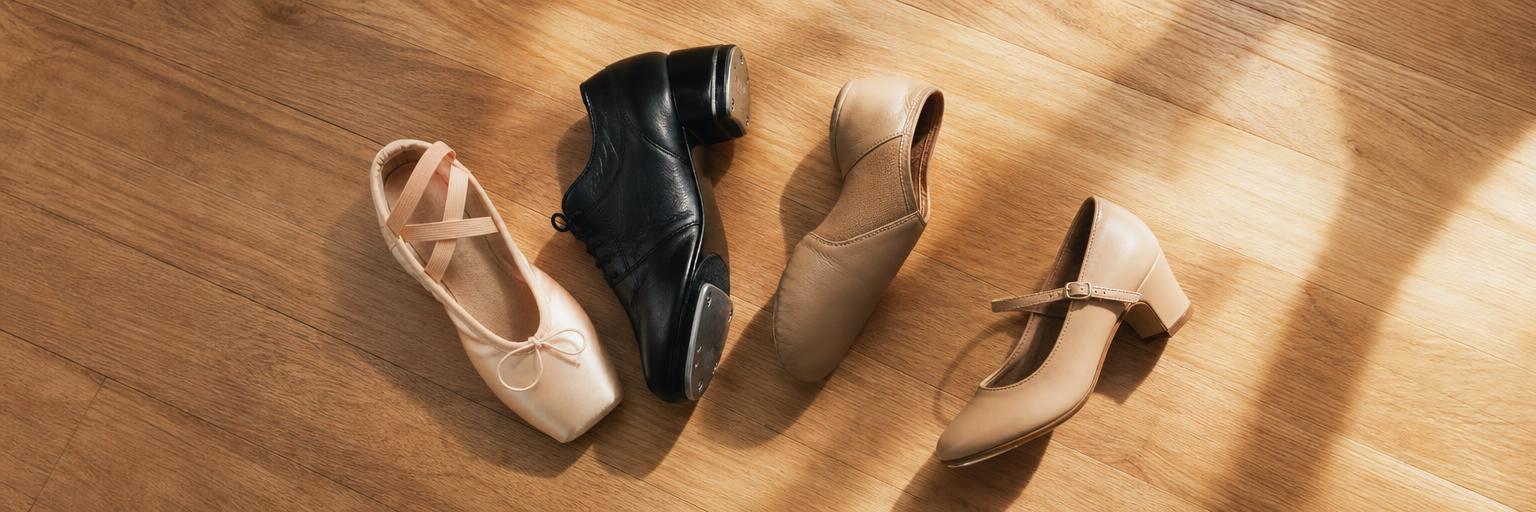
Review

Dance Shoe Sizing, By Style

Dance shoes almost never match your street shoe size. The correct amount to size down varies by style: ballet slippers go 1-2 sizes smaller, jazz shoes go half a size to a size smaller, and character shoes depend more on the brand than the style. Getting this wrong, which most first-time buyers do, means blisters, technique problems, and a second purchase. This guide gives the sizing rule for each style before you order, and flags which brands size unusually within each category.

Updated 2026-05-26 · Independent research, editorial standards here

Dance Shoe Sizing, By Style

Best Picks By Situation

  • Ordering first ballet slippers: Capezio Daisy 205 in 1-2 sizes smaller than street. Full-sole canvas. Buy from a seller with an exchange policy.
  • Ordering first child tap shoes: Capezio Jr. Tyette, same or 0.5 smaller than street. Confirm width is medium: narrow-fit note is on the product page.
  • Upgrading to adult tap (year 2-3): So Danca TA20 at DancewearCorner (~$70.20). Order same size as street or 0.5 up. Runs small per DancewearCorner notes.
  • Ordering first jazz shoes: read the product page size note before adding to cart. Capezio Freeform adds 1.5 sizes for women (counterintuitive but documented). Bloch Jazzsoft tracks closer to street.
  • Ordering first character shoes: Capezio Jr. Footlight is the safest starting point. Closer to street size than ballet or jazz. Bloch Splitflex runs small: don't transfer Bloch ballet sizing.
  • Ordering dance sneakers: Capezio Fierce DS11 at street size or 0.5 down. Confirm teacher rules before buying.
  • Child enrolled in multiple styles at once: measure first, then apply the correct rule for each style separately. Sizes will be different across styles: that's expected.

Before You Buy

  • Measure the foot before opening a product page. Not street shoe size: the actual foot measurement in inches or centimeters.
  • Use the brand's chart for the exact product you're ordering. Capezio's Daisy chart and Bloch's Dansoft chart produce different sizes from the same measurement.
  • Read the product page sizing note. Nearly every dance shoe has one ('runs narrow,' 'add 1.5 sizes for women,' 'same as street size'). It's usually the most useful sentence in the product listing.
  • Order from a seller with an exchange policy. Fit problems in dance shoes are common and expected: an exchange policy is part of the purchase, not a nice-to-have.
  • Never transfer a size from one style to another, even within the same brand. A size in Capezio ballet slippers does not predict a size in Capezio jazz shoes.

Buying Strategy

The sizing problem in dance shoes is not complicated once you understand the rule: every style has its own sizing convention, every brand has its own interpretation of that convention, and neither one is your street shoe size. The fastest path to the right size is: measure the foot, read the brand chart for the exact product, read the product page sizing note, and order from a seller that allows exchanges. That's the whole strategy. The failure mode is skipping any one of those four steps: usually the measurement, often the product page note, almost always the exchange policy.

What We Would Do

Before ordering any dance shoe, we'd write down the style, the brand, and the product name, then go to the product page and read the sizing note. If there's a note that says 'add 1.5 sizes' or 'runs narrow,' we'd follow it exactly. If there's no note, we'd use the brand's own size chart: not a generic dance shoe chart, not street shoe size. Then we'd order from DancewearCorner, Capezio direct, or another retailer with an exchange policy, not from a marketplace or final-sale source. And we'd try the shoes on a hard floor, in the movement the class requires, before removing the tags or taking them outside.

Buyer Walkthrough

Write down the style before you write down the size. If you're buying ballet slippers: measure the foot, go to the brand's chart, read the product page note. If you're buying tap shoes for a child: same steps, plus check whether the Jr. Tyette fits the child's width. If you're buying jazz shoes: go to the product page before anything else: Capezio Freeform has a sizing note that is the opposite of what most people expect (add 1.5 sizes, not subtract). If you're buying character shoes: Capezio Jr. Footlight tracks closer to street size than any other style on this page, but Bloch Splitflex doesn't. If you're buying dance sneakers: Capezio's own product page says size up half a size. In every case, the seller's exchange policy is part of the purchase: you will need it for dance shoes at some point.

Mistakes To Avoid In Plain English

Don't use street shoe size as the starting point. This is how most wrong purchases happen. Don't transfer a size from one style to another: not even within the same brand. A size in ballet slippers is not a size in jazz shoes. Don't buy from a final-sale seller or a marketplace seller for a first-time fit in any style. Don't apply the sizing rule you read for one product to a different product in the same style: brands size differently within the same category. And don't order pointe shoes without a fitter. There is no sizing guide, chart, or rule that replaces a trained pointe shoe fitter for a first pair.

Where to start by buyer type

Style

Ballet slippers (beginner)

Common first pick

Capezio Daisy 205: $14-22

Typical size difference

1-2 sizes smaller than street

Check before ordering

Full-sole canvas for beginners. Use Capezio's chart. Drawstring may need modification before first class.

Check at Capezio
Style

Tap shoes (adult, intermediate)

Common first pick

So Danca TA20 at DancewearCorner: ~$70.20

Typical size difference

Same as street or 0.5 up (runs small)

Check before ordering

Adult sizing only (size 3 minimum). Teacher must confirm it's time to upgrade first.

Check at So Danca
Style

Jazz shoes (beginner)

Common first pick

Read product page: Capezio or Bloch depending on studio

Typical size difference

0.5-1 smaller; Freeform adds 1.5 sizes for women

Check before ordering

Do not guess. The Capezio Freeform sizing rule is on the product page and will produce the wrong size if ignored.

Style

Dance sneakers (studio)

Common first pick

Capezio Fierce DS11: ~$92

Typical size difference

Street size or 0.5 smaller (Capezio says 0.5 up)

Check before ordering

Confirm teacher accepts this style and non-marking sole requirement. Read product page size note.

Check at Capezio

Picks at a glance

Product / Route

Capezio Jr. Tyette

Best use

Most common child beginner tap shoe; narrow-fit warning documented by brand

Price signal

$32-42 (May 2026)

Check before buying

Capezio direct. Narrow fit confirmed on product page. Check exchange policy before ordering for wide feet.

Check at Capezio Jr. Tyette
Best use

Adult intermediate tap sizing reference; runs small per retailer notes

Price signal

~$70.20 (May 2026)

Check before buying

DancewearCorner exchange policy. Adult sizing only (size 3 min). Size-up note confirmed on product page.

Check at So Danca

Current Shortlist

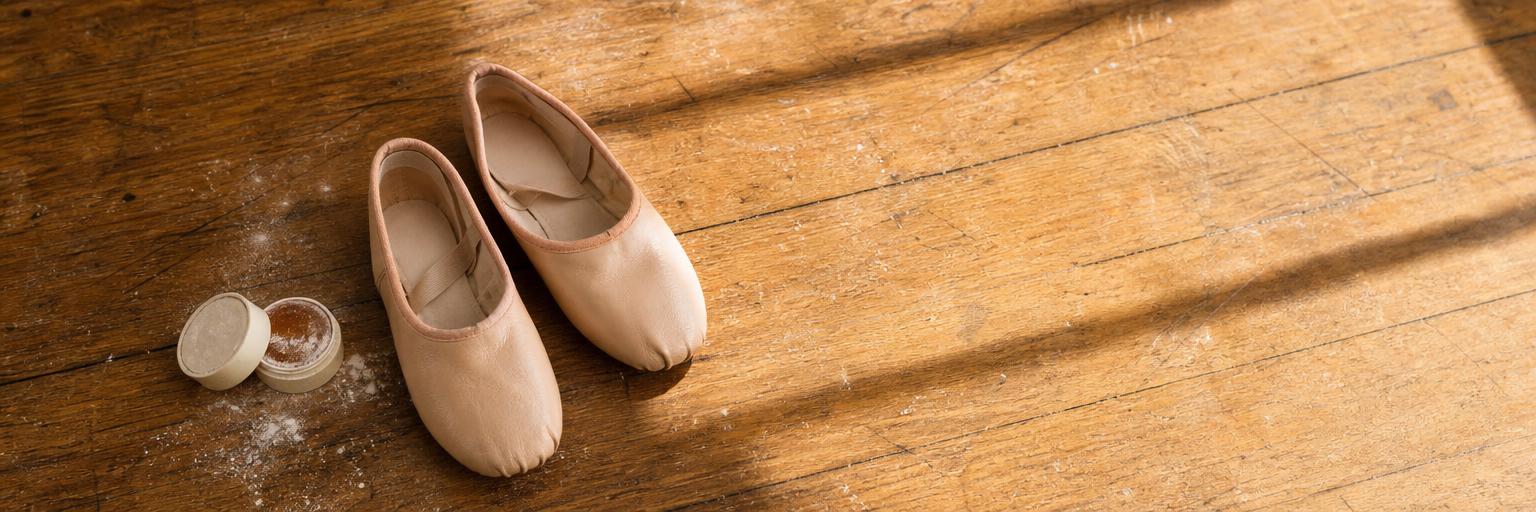
  • Ballet slippers: 1-2 sizes smaller than street shoes. Use the brand's size chart, not street shoe size. Capezio and Bloch use different sizing systems for the same style. Most children's beginner slippers are Capezio Daisy 205 ($14-22) or Bloch Dansoft S0205 (~$22-28). Full sole for beginners.
  • Tap shoes (child, beginner): 0.5-1 size smaller. Capezio Jr. Tyette ($32-42) is the most common first pick. Runs narrow, Capezio says so on the product page. Wide-footed kids need a different shoe.
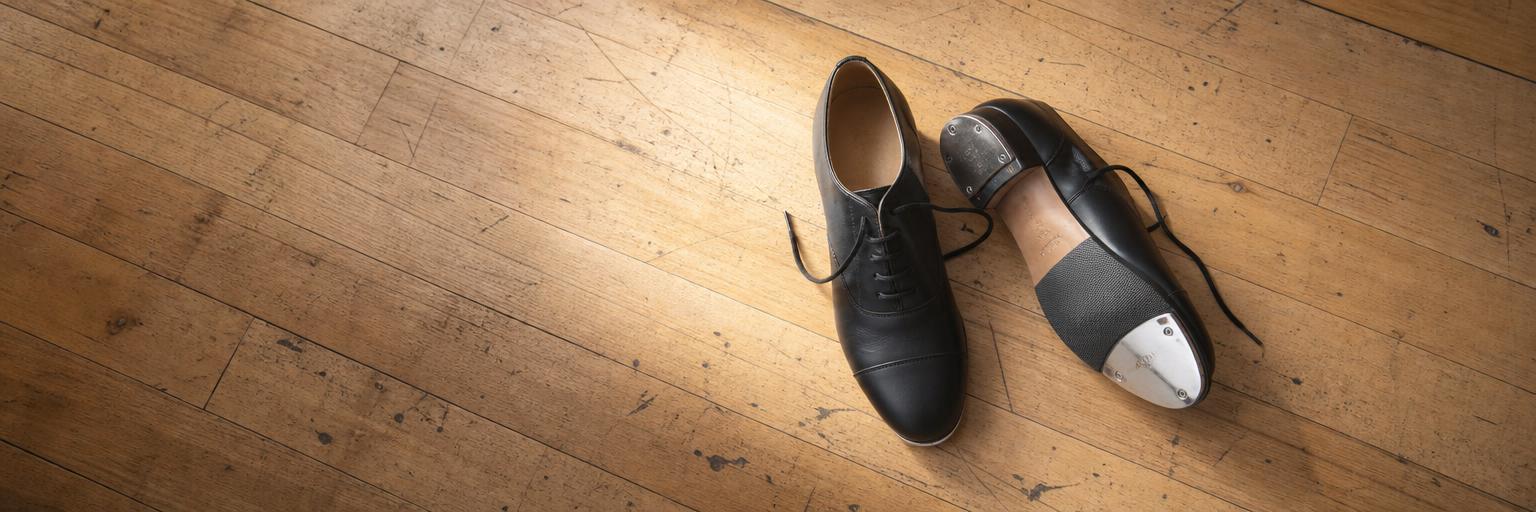
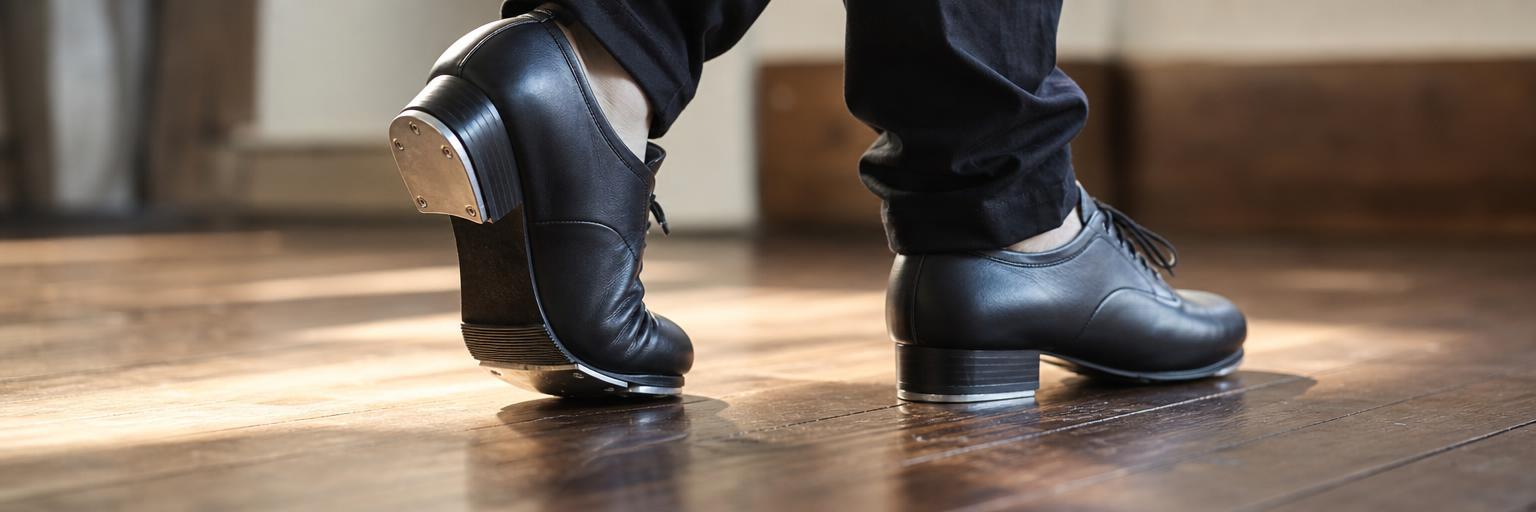
  • Tap shoes (adult, intermediate): Order same size as street shoes or half size up. So Danca TA20 ($70.20 at DancewearCorner) runs small per the retailer's own notes.
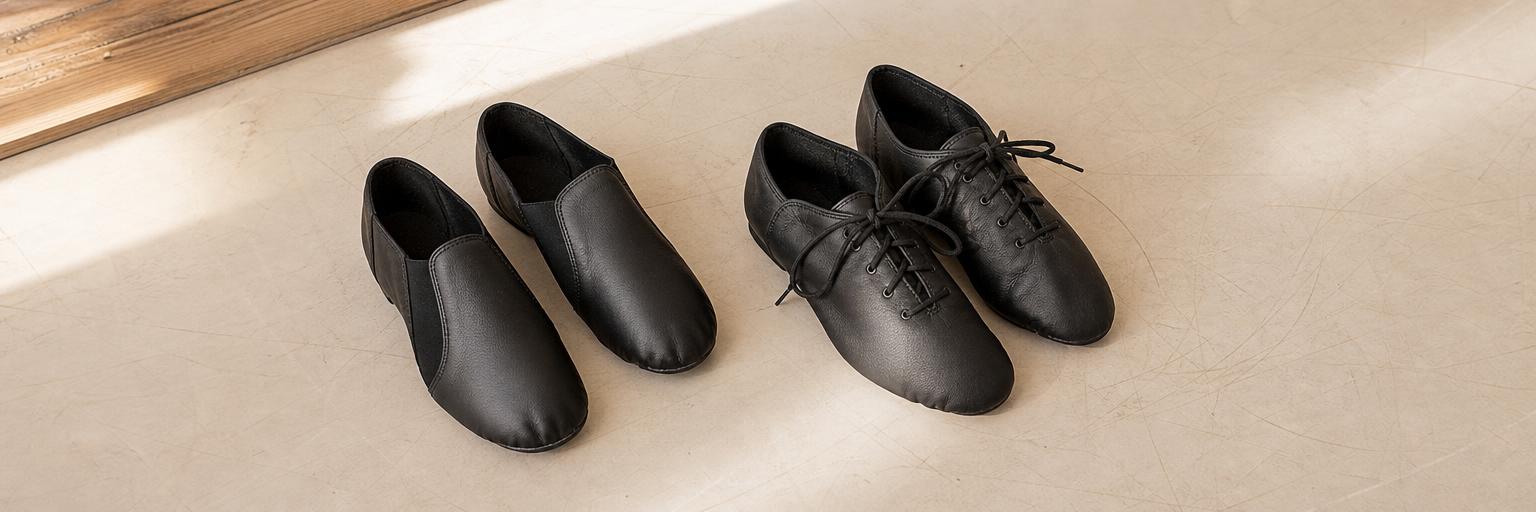
  • Jazz shoes: 0.5-1 size smaller. But Capezio Freeform tells women to start 1.5 sizes UP from street size, so a women's street size 7 orders a 5.5. Read the brand chart for the exact product. Bloch Jazzsoft runs closer to street size.
  • Character shoes: Closer to street size, but varies significantly by brand. Capezio Jr. Footlight ($45-65) tracks fairly close to street. Bloch Splitflex runs small. Read the product page size note, do not transfer sizing from ballet or jazz shoes.
  • Dance sneakers: Usually street size or half size smaller. Capezio Fierce DS11 ($92) says to size up half a size on the product page.
  • Pointe shoes: Never order first pair online. A trained fitter determines the size, it's individual to each foot, arch, and technique level. First-pair pointe shopping without a fitter is how serious foot problems start.

How To Choose

  • Measure the foot first. Stand the dancer on a flat hard floor, heel against the wall, and measure the longest toe to the wall. Use that measurement, not memory, not last season's shoe, not the shoe that fit at the store six months ago.
  • Use the brand's own chart for the exact product you're ordering. Capezio's chart for the Daisy is not the same as Bloch's chart for the Dansoft. Even within one brand, the Daisy and the Footlight use different sizing notes.
  • Read the product page note on sizing. Nearly every dance shoe brand puts a sizing note directly on the product page ('runs narrow,' 'add 1.5 sizes for women,' 'same as street size,' etc.). Those notes are the most useful single sentence in the purchase decision.
  • If between sizes on the chart: choose the smaller size for ballet slippers (fit snug, full contact), the larger size for tap shoes (some break-in volume is normal), and follow the brand's recommendation for jazz and character shoes.
  • Order from a seller with an exchange policy, not just a return policy. Exchange policies let you swap the wrong size. Return-only policies often exclude worn shoes, and most dance shoes get worn before the fit problem is obvious.
  • Never apply the sizing rule from one style to another. A dancer who knows she wears a size 6 Capezio ballet slipper will NOT wear a size 6 Capezio jazz shoe. The sizing convention is different, and the shoe construction is different.

Avoid If

  • Don't use street shoe size for dance shoes. This is the single most common sizing mistake on the site and it produces the most exchanges and fit problems.
  • Don't transfer a size between styles. A fit in ballet slippers does not predict a fit in jazz shoes, tap shoes, or character shoes, even from the same brand.
  • Don't order pointe shoes online without a fitter for a first pair. There is no sizing shortcut here. The consequences are real foot damage, not just a return.
  • Don't buy from a marketplace or final-sale seller for a first-time fit in any dance shoe style. An exchange policy matters more than a $10 discount.
  • Adult starting class for the first time across multiple styles? Best Dance Shoes For Adults Starting Dance Class gives you the recommended shoe and the sizing offset for each style (ballet, jazz, tap, character) in one guide.

Sizing By Style: Quick Reference

Each style has its own sizing convention. Within a style, brands vary further. Read both the style rule and the product page note before ordering.

StyleTypical ruleKey brand exceptionStart here
Ballet slippers (beginner)1-2 sizes smaller than streetCapezio and Bloch size differently from each other; use each brand's chartCapezio Daisy 205 or Bloch Dansoft S0205
Tap shoes (child)0.5-1 size smallerJr. Tyette runs narrow, noted by Capezio on the product pageCapezio Jr. Tyette (confirm width first)
Tap shoes (adult)Same or 0.5 smallerSo Danca TA20 runs small; DancewearCorner notes this explicitlySo Danca TA20 at DancewearCorner
Jazz shoes0.5-1 size smallerCapezio Freeform: women add 1.5 sizes. So street size 7 = Freeform 5.5.Read Capezio or Bloch product page for your specific model
Character shoesCloser to street size, varies by brandBloch Splitflex runs small. Capezio Jr. Footlight tracks closer to street.Capezio Jr. Footlight (read product page note)
Dance sneakersStreet size or 0.5 smallerCapezio Fierce DS11 recommends sizing up 0.5Capezio Fierce DS11 (confirm studio rule first)
Pointe shoesFitter determines, no rule appliesFirst pair cannot be ordered online; fitter assesses foot shape, arch, core, and techniqueBook a fitter through the teacher, do not order online