Review

Best Intermediate Tap Shoes For Dancers Ready To Upgrade

The upgrade from a beginner tap shoe isn't about price. It's about what the shoe does. A beginner tap shoe like the Jr. Tyette has lightweight stamped taps that produce a single blended sound. Once a dancer is working on technique that requires the heel and toe to register separately, or once the teacher starts correcting the shoe's sound rather than the dancer's feet, the shoe is the problem. The products on this page have screwed-on real taps, a leather or structured sole that resonates, and enough heel height to matter for technique work. The question isn't whether to upgrade. The teacher will tell you when. What follows is what to buy the day she does.

Updated 2026-06-30 · Independent research, editorial standards here

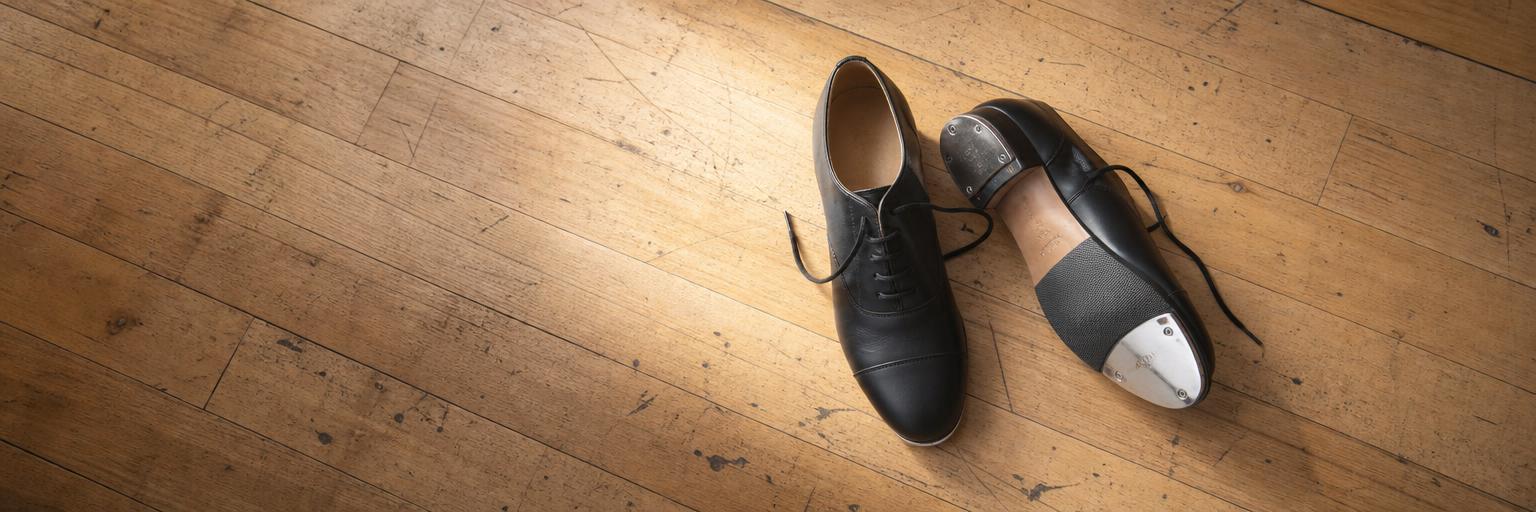
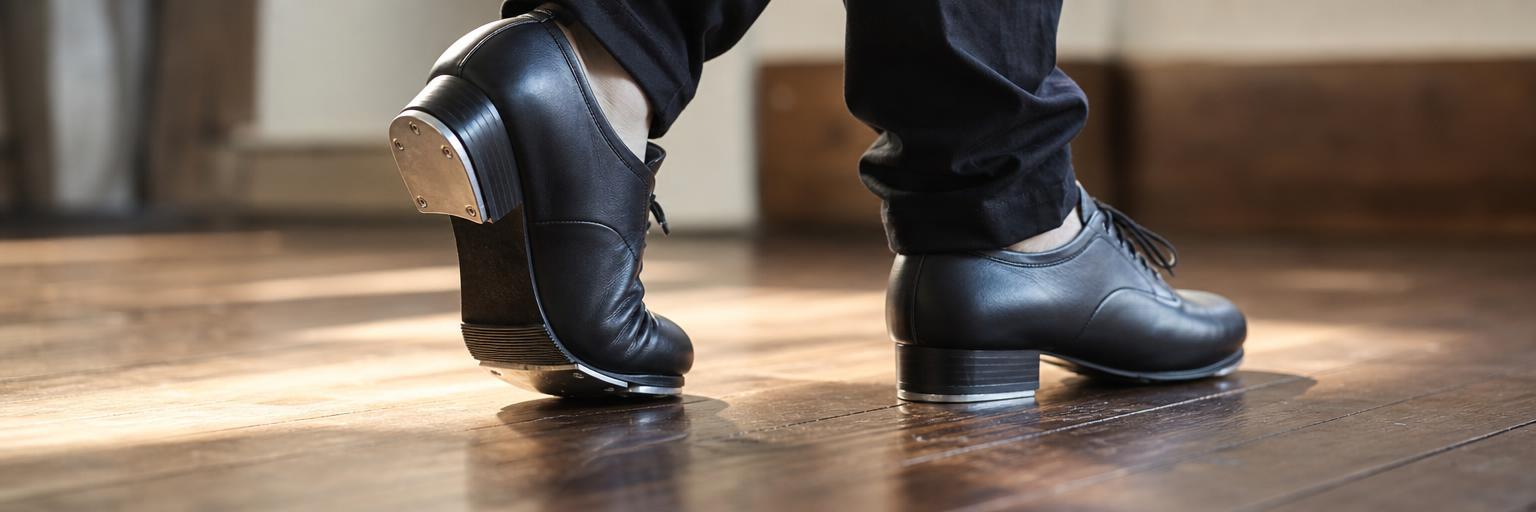
Close-up of quality tap shoes on a hardwood tap floor.

Best Picks By Situation

  • First upgrade from Jr. Tyette, teacher recommended: So Danca TA20. Lowest price in the real-tap tier. Runs small: DancewearCorner recommends ordering same as street shoe or half size up.
  • Teacher correcting heel weight distribution in combinations: Bloch S0323L Showtapper. The 1.5-inch heel changes how the body distributes weight in heel-toe combinations. This is the shoe for dancers where heel technique has become the teacher's focus.
  • Intensive class schedule, need shoes that last: Bloch S0381L Audeo. Full-grain leather and a leather stacked heel built for high-frequency use. The lace-up holds the foot differently than an ankle strap: personal preference between the two Bloch options.
  • Still in child sizing: don't buy adult shoes too large to compensate. Ask the teacher whether the So Danca TA04 lace-up is the right child-size intermediate option or whether to wait for Adult 3+ feet.

Before You Buy

  • Wait for the teacher's recommendation. The upgrade is a technique-development decision, not a year count decision. The teacher will tell you when the shoe is the limiting factor.
  • Check the size notes carefully. All three picks have different sizing characteristics. The TA20 runs small. The Bloch options use Bloch's own sizing system.
  • All three picks are adult sizing (Adult 3 minimum). If your dancer is in child sizes, none of these shoes apply: ask the teacher for a child-appropriate intermediate option.
  • Order from DancewearCorner or another seller with an exchange policy for first-time fits. Dance shoe sizing requires a try-before-you-decide window.

Buying Strategy

The intermediate tap shoe decision has one prerequisite that rules everything else: the teacher has to recommend the upgrade. Not the parent, not the dancer asking, not a year count. The teacher sees the technique and knows whether the shoe is limiting the dancer's sound and clarity. Once the teacher recommends upgrading, the buying strategy is simple: price, heel preference, and sizing. The So Danca TA20 is the entry price for the real-tap tier. The two Bloch options are for dancers where the teacher has identified a specific technical need (heel weight distribution or high-frequency durability). All three require an exchange-friendly seller for first-time fit.

What We Would Do

After the teacher says to upgrade: start with the So Danca TA20 from DancewearCorner (~$70.20). It's the lowest-price pick in the genuine-tap tier, with real leather sole and resonating boards. Runs small: order same as street shoe or half size up per DancewearCorner's notes. If the teacher specifically mentioned heel technique or combination work, look at the Bloch S0323L Showtapper instead: the 1.5-inch heel changes weight distribution in a way that helps dancers working on heel-toe combinations. For a dancer on an intensive class schedule (5+ days per week), the Bloch S0381L Audeo's full-grain leather and leather stacked heel justify the $115 price. All three: buy from DancewearCorner (Bloch direct SSL certificate expired as of May 2026), and confirm exchange policy before clicking buy.

Buyer Walkthrough

Before anything else: did the teacher say it's time to upgrade? If the answer is no, the rest of this walkthrough doesn't apply yet. Wait. When the teacher does give the signal: confirm whether she had a specific shoe in mind. If not, start with the So Danca TA20: lowest price in the genuine-tap tier and the right first step for most students. The TA20 runs small: order the same size as street shoes or a half size up. If the teacher mentioned heel weight or combination technique specifically, look at the Bloch S0323L instead before deciding. Order from DancewearCorner (Bloch direct SSL certificate expired as of May 2026). Keep the tags on until you've confirmed fit at home on a hard floor.

Mistakes To Avoid In Plain English

Don't upgrade before the teacher says to. Year count and age are not the signal. Technique development is, and the teacher sees it. Don't buy from Bloch direct right now (SSL certificate expired as of May 2026; stick to DancewearCorner). Don't size adult shoes on a child who needs size Adult 3 or smaller. These are adult shoes and don't come in child sizes. If your dancer is still in child sizing, ask the teacher for a child-appropriate option. Don't skip the exchange policy check on a first-time fit in a new shoe from a different brand.

Where to start by buyer type

Best For

First real-tap upgrade, teacher recommended

Start Here

So Danca TA20: ~$70.20

Why

Lowest price in the real-tap tier. Genuine leather sole, resonating boards, screwed-on taps. Adult 3-13 Medium and Wide.

Check First

Runs small: order same as street shoe or half size up per DancewearCorner. Adult sizing only.

Check at So Danca
Best For

Heel technique work, ankle strap preferred

Start Here

Bloch S0323L Showtapper: ~$99

Why

Genuine leather, 1.5-inch heel, Techno Taps, ankle strap with buckle. The heel height changes weight distribution for combinations.

Check First

Adult 4 minimum. No child version. Buy from DancewearCorner (Bloch direct SSL expired).

Check at Bloch
Best For

Intensive schedule, maximum durability

Start Here

Bloch S0381L Audeo: ~$115

Why

Full-grain leather upper, leather stacked heel, wick-away lining. Built for high-frequency class use. Lace-up vs. ankle strap is personal preference vs. the Showtapper.

Check First

Adult 4 minimum. No child version. Buy from DancewearCorner.

Check at Bloch

Picks at a glance

Current Shortlist

  • Year 2-3 tap dancer, teacher says it's time: So Danca TA20 Oxford Tap Shoe at DancewearCorner (~$70.20). Vegan leather upper, genuine leather sole with resonating boards, screwed-on taps. Adult 3-13 Medium and Wide. Runs small: order same as street shoe or half size up per DancewearCorner's notes.
  • Serious intermediate dancer needing heel height for technique: Bloch S0323L Showtapper Leather at DancewearCorner (~$99). Genuine leather, 1.5-inch heel, Bloch Techno Taps, ankle strap. Adult 4-12 in black and tan. The heel height matters. It changes how combinations land and how the dancer distributes weight.
  • Maximum durability for intensive schedules: Bloch S0381L Audeo Lace Up at DancewearCorner (~$115). Full-grain leather upper and leather stacked heel with wick-away lining. Built to last through a full school year of intensive class. Lace-up secures the foot differently than an ankle strap. Which one you prefer is personal between the two Bloch options.
  • Still in child sizing? The So Danca TA20 starts at Adult 3, and the Bloch options start at Adult 4. If your dancer isn't there yet, ask the teacher whether the So Danca TA04 lace-up (~$34 at DancewearCorner) is the right intermediate child option, or whether to stay on the Jr. Tyette until their feet reach Adult 3. Don't buy an adult shoe that's too big to compensate.

How To Choose

  • Wait for the teacher's recommendation. The upgrade from a beginner tap shoe is a technique-development decision, not a calendar decision. Year count and age are not the signal. The signal is when the teacher says the shoe is limiting what she can teach. If the teacher hasn't said it's time, it's not time.
  • Pick by heel height and construction for the first real upgrade. The So Danca TA20 is the lowest-cost verified pick with real taps and a leather sole. The Bloch Showtapper adds a 1.5-inch heel that changes how the dancer distributes weight in combinations. Most intermediate dancers start with TA20-level construction and move to the Bloch tier when heel height becomes part of the teacher's correction list.
  • Know the full sole versus split sole choice, because at this tier it is a real construction fork and most teachers have a side. Every pick on this page is a full sole, one continuous piece of leather from toe to heel. That is the traditional, more stable build. It supports the arch, sits a little heavier, and gives the grounded, even sound most studio and musical-theater work wants, which is why it is the safe default for an upgrading student. A split sole leaves the arch open so the foot can point and flex more, and some contemporary and rhythm-tap teachers prefer it for articulation, but it is less stable underfoot and not what every program uses. This is a style-and-technique call, not a budget one, so ask the teacher before you buy a split sole over the full-sole picks here. With no specific preference from the teacher, a full sole covers the widest range of class and competition work.
  • Size for now, not for growth. Like all dance shoes: snug fit at the toes with no curling, heel secure on relevé, no slipping in the heel cup. Growing room in tap shoes causes slap errors and makes it harder to articulate heel versus toe separately. Order using the retailer's specific size notes.
  • Don't skip the teacher's return policy check. Order from a seller with an exchange policy for first-time fits. DancewearCorner's exchange terms are the relevant benchmark, verify before clicking buy.
  • A gently-used pair is a smart buy at this price tier in a way it never was for the beginner shoe. A leather intermediate tap holds up where a plastic Jr. Tyette didn't, so the studio swap table, a consignment rack, or a dance resale group often has a barely-worn pair from a dancer who outgrew it in a season. Vet it like a serious student would, though. Check that all four taps are tight and that none of the screw holes are stripped, because a tap that spins and won't snug down is a dead shoe. Look at the sole and the tap edges for even wear, not a worn-through heel or a ground-flat front edge. And fit it on her own foot in person, because leather molds to the last owner and a pair that fit them can pinch her. A used pair with solid taps and an honest sole at half the price beats a new one she grows out of by spring.
  • Verify tap compatibility before buying replacement taps. Bloch Techno Taps and Eurotard Euphonix taps are screwed in, but tap threading and mounting hole patterns differ by shoe. Don't assume aftermarket taps from a different brand are direct swaps.
  • Keep a tap wrench in the dance bag and tighten the screws every few weeks. The trade-off for screwed-on taps, the very feature you're paying to upgrade to, is that they loosen with use, and a loose tap buzzes or rattles just enough to muddy a clean sound. A dancer who suddenly sounds sloppy often has a loose screw, not a technique problem. Check both taps on both shoes before a competition, because a screw that backs all the way out drops the tap mid-number.

Avoid If

  • Don't upgrade without the teacher's input. A dancer still developing basic foot articulation on a Jr. Tyette will not automatically improve by switching to a $70 shoe. The shoe change is appropriate only when the existing shoe is limiting what the teacher is trying to teach.
  • Don't buy child-size adult shoes. If your dancer isn't in Adult 3+ yet, there is no equivalent intermediate shoe in child sizing from these brands. Buying an adult shoe too large to compensate creates worse technique problems than staying on the beginner shoe.
  • Don't buy from Bloch direct. Bloch's US domain (us.bloch.com) has had SSL certificate issues as of 2026-05-26. Purchase verified Bloch options from DancewearCorner instead.
  • Don't assume the K360 or similar professional tap oxfords are the next step after these shoes. The Capezio K360 is a $440 professional concert tap shoe used by working performers. Most recreational and studio dancers who upgrade to the So Danca TA20 or Bloch Showtapper will stay at that tier for years. The professional tier exists and is appropriate eventually, but it's not the upgrade from a Jr. Tyette.

What Makes A Tap Shoe Intermediate

  • The difference between a beginner tap shoe (Jr. Tyette, $35-40) and an intermediate tap shoe ($70-115) comes down to three things: the tap type, the sole, and the heel.
  • Beginner shoes have stamped metal taps, often glued or riveted in place. They produce a blended click that works for learning basic patterns. They cannot be adjusted, replaced with a different tap weight, or tightened once the screw-in posts loosen.
  • Intermediate and above shoes have screwed-on taps. The screws can be tightened, the taps can be replaced when worn, and the mounting allows the tap to resonate against the sole rather than deaden against it. This is why the sound changes: the leather or structured sole acts as a sounding board in a way that a thin plastic sole doesn't.
  • Heel height matters for technique work. A flat or minimal-heel beginner shoe doesn't prepare the dancer for the weight distribution that a 1-inch or 1.5-inch heel requires. Once heel work becomes part of class, and it does at the intermediate level, the heel height on the shoe starts to shape how the body learns the movement.
  • None of this means a dancer needs an intermediate shoe on day one. The beginner shoe is correct for learning basics. The intermediate shoe is correct when the teacher says the basics are solid enough that the shoe is now the limiting factor.

Breaking In A Leather Tap Shoe (It's Not The Plastic One You're Used To)

Here's the part nobody warns you about when you move up from a Jr. Tyette. That beginner shoe was plastic, it fit out of the box and you never thought about it again. These are real leather, and leather behaves nothing like that. A new pair is stiff, the sole is slick, and it needs a little care to actually last the school year you're paying for. Plan for a short break-in instead of sending her out cold in them at the first class.

  • A brand-new leather sole is slick, and that catches dancers off guard. Coming off a grippy plastic beginner shoe, the first steps on a smooth tap floor can slide out from under her. Gently scuff the smooth part of the sole with fine sandpaper (the sole only, never the taps) and have her walk and do a few slow shuffles at home before class. It takes a couple of classes for the sole to break in the rest of the way on its own.
  • Expect stiffness for the first week or two. Leather uppers are firm when new and soften to the foot with wear. A hot spot at the heel or the ball during break-in is normal, and a blister bandage or a thin sock through the first few classes gets her past it. If a spot still rubs raw after two weeks, that's a fit problem, not break-in, and it's what the exchange window is for.
  • Don't force the break-in with heat or water. The old tricks people use on street leather, soaking them, hitting them with a hair dryer, the freezer-bag stretch, warp a tap sole and can loosen the tap mounting. Wearing them is the only break-in a tap shoe should get. Short sessions more often beats one long painful class.
  • Wipe the leather down and let them air out after class. Sweat sitting in a leather upper is what cracks it and grows the smell that never leaves. Wipe the inside dry, loosen the laces or strap, and let them breathe out of the dance bag. A leather shoe left sealed wet in a bag is a leather shoe you replace early.
  • Condition the leather lightly a few times a season. A thin wipe of leather conditioner on the upper, not the sole and not near the taps, keeps it from drying and cracking through a heavy class schedule, which is the whole reason you paid for leather over plastic. A little goes a long way, since heavy conditioner softens the sole you just broke in.
  • Keep the new shoes off the street. Same rule as any dance shoe, but it bites harder here, because one walk across a parking lot grinds the leather sole and the tap edges, and grit pressed into the sole dulls the clean sound you upgraded to get. Carry them and change at the studio.
  • Break-in is only the start of keeping a leather pair alive. How often to condition, the fix for the locker-room smell a sweaty kid puts in them by October, how to store them over the summer so they do not warp, and the tap-screw routine that keeps the sound clean all live in Dance Shoe Care, By Material. A leather shoe you maintain earns the second year you paid for; one you do not goes sour and stiff by spring.

The Child Sizing Gap

  • The So Danca TA20 starts at Adult 3, and both Bloch intermediate options start at Adult 4. Adult 3 is roughly a US women's size 3, which most dancers reach by age 11-12, but there's no clean rule. Foot size varies considerably.
  • If your dancer is in child sizes (12 and under) and the teacher has recommended an upgrade, the honest answer is that the robust intermediate market is in adult sizing. The best path is to ask the teacher directly: 'Her feet are still a child 2. Is the So Danca TA04 lace-up a better next shoe than the Jr. Tyette, or should we wait for her feet to reach Adult 3?'
  • Most teachers know the child-to-adult sizing transition is coming and will give a practical answer. Some will recommend waiting. Some will suggest a specific child shoe from their experience that performs better than the Jr. Tyette without being an adult shoe. Don't assume the guide on this page applies to child sizes. It doesn't.

Keep reading

More reviews worth your time