Quick answer
Can my child reuse last year's dance shoes
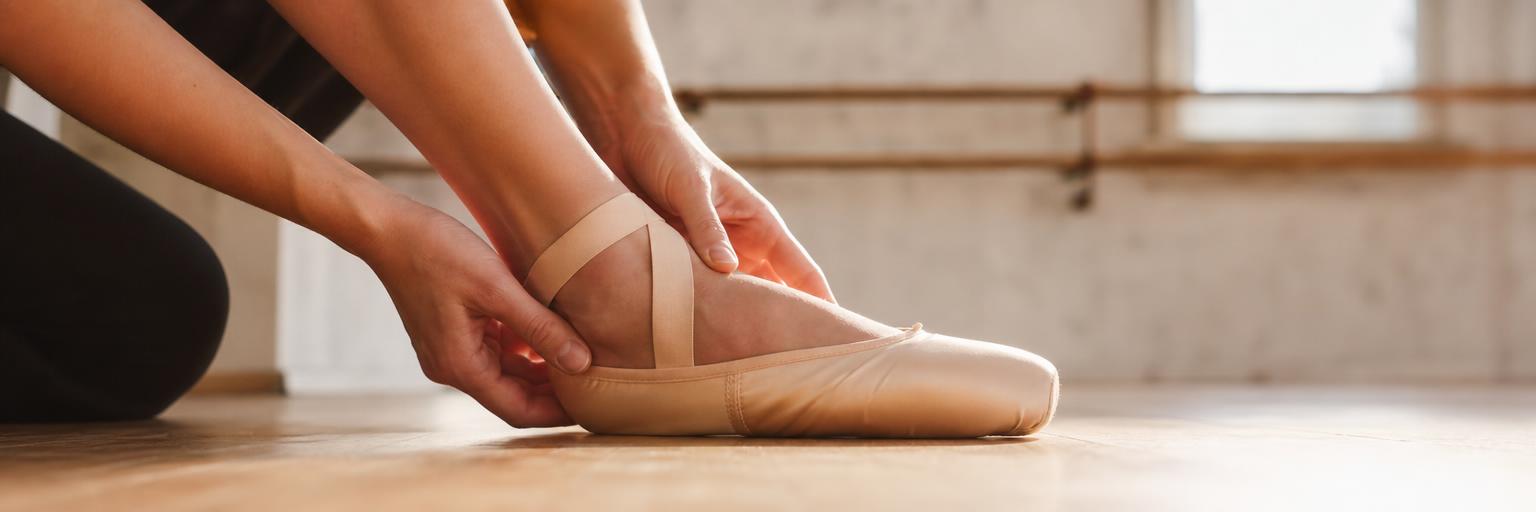
When fall classes start September 8th, last year's Capezio ballet slippers are at the bottom of the bin and still look fine to you, and she has had a half-size shoe growth since June.
Quick read
Check fit first: have the dancer try them on and do a relevé. If the heel slips, toes are cramped, or the fit feels wrong, replace them regardless of condition. Then check sole wear: suede soles with bald spots are done; leather soles with worn-through ball areas are done. Canvas stretches and never tightens back up, so if a canvas shoe is visibly looser than it was last year, it's done. Leather tap shoes and character shoes often go 2 to 3 seasons with care. If you're unsure, bring them to the first class and ask the teacher.
Gear for this situation
What to do
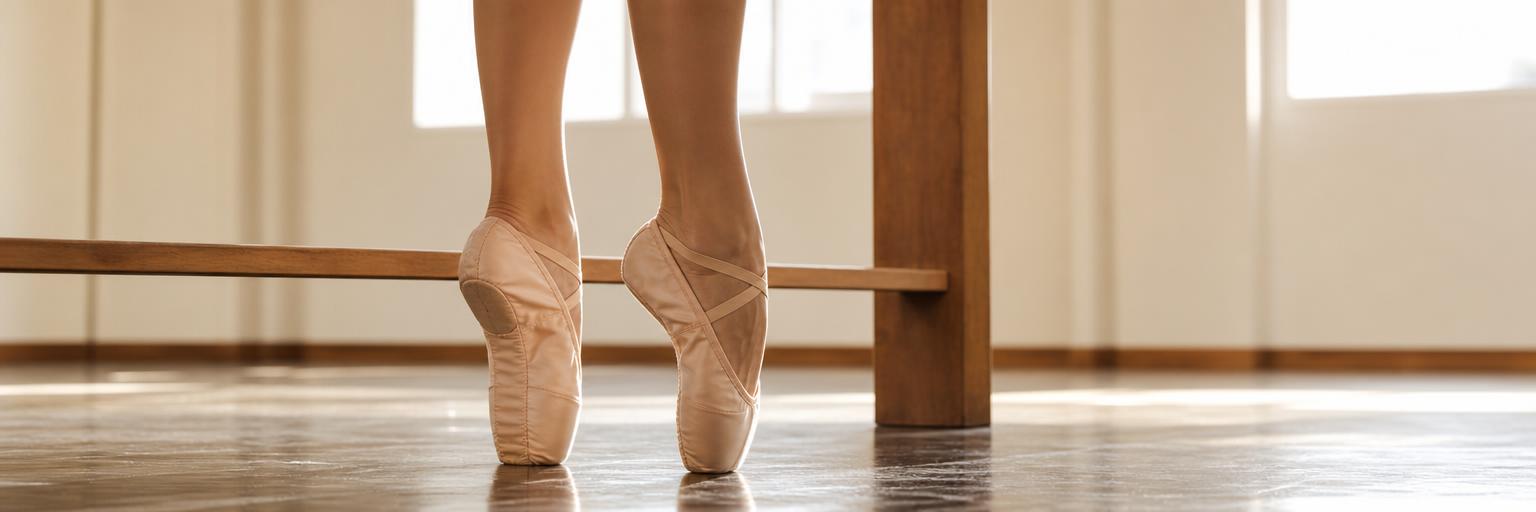
- Check fit before anything else. Have the dancer put the shoes on, stand in them, do a relevé, and walk across the room. If the heel lifts on relevé, the toes feel cramped, or the fit is noticeably different from how the shoe felt at the start of last season, replace them. A dancer who has grown even half a size will feel it in a snug dance shoe. And when a pair fails this check, don't just order the same marked size one number up: dance brands size on their own charts, and a year of growth rarely maps to exactly one size. Our shoe fit finder turns her current street size into a per-brand starting size for the replacement in under a minute.
- Run that fit check the way the shoe actually gets worn, or it will lie to you. Try the shoes on the foot at the end of the day, in the tights or socks she will really dance in, not barefoot first thing in the morning, because a foot is biggest after a day of standing on it and a bare foot reads close to a half size roomier than one inside a footed tight. Fit the bigger foot, since most dancers have one foot slightly longer than the other and the shoe has to clear the longer one. And know what you are up against, because a growing child often goes up a half to a full size in a single year, so the pair that fit perfectly last fall is frequently outgrown by this one even when the sole and stitching still look untouched. That is the quiet truth of reuse, what retires most last-year shoes is the foot getting bigger, not the shoe wearing out, so fit is the first gate and every wear check below it only matters once the shoe still fits.
- Inspect the sole wear pattern on the ball of the foot. For suede soles (ballet slippers, jazz shoes, most lyrical shoes): look for bald patches where the suede texture has worn completely away. A little matting is normal; worn-through to the base material means the shoe has lost its correct friction characteristics. For leather soles (character shoes, most tap shoes): check the ball and toe area for wear-through.
- Check structural integrity by style. Ballet slippers: is the drawstring still functional? Is the elastic at the heel still intact, or stretched and floppy? Does the canvas still hold its shape or has it stretched visibly beyond the foot? Jazz shoes: is the split-sole crease still flexible or has the sole stiffened? Is the elastic over the arch still providing tension? Tap shoes: are the tap screws tight? Are the taps themselves secure, or does one rattle or shift? A loose tap can be re-screwed; a cracked tap needs replacement.
- Canvas shoes, like ballet slippers and most jazz shoes, stretch over a full season of regular use and do not tighten back up. If a canvas shoe now fits loosely, gaping at the side seams or with the heel cord no longer gripping, it's done. This is especially common for young dancers who wear the shoes multiple times a week. Leather shoes don't stretch the same way and can legitimately go multiple seasons.
- A sibling hand-down is a different question from reusing your own dancer's pair. Length can fit perfectly and the shoe still be wrong, because a leather slipper, jazz, or character shoe molds to the first dancer's foot and takes on her break and her wear pattern, so it can fight a second foot of a different shape. Hand-downs work best where the shoe is hard and reconditionable, like a leather tap shoe that can be re-tapped or a character shoe with a fresh sole, and worst on a stretched canvas slipper that already gave its shape to the first dancer and won't come back for the second.
- Ask the teacher at the first class or lesson. A teacher watching barre work can spot in one exercise whether a shoe is failing: loose fit on relevé, worn sole reducing grip, or structural problems affecting technique. One email before the season starts ('Do these look like they have another season left?') is worth more than guessing from home.
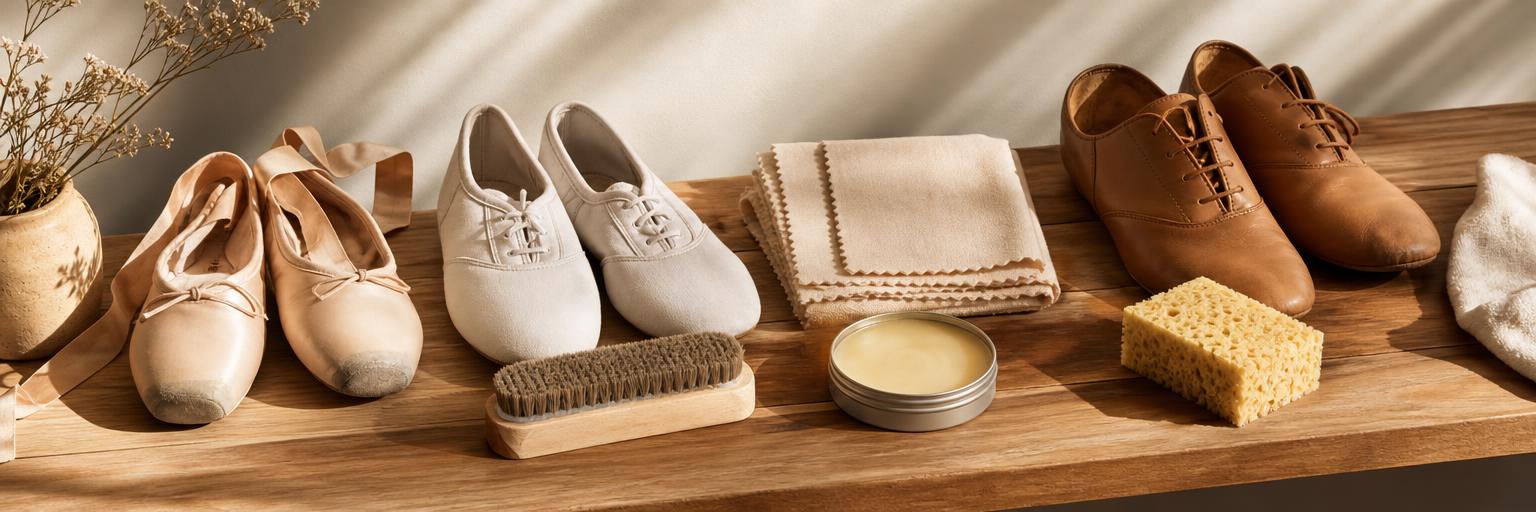
- Before you write off a borderline pair, try the cheap revivals first, because a shoe that looks dead after a summer in a closet often has a season left in it. A suede sole gone slick and matted comes back with a few passes of a suede or wire brush, which lifts the nap and restores the grip the dancer lost. A ballet slipper drawstring that has gone loose can be re-cinched and re-knotted, or swapped for a fresh one for a couple of dollars, before you call the whole slipper done. Leather tap, jazz, or character shoes that dried out and stiffened in storage soften back up with a thin coat of leather conditioner worked in and left overnight. None of this rescues a shoe she has outgrown or a canvas slipper that has stretched out, so length and fit still come first, but a brush, a new drawstring, or a wipe of conditioner is a few dollars against a whole new pair. If the pair passes the reuse check and you want it to last the full second season, the shoe care and cleaning walkthrough covers the routine by material (canvas wash, leather wipe-down, suede brushing schedule, tap-screw maintenance) that extends a kept pair noticeably further than ignoring it for a year does.
- Tap shoes with worn metal taps can often be repaired rather than replaced. A cobbler or shoe repair shop can replace the metal tap plates ($15 to $25 typically) and give a well-made leather tap shoe several more seasons of life. Check the leather upper condition first: if the upper is cracking or separating from the sole, it's not worth resoling.
- Not sure a worn shoe is actually done? Our replace-or-not check walks the wear signs by shoe type and leads with the cheapest honest fix, so you replace only what is genuinely gone instead of re-buying a shoe that had a season left.
Common mistakes
- Don't judge a shoe by its upper. The outside of a ballet slipper or jazz shoe can look clean and presentable while the suede sole on the bottom is completely bald. Turn the shoe over and check the ball-of-foot area before deciding it has another season.
- Don't reuse shoes that slipped during the fit test. A loose shoe on a studio floor, especially a sprung floor or a Marley surface, is a real fall risk. If the heel lifts on relevé at home in the living room, it will lift under real class conditions.
- Don't replace all shoes automatically at the start of every season. Leather tap shoes, leather character shoes, and some leather jazz shoes can realistically go 2 to 3 seasons with normal care and maintenance. Replace based on condition and fit, not calendar habit.
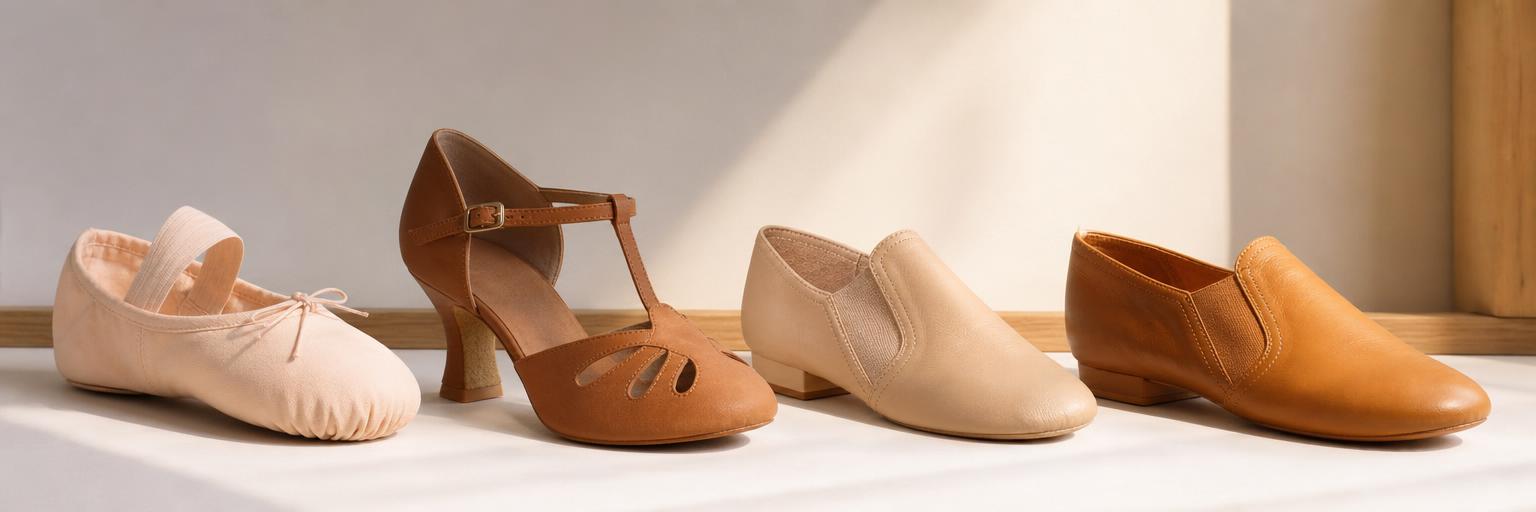
- Don't reuse shoes for a recital or performance without checking them against the current costume sheet. Pink ballet slippers can go gray over a season. Tan tights and shoes can yellow. Recital requirements specify exact colors: last year's 'tan' may not match this year's 'caramel' requirement. The what does flesh or nude mean on a dance shoe requirement walkthrough decodes which shade names map to which actual leather and canvas across brands, so 'caramel' on this year's sheet lands on a specific shoe instead of a guess at last year's pair under stage lights.
Keep reading