Quick answer
How do I care for and clean dance shoes
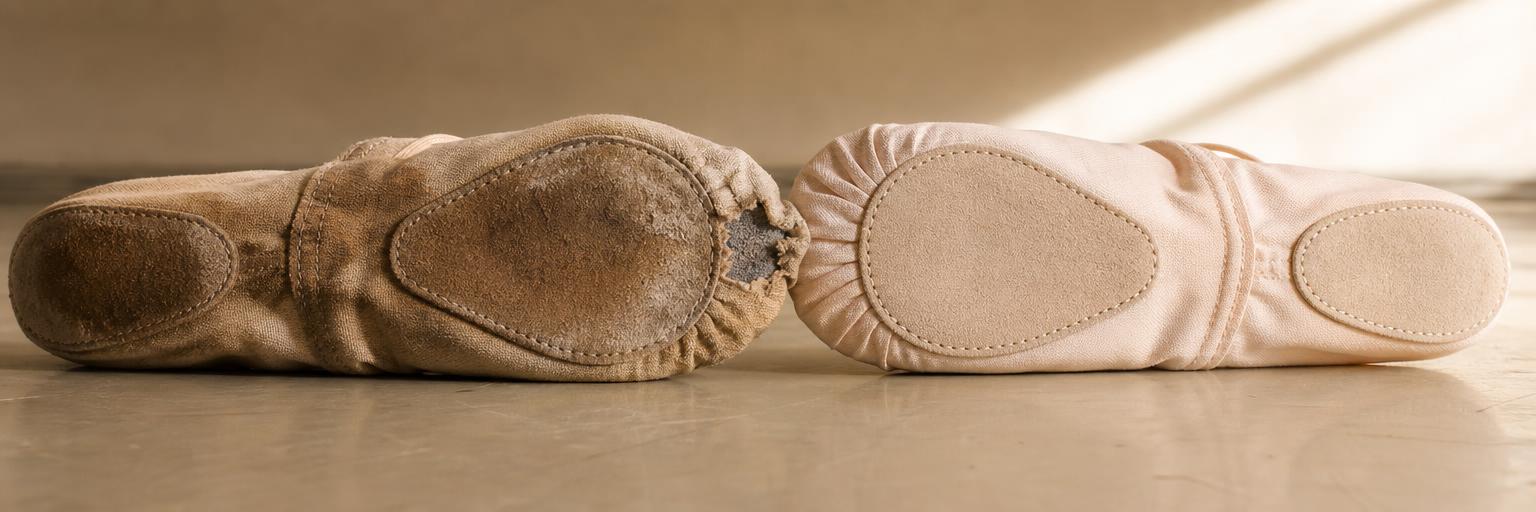
When the once-pink Bloch canvas slippers are turning grey at the toe, the jazz shoes' suede sole feels glassy when she pivots, and you cannot tell which of these needs a brush, a wash, or a new pair.
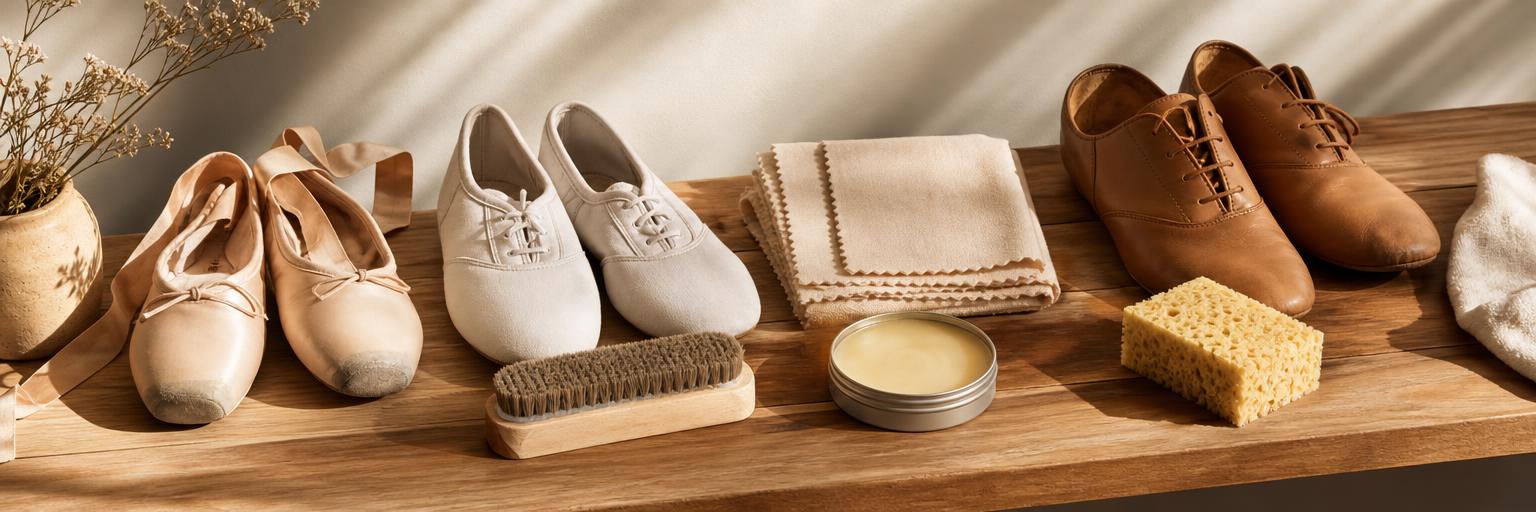
Quick read
Care depends on material and sole type. Canvas can be hand-washed cold and air dried. Leather wipes down with a damp cloth and takes a neutral conditioner once a season if it starts to dry out. Suede soles glaze over and need periodic brushing to restore grip. Tap screws loosen from normal use and need a Phillips-head screwdriver in the dance bag. Know when to maintain vs. replace: loose taps are maintenance; detached taps that won't re-secure are a replacement signal.
Gear for this situation
What to do
- Identify the shoe material before doing anything. Care is different for leather, canvas, and satin. Check the inside label or the product page. Most beginner dance shoes are canvas (ballet slippers, some jazz shoes) or leather (most tap shoes, character shoes, many jazz shoes). Doing the wrong thing for the material causes faster deterioration than normal wear does.
- Canvas shoes (ballet slippers, canvas jazz shoes): shake out dirt after each class. For washing, hand wash in cold water with mild soap or use a mesh laundry bag on the cold gentle cycle. Air dry at room temperature only. Dryers shrink canvas. Heat sources (radiator, direct sun, blow dryer) warp the shape and degrade adhesive. Don't bleach canvas shoes regardless of how grey they get.
- Leather shoes (tap shoes, character shoes, leather jazz shoes): wipe the upper with a damp cloth after class to remove sweat and floor residue. Use a neutral leather conditioner once per season if the leather starts looking dry or developing small cracks at the flex point. Never machine wash leather. Never dry with heat. A light coat of neutral polish applied before recital or competition keeps them looking clean under stage lights.
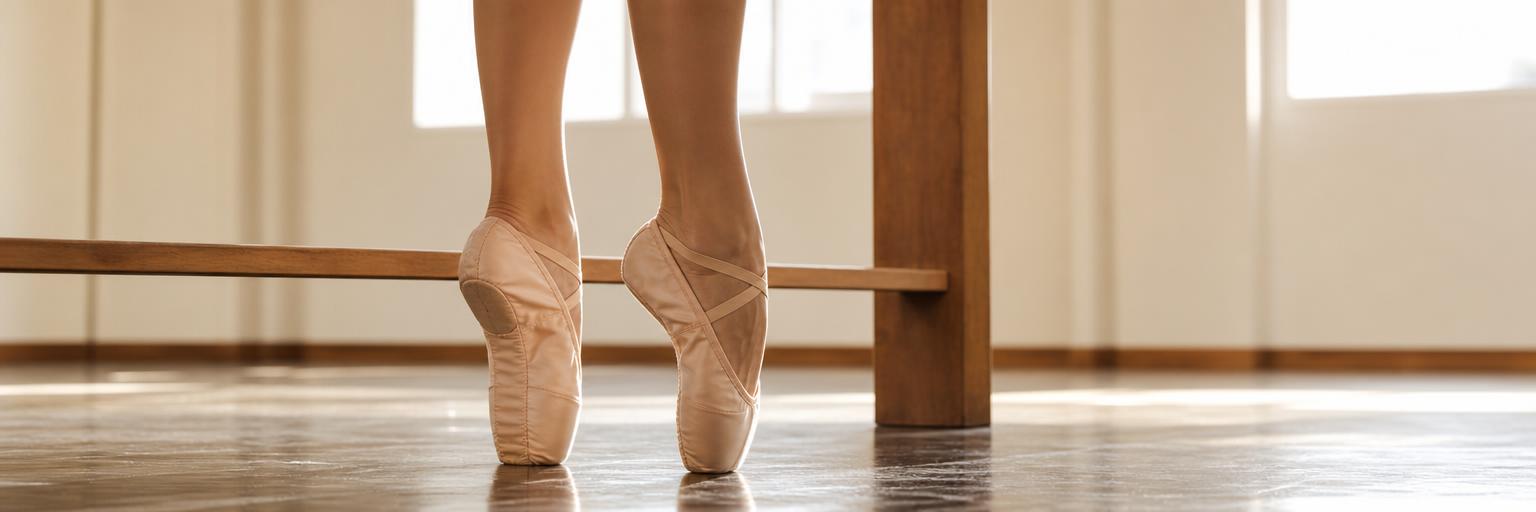
- Satin shoes (pointe shoes, some ballet flats, dyeable ballroom and Latin shoes): never soak or machine wash them, because water leaves rings and spots on satin and can lift it from the shoe. Spot-clean a mark with a barely damp cloth and the smallest bit of mild soap, blotting rather than rubbing, then let it air dry away from any heat. Most satin problems on stage are not dirt anyway, they are scuffs and shine, and those get handled cosmetically rather than cleaned. A dab of calamine lotion or a little matching pancake or cream makeup tones down the shine and hides a scuff under stage lights, the same trick dancers use on pointe shoes. Dyeable ballroom satin can be colored to match a costume or a skin tone, but the dye is permanent, so do it once and deliberately. And keep satin away from velcro and the gritty bottom of a bag, since a single pulled thread shows far more than a smudge ever would.
- Suede soles: these glaze over with class use, which reduces traction and disrupts slides. A stiff-bristle suede brush (Pillows for Pointe and Bunheads both sell one for around $5-10 at most dance retailers) restores the nap and brings back consistent grip and slide. Brush in one direction after every 4 to 6 hours of floor use. A glazed suede sole is a slip risk and makes technique harder to execute reliably. Brushes and replacement suede sole patches are covered in the dance floors and shoe care guide.
- Tap shoe screws: taps loosen from normal use. This is routine maintenance, not a product defect. Check the screws before and after the first several classes of each season. A small Phillips-head screwdriver is all you need; keep one in the dance bag permanently. The tightening takes 30 seconds. If a screw keeps loosening within a day or two of tightening, add a small drop of removable threadlocker (the blue Loctite, 242 is the common one, never the permanent red) to the threads before re-seating the screw.
- Handle the smell the right way, because stink is the most common dance-shoe complaint and the usual fixes wreck the shoe. The cause is almost never dirt, it is a warm, damp shoe sealed in a zipped bag where odor bacteria thrive, so the first move costs nothing. Pull the shoes out of the dance bag the minute she gets home, let them air out and dry fully before the next class, and never store a sweaty pair zipped up overnight. For a pair that already smells, sprinkle a little baking soda inside, leave it overnight, and shake it out in the morning, or tuck a baking-soda sachet or a cedar insert in each shoe between wears to pull moisture and odor at once, which is safe on canvas, leather, and satin alike. What you never do is soak a leather or tap shoe to kill the smell or drown it in fragrance spray, because the water ruins leather the same way a machine wash does, and the spray only masks the odor while it can stain satin and stiffen leather.
- When to replace rather than maintain: replace ballet slippers when the suede sole wears through, the elastic can no longer be re-sewn securely, or the canvas thins at the toe box. Replace tap shoes when taps detach and won't re-secure even with fresh screws, or when the sole separates from the upper at the toe. Replace leather shoes when the upper cracks deeply at the flex point or the heel counter collapses. A well-maintained leather shoe holds up for 1-3 years of regular class use; canvas ballet slippers typically last one to two seasons. And for the borderline pair, the one that looks tired but might have a season left, our replace-or-not check reads the wear signs by shoe type and tells you whether a cheap fix or a new pair is the honest answer. If a shoe is dying faster than the timelines above (a slipper through-worn at the toe in two months, a tap separating at the sole inside one season), maintenance is not the question; the shoes-wearing-out-too-fast walkthrough covers the usual culprits (wrong fit, wrong material for the floor, outdoor wear, growing dancer) and what to change before the next pair.
- Grey, dingy canvas is almost always cosmetic, not a reason to replace. A parent who watches a pink slipper go grey often assumes it is worn out, but color and wear are different questions. Judge the shoe by the sole and the toe box, not the shade. A cold hand wash lightens the grey a little, though canvas never comes back to box-new, so do not chase white or reach for bleach. Under stage lights a clean but dingy slipper reads fine; the slipper with a worn-through sole or a thinning toe box is the one that actually needs replacing. The same color-versus-wear distinction comes up at season change, when last year's pair gets dragged out of the bin and the parent asks the wrong question: can my child reuse last year's dance shoes walks the by-style fit and structural-integrity checks so the keep-or-replace call gets made on the parts that actually matter rather than the parts that show.
Common mistakes
- Don't machine wash leather shoes. Leather loses its shape, sole adhesive softens in water, and the upper stiffens permanently once dried. Leather shoes cleaned this way rarely fit the same way again.
- Don't use a dryer or any heat source on any dance shoe. Heat warps the last (the form the shoe is built on), shrinks canvas, and softens the adhesive bonding sole to upper. Air dry at room temperature.
- Don't ignore loose tap screws. A loose tap shifts mid-performance and creates an inconsistent sound. An unsecured tap that detaches fully during class is an injury risk to the dancer and anyone on the floor nearby.
- Don't wear canvas ballet slippers or suede-sole shoes on outdoor surfaces. Canvas wears out in one outdoor session. Suede soles pick up grit from concrete or asphalt that can't be brushed out and will scratch studio floors.