Quick answer
Do I need a dance bag for my child's first class
When her first beginner-jazz class is Saturday morning, the dance store online is showing $58 children's dance bags, and you do not yet know if she will still want to dance in 8 weeks.
Quick read
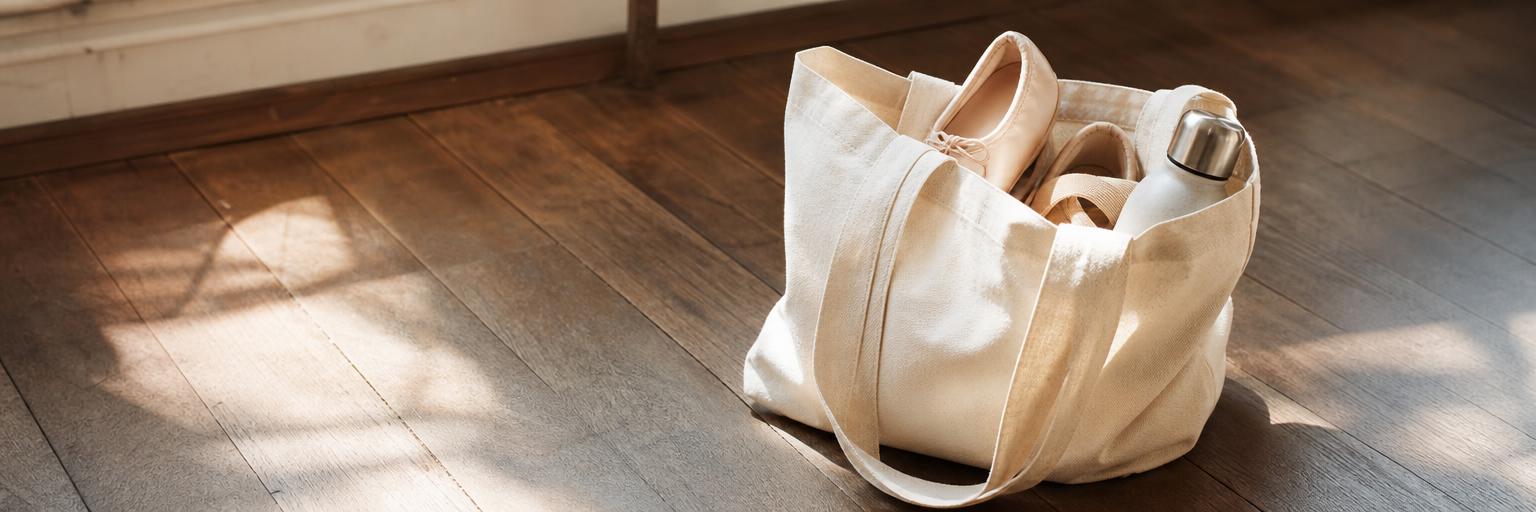
You don't need a dance bag for the first class. A clean backpack or tote you already own works for the first month. You'll need shoes, a water bottle, and a change of clothes. A grocery bag can hold that. Once your child is enrolled and you know how much gear she carries, then you'll know whether a dedicated bag makes sense and what size. Competition bags (Dream Duffel, Glam'r Gear, rack bags) are designed for dancers with multiple costumes on competition weekends, not beginners going to Tuesday evening class.
Gear for this situation
What to do
- Don't buy a dance bag before the first class. A backpack, tote bag, or reusable grocery bag that you already own is completely fine for the first month. You need to fit: shoes, a water bottle, and maybe a change of clothes. Almost anything holds that.
- Whatever you carry it in, put your child's name in her shoes and on her water bottle before the first class. A studio cubby fills with identical pink canvas slippers and look-alike water bottles in about five minutes, and the day-one lost and found is mostly unlabeled shoes. A laundry marker inside the shoe and a strip of tape on the bottle is the cheapest insurance against buying a second pair you didn't actually lose.
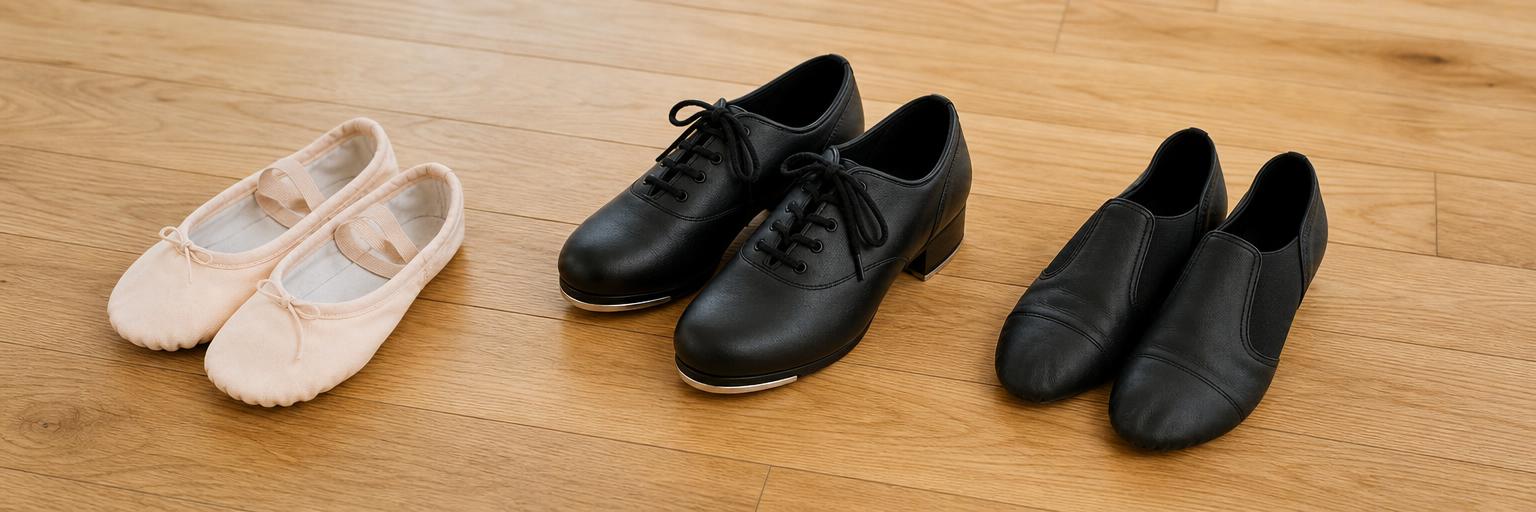
- Here is what actually goes in that first-class bag, and the list is short: the right shoes (labeled; the first-class shoes walkthrough covers which style goes with which class and what to do when the studio hasn't said), a water bottle she can open by herself (labeled), and her hair already done before you walk out the door. Put the bun or the slicked-back ponytail in at the kitchen table at home, not in the studio parking lot, because hair is the quiet first-class stressor and a teacher greeting fifteen new kids cannot redo a dozen ponytails at the door. Leave the trouble at home too: no jewelry to lose in a cubby, no gum, no tablet she will dig for instead of dancing, and no favorite toy she will cry over if it wanders off. The one thing worth more than anything you could add to the bag is a snack for the ride home, because a hungry beginner after her first real class is the meltdown you can see coming.
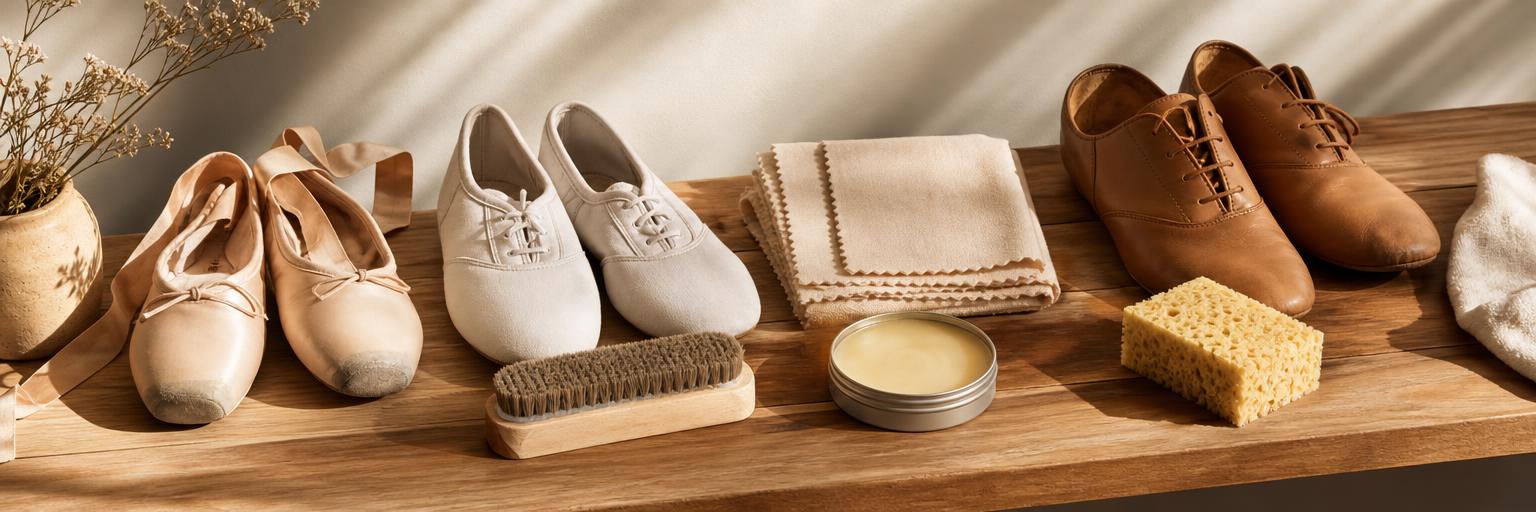
- Once class is a weekly thing, a thirty-second routine keeps the gear findable and the shoes from turning your tote into a science experiment. Give dance one spot at home, a hook or a small bin by the door, so the shoes and the water bottle live there between classes instead of scattering through the house and going missing every Tuesday. The night before, do a quick check of that spot, shoes in, clean tights or leotard in, full water bottle, and you have skipped the morning scramble that makes a kid late and frazzled for the part of the week she is supposed to love. And the minute you get home, take the shoes out of the bag to air them. Canvas and leather dance shoes come off her feet damp, and a damp shoe sealed in a closed bag for days grows the smell and the mildew that retires a perfectly good pair early, while loose in the open they dry out and last. The full after-class routine for each shoe type (canvas ballet, leather ballet, jazz, tap) is in how do I care for and clean dance shoes.
- After the first few classes, you'll know what your dancer actually carries: just shoes, or shoes plus warmup layers, hair kit, snack, and extra tights? That's the information that determines whether a dedicated dance bag makes sense and what size to get. When you reach that point, what size dance bag do I need walks the whole ladder, from the $25 class duffle to the competition rack you should not buy yet.
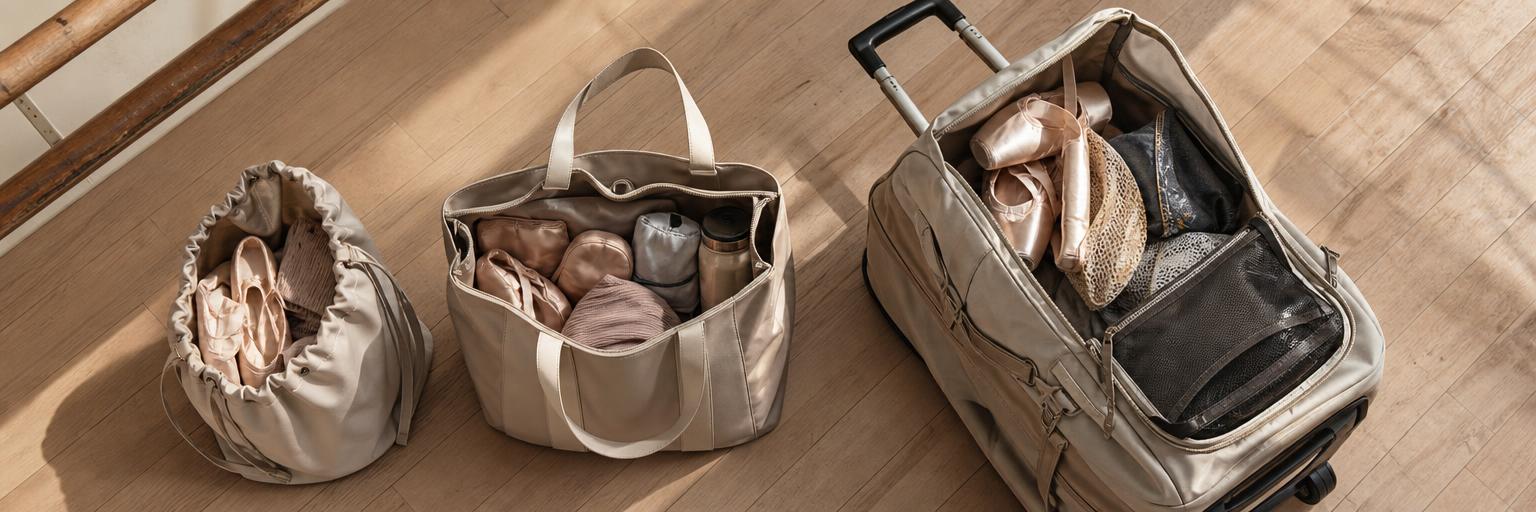
- If you decide to buy a bag, start in the $20 to $40 range. Look for a zip duffle or medium tote with at least one exterior pocket (for quick shoe access) and a flat bottom (so it stands up in a crowded dressing room). You don't need a bag with a garment rack or rolling wheels for class.
- Competition bags (Dream Duffel, Glam'r Gear, Pack2Rack, Mavii) are designed for dancers carrying 4 to 8 full costumes to a competition weekend. They are not class bags. A beginner dancer going to class twice a week does not need a $100 to $400 competition bag. If your child eventually joins a competition team, the studio will usually tell you what bag to get.
- The things that actually matter in a first dance bag: enough room for shoes without cramming them (canvas ballet slippers and tap shoes lose their shape when jammed into a tight pocket), a water bottle pocket on the outside, and a size the dancer can carry herself without it dragging on the ground.
- If your studio sells a branded studio bag or has a bag requirement, they'll tell you at enrollment or at the first class. Don't buy anything before you have that information. Many studios sell bags at the front desk and prefer you use theirs.
Common mistakes
- Don't buy a competition rack bag or large dance duffel for a child who is going to class once or twice a week. The bag will dwarf the gear, overwhelm a small dancer, and fill a car trunk unnecessarily. Size the bag to the actual gear, not to the aspirational gear.
- Don't buy a bag with a shoe compartment that's too small for actual dance shoes. Some fashion dance bags have a tiny mesh pocket that won't fit ballet slippers in anything above a child size 3. Check the dimensions before buying.
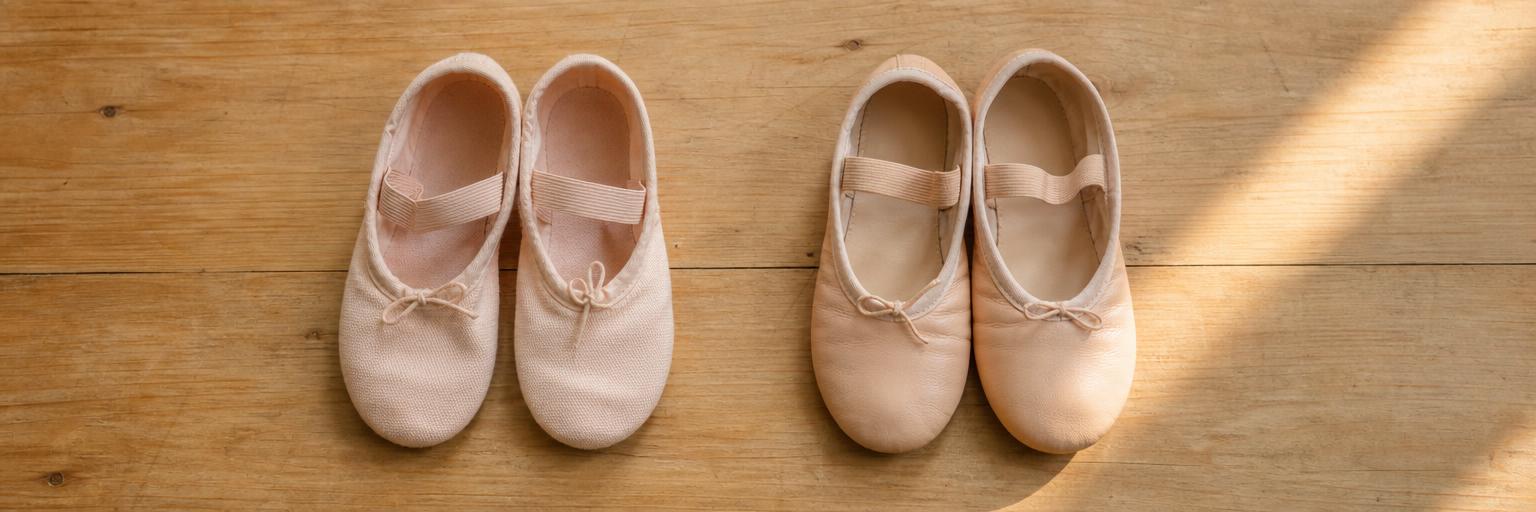
- Don't spend money on a bag until after the first class. Some children fall in love with dance at the first class. Some decide it isn't for them. A $50 bag that gets used three times is a worse outcome than using a tote you already own for the first month. The same wait-until-she-is-sticking-with-it rule applies to the shoes themselves: are cheap dance shoes okay for a beginner walks the honest budget tier for the tentative first-season pair and the moment to step up to a fitted specialty slipper, so the day-one outfit is not where you find out whether she wants this.
- Don't assume the bag needs to match. A dance duffel doesn't need to coordinate with the leotard color. Function first: shoes protected, water accessible, bag the dancer can manage herself.