Quick answer
Are cheap dance shoes okay for a beginner
When you have the $16 Stelle ballet slippers in one Amazon tab and the $26.50 Capezio Daisy in another, your 4-year-old's first combo class is Tuesday, and you cannot tell if the $10 saved is smart or a beginner mistake.
Quick read
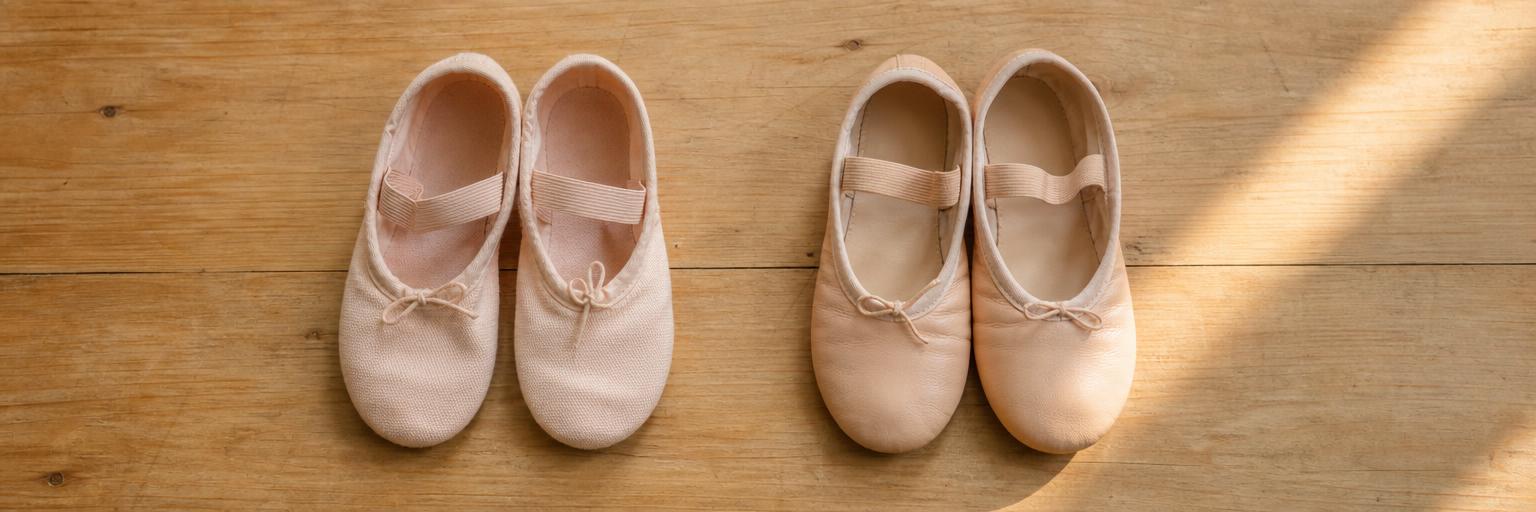
Yes, for a tentative beginner or a fast-growing little one, a budget slipper is an honest first purchase. The decision isn't price, it's commitment and fit. For a 4-year-old's first combo class or a kid you're not sure will last the season, a mass-market shoe like Dance Class by Trimfoot (around $15 to $20) or Stelle (ballet about $16 to $20, tap about $33) does the job for a few months. Step up to a fitted specialty slipper like the Capezio Daisy ($26.50) once the dancer is committed, taking real technique class, or when a teacher flags that the shoe is bunching or sliding. At that point a stiff budget sole, the kind that won't let her point and articulate the foot, starts holding her technique back. The real money risk isn't the $10 you save, it's buying the wrong style or a non-returnable shoe that doesn't fit and having to buy twice. Call the studio for the exact style first, then buy from somewhere with a fit exchange.
Gear for this situation
What to do
- Call the studio for the exact style before you spend a dollar. The cheapest shoe in the world is still wasted money if it's the wrong kind. Most beginner combo classes want a full-sole canvas or leather ballet slipper and a Mary Jane tap shoe, but confirm before you buy. That one phone call is what actually saves you money.
- For a tentative beginner, buy the budget floor and don't apologize for it. A 4-year-old in her first combo class or a kid you're honestly not sure will last the season does not need a specialty shoe. Dance Class by Trimfoot runs around $15 to $20 (confirm the current price at the seller), and Stelle ballet slippers run about $16 to $20 (their tap is about $33). Both are a real step above the sub-$15 no-name Amazon slippers in padding and sole.
- If the only worry is 'what if she quits,' the budget tier is even smarter than it looks, because a beginner slipper barely wears out in one recreational season. It holds hand-me-down value better than almost anything else in the dance bag. A barely-used first pair passes to a younger sibling or sells on the studio's swap group with plenty of life left, and you can shop those same groups to buy one for a few dollars. Tap shoes especially come through a season with the sole and taps intact. Count what the shoe is worth after she's done with it, and the cheap pair costs even less than the sticker. The same budget call applies in reverse for a kid in a fast-growth window (preschool through early elementary, plus the early-middle-school stretch) who outgrows shoes inside 3 to 5 months: she would burn through the specialty pair before its construction advantages had time to matter, and the budget pair makes the math even more obvious.
- Buying a hand-me-down off the swap group? Give it a sixty-second check first, because a used pair is only a deal if it has life left. On a ballet slipper, tug the elastic to be sure it still snaps back instead of hanging slack, confirm the drawstring is there, and look the sole over for a split or a worn-through spot. Leather molds to the last kid's foot, so a barely-worn pair is a far better bet than one that danced a full season. On a tap shoe, press each tap to be sure it is screwed tight and not rattling, and skip any with taps worn thin or gouged at the edge. Pass the check and you got a real shoe for a few dollars; fail it and you buy the budget-new pair instead, no harm done. The same diagnostic works on a pair from your own closet that an older sibling already danced in: can my child reuse last year's dance shoes walks the same elastic, sole, and tap check plus the foot-growth question that a swap-group pair already has answered for you (the seller knows the size; you don't yet know yours).
- Step up to a fitted specialty slipper the moment the dancer is committed. Once she's sticking with it, taking real technique class, or growing into a stable size, move to something like the Capezio Daisy ($26.50, leather full sole, sizes 3 to 10, offered in narrow, medium, and wide widths though the wide is often out of stock). A specialty shoe fits the foot more precisely and the sole lets the foot articulate, which starts to matter once class gets serious. We line up the beginner options in the beginner ballet slipper review.
- Buy from somewhere with a fit exchange, not just the lowest price. The single most expensive thing about a cheap shoe is buying it twice because the size was wrong. A dance retailer or a brand site with a clear exchange policy beats the absolute cheapest marketplace listing every time for a first pair.
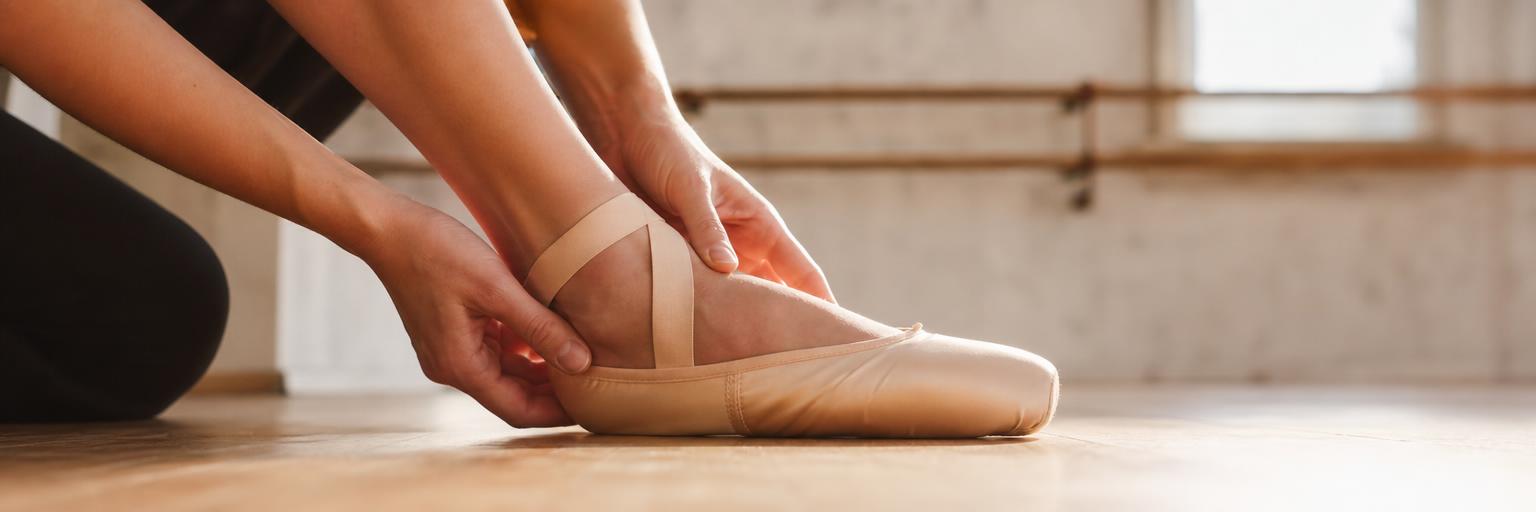
- When the shoe arrives, check the fit at home that day, while the exchange window is still open. A budget shoe is only a bargain if it fits, and the size chart gets you close, not certain. A ballet slipper should sit close to the foot, with her longest toe just brushing the end, no jammed curl and no thumb of empty room like you'd leave in a sneaker. With her standing, there should be no loose wrinkle of fabric across the top of the foot, and her heel should stay put when she rises onto the balls of her feet. The drawstring is there to snug a shoe that already fits, not to cinch a too-big one smaller, so if you catch yourself pulling it tight to gather up slack, the shoe is too big. Catch a bad fit the first day and you swap it for free; miss it until the teacher mentions it and the window has closed. The full fit-check protocol with the four telltale signs and the borderline calls is in how do I know if my dance shoes fit correctly.
- If the shoe bunches, slides, or the teacher comments on it, that's your signal to upgrade. Budget shoes are fine until fit becomes the problem. A slipper wrinkling across the foot or sliding at the heel is no longer doing the job, and that's the point to spend on a fitted pair rather than fighting the cheap one.
Common mistakes
- Don't buy a costume-store or toy-aisle shoe with plastic taps or a glued-on sole. That's not the budget tier, that's a prop. A real beginner tap shoe has metal taps; a real ballet slipper has a stitched suede sole. Cheap-but-real is fine, fake is not.
- Don't grab the cheapest specialty canvas ballet flat assuming it's a full-sole beginner shoe. So Danca's stretch canvas Bullet (BA45, about $15) is the lowest specialty price you'll find, but it's a split-sole turning flat, not the full-sole shoe most beginner classes require, so it gets sent home on day one. On a budget, the real full-sole floor is the mass-market Dance Class or Stelle, or a step up to the leather Capezio Daisy or Bloch Dansoft. Confirm the sole type before you buy on price alone. We lay out the full-sole versus split-sole call in the beginner ballet slipper review.
- Don't size a budget slipper like a street shoe. Ballet slippers fit close, often a size or more down from street size, and each brand sizes differently. The price doesn't change the rule: use the brand's own chart, or the cheap pair becomes the wrong pair. For the brand-name pairs like the Capezio Daisy, our cross-brand shoe fit finder turns her everyday shoe size into a per-brand starting number in under a minute; for the mass-market pairs, use the size chart on the listing itself.
- Don't stick with the budget shoe once the dancer is past beginner. The savings stop being worth it when technique class needs a sole that lets the foot point and articulate. A serious second-year dancer in a $16 floppy slipper is the mirror image of the first-week parent who overspent.
- Don't buy a name-brand dance shoe from a random marketplace seller to save a few dollars. Counterfeit Capezio and Bloch listings exist, and a fake specialty shoe is just a budget shoe with a markup and worse quality control. If you want the budget tier, buy the actual budget brand.