Review

Dance Shoes For Preschoolers And Toddlers

Most first-year preschool dancers are in a combo class: part ballet, part tap, sometimes creative movement. That means two pairs of shoes, not one. The good news is that preschool dance shoes are the simplest category on the site. Full sole, canvas upper, velcro or elastic closure (the child cannot tie shoes yet), and sized for now, not for growth. The one mistake that derails almost every preschool first purchase is sizing: dance shoes run 1 to 2 sizes smaller than street shoes, and toddler feet grow fast enough that a shoe bought 'with room to grow' will slap and cause blisters before the foot ever fills it. Get the sizing right and this stays a $55 problem instead of the $150 one a panicked first-timer turns it into.

Updated 2026-06-30 · Independent research, editorial standards here

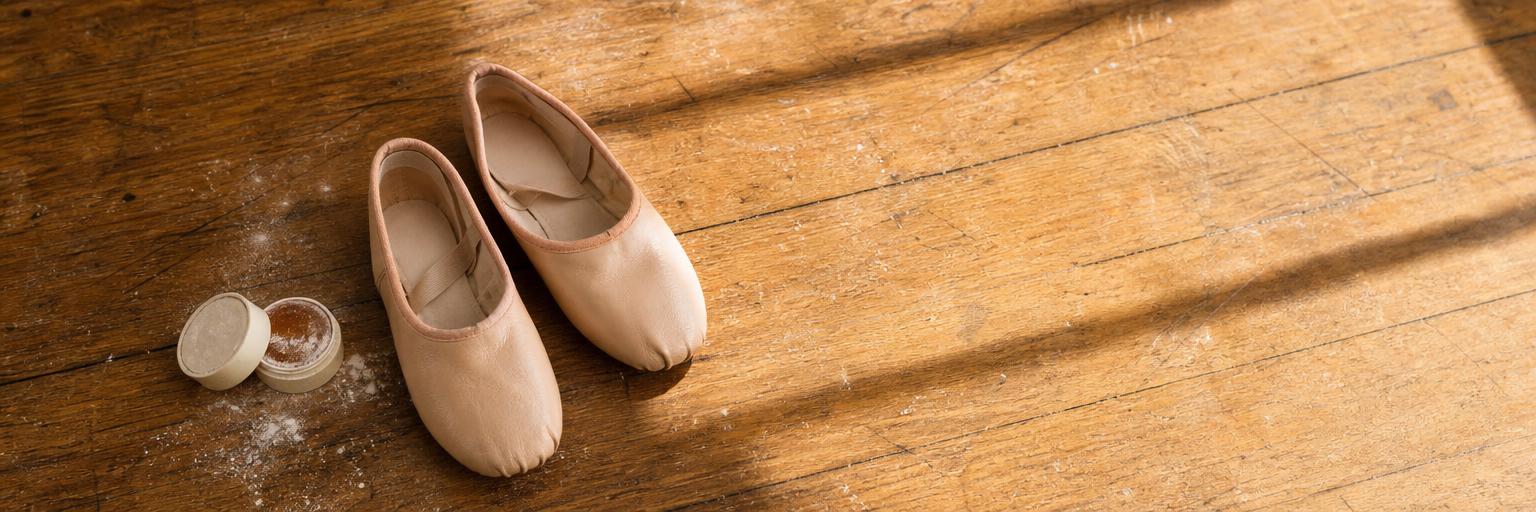
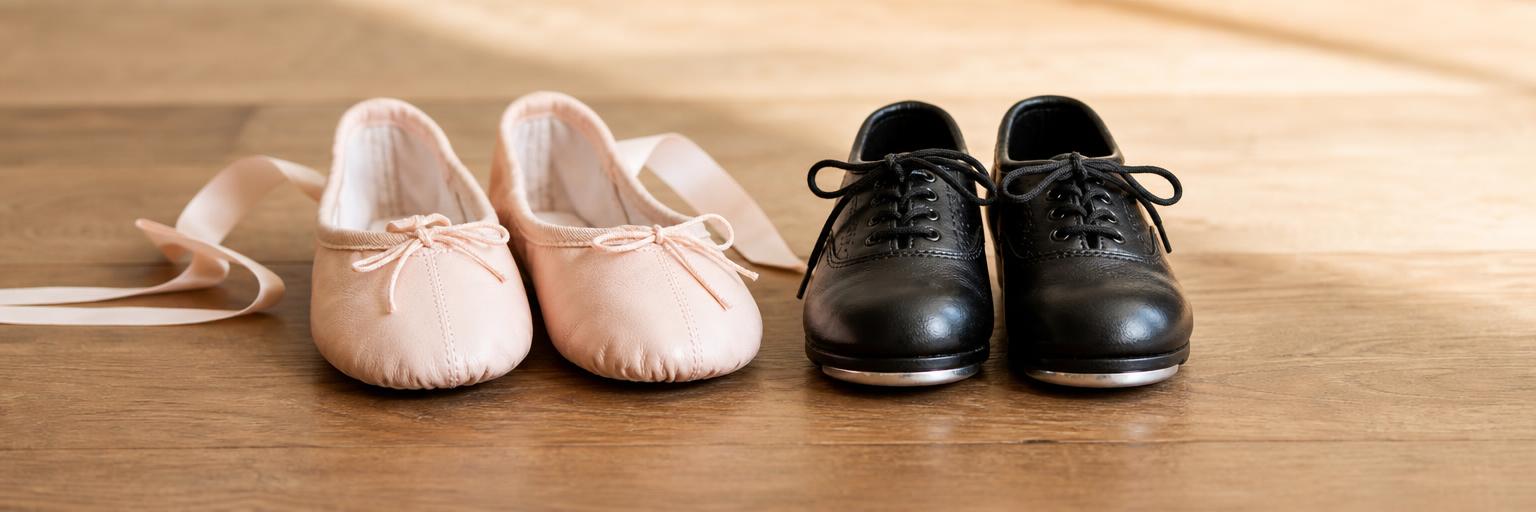
Two tiny pairs of shoes, pink leather ballet slippers and miniature black tap shoes, side by side on a wooden floor.

Best Picks By Situation

  • Preschool combo class (ballet + tap), girl: Capezio Daisy in Ballet Pink + Capezio children's tap shoe with strap closure. Total ~$65-75. Both from the same seller if possible for a single exchange process.
  • Preschool combo class (ballet + tap), boy: Capezio Daisy in White (or Black if studio specifies) + Capezio children's tap shoe with strap closure. Same shoe specs as for girls; only the color of the slipper differs.
  • Ballet-only preschool class: Capezio Daisy only. Confirm whether the class is truly ballet-only or whether tap is added partway through the year.
  • Creative movement class: call the studio first. Creative movement and pre-ballet programs sometimes run the first semester in socks or barefoot. Buy shoes when the teacher confirms they are needed.
  • First recital or showcase: in most preschool showcases, the class shoes are the right shoes. Confirm with the studio before buying any additional recital-specific footwear.

Before You Buy

  • Confirm what the class includes. A combo class needs two pairs; a ballet-only class needs one. A creative movement class may need none yet.
  • Measure the foot. Use a ruler or shoe sizer and match to Capezio's children's size chart. Do not use street shoe size as the starting point.
  • Check the studio's required color for ballet slippers. Ballet Pink is the US default for girls, but some studios specify white or ivory for all students. Boys are typically white or black.
  • Buy from a seller with an exchange policy for both first-time fits. Dance shoe sizing varies and a first purchase at this age almost always needs a fit check before committing.

Buying Strategy

Preschool dance shoes are the simplest category on this site: confirm the class type, measure the foot, buy the correct size, buy from a seller who allows exchanges. The complexity comes entirely from sizing: dance shoes run 1-2 sizes smaller than street shoes, and the standard parent instinct (size up for growth room) is exactly wrong. A half-size too large in a ballet slipper means a heel that pops out on every relevé, and a heel that pops out means the child spends the class looking at her feet instead of at the teacher. Buy the size the foot measures to. Replace when the foot grows out of it, usually in 3-5 months at this age.

What We Would Do

Call the studio first and ask: is this a combo class or ballet-only? That tells you whether you need one pair or two. Then measure the foot and use Capezio's children's size chart to get the starting size, not the street shoe size, not one size up. For the ballet slipper: Capezio Daisy in the correct color (Ballet Pink for girls unless the studio specifies otherwise, White for boys by default). For the tap shoe: the velcro Essential Tap (the easy-on closure for a child who cannot tie yet), or whatever the studio names, from Capezio's children's tap collection in your child's size. Buy both from a seller with an exchange policy. Fit both at home on a hard floor before removing tags. Budget about $55 to $65 for both pairs. Plan to replace them when the foot grows out, not to upgrade.

Buyer Walkthrough

Step one: call or email the studio and ask what type of class is listed: combo, pre-ballet, creative movement, or something else. A combo class needs two pairs. A ballet-only class needs one. A creative movement class sometimes needs none for the first month. Once you know the class type and required shoes, measure the child's foot. Stand the child on a flat floor, heel against a wall, and measure the longest toe to the wall in centimeters or inches. Use Capezio's children's size chart (on their product page) to find the right size. Order that size, not a half size larger, not a size up. Buy from a seller with an exchange policy. Fit both pairs at home on a hard floor before removing tags. Test the ballet slipper on relevé: heel should not pop. Test the tap shoe walking briskly: heel should not work loose.

Mistakes To Avoid In Plain English

Don't size up for growth. This is the most common preschool dance shoe mistake on the site. A half-size too large in a ballet slipper pops off on the heel every time the child goes on her toes. A half-size too large in a tap shoe shifts during class and distracts the child. Fit for now. Don't use street shoe size. Dance shoes run 1-2 sizes smaller, and every family learns this the hard way at least once. Don't buy both pairs from a final-sale seller for a first-time fit. And don't buy a split-sole slipper for a preschooler. Full sole only. Split sole is for technique students who can engage the arch intentionally, not for children whose arches are still developing.

Where to start by buyer type

Best For

Girls' preschool ballet slipper

Why

Full sole, leather, standard preschool and beginner ballet slipper. Holds up well on feet that will outgrow it in 3-4 months.

Check First

Confirm color requirement with studio. Runs 1-1.5 sizes smaller than street shoes. Do not size up for growth.

Check at Capezio
Best For

Boys' preschool ballet slipper

Why

Same slipper in the correct color for boys. White is the US default for boys' ballet classes; confirm with studio before ordering.

Check First

Do not order Ballet Pink for boys. Confirm whether White or Black is required before buying.

Check at Capezio
Best For

Preschool tap shoe, velcro

Start Here

Capezio children's tap collection: Essential Tap ~$27

Why

A real velcro closure is correct for children who cannot yet tie their own shoes. Full-sole tap shoe with stamped taps.

Check First

The velcro option is the Essential Tap (V725C); the Jr. Tyette is a ribbon tie, not velcro. Switch to a lace-up oxford when the child can reliably tie and the teacher recommends the style change.

Check at Capezio

Picks at a glance

Current Shortlist

  • Ballet slipper for preschool combo class: Capezio Daisy 205 leather (~$26.50 brand-direct). Full suede sole, leather upper, available in Ballet Pink (girls' default), White, or Black. Confirm color with the studio before ordering. Runs 1-1.5 sizes smaller than street shoes. Order the size the foot measures to, not a size up for growth.
  • Tap shoe for preschool combo class: for ages 2-6 who cannot tie a bow yet, you want a real velcro closure she can do up herself. Capezio's Essential Tap Shoe (about $27 in child sizes) is exactly that, a velcro strap for easy on and off, with stamped taps that are plenty of sound for a preschooler. Do not default to the classic Jr. Tyette here just because the name is familiar: it is the traditional student tap shoe, but it does not use that easy velcro strap, and its closure is one a 3-year-old will fight with, so it is the shoe to graduate into once she can fasten it herself, not the one to start in. Browse the full children's tap collection if your studio named a specific model.
  • If the class is ballet only (no tap): one pair. If it is a combo class or includes tap: two pairs. Most preschool studio schedules use the word 'combo' on the class listing. If you are not sure what the class includes, call the studio before buying.

How To Choose

  • Read the class listing before buying anything. A 'combo class' needs ballet slippers and tap shoes. A 'creative movement' or 'pre-ballet' class may need only ballet slippers or even no shoes at all for the first semester. One call to the studio saves a return.
  • Size to the foot, not to the street shoe. Preschool children's feet vary enormously in street-shoe-to-dance-shoe translation. Measure the foot with a ruler or shoe sizer, use Capezio's children's size chart directly, and order that size. Do not add a half-size for growth. A too-large dance shoe slips on the heel and causes blisters within one class.
  • Decide what goes inside the shoe before you fit it, because tights change the size. Ask the studio whether the class wears ballet tights, socks, or bare feet, then fit the shoe over whatever her foot will actually wear in class. Most preschool combo classes put girls in footed or convertible ballet tights (pink is the usual default, but confirm color the same as the slipper), and many are relaxed enough to allow socks at this age. Either way, tights and socks add a layer of bulk, so a slipper sized snug over a bare foot can pinch over tights. Tap shoes should never go on a bare foot, the foot rubs and blisters, so socks or tights are not optional there. The point is simple: a shoe that fits perfect barefoot in your living room can be a half size too tight the first time she pulls tights on for class.
  • Full sole only for young beginners. Split-sole shoes require the foot to articulate against the sole for the arch to engage. A preschooler's arch is not yet developed enough to benefit from this and may be weakened by it. Full sole is the correct choice for all preschool and early beginner ages.
  • Leather or canvas both work for this age, as long as the slipper is full sole. The Capezio Daisy and the Bloch Dansoft are both full-sole leather slippers that conform to the foot as they break in. Skip the cheaper So Danca Bullet here: it is a split-sole shoe, and split sole is the wrong choice for this age (see the full-sole rule above). A budget full-sole canvas slipper from the mass-market floor (Dance Class or Stelle, with the sole type confirmed at the seller) is the cheaper canvas route. A child who grows out of the shoe in four months does not need a premium upper, so price is the deciding factor more than material, but never trade away full sole to save a few dollars.
  • Velcro or elastic closure is correct for age 2-6. A child who cannot tie a bow should not be in a lace-up tap shoe. The velcro or strap closure keeps the shoe on and does not require the child to tie and retie between numbers. The oxford vs. strap distinction matters more when the child can tie shoes and when studio requirements become more specific.
  • Get the pre-elasticized ballet slipper, or tie off the drawstring. The Capezio Daisy comes pre-elasticized (no drawstring) or with a drawstring, and for a preschooler the pre-elasticized version is the one to buy. A 3-year-old will pull the drawstring loose, chew on it, or trip on a dangling bow. If the only version you can get has a drawstring, gather it to fit once, tie a small knot, trim the excess, and tuck the ends in. Never leave a loose bow on a preschool slipper.
  • Growth rate at this age is fast. A fit window of 3-4 months per pair is common for ages 2-5. Do not pay premium prices for shoes your child will outgrow before the season ends. The Daisy at about $26.50 and a basic velcro children's tap shoe around $27 are the right budget for this stage, roughly $55 for the pair.

Avoid If

  • Don't buy a split-sole ballet slipper for a preschooler. Split sole is an intermediate and advanced tool. For a young beginner, it provides no benefit and may interfere with normal arch development.
  • Don't size up for growth. This is the single most common preschool dance shoe mistake. A ballet slipper half a size too large will not stay on the heel. A tap shoe half a size too large clunks and shifts during practice, and the child will keep looking at their feet instead of listening to the teacher.
  • Don't buy both pairs from a final-sale seller for a first-time fit. Both the ballet slipper and the tap shoe need a confirmed fit before you remove the tags. Dance shoe sizes do not match street sizes, and the Daisy in particular runs notably small.
  • Don't buy lace-up tap shoes for a child who cannot yet tie their shoes. The lace untied mid-class is a safety issue and an interruption. Strap or velcro is the right closure for preschool and kindergarten. The teacher will recommend a lace-up oxford when the time is right.
  • Don't assume the ballet slipper color is Ballet Pink. White and Black are the correct colors for boys, and some studios require specific colors for all students. Confirm the color requirement with the teacher or studio before clicking buy.
  • Don't confuse preschool dance shoes with pointe shoes. A parent asking about shoes for a 4-year-old who 'loves to go on her toes' is describing normal preschool movement, not readiness for pointe work. Pointe readiness is a teacher decision made no earlier than age 11-12 after years of technique training.

Combo Class, Pre-Ballet, And Creative Movement: What Each Needs

  • Combo class (ballet + tap): two pairs. Ballet slipper for the ballet portion, tap shoe for the tap portion. Both pairs are typically required on the first day. Total cost: about $55 for the pair, the Capezio Daisy (around $26.50) plus a velcro children's tap shoe (around $27), and up to $65 if you choose a pricier tap.
  • Pre-ballet or creative movement: often one pair (ballet slippers), sometimes no shoes required for the first semester. Call the studio and ask specifically whether shoes are required for day one, and if so, what kind.
  • Jazz, hip-hop, or tumbling add-on: if the child is added to a jazz or hip-hop track at a combo studio, ask the teacher whether the existing tap shoe doubles as the jazz shoe (some preschool programs allow this) or whether a separate shoe is needed. Do not buy a jazz shoe speculatively for a preschooler.
  • A creative movement class that is described as 'barefoot' or 'socks only' does not need any dance shoes. Buy the shoes when the class listing or the teacher says so, not before.

Growth And The Second Pair

  • At age 2-5, toddler feet grow approximately 2-3 shoe sizes per year. A dance shoe bought in September is likely too small by January. This is not a shoe quality problem. It is the nature of the age.
  • The signal to replace the shoe: the dancer's toes reach the end of the slipper on relevé (balls of feet on the floor, heels lifted), or the heel slips even after the drawstring is fully gathered. On tap shoes: toes pressing hard against the front box, or the heel constantly working loose.
  • Second pair advice: buy the same shoe, one size up. The Daisy in a new size is the same break-in process. There is no reason to upgrade at preschool age.
  • A hand-me-down ballet slipper is one of the best deals at this age, if it still fits. Feet outrun these shoes long before a full-sole leather slipper wears out, so a Daisy an older sibling or studio friend outgrew often has most of its life left in it. Before you accept it, check three things: the suede sole is not slick or hardened, the drawstring or elastic still pulls the shoe snug, and the foot measures into it now. The size-to-the-foot rule applies to a free shoe exactly as it does to a new one. A slipper that is already a half size too big is a heel-slipping blister, not a bargain.
  • Secondhand tap shoes are a softer yes, with two things to check. First the taps: the screws should be snug (a loose tap rattles and can strip the screw hole over time, though new screws cost only cents) and the tap plates should not be worn thin or curling at the edges. Second the closure: a bent buckle or a velcro strap gone fuzzy will pop open mid-class, which is the exact safety problem the strap closure exists to prevent. Solid taps and a closure that still holds make a handed-down tap shoe good for a full season.
  • If the studio does a class showcase or recital, confirm whether the school provides costumes with shoes included before buying recital-specific footwear. Some preschool showcases are barefoot or use socks. The dance shoe you bought for class is almost always the right shoe for a preschool recital as well.

Surviving Two Pairs On A Child Who Can't Dress Herself

Buying the shoes is the easy part. The hard part is managing two pairs on a three-year-old who cannot get them on by herself, in a combo class that flips from ballet to tap partway through, in a room of twelve children wearing the same pink slippers. That is exactly as much chaos as it sounds, and a few small habits are the difference between a smooth drop-off and a weekly meltdown.

  • Write her name inside both shoes in permanent marker before the first class. Every combo class is a pile of identical Daisy slippers and identical little tap shoes, and they get mixed up constantly. A name inside the shoe is the difference between finding hers in ten seconds and going home with another kid's pair.
  • Practice getting them on and off at home before week one. Even velcro is hard for little hands, and you do not want her first attempt to be on a busy studio floor while eleven other children fumble at the same time. Five minutes of practice turns the mid-class swap from a stall into a routine she is proud she can do.
  • Expect the mid-class shoe change and plan for it. The teacher flips the room from ballet to tap, or the reverse, partway through class, and the little ones usually need a hand. Ask whether parents stay for the first few weeks, whether there is a helper in the room, or whether you should drill the change at home so she can manage it on her own.
  • Keep both pairs in one small labeled bag inside the dance bag, not loose. Two shoes times two pairs is four little items that wander off on their own. A single drawstring shoe bag with her name on it keeps the set together and turns the post-class scramble into a grab and go.
  • Change into ballet shoes at the studio, not at home or in the car. Suede soles pick up grit and parking-lot moisture, and a slick or gritty sole is genuinely dangerous on a dance floor. Arrive in street shoes, change in the waiting room, and leave the tap shoes in the bag until the teacher calls for them.
  • Give her a way to spot her own shoes. A small sticker, a dot of nail polish on the heel, or a consistent cubby spot lets a child who cannot read yet find her own pair without an adult, and it heads off the tears when two kids grab for the same slipper.

Keep reading

More reviews worth your time