Quick answer
What size dance bag do I need
When her JanSport backpack is bulging by Thursday class, comp season starts in 6 weeks with her first 4-routine weekend, and you have seen the Glam'r Gear rolling bags other moms use at $375.
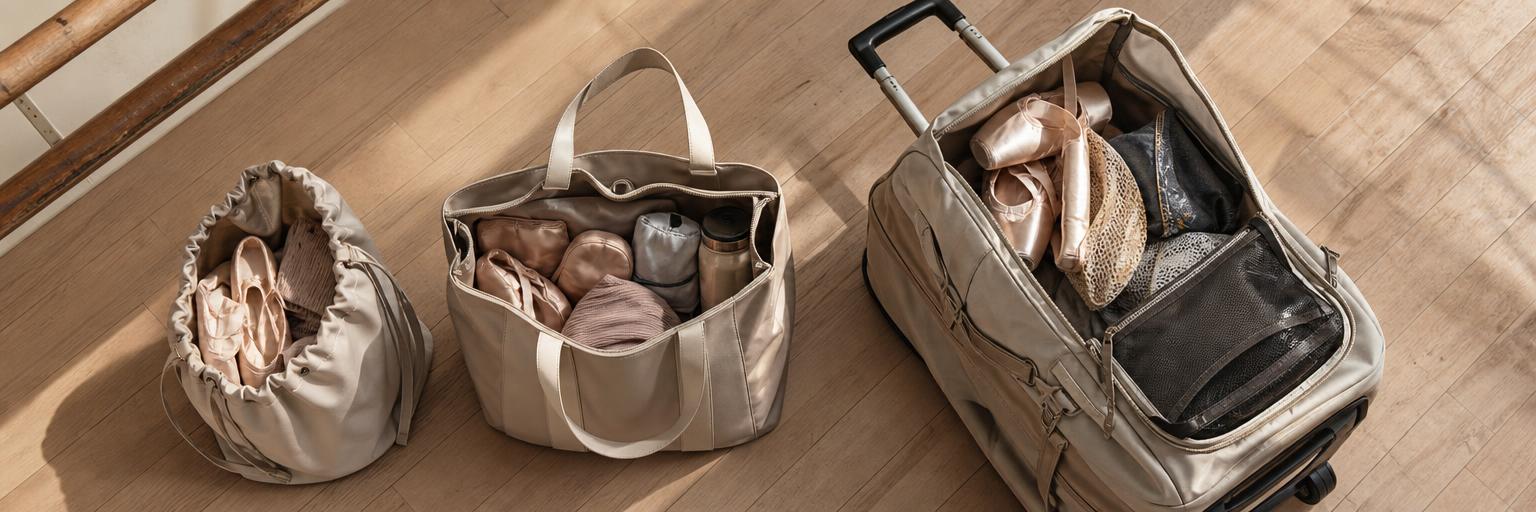
Quick read
The right size depends on exactly one thing: how much gear your dancer carries to the most demanding event this season. Class-only: a medium duffle with a shoe pocket ($30 to $50) is all you need. First recital season: same medium duffle, add a single garment bag for the costume. Competition with 1 to 2 routines: a large duffle with a costume hook ($50 to $100). Competition with 3 or more routines and multiple outfit changes: this is where rolling rack bags earn their price, and they do not all cost $300 plus (a value rack bag like Mavii runs about $110 to $140, premium systems like Dream Duffel or Glam'r Gear about $365 to $400). Buy for what you actually carry this season, not for what you might carry someday.
Gear for this situation
What to do
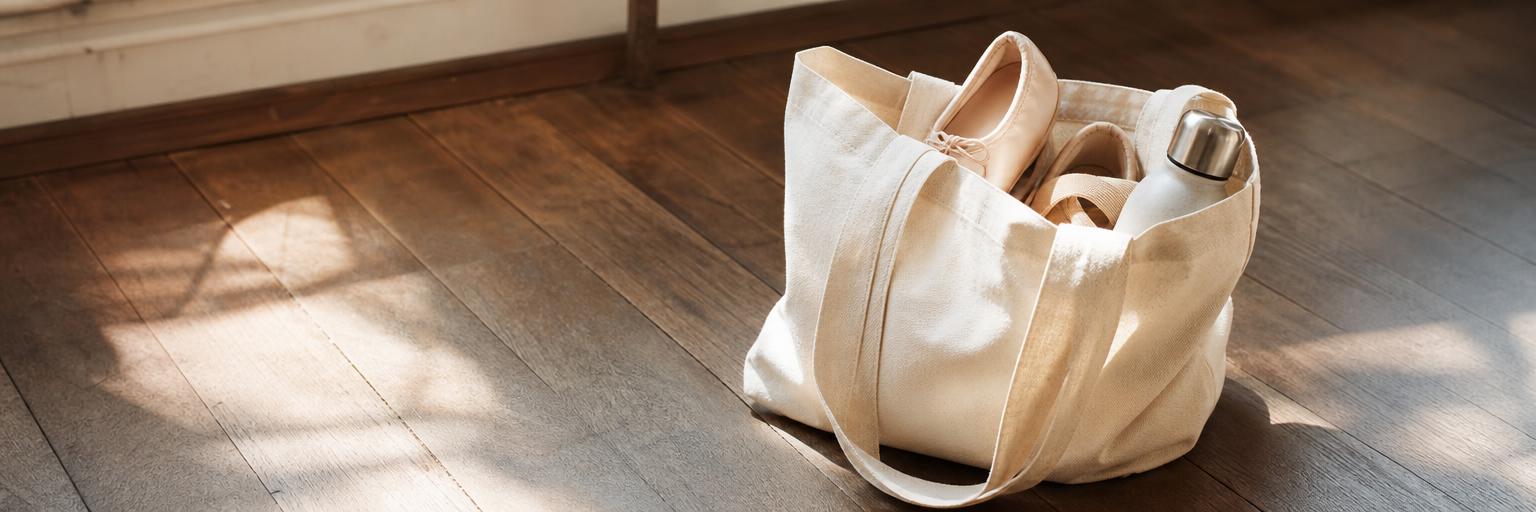
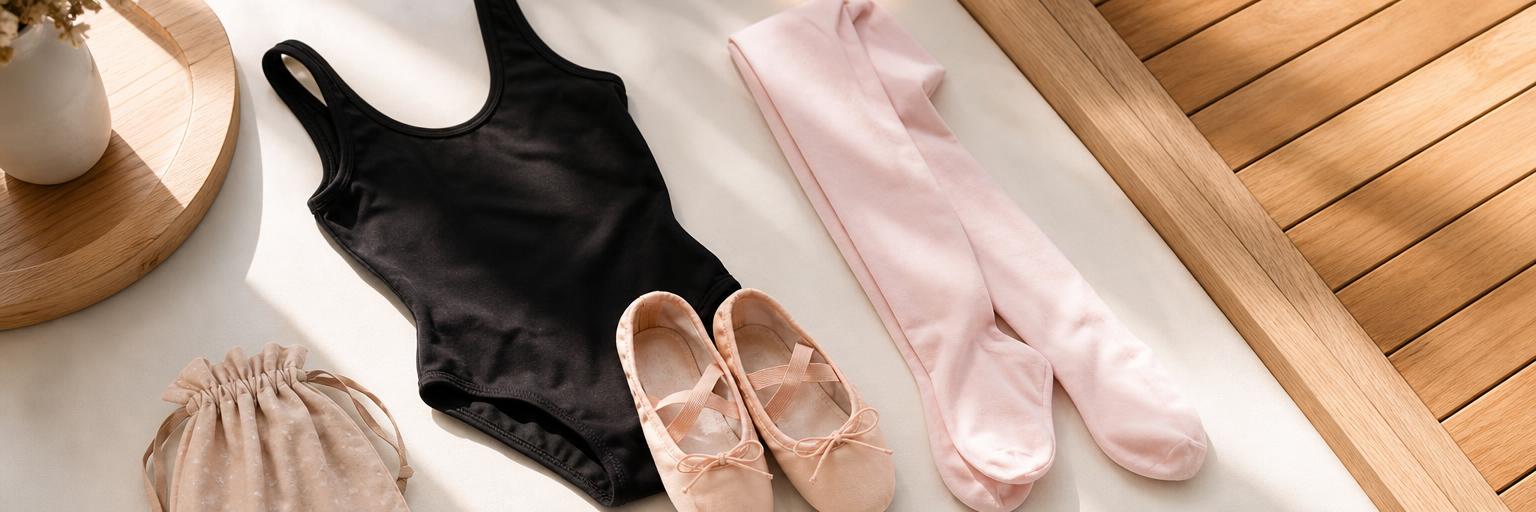
- Count what the dancer actually carries right now, not what she might carry someday. Lay it out: shoes (how many pairs?), water bottle, tights, warmup layers, hair kit, snack. That pile tells you the minimum bag size. A pile that fits in a medium tote does not need a $300 rack bag.
- For a class-only dancer (no performances yet): a medium zip duffle with a side shoe pocket, a flat bottom, and a water bottle holder is the entire requirement. Target, TJ Maxx, and dance retailers all carry these in the $25 to $50 range. Nothing fancier is needed until performance season.
- For the youngest dancers, the format matters more than the size, so think about who actually carries the bag. A four to seven year old does better with a small drawstring backpack or a backpack-style dance bag she wears on her own back than with a duffle that slides off one shoulder and ends up in your arms with everything else. A bag she can carry herself builds the put-your-own-shoes-away habit studios want, keeps your hands free crossing a crowded lobby, and fits the cubby or hook most studios assign each dancer. A lot of studios sell a branded drawstring bag for exactly this age that doubles as the team look, so ask before buying your own. Keep it small on purpose here, because a little dancer is only carrying ballet and tap shoes, a water bottle, and a snack, and a big half-empty bag just teaches her to lose things in it. The do I need a dance bag for my child's first class walkthrough is the longer version of this same first-bag decision (what actually goes in it, when a tote in the closet is enough, and which $15 to $25 options hold up to the studio cubby).
- For your first recital season: the class bag usually covers it. Add a garment bag for the costume if it needs to travel (a $12 to $18 single garment bag works). The class bag plus a garment bag is the correct setup for most recital families. You do not need a full rack system for one costume.
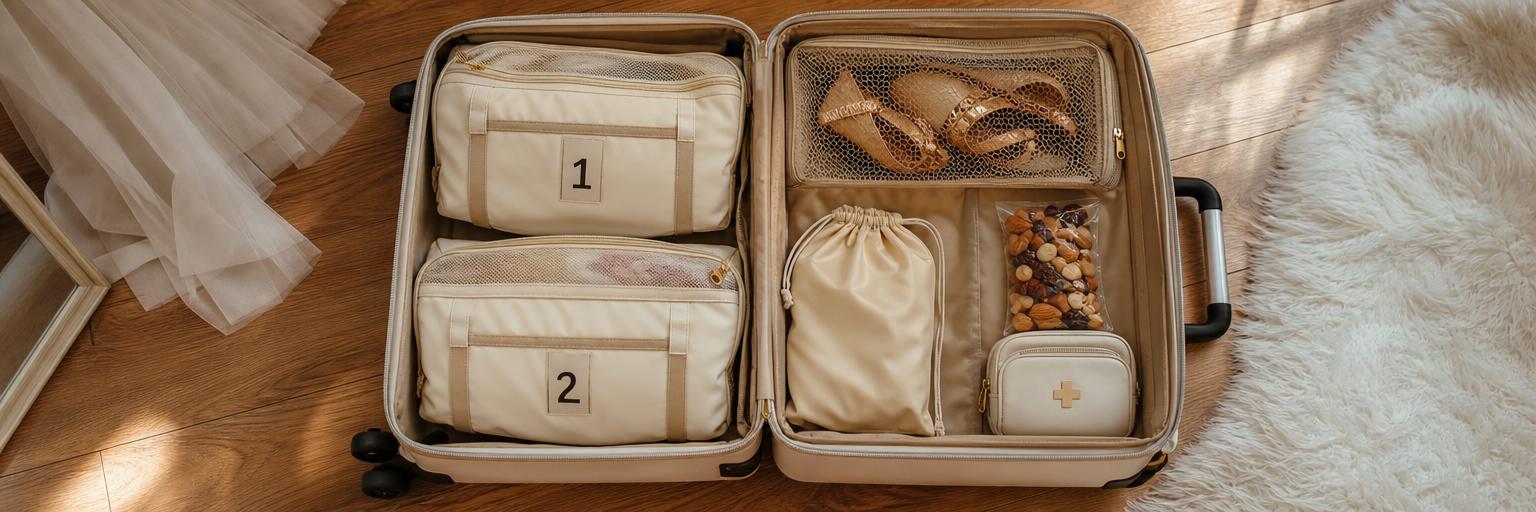
- For competition, count costumes before buying anything. One or two routines per competition weekend: a large duffle with a flat hook for hanging a garment bag ($50 to $100 range). Three or more costumes with multiple outfit changes: this is where rolling rack bags (Dream Duffel Medium, Glam'r Gear Changing Station, Mavii) earn their price. You are paying for rolling stability, rack height, and costume-protection capacity. Our competition dance bags review compares those three directly (Glam'r Gear's built-in privacy curtain and four-wheel rolling, Mavii's $109 to $139 entry price, Dream Duffel's name-recognition and replacement-part availability) so you pay for the rack that solves your actual problem, not just the one everyone at the venue has. Once you have the bag, the competition weekend packing checklist walks the night-before bag-load (pack by routine number, not by category) that keeps a multi-costume rack findable backstage instead of becoming a costume-and-shoe scramble at 6am.
- Once you are in the rolling rack category, size by hanging space, not by who looks the most prepared in the parking lot. Hanging space comes down to costume count plus the quick changes between them. A single dancer with three or four costumes fits a small or medium rack with room for the garment bags to hang without crushing the appliques and headpieces. The tall family-size racks are built for a dancer carrying six or more, or for two siblings sharing one bag. Going a size up to be safe backfires here, because the bigger rack is heavier even empty, eats more trunk space, and a half-full rack lets costumes swing and snag on the rails. Buy the smallest rack that hangs the costumes you actually compete with this season, and let a rising routine count earn the upgrade later.
- Fit the bag to the car and the hotel room, not just to the dancer's gear. A competition rack bag that doesn't fit in your specific car's trunk is the wrong bag regardless of how much gear it holds. Measure your trunk before buying. Rack bag dimensions (folded) vary more than the product photos suggest.
- If the season includes a flight to a regional or to nationals, settle how the bag travels before you buy the biggest one. A folded rolling rack is oversized, heavy checked luggage and not a carry-on, and the telescoping pole and the wheels are the parts that crack when a baggage handler stacks a suitcase on top. Confirm the bag folds down inside your airline's checked size and weight limits, because a rack that clears your trunk can still blow past a 62-inch or 50-pound checked limit and cost you an oversize fee each way. For a rack you have to fly with, families either pad the pole and wheels well, ship the bag ahead to the hotel, or carry the costumes flat in a garment bag onto the plane and borrow or rent a rack at the destination. A medium rack you can actually fly with beats a tall one that shows up with a bent pole the morning of the first number.
- If this is the first competition season, ask your studio what other families use before buying. Some studios have a team bag preference. The most experienced competition parents in your studio have already solved this problem, and their answer is worth more than any review.
Common mistakes
- Don't buy a competition rack bag for a class-only or first-recital dancer. Dream Duffel and Glam'r Gear are built for carrying 4 to 8 full costumes across a competition weekend. If your dancer has one recital costume and goes to class twice a week, that bag is 8x the bag she needs. Start with a medium duffle and upgrade only when the gear outgrows it.
- Don't assume the bag you see at competitions is the standard. Competition bag envy is real in dance families. The families rolling in Dream Duffels and Glam'r Gears have years of competition, multiple routines, and a specific need for that system. A first-year competition family with two routines has different math.
- Don't buy a bag with a shoe pocket smaller than the actual shoes. Some stylish dance bags have tiny mesh shoe pockets that fit a child's size 5 at best. Check the listed dimensions against the dancer's shoe size before ordering online.
- Don't overbuy and then regret the weight. Large competition bags fully packed weigh 25 to 40 lbs. A child under 10 cannot manage a full-sized competition rack bag independently. If your dancer is young, a bag she can roll and lift herself beats one with more room she can't budge.