Quick answer
How much does the first year of dance cost
When the studio's August registration email totaled $312 just for enrollment and the costume deposit, you have not bought a single shoe or pair of tights yet, and you are trying to figure out what the actual first-year number looks like.

Quick read
Recreational track (1 to 2 classes per week, no competition): $150 to $400 across the first year for gear, costumes, and recital fees. Competition track first year: $600 to $1,200 or more depending on number of routines and event schedule. Both figures leave out tuition, which is separate and ongoing at $80 to $150 a month for recreational, and that is the cost most first-year families forget to add. The biggest swing is the recital costume ($75 to $150) and, on the competition track, the entry fees ($50 to $150 per number per event). Don't buy anything until the studio sends requirements, because buying before the dress code arrives is the most common source of first-year waste.
Gear for this situation
What to do
- Find out which track you're on before estimating anything. Recreational (1 to 2 classes per week, year-end recital only) and competition track have completely different cost structures. A first-year recreational student typically spends $150 to $400 total on gear, costume, and recital fees. A first-year competition student typically spends $600 to $1,200 or more, driven primarily by costume costs and event entry fees. Your studio can tell you at enrollment which track your child is on.
- Two studio fees, not gear and not tuition, are the surprises first-year families miss most. The first is the annual registration or enrollment fee, usually $25 to $60 per dancer, charged the moment you sign up and again each year you re-enroll. The second is the recital participation or theater fee, often $30 to $100, that arrives with or near the costume invoice and covers the venue, the programs, and the production itself, separate from the costume. Neither shows up on a dress-code list, so ask the studio at enrollment what its registration fee is and whether there's a separate recital fee, and pencil both into the year before they surprise you.
- Ask what discounts the studio offers before you accept the first tuition number, because almost every studio has them and almost none lead with them. The common ones add up fast, a multi-class discount that takes a few dollars off each additional class per dancer, a family or sibling discount once a second child enrolls or the household passes a certain number of weekly hours, a pay-in-full discount of five to ten percent for covering the semester or year up front instead of monthly, and an early-registration discount that waives or halves the registration fee if you sign up for fall back in the spring. None of these are usually posted on the website, so the move is to ask the front desk point-blank which ones your family qualifies for. On the line item that actually dominates the year, tuition, shaving even ten percent is worth far more than any deal you will ever find on shoes. One more ask that almost no studio advertises: if the all-in number is genuinely a hardship for your family, ask the director directly whether they have a scholarship spot, a tuition-reduction track, or a work-trade arrangement (front-desk or back-office hours in exchange for tuition credit). Many studios reserve one or two of these per year specifically for families who would otherwise leave the program, and the only families who get them are the ones who ask. It's a quiet conversation, never an email blast.
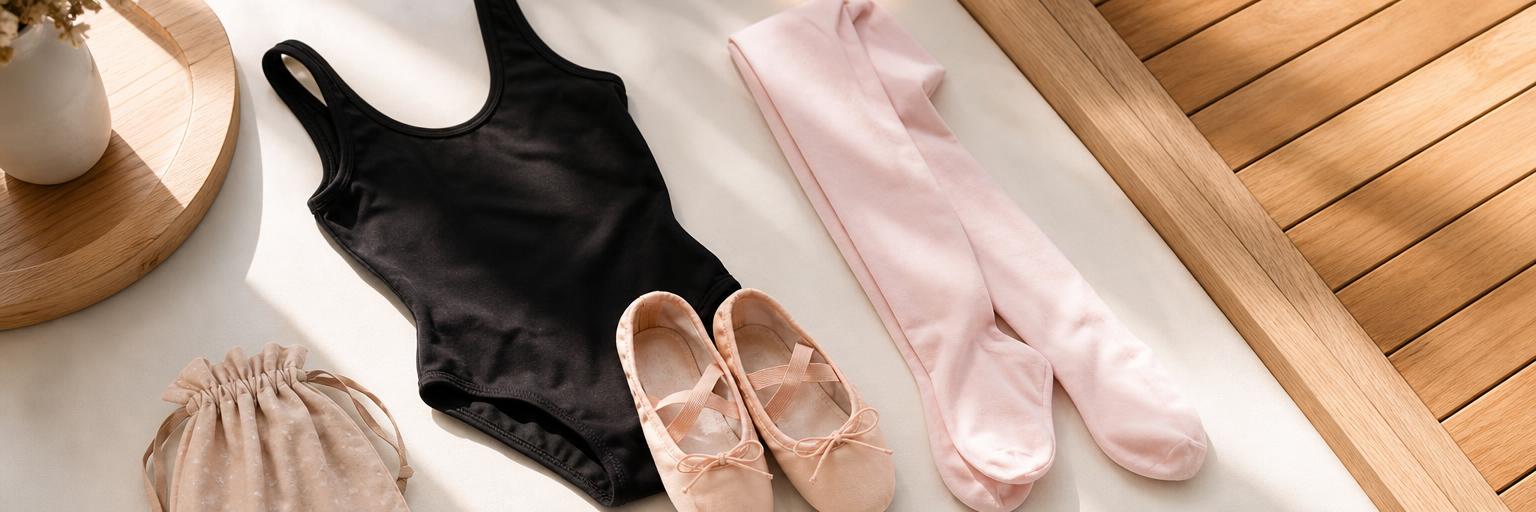
- Expect the first shoe purchase to cost $40 to $80. Ballet slippers run $30 to $50, beginner tap shoes $45 to $65, jazz shoes $40 to $60, character shoes $40 to $70. You usually only need one style for the first class unless you're enrolled in a combo class (ballet and tap together, which is common for ages 5 to 8). Don't buy before the dress code arrives, because getting the wrong style means starting over. And when you do order, don't pick her street size, because dance shoes run on their own charts and a Capezio in her street size can land a full size off, which turns a $40 purchase into an $80 one once the wrong pair has been worn around the living room and can't go back. Our shoe fit finder converts her street size to the brand-correct starting size for Capezio, Bloch, and So Danca in under a minute.
- Budget $40 to $80 for tights and leotard. A pack of two Capezio or Body Wrappers tights in the right shade runs $15 to $25. A basic leotard is $20 to $40. If the studio requires a specific branded class uniform, that can run $40 to $80 instead. Studio uniforms are usually ordered through the studio, not purchased independently.
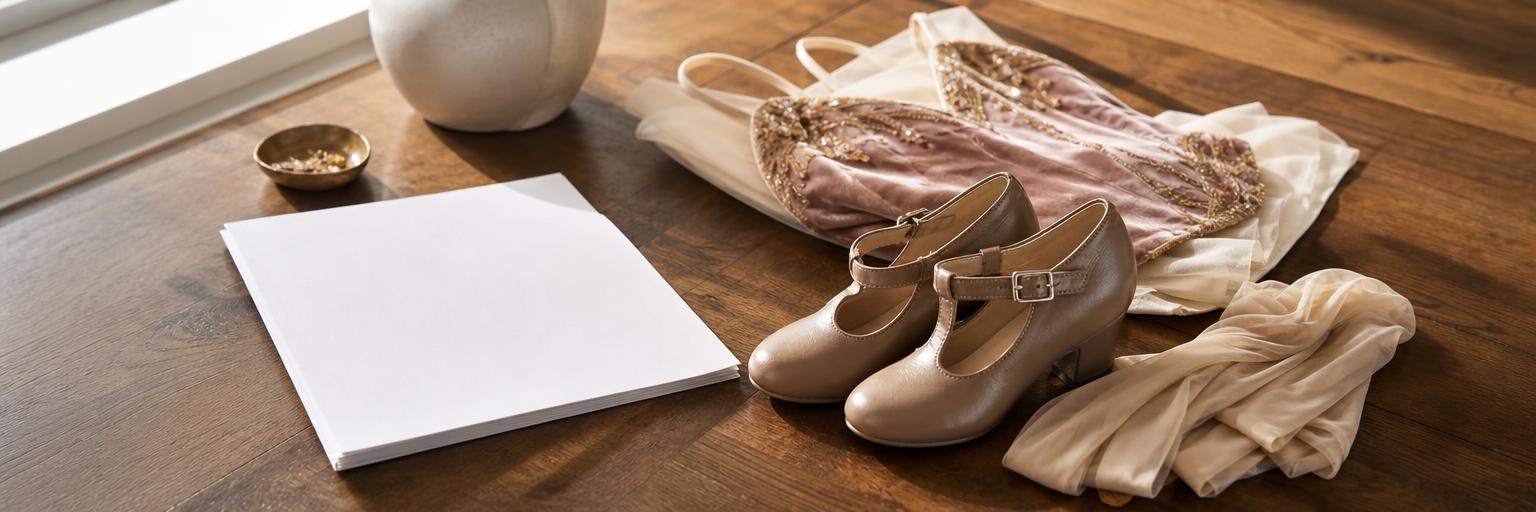
- The recital costume invoice arrives mid-year and is separate from tuition. Most recreational recital costumes run $75 to $150 per number. Competition costumes run $150 to $300 per number, and most competition dancers perform 2 to 5 numbers. The studio handles the order. You pay the invoice. You won't know the exact cost until the invoice arrives. When it does, the costume cost sanity check walks the line-by-line decoding (base costume vs. required accessories vs. alteration deposit) so you know which lines are fixed and which depend on what you already own.
- Map when the bills actually land, not just what they add up to, because first-year families rarely get caught by the total. They get caught by the timing. The registration fee hits at signup in late summer, tuition then bills every month, and most of the gear goes on the card in those first few weeks. Then the year goes quiet until midwinter, when the costume invoice and the recital or theater fee tend to arrive together, often in January or February, as one of the single biggest hits of the season, with photo, video, and ticket charges following close behind. On the competition track, the per-event entry fees then pile up across the spring on top of all of it. The fix is to put that spring spike on the calendar back in September. Lay your own studio's numbers out month by month with our dance cost planner so you are funding the midyear lump on purpose instead of scrambling for it.
- On the competition track, entry fees are the cost most families underestimate. Each competition event charges a per-number entry fee, usually $50 to $150 per routine per event. A first-year competition student doing 2 routines in 3 events might pay $300 to $900 in entry fees alone, on top of costumes and gear. The new-member packet from the studio will give you the actual competition schedule and fee structure: don't estimate from what other parents say online. To see how a single added routine cascades across entry fees, extra costume, tights, shoe rotation, and rehearsal hours (the math that turns a 'just one more' into another four-figure season line), the per-routine budget math walks the full all-in-per-routine number families wish they had run before saying yes to the roster.
- Plan for one midyear shoe replacement for growing feet. Kids ages 4 to 12 often outgrow dance shoes before the season ends. A second purchase of the same shoe in the next size up is more common than not. Budget an additional $40 to $65 for this. If it doesn't happen, great. If it does, you're not surprised.
Common mistakes
- Don't buy a gear bundle before the dress code arrives. Every year, parents buy a 'starter kit' before they have the requirements and end up with the wrong tights shade, the wrong shoe style, or a leotard color the studio doesn't allow. The dress code is the shopping list. There is no dress code, no shopping.
- Don't estimate your budget from competition families if you're on the recreational track. The first-year competition horror stories, the ones with multiple costumes, ten or more events, travel, and a full makeup kit, describe a track most beginning dancers aren't on. A recreational first-year budget is a fraction of those numbers.
- Don't forget tuition when you're building the first-year estimate. Tuition is separate from all gear costs and typically runs $80 to $150 per month for recreational, $200 to $400 per month for competition teams. The gear numbers above are one-time or seasonal, but tuition is the ongoing monthly commitment.
- Don't buy advanced gear in anticipation of a long dance career. The dancer who is enthusiastic in September might be ready for a break by February. Buy only what's required for this season. If they're still going strong next fall, upgrade then. First-year waste comes from buying ahead, not from buying behind.