Quick answer
Costume cost sanity check
When the studio's October costume invoice came in at $612 for one group routine, the line items bundle 'costume plus alterations plus hair piece plus tights kit' with no dollar breakdown, and you have 7 days to pay.

Quick read
Dance invoices combine multiple purchase categories that look like one charge. Before paying: separate the costume base cost from required accessories (shoes, tights, hair piece, alterations), check whether the studio has a resale option (used competition costumes are often 50 to 70 percent off new), and get the complete requirement sheet before buying anything beyond the costume itself.
Gear for this situation
What to do
- Read the invoice line by line before reacting. Separate the base costume cost from required accessories. Most invoices combine costume, tights, shoes, hair piece, and alterations deposit into one total. Breaking it apart shows you which costs are fixed and which depend on what you already own.
- Know the rough benchmark so 'too high' has something to measure against. A single competition costume usually lands somewhere around $150 to $300 before accessories, and a recreational recital costume typically runs $60 to $120 (less elaborate construction, fewer rhinestones, sometimes a simpler fabric). If your per-costume line sits in that range, the invoice is probably normal and the shock is the number of routines, not the price of any one. If a single costume is far above it, that is the line to question first.
- Check for a studio resale option before ordering anything new. Competition costumes are typically worn once or twice and are often in excellent condition. Studio parent groups and buy/sell/trade lists can cut costume cost by 50-70% versus new. Ask your director or team parent coordinator before the ordering window closes. The buying and selling used comp costumes playbook covers where to look (studio swap pages, regional Facebook groups, comp-specific used-costume sites), what to check before sending money, and how to time the listing so a same-style next-size pair finds you before the new order goes in.
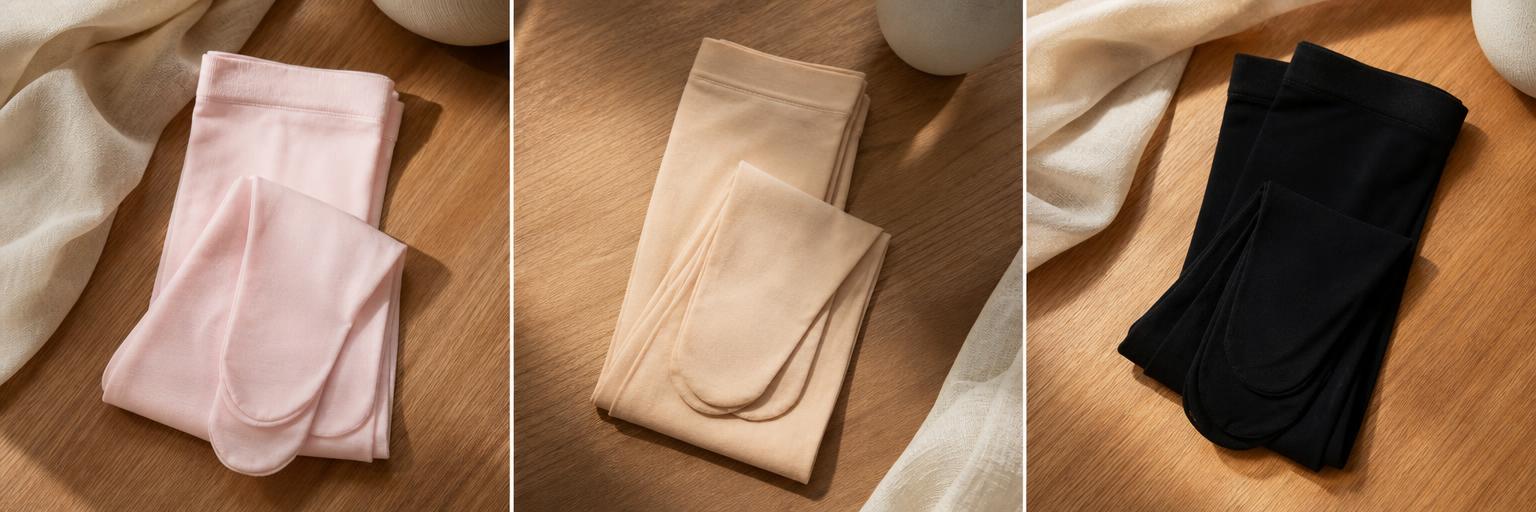
- Get the complete accessory requirement sheet before buying accessories. The invoice names the costume but usually doesn't include required shoe color and heel height, specific tights shade name, hair piece, or rhinestone touch-up supplies. Buy the costume, then wait for the requirement sheet before spending anything else. The shade-name trap is the most expensive of those, because 'studio tan' and 'caramel' do not map to the same package across Capezio, Bloch, and Body Wrappers, so what tights does my child need for recital gives the shade-to-actual-color conversion table before you order three pairs in the wrong color and watch a $9 line item turn into a $27 one.
- Separate one-time gear from recurring costs. A costume is usually one-time (resell or retire after the season). Shoes, tights, and hair supplies recur every season and every number. If Year 1 total feels high, the recurring portion is where the long-term budget pressure actually lives.
- If a costume is a one-time buy, treat it like one you can sell, because protecting its resale value is the cheapest way to pull the invoice back down. The week the season ends, a competition costume that is clean, has its rhinestones intact, and still has every piece is worth real money to next year's family, often half to two-thirds of new. Hang it in a garment bag instead of balling it in a drawer, spot-clean it rather than machine-washing it (the wash is what loosens stones and wrecks stretch fabric), and keep every piece together: the gauntlets, the hair piece, the appliques that came in the bag. Photograph it on a hanger before it goes into storage so you have a clean listing ready to post. Then list it in the studio buy-sell group early, before next season's families have ordered new, because once they have committed to a fresh costume your buyer is gone. The other lever on the costume line item is reuse on your own dancer for next season, which the studio sometimes offers alongside reusing the choreography itself; the cost-vs-growth tradeoffs and the costume-condition gates are in reusing a recital dance for next season.
- If alterations are needed, ask the studio for a referral. Competition costumes require experience with stage fabric, rhinestones, and stretch construction. A general tailor may damage a $150-200 costume. An experienced dance-costume seamstress handles it without incident.
- If the total feels wrong, ask the studio which line items are mandatory versus optional before making any decision. Extras (rhinestone upcharges, optional accessories, style add-ons) sometimes appear on invoices without clear notation of what is required versus what was chosen.
- If the invoice is legitimate but still a real strain on one month's budget, ask the studio about a payment plan before you assume the whole amount is due at once. The two common arrangements are splitting costume and accessory charges into two or three installments, or letting a deposit hold the order while the balance comes later, and directors offer them because they would rather keep your dancer in the number than lose the order over timing. Ask before the order deadline, since the plan has to be set up when the costume is ordered, not after the invoice is already past due. Put whatever you agree to in writing, an email reply is enough, so the dates and amounts are not a fresh surprise the second time around. And if money is genuinely tight, say so plainly, because directors hear that more often than parents realize, and the hardship or scholarship option that exists at many competitive studios is one that only surfaces when a family asks directly.
Common mistakes
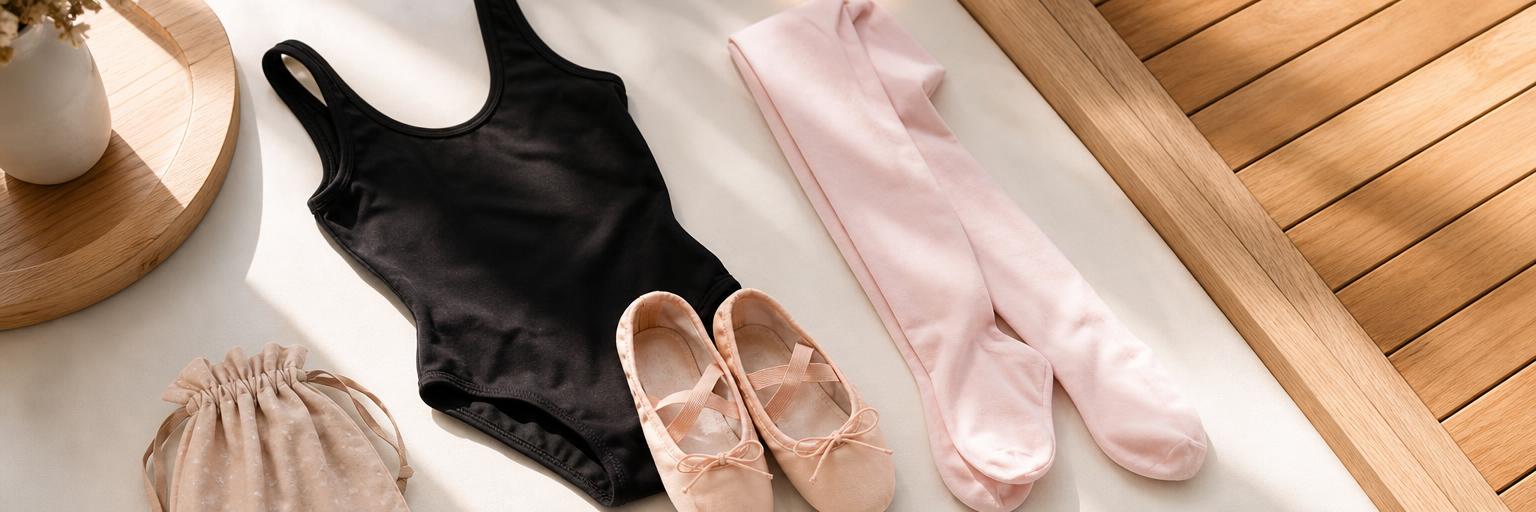
- Don't buy shoes, tights, or accessories until you have the complete requirement sheet. 'Black heeled shoe' is not specific enough to shop from. Required heel height, exact tights shade name, and whether the studio requires a specific brand all matter and aren't always obvious from the costume description.
- Don't evaluate the costume line item without the total Year 1 gear budget. The costume is usually the most visible number on the invoice but not always the largest purchase in the season. Competition bags, multiple pairs of shoes, tights bought in multiples, makeup kit, and hair supplies frequently exceed costume cost in Year 1. Our dance cost planner builds that full-season number in a couple of minutes, so you can see whether this invoice is the real problem or just the most visible piece of it.
- Don't skip alterations when the costume doesn't fit correctly. Fit issues are visible to judges and audiences. A dragging hem, gapping back, or loose bodice affects performance confidence and stage presentation. Alterations are cheaper than performing in a costume that doesn't fit.
- Don't buy from a resale source without confirming the studio's costume policy. Some studios require new costumes ordered through specific vendors for consistency. Buying resale may not comply with studio requirements for that number or season.