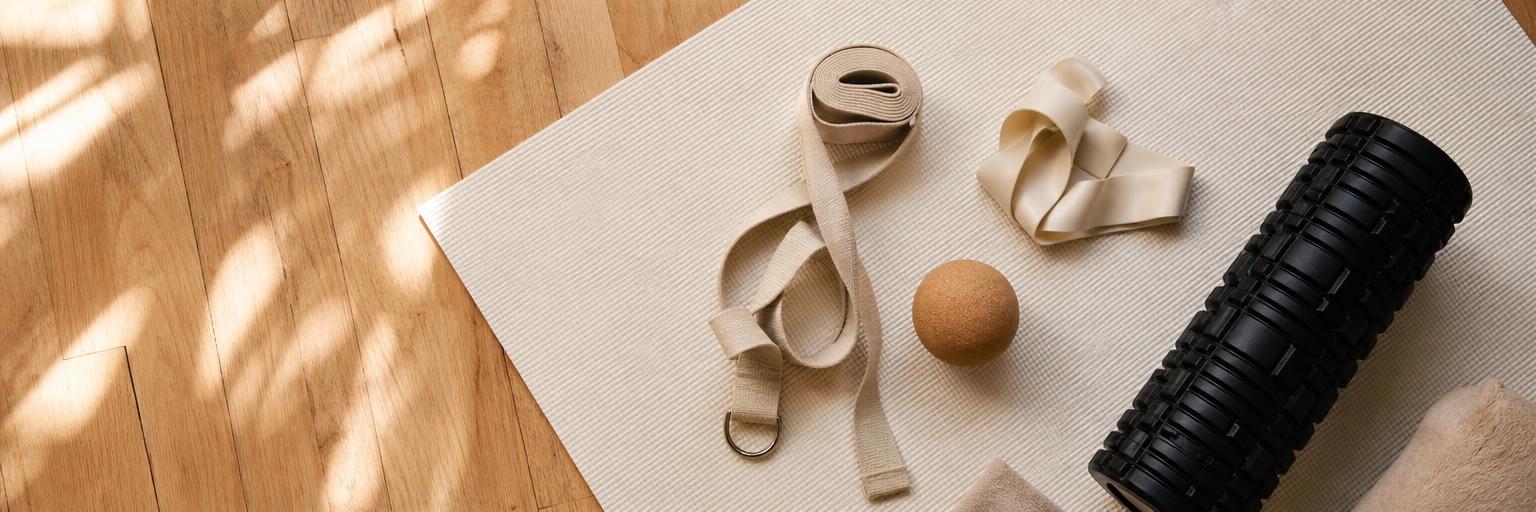
Routine comfort after class
Low-ticket, dance-specific, low-risk. The kind of thing that actually gets used when it's this simple.
No injury symptoms present. Use for comfort, not treatment.
Review
Here's what I tell parents at the studio: a foot roller after a long class is exactly the kind of low-risk, practical tool that helps a tired dancer recover. A foot roller as the answer to a swollen ankle is not, and no product in this guide changes that. If your dancer has pain, injury, swelling, or anything that sounds medical, stop reading this and call a professional. This guide covers the other scenario: the one with tired feet, a regular training schedule, and a teacher who's already talked about conditioning work. THAT dancer has real options here.

A foot roller isn't medicine, and neither is a resistance band. What they ARE is practical support for the routine demands of regular training: tired feet, stiff hips, the kind of tightness that comes from six hours in a studio on a Thursday. Keep the shopping frame there: practical accessory, not treatment. When a product starts promising faster healing, reduced injury risk, or clinical outcomes, that's the moment to step back and ask whether you actually know that. Usually you don't. Usually neither does the vendor.
For tired feet after class: the Capezio Footsie Roller, bought direct or through Dancewear Corner. It's $14, it's dance-specific, and it's the kind of thing that actually gets used because it's that simple. For conditioning: whatever the teacher specified, from a verified source with a clear return policy. For gifts: the foot roller or a set of resistance bands: only when the dancer's age and training load make it a natural fit. For anything where 'pain' is in the description: we don't recommend a product. We recommend calling someone qualified.
Before you pick a product, name what you're actually trying to solve. Tired feet after a double class? That's a comfort tool: low-ticket, low-risk, easy to use. Teacher-assigned conditioning? That's a bands purchase at whatever resistance level the teacher approved. An injury or pain question? That's not a shopping problem. Check those three scenarios before you scroll. Everything in this guide lives in the first two; the third one needs a professional, not a product page.
Don't buy a recovery device to treat pain or injury: those are medical questions, and a product page can't answer them. Don't gift an aggressive massage device to a young dancer without parent and teacher sign-off; unsupervised recovery tools aren't the same as supervised recovery practice. Don't trust marketplace listings where you can't identify the actual seller. And don't let 'stretching' stand in for a real warm-up: it's one component. The best purchases in this category are the ones that are simple enough to actually use after a long Thursday.
Routine comfort after class
Low-ticket, dance-specific, low-risk. The kind of thing that actually gets used when it's this simple.
No injury symptoms present. Use for comfort, not treatment.
Teacher-guided conditioning
Resistance bands at the teacher's specified resistance level
The teacher's exercise plan is the shopping list. This guide is just the source.
Resistance level, intended exercises, and teacher or qualified-source approval.
Gift buyer
Simple, identifiable foot or comfort tool: the foot roller is a safe default
Complicated tools become clutter. Simple tools get used.
Dancer's age, training load, parent comfort, and returnability of the specific item.
Low-risk dancer-specific comfort tool
~$14 direct; ~$15 at Dancewear Corner
Use for routine post-class foot comfort. Not injury treatment.
Teacher-approved resistance bands: Dancewear Corner and specialty retailers carry dancer-marketed options
Conditioning support; resistance level must match teacher guidance
Single bands $5–$15; multi-resistance kits $20+
Don't pick resistance without teacher input. Avoid bands marketed with medical benefit claims.
Stretch-eze mobility / support band
Flexibility and support tool for conditioning work. Not injury treatment.
Pricing varies; check the vendor page directly
Use for flexibility support and teacher-assigned conditioning. Stop here if the problem is pain or injury: that needs qualified help.
| Use Case | Allowed Framing | Stop Rule |
|---|---|---|
| Foot comfort after class | Routine comfort, tired feet, and simple low-risk tools. | Stop at pain, injury, swelling, numbness, or diagnosis language. |
| Warmup support | General preparation and movement-readiness guidance. | Do not imply stretching alone is a complete warmup or prescribe training plans. |
| Conditioning bands | Teacher-guided strength or mobility support. | Do not recommend resistance level or exercises as medical/rehab advice. |
| Gift buying | Useful, low-risk accessories that a dancer may actually use. | Avoid aggressive devices for young dancers without adult/teacher context. |
| Injury recovery | Route to qualified professionals. | No product recommendation from this guide. |