Quick answer
Should I buy a leg-split stretching machine for my dancer
When she is chasing the flat split or the oversplit the girls ahead of her have, the machine ads are everywhere, and you are about to crank her legs apart with a device with no idea whether it helps or hurts.
Quick read
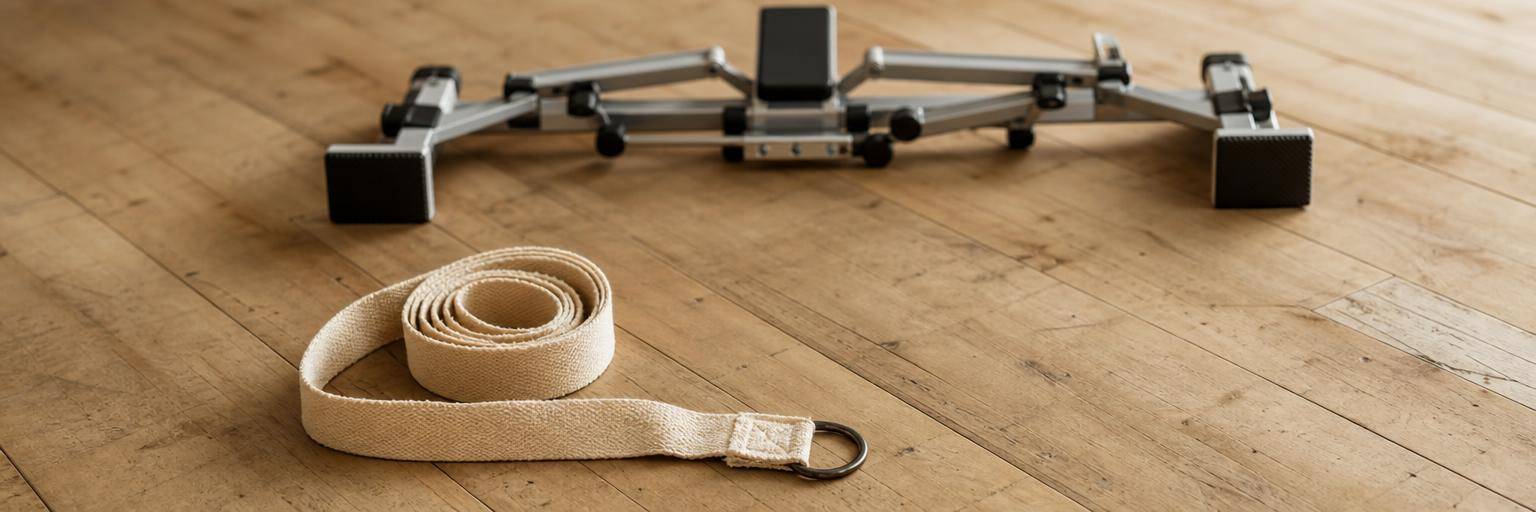
Skip the leg-split machine. The three-bar floor stretcher and the over-door versions work by cranking the legs farther apart than the body would go on its own, and forcing that passive range is exactly the problem, because a young dancer cannot feel where her safe limit is once a gadget is pushing past it. The risks are real and specific: pressing into an oversplit can jam the thigh bone into the hip socket hard enough to tear the labrum, the cartilage that stabilizes the hip; it can overstretch ligaments so they no longer hold the joint tight; and in a still-growing kid it can damage the growth plates, which give out before ligaments do. Here is the part the machine ads leave out, that oversplits are not required to dance well and plenty of professionals never sit in one. A clean, safe split comes from consistent progressive stretching, dynamic before class and gentle static after, paired with the strength to control the range, and that costs nothing. If you want to spend on something, a band-style stretcher like a Flexistretcher lets her use her own muscles to ease into the stretch rather than be forced into it, which is far lower risk than a crank machine, and even that belongs in a teacher's or physical therapist's plan, not a solo project on the living-room floor.
Gear for this situation
What to do
- Skip the crank machine, full stop. The three-bar floor stretcher and the over-door split trainer force the legs past where the body would stop on its own, and a kid cannot feel her safe limit once the gadget is doing the pushing. There is no version of forced passive splitting that is worth the joint.
- Know the specific injuries, because this is not vague caution. Pressing into an oversplit can jam the thigh bone into the hip socket and tear the labrum, the cartilage that keeps the hip stable; it can stretch ligaments past the point where they hold the joint tight; and in a still-growing dancer it can hurt the growth plates, which are more fragile than the ligaments around them. These are the injuries dance physical therapists see from forced stretching.
- Spend the money on nothing, or on strength. A clean split comes from consistent progressive stretching, dynamic moves before class and gentle static holds after, plus the strength to control the range she has, and that costs zero. Oversplits are not required to dance well, and many professionals never sit in one, so do not let a feed full of flat-split videos convince you she is behind.
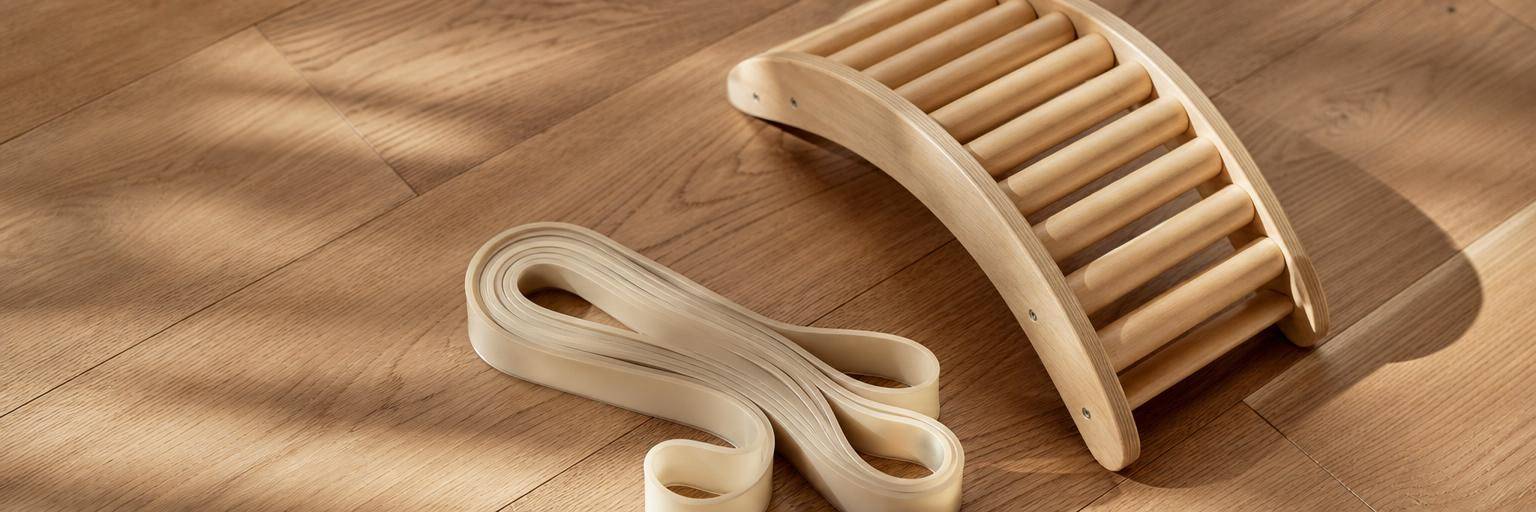
- If you buy any tool, make it an active one, not a forcing one. A band-style stretcher like a Flexistretcher lets her ease into the stretch with her own muscles instead of being cranked into it, which is far lower risk than a three-bar machine, and a foam roller and a simple strap do most of the same job. Use any of them inside a plan from her teacher or a dance physical therapist, not as a solo living-room project.
- Watch for the warning signs and stop. Stretching should feel like a stretch, not a sharp pinch in the hip or a pull at the very top of the hamstring where it meets the seat. Pain in the front of the hip, a pinch deep in the joint, or soreness that lingers for days means stop and ask the teacher or a PT, because that is the body flagging the exact damage this answer is about.
Common mistakes
- Don't chase the oversplit because the other girls have one. Flat splits and oversplits are partly the hips a dancer was born with, and forcing range she does not have does not close that gap, it injures the joint trying. Strength and consistent stretching are the parts you can actually build.
- Don't let her use a forcing machine alone at home. The unsupervised crank, chasing a number off a video, is exactly how the hip and the growth plate get hurt, because nobody is there to call it when she has gone too far. Any flexibility work is teacher-directed and gentle, or it does not happen.
- Don't write off hip pain as just sore. A pinch deep in the front of the hip or pain at the top of the hamstring is not normal stretch soreness, it is the early sign of the labral or tendon damage this device causes. Stop and get it looked at rather than pushing through.
Keep reading