Quick answer
What do I need for my child's first pointe shoe fitting
When her teacher walked over after Tuesday's ballet class to say she is ready for pointe, the closest specialized dance store is 35 minutes away, and you do not know whether to book through the website or call ahead.
Quick read
Book a fitting at a specialized dance store with a trained fitter, not a sporting goods store or a general retailer. Bring the dancer in ballet tights and ballet slippers. Expect the fitting to take 30 to 60 minutes. The fitter will try multiple brands and models. The right shoe for one dancer is completely wrong for another. Don't buy toe pads or accessories before the fitting; the fitter will tell you what setup to start with. Pointe shoes are typically final-sale once worn on any hard surface, so the first day wearing them should be in a studio setting with the teacher present.
Gear for this situation
What to do
- Book the fitting at a specialized dance store with a trained fitter. Ask your child's teacher for a referral, because most teachers have a preferred fitter or store they trust. A sporting goods store, a general online order, or a well-meaning guess from a dance parent is not a substitute. Pointe shoe fit involves bone structure, foot flexibility, and shank strength in combination. That requires a trained person watching your dancer stand and move.
- Before the appointment, bring a note or email from the teacher confirming the dancer is cleared for pointe if you have one. Some fitters ask for this, especially for younger dancers. It's not always required, but bring it when you can. If you're booking the fitting because she asked rather than because the teacher brought it up, pause and read when should my child start pointe first: the teacher's go-ahead is the only readiness signal that protects the foot, and the age floor (roughly 11-12, when growth plates have hardened) is non-negotiable regardless of fitting availability.
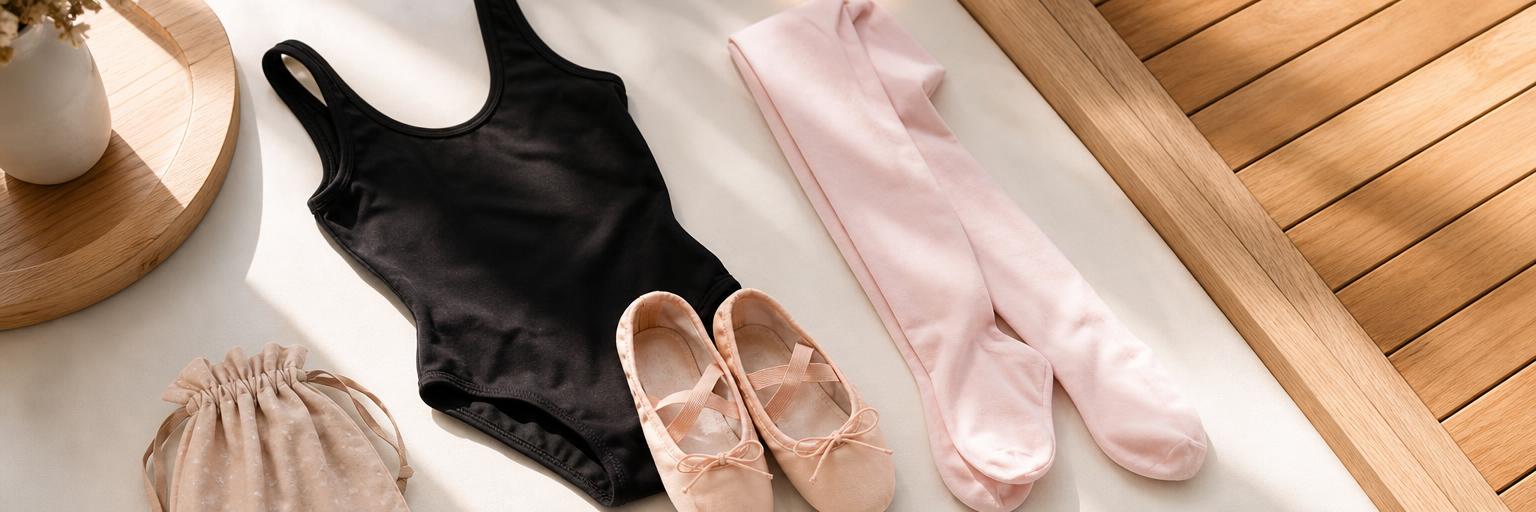
- Wear, or pack, convertible ballet tights, or footed tights you can roll down off the foot. The fitter needs to see and feel the actual foot inside the shoe. Bare-toe fit inside the shoe is the standard. Socks or heavy tights change the fit and waste your appointment time.
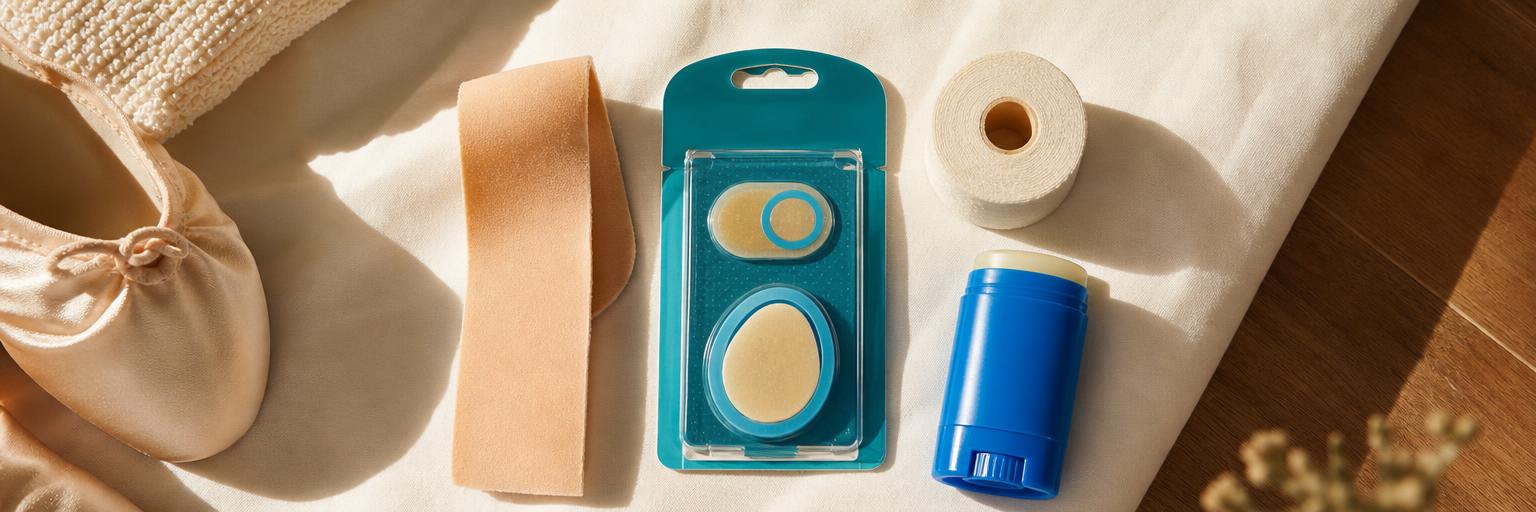
- Prep her feet a couple of days before, starting with the toenails, because the fitter reads the fit by where her toes reach the end of the box, and long nails throw that read off and turn full pointe into real pain. Trim them short and straight across rather than rounded down at the corners, since a nail curved at the edges is what digs in and starts an ingrown once it is loaded inside a stiff box. Do it two or three days ahead, not the morning of, so a freshly cut nail bed is not tender during the appointment. The timing of the appointment matters too, because feet swell over the day and after a hard class, so a fitting on a rested mid-day foot reads truer than one squeezed in right after a long rehearsal. The shoe gets fitted to the foot she will actually dance in, so send that foot in normal shape, nails done and no fresh blisters bandaged over. If she does have a raw spot from last week's flats, the blister rescue playbook covers what closes a hot spot fast (Compeed, athletic tape, anti-friction balm) so the fitting reads a normal foot, not a tender one.
- Expect the appointment to take 30 to 60 minutes for a first fitting. A thorough fitter tries 3 to 6 shoe models, has the dancer stand, relevé, and demonstrate foot flexibility in each. Rushing this is how dancers end up in the wrong shoe. Do not book this appointment into a tight schedule.
- Bring your payment method to buy same-day. Pointe shoes are sized and fitted on-site and purchased at the end of the appointment. Most fitters and studios selling fitted pointe shoes price them in the $70 to $120 range, and the shoe is not the whole ticket: the toe pads, ribbons, and elastics the fitter sews her up with that day usually add about $25 to $50 on top, the gel toe pads (a Bunheads Ouch Pouch runs around $30) being the bulk of it. Plan for a first-pointe register total closer to $100 to $170, so you walk in with the right budget instead of choosing between the shoe and the pads she needs at the counter. This is not a browse-and-decide-later purchase.
- Because you are buying a same-day, final-sale shoe, be an active set of eyes during the fitting, not a spectator. A pointe shoe fits when the toes reach the end of the box and just touch with the foot flat, with no air gap at the end and no toes jamming or curling under. When the dancer rises to full pointe, the foot should get all the way over the box with the heel staying snug, not gapping off or sliding down so she sinks into the shoe. Ask her in plain words whether her toes feel flat or scrunched, since a brand-new pointe dancer rarely volunteers it. And know that a good fitter telling you she needs a softer shank, a different model, or more strength before pointe is a successful appointment, not a failed one. The right shoe is the one that fits this foot, not the brand her friends wear.
- After the fitting, follow the fitter's break-in instructions exactly and buy only the accessories (toe pads, spacers, tape) the fitter recommends for your dancer's specific setup. Pre-buying a toe pad kit before the fitting is backwards. What works for one dancer can actively harm another. And do one more thing before you leave the store: pointe shoes come home with the ribbons and elastics loose in the box, not sewn, and she cannot take a class until they are hand-sewn on. Placement is set by her foot, not a diagram, so have the fitter mark the ribbon angle and elastic spot while she is right there, then give yourself an evening for the sewing or ask whether the studio sews them for a fee. That, plus the reorder, counterfeit, and dead-stock rules for every pair after this one, is laid out in how to buy pointe shoes without the risk.
Common mistakes
- Don't buy pointe shoes online for a first-time pointe dancer, even from a trusted retailer. Pointe shoe fit is highly specific to the individual foot. The brand, model, shank stiffness, vamp height, and width are all variables that only a trained fitter evaluating the specific dancer can determine correctly.
- Don't let a budget constraint override the fitting process. If the right shoe for your dancer costs $110 and you were hoping for $80, the $80 shoe is still the wrong shoe. Pointe shoes worn on the wrong foot structure cause real injuries.
- Don't let 'comfortable' or 'room to grow' drive a pointe fitting the way it would a school-shoe purchase. A correctly fitted pointe shoe feels firm and snug standing flat, almost too small by everyday-shoe logic, and that is right. The dangerous instinct is to size up, because a shoe with a thumb of growing room lets the foot slide down and sink into the box, so her toes crunch at the bottom on full pointe and she loses the support the platform is supposed to give. With pointe, too big is the injury, not too small. Trust the fitter's snug read over the urge to leave wiggle room, and buy the shoe that fits the foot today, not the foot you hope she grows into by spring.
- Don't buy toe pads, gel caps, or spacers before the fitting. The fitter recommends accessories based on what she observes about your dancer's specific foot shape and how she sits in the shoe. Pre-buying creates pressure to use the wrong accessories.
- Don't wear the new shoes outside the studio or on any non-sprung floor before the teacher has confirmed fit. Pointe shoes are final-sale once any wear appears on the satin or sole. The first wear should be in class with the teacher present so she can check that the fitting translated correctly to standing and barre work.