Quick answer
My child outgrew their dance shoes mid-season
When her Capezio ballet slippers that fit in September feel cramped by February, the studio's spring recital is May 18th, and you do not know if the same shoe in the next half-size is still on Capezio's site.
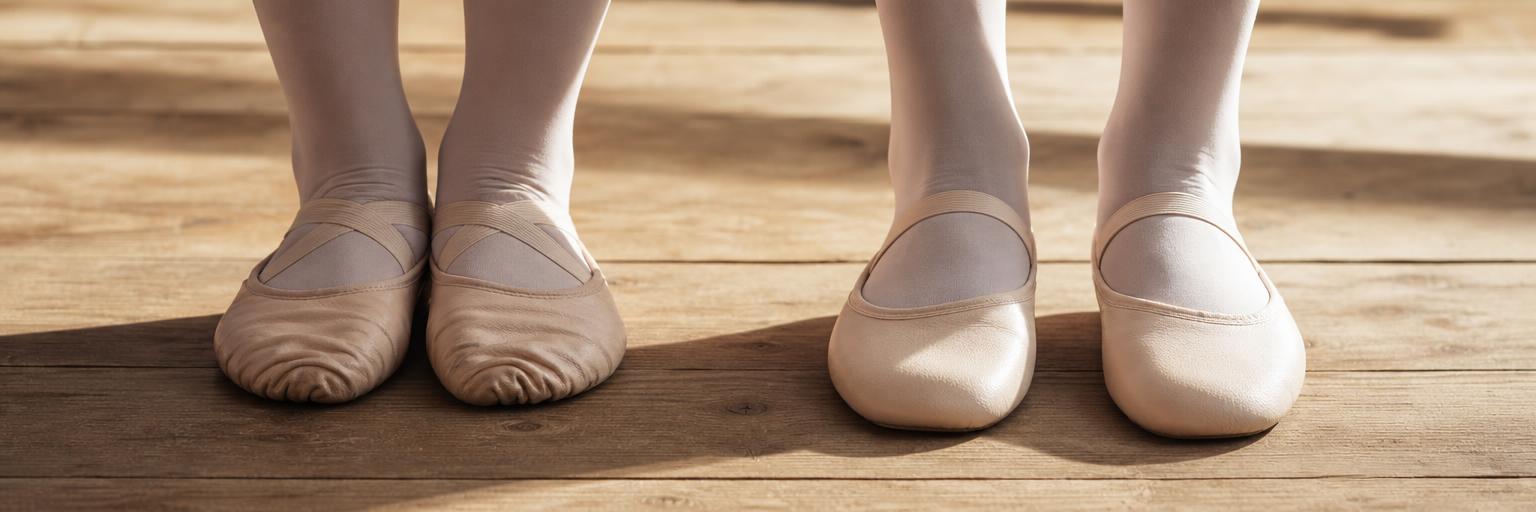
Quick read
Measure the foot now, don't estimate. Dance shoes run 1 to 2 full sizes smaller than street shoes, so even half a street-size of growth can require a full dance-size jump. Start with the exact same brand and model, since you already know that shoe fits your dancer's foot. Check the brand's website first, then a dance retailer. If the model is out of stock or discontinued, confirm with the studio before switching brands, because dress code specs sometimes name a brand or style.
Gear for this situation
What to do
- Measure the foot before doing anything else. Use a ruler on a hard floor with the dancer standing, heel to wall, then measure to the longest toe. Don't estimate from memory or guess from how the shoe feels: foot length in January is different from foot length in September. Dance shoes run 1 to 2 full sizes smaller than street shoes, so half a street-size of growth often means a full dance-size jump. And once you have the number, use it. The reflex move is to order the next size up from the pair in the closet, but growth doesn't arrive in neat single steps, so take the measured length to the size chart for her exact model on the brand's site and let the measurement pick the new size. A reorder sized by ruler lands right far more often than one sized by reflex. Our shoe fit finder takes that measurement plus her current street size and returns the brand-correct dance-shoe size for Capezio, Bloch, and So Danca across the major styles in under a minute, with each brand's chart linked for the final confirm.
- Identify the exact brand and model that fit. Look at the inside or sole of the current shoe: the model name is printed there. You want to reorder the same model before trying anything else, because you already know that specific last fits the foot shape. A Capezio Daisy 205 and a Bloch Dansoft fit differently even though both are beginner full-sole ballet slippers.
- Go to the brand's website first. Dance shoe brands maintain their own in-stock pages and often have sizes available that individual retailers have sold out of. Capezio direct, Bloch direct, and So Danca direct all have online stores. Search the exact model name from the current shoe.
- Check a dance retailer second: Discount Dance and DancewearCorner carry multiple brands and often have deeper size inventories than brand-direct sites. Use the exact model name. If you find the same model at a better price or with a faster shipping option, that's fine, but don't switch models unless the original is unavailable.
- Ordering online means you can't get the shoe on the foot first, so when the measurement lands between two listed sizes, reorder the same model in the size that fits snug right now with the longest toe just shy of the end. A soft ballet or jazz shoe should sit close to the foot, and the empty space that feels like room to grow is exactly what slides and blisters on relevé. When you are genuinely torn between two sizes, buy from a retailer with a free size-exchange policy so a mail-order guess doesn't cost you a restocking fee, and keep the outgrown pair until the new one is confirmed to fit. Once the box arrives, the full at-home fit-check protocol (the relevé test, the four telltale heel-and-toe signs, the borderline calls) is in how do I know if my dance shoes fit correctly, so the exchange window catches a wrong reorder the same day instead of the week the teacher points it out.
- If the same model is discontinued or out of stock in the new size, check with the studio before switching brands. Dress code requirements sometimes specify a brand or a particular construction. Switching from a Capezio Daisy to a Bloch Dansoft means re-learning the size (sizing is different by brand) and a re-fit that the teacher should verify. Ask first.
- Plan for 2 to 3 classes of break-in time with the new pair. Don't wait until the week of a recital or performance to make the switch. An old too-small pair is better for a performance than brand-new shoes that haven't been broken in. If recital is less than two weeks away and the current shoes are borderline, get the new pair but keep the old ones available for performance day until the new ones are ready. The how-to-break-in-new-dance-shoes walkthrough has the style-by-style protocol (ballet, jazz, tap, character) so the new pair is performance-ready by the right number of wears.
- Learn the early tells so next time you catch it before the cramped shoe does any harm, because a soft dance shoe hides outgrowing in a way a sneaker never does. There is no blown-out toe or split seam to warn you. The signs are quieter. She starts curling her toes under or says the shoe feels funny, you can feel the longest toe pressing right at the end through the soft upper, red lines or indentations show across the tops of her toes after class, or the drawstring and elastic are already pulled as tight as they go. A foot in a growth phase can cross from fine to too small in a matter of weeks, so during the busy season give the toe of each shoe a thumb-press while she has it on every couple of weeks instead of waiting for a complaint. Caught early, the replacement is a calm reorder. Caught late, it is a cramped foot plus the compensating habits a teacher then has to un-teach, which is why the first clearly-too-tight signal is one to act on the same week and not ride out.
- Manage the cost of a fast-growing foot, because a dancer in an active growth phase can outgrow the everyday class shoe two or three times in one season and there is no reason to pay premium prices to do it. While the foot is moving, buy the economical version of the shoe she wears every week. A canvas ballet slipper at around fifteen dollars takes the daily class beating and gets replaced without stinging the way a thirty-dollar leather pair would, and the studio rarely cares which material as long as the color is right. The are cheap dance shoes okay for a beginner walkthrough names the budget brands worth buying (Dance Class by Trimfoot, Stelle) and the costume-store knockoffs to avoid, plus the growth-spurt budget case that applies exactly here. Save the nicer or longer-lasting pair for when growth slows down. And the pair she just outgrew is not trash, since it is barely worn and exactly what the next family down the size ladder is hunting for, so drop it in the studio's used-shoe bin or post it in the parent swap, where it recoups a few dollars and saves someone else the same scramble you just had. The everyday shoe is the one line on the dance budget you can quietly shrink, and a growth spurt is when that pays off most.
Common mistakes
- Don't size up expecting growth room. Dance shoes are sized for right-now fit. A too-big shoe causes blisters as the foot slides and slips on relevé. If you're choosing between a shoe that fits today and one you're hoping grows into, buy the one that fits today.
- Don't assume the same brand's size chart is consistent across models. A Capezio Daisy in size 11C does not fit the same as a Capezio Juliet in size 11C: different lasts, different cuts. Order the exact same model, not just the same brand size.
- Don't order from marketplace sellers for a mid-season replacement when timing matters. Amazon Marketplace and eBay listings for dance shoes frequently have sizing inconsistencies or quality control differences. Order direct from the brand or from a known dance retailer: Discount Dance, DancewearCorner, Capezio direct, or Bloch direct.
- Don't wait past the first 'too tight' signal. A cramped dance shoe changes how the foot articulates, causes blisters, and leads to compensating habits the teacher will have to correct. Once the shoe is clearly too small, get the replacement before the next class, not at the next convenient shopping moment.