Quick answer
My child is enrolled in multiple dance styles: which shoes should I buy first?
When the studio's combo-class packet lists ballet slippers, tap shoes, jazz shoes, and character shoes at $148 all-in, classes start Monday, and your bank account does not want to do this in one purchase.
Quick read
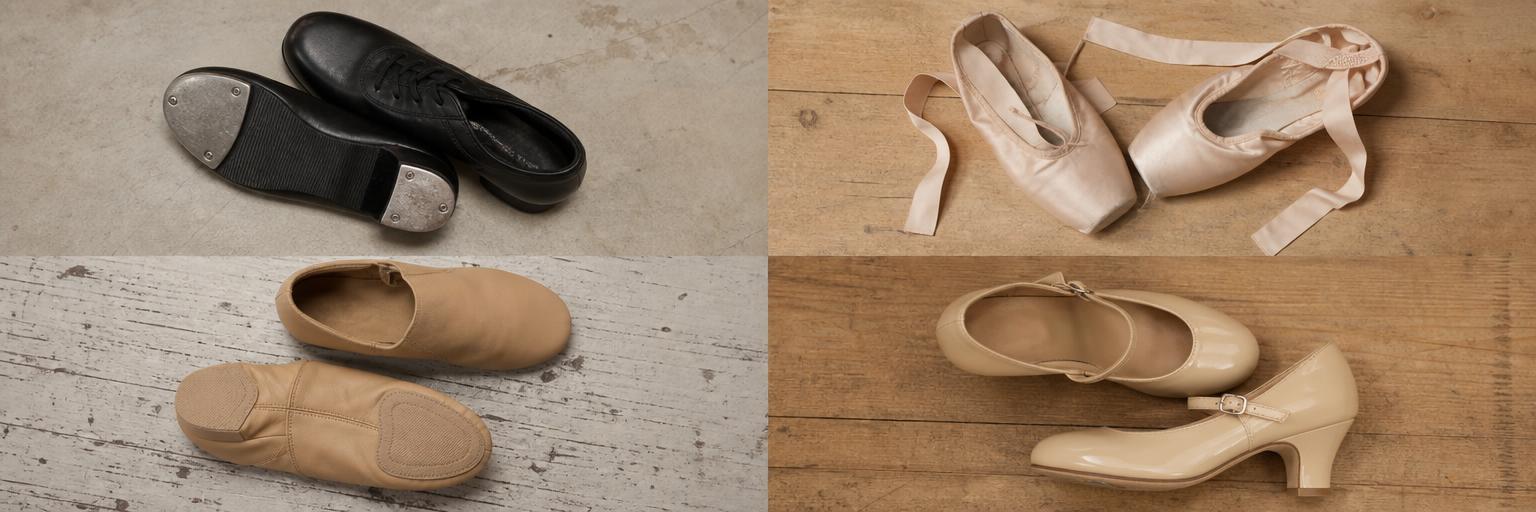
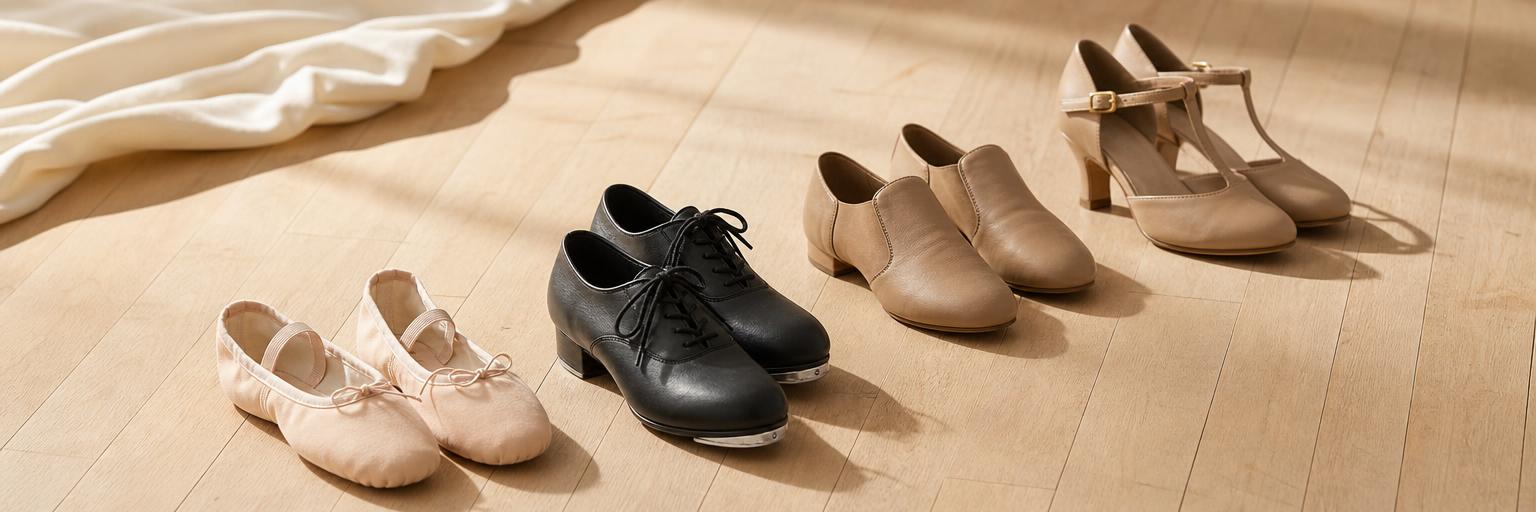
Buy only what's required for the classes that start in the first week, in this order: the everyday class shoes first (ballet slippers for ballet, tap shoes for tap), then the second style's shoe once that class actually begins, and anything labeled for recital or performance last. Character shoes are almost always a recital item, so you'll have weeks before you need them. Jazz shoes can wait the same way unless jazz is on the week-one schedule. A combo class (ballet plus tap) is the one case where you buy two at once, but they're cheap, under $55 combined. When you're unsure which to buy first, email the studio: 'Which shoes do we actually need for the first week?' is a normal question, and the answer trims the list every time.
Gear for this situation
What to do
- Read the shoe list carefully before buying anything. Many studios send a complete-year gear list at enrollment, not a first-week shopping list. Look for any language that separates required-for-first-class from required-for-recital. If the list doesn't say, email the studio: 'Which shoes are needed for the first week of classes?' is a completely normal question and most studios answer it quickly.
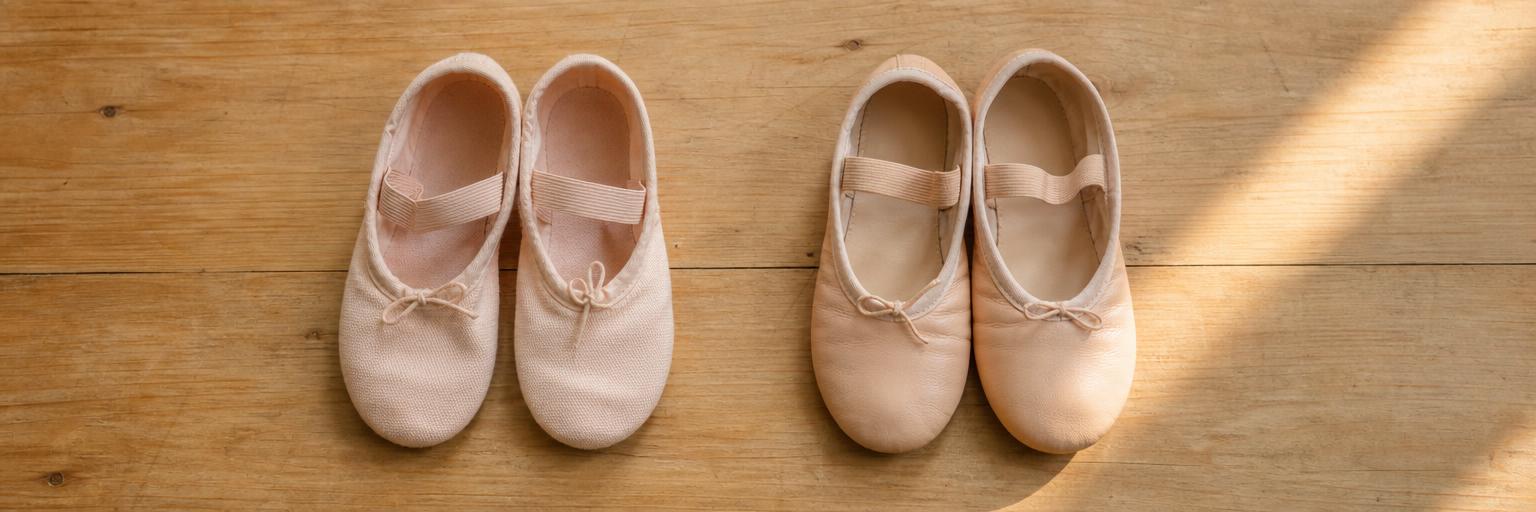
- Buy only what's required for classes that start in the first week. Ballet slippers for ballet class. Tap shoes for tap class. If your dancer's schedule starts with two styles simultaneously, buy both, but only those two. Jazz shoes and character shoes can almost always wait until you have more information.
- For combo classes (the most common first enrollment is ballet plus tap): you need both shoes, but the combined cost is the lowest you'll ever spend on dance shoes. Canvas ballet slippers run $15 to $22. Beginner tap shoes run $30 to $40. Under $55 for both. Size each one separately, though. Ballet slippers run 1 to 2 sizes smaller than street shoes. Tap shoes run closer to street size. Don't assume the same size works for both.
- Character shoes are almost always a recital item. The studio won't need them until the costume sheet goes out, usually in late winter or spring. Unless the teacher explicitly says character shoes are required for first-day class, don't buy them at enrollment. When the costume sheet comes out, it will specify the exact shade and heel height. Buying earlier means possibly buying the wrong thing.
- Jazz shoes can usually wait unless the studio's dress code requires them for class from Week 1. Many jazz classes allow any supportive shoe for the first few weeks. Confirm whether your studio requires jazz shoes on day one before ordering.
- When the full list does become relevant (usually by recital season), buy in this priority order: ballet slippers (cheapest, most specific to ballet), tap shoes (required for tap, nothing substitutes), character shoes (required for most recital performances, confirm shade and heel height first), jazz shoes (required for jazz class, confirm split or full sole), other items as assigned.
- Let each style prove it is sticking before you buy its shoe, because a brand-new dancer signed up for three styles often loves one and quietly drops another by week three. Five and six year olds especially try ballet, tap, and jazz all at once and then decide tap is too loud or jazz is too hard, and the shoe you rushed to buy for the dropped class is money you will not get back. It is another reason the first-week-only rule pays off, since the styles that start later, or that the studio lets her ease into in socks or sneakers for a few weeks, give you time to see what she actually keeps showing up excited for. Ask the studio whether there is a trial or observation window at the start of the year, because many let the youngest dancers settle into the schedule before any specialty shoe is required, and a style she sticks with is a far safer thing to spend on than one she signed up for back in August. And while she is deciding, the are cheap dance shoes okay for a beginner walkthrough names the $15 to $20 budget brands that are genuinely fine for a tentative first-style buy, so the pair for the class she may drop is the cheap one and the upgrade waits until she has stuck.
- There is a fit reason behind waiting on the recital shoes, not only an information one. A character or jazz shoe bought at fall enrollment for a spring recital is being fit to a foot months younger than the one that will wear it, and a growing dancer can gain a half size between September and June, so a pair that looked right in the box can pinch by show day. Waiting until the costume sheet drops solves both problems at once, because you finally know the exact shade and heel height and you are fitting a foot much closer to its recital size. The everyday shoes she wears every week, ballet slippers most of all, are the opposite case, since they take the real floor time and are the pair you should expect to replace mid-season, so that is where your first dollars and your first refit belong.
- Ask about the studio's used-shoe bin or parent swap before buying every pair new, because a multi-style dancer is exactly who it helps most. Tap and character shoes get worn a handful of times a year and a growing child outgrows them fast, so they turn over constantly and show up barely used. Many studios keep a used-shoe shelf, run a resale table at recital, or have a parent group where families pass shoes down for a few dollars. For the styles your dancer only needs at recital, a clean secondhand pair in the right size and required color is the same shoe at a fraction of the price. Just check the fit and the color against the costume sheet as carefully as you would for a new pair, and use the secondhand verification checklist in can my child reuse last year's dance shoes (sole wear, tap-screw tightness, canvas stretch, leather-mold-to-prior-foot test) so you don't end up with a deal that fails on the first class.
Common mistakes
- Don't buy every shoe on the list in the first week. The enrollment packet is a complete-year reference, not a first-week shopping list. Buying everything upfront means fitting multiple shoes for styles your dancer hasn't started yet, under time pressure, without knowing which sizes will work for each shoe type.
- Don't use the same size for every shoe. Each style has different sizing conventions. Ballet slippers typically run 1 to 2 sizes smaller than street shoes. Tap shoes typically run closer to street size. Character shoes often track street size but vary by brand. Jazz shoes vary by brand and sometimes require sizing up. Always use the size chart for each specific shoe. This page is exactly what our shoe fit finder was built for: enter her street size once and it returns a separate starting size for ballet, jazz, tap, and character shoes across Capezio, Bloch, and So Danca, so a multi-style order goes out with the right size in every box.
- Don't assume one shoe can substitute for another. Jazz shoes are not character shoes. Ballet slippers are not jazz shoes. They're built for different floors and different technique requirements. The only shoe that sometimes crosses styles is a character shoe for recital, but only if the teacher explicitly says it works for multiple styles. The deeper by-style answer (when a jazz shoe DOES work for lyrical, what the combo-class shoe-change rhythm looks like, and the styles where no shoe is the right answer) is in can my child use the same shoes for different dance styles, and reading it before the order goes in is how you avoid the duplicate pair you didn't need.
- Don't skip the exchange policy. First-year multi-style families are buying several shoe types they've never fit before. Every purchase needs an exchange option, not just a return window. A return-only policy on a first fit means a wrong-size shoe stays wrong.
Keep reading