Quick answer
Can my child use the same shoes for different dance styles
When she is enrolled in Saturday-morning ballet at 9am and Saturday-noon tap at 12, the studio's required-shoes list has both, and you would rather not buy two pairs if her ballet slippers could do both.
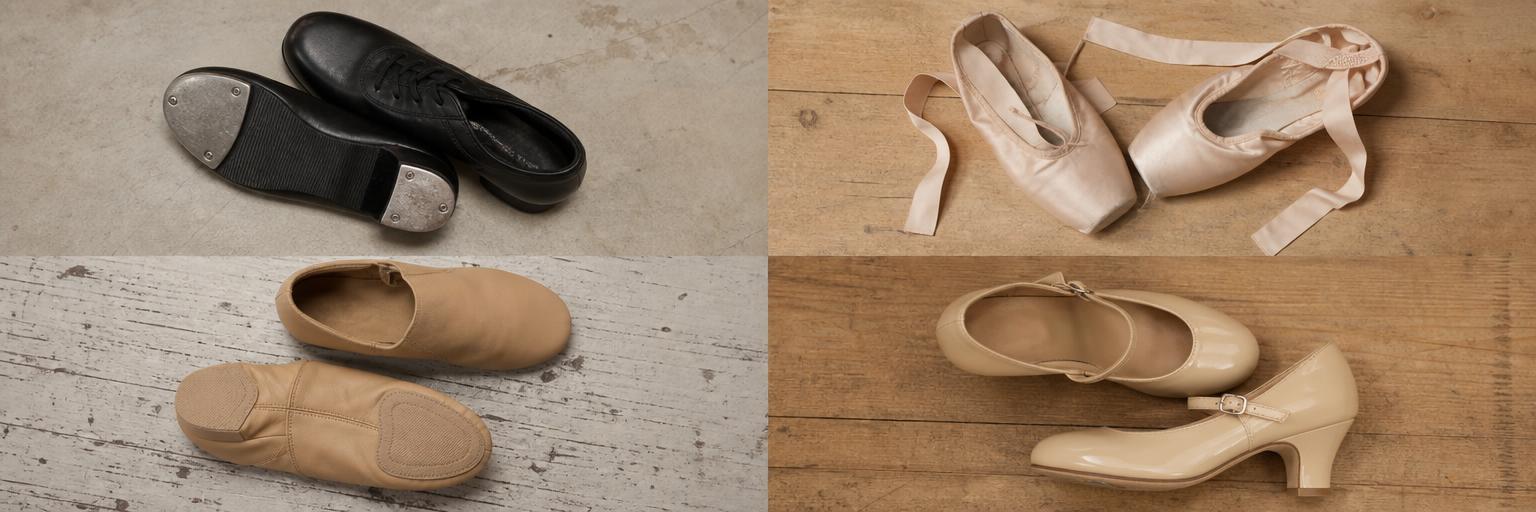
Quick read
Dance shoes are style-specific and almost never interchangeable. Ballet slippers, tap shoes, jazz shoes, and character shoes each do a different job, and swapping one for another changes how the foot works in class. The teacher's dress code for each class is the authority: if a teacher specifically allows jazz shoes for lyrical, that overrides the general rule. When in doubt, ask the teacher before assuming one pair will cover two classes.
Gear for this situation
What to do
- Read the requirement for each class separately before assuming anything substitutes. Some studios are strict (jazz shoes means jazz shoes only). Others allow flexibility in specific styles, especially lyrical and contemporary. Your teacher's dress code for each specific class is the authority, not any general guide, not another parent's experience at a different studio.
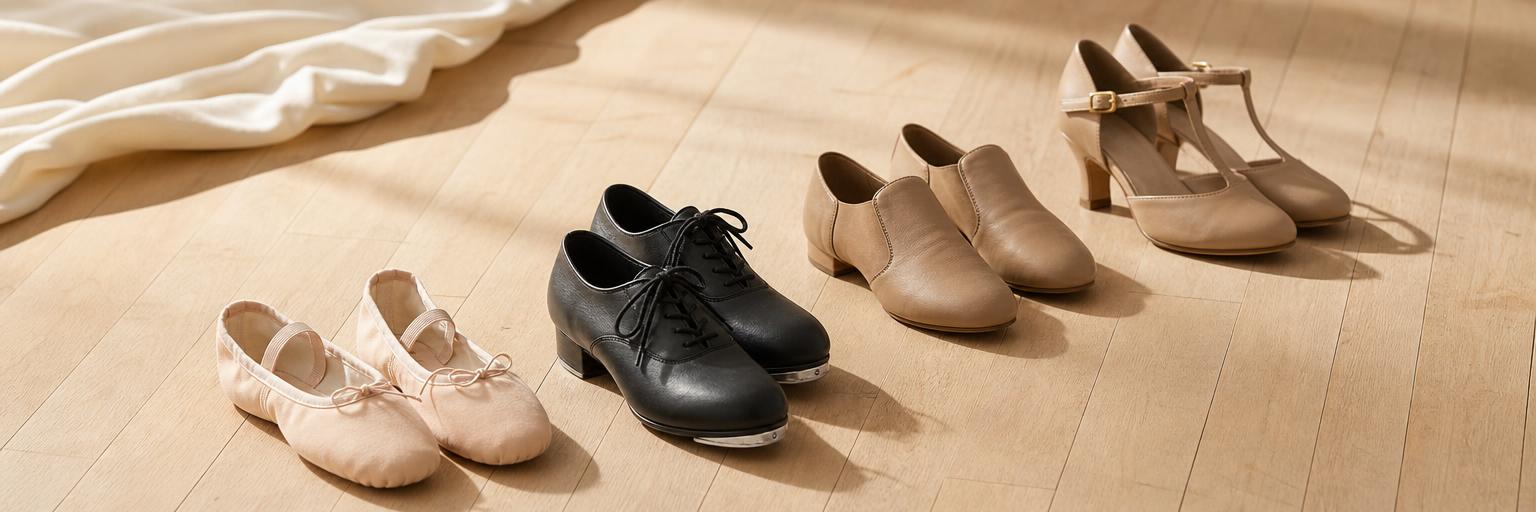
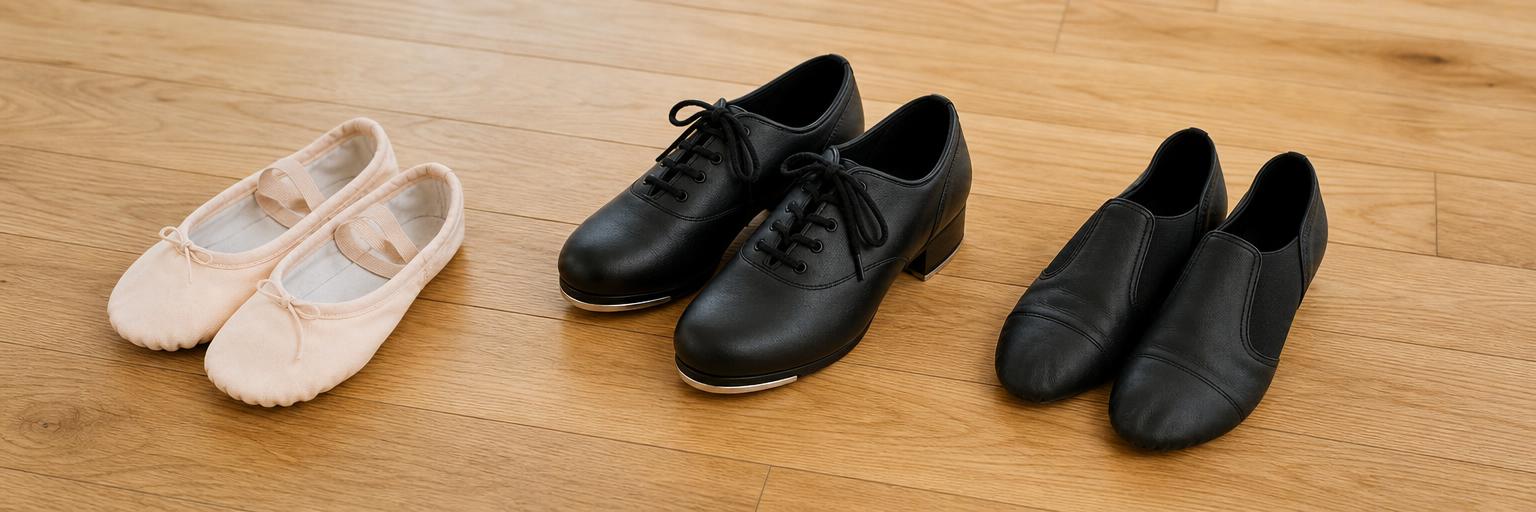
- Ballet slippers and tap shoes cannot substitute for each other. Ballet slippers have no taps and a soft leather sole designed for ballet footwork. Tap shoes have a rigid sole and metal taps. Using tap shoes in ballet changes every relevé and plié exercise. Using ballet slippers in tap produces no sound and no correct technique. If you're in both classes, you need both shoes.
- Jazz shoes are the most flexible of the studio class shoes. Some teachers allow jazz shoes for lyrical, contemporary, or street jazz when the class doesn't have its own specific requirement. Ask your teacher explicitly: 'Can I wear my jazz shoes for your lyrical class?' before assuming they work. Don't substitute first and ask later.
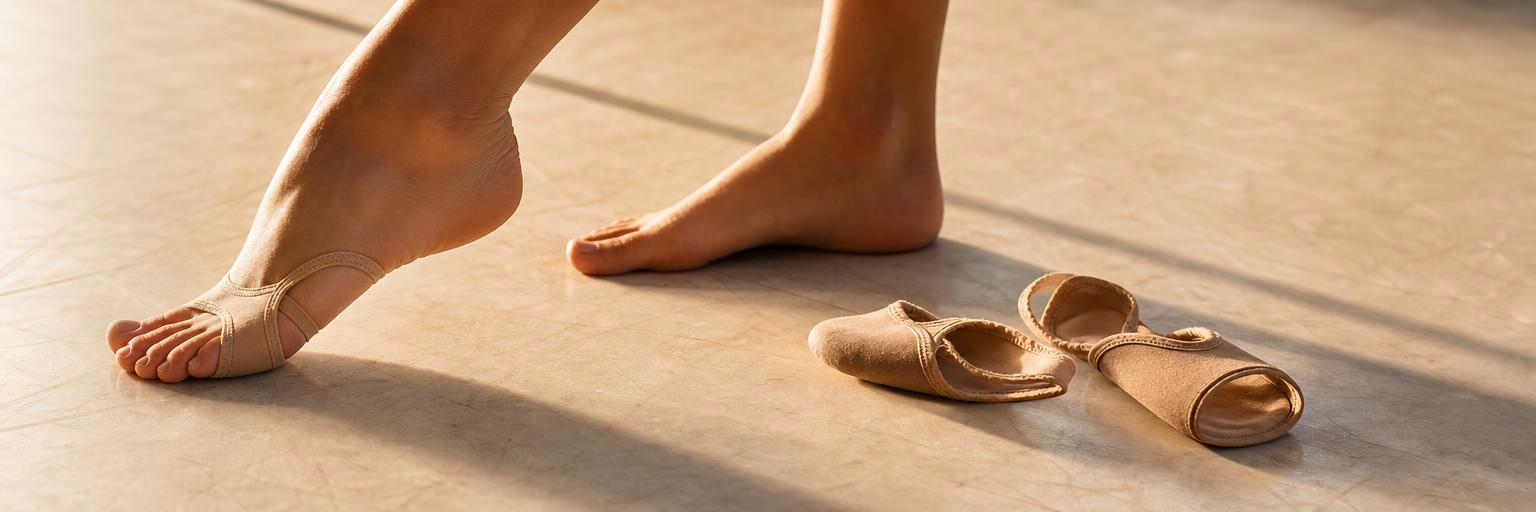
- Lyrical, contemporary, modern, and acro are the styles where the answer is often no shoe at all, which is exactly where a multi-style family saves money. Lyrical and contemporary usually run barefoot or in foot undies (half soles). Acro is almost always fully barefoot, because the dancer needs to grip the floor with the whole foot and roll through it safely on inversions, so a hard sole would be a hazard rather than a help, and modern is barefoot for the same floor-feel reason. None of these takes a ballet, tap, or jazz shoe, and a jazz shoe does not cover them either. Before you buy anything for one of these classes, ask the teacher whether it is barefoot, half soles, or a specific shoe, because the most you are likely to need is an inexpensive pair of half soles for ball-of-foot protection on turns, and plenty of teachers run the class on bare feet and want nothing bought at all. The lyrical and contemporary shoes walkthrough covers the bare-feet versus half-sole versus jazz-shoe decision in depth, including the grip-vs-skin tradeoff that decides which the teacher will land on.
- Dance sneakers occupy their own lane. A non-marking dance sneaker (Bloch Boost Mesh, Capezio DS11 Fierce) is appropriate for hip-hop, urban, and some acro or fitness classes. They don't substitute for ballet, tap, or character shoes. They're a separate category for a separate type of class, and if hip-hop is one of her styles, our dance sneakers review compares the Boost, the DS11, and the rest of that lane so you buy it once.
- Combo class (ballet and tap in one session) requires both pairs at every class. The class is structured with a shoe change between the ballet segment and the tap segment. There is no shoe that covers both, and the teacher will require the correct shoe for each segment.
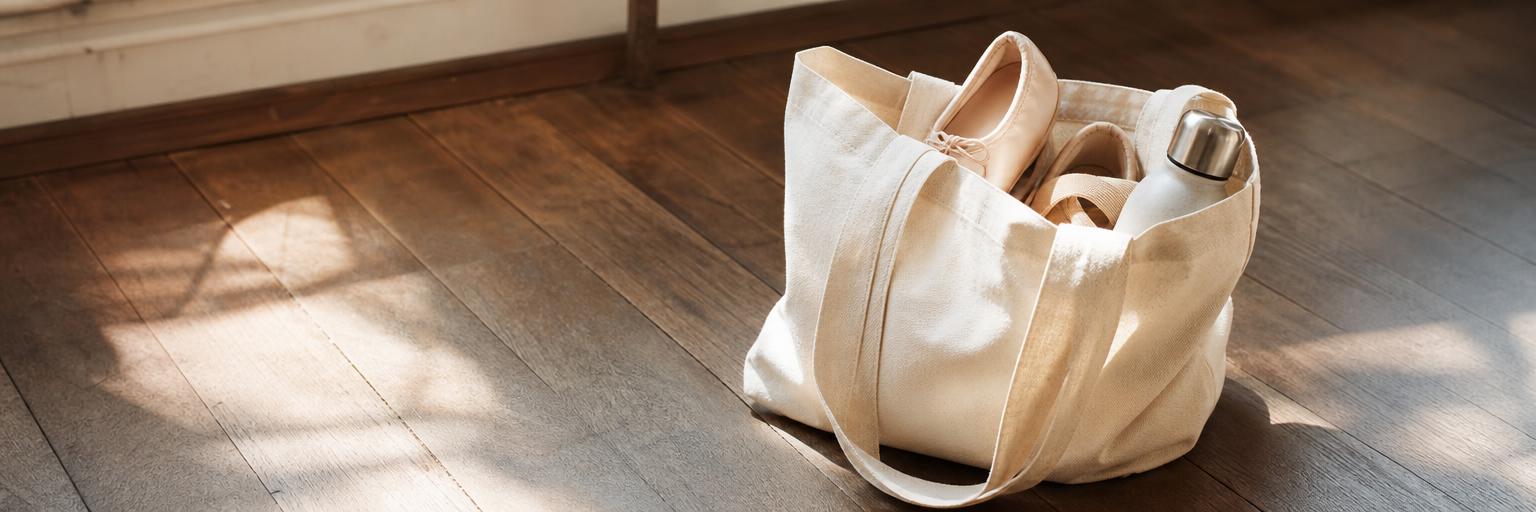
- If she is in a combo class or back-to-back styles, set her up to make that shoe change fast, because the dancer still fumbling with laces after the rest of the class has moved on is a real and avoidable stress. Pack the two pairs where she can reach the next one without digging through the bag, pre-loosen the tap laces and the ballet drawstring so each pair slips on instead of fighting her, and have her run the change at home a few times until it is quick and automatic. Label both pairs on the inside with a laundry marker while you are at it, because a combo room is full of identical slippers and tap shoes, and one mixed-up or missing shoe is how a smooth transition turns into a meltdown. The do I need a dance bag for my child's first class walkthrough covers which bag size makes the two-pair-plus-water-bottle layout actually work for a 5-to-7-year-old, and what stays out (snacks, hairbrush, water) so she does not dump the whole thing on the floor looking for the second pair.
- If the real worry is paying twice, control it with sequencing, not substitution. Buy the shoes for the classes with a firm, named requirement first (ballet wants ballet slippers, tap wants tap shoes), and hold off on the ambiguous ones until the teacher confirms. Lyrical and contemporary are the classic trap: a parent buys half soles up front, then the teacher runs the class barefoot, and that pair never leaves the bag. The shoe you don't buy because you waited a week to ask is the cheapest one on the list. The multiple styles, which shoes should I buy first walkthrough lays out the buying order by enrolled-style combination so a four-class September spreads across two paychecks instead of one.
Common mistakes
- Don't buy the shoe that looks most versatile hoping it covers two styles. Ballet slippers, tap shoes, jazz shoes, and character shoes each have a functional requirement built into their construction. There is no crossover between ballet and tap, or between jazz and character. Versatility in dance shoes means 'right for its style,' not 'works for multiple styles.'
- Don't ask other dance parents whether the shoes are interchangeable. Parent advice on substitution is inconsistent and studio-specific. One parent's experience at a different studio with a different teacher doesn't predict what your teacher will allow. Only the teacher for your specific class knows.
- Don't bring the wrong shoes and assume the teacher won't notice. Teachers notice immediately. A ballet class in tap shoes changes how the foot works in every exercise. A tap class in jazz shoes produces no sound and no correct technique feedback. This isn't a minor difference the teacher will overlook.
- Don't wait until the first class to resolve this. 'Can my jazz shoes cover my lyrical class?' is a question to ask at enrollment or during the week before classes start. Showing up with one pair and hoping for the best puts your child in an awkward spot on the first day.
Keep reading