Quick answer
How much does it cost to start dancing as an adult
When the city studio's adult-beginner Monday tap class is $22 a drop-in, you have signed up but not gone yet, and you cannot tell if you should spend another $50 on tap shoes before Monday or just wear sneakers and see.
Quick read
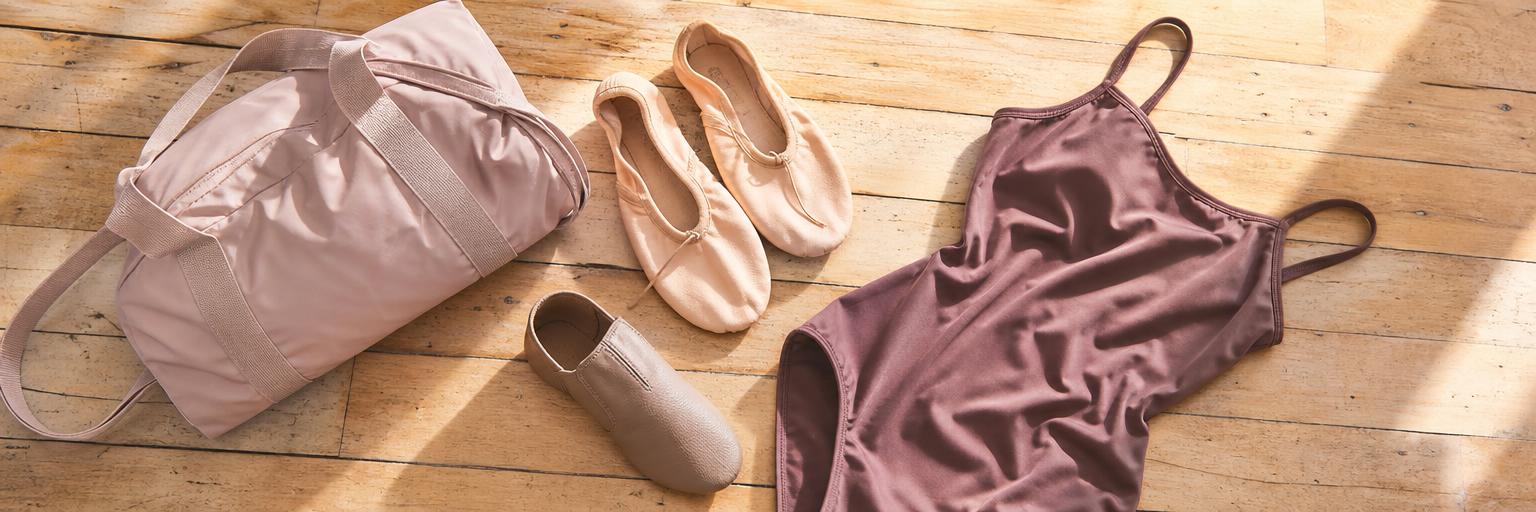
Recreational adult dance gear is typically $50 to $150 for a first class: shoes ($30 to $80 depending on style), appropriate clothing ($20 to $50 if you don't already have fitted workout wear), and tights if required ($10 to $15). The gear is the small part though. The real recurring cost is tuition, usually $15 to $25 a drop-in class or $80 to $150 a month, so weigh that before you spend a dollar on shoes. Don't buy gear before confirming with the studio what's required. Adult class dress codes vary much more than children's, and many studios allow regular workout clothing for introductory classes. Competition or performance dance is a different budget entirely and doesn't apply to recreational beginners.
Gear for this situation
What to do
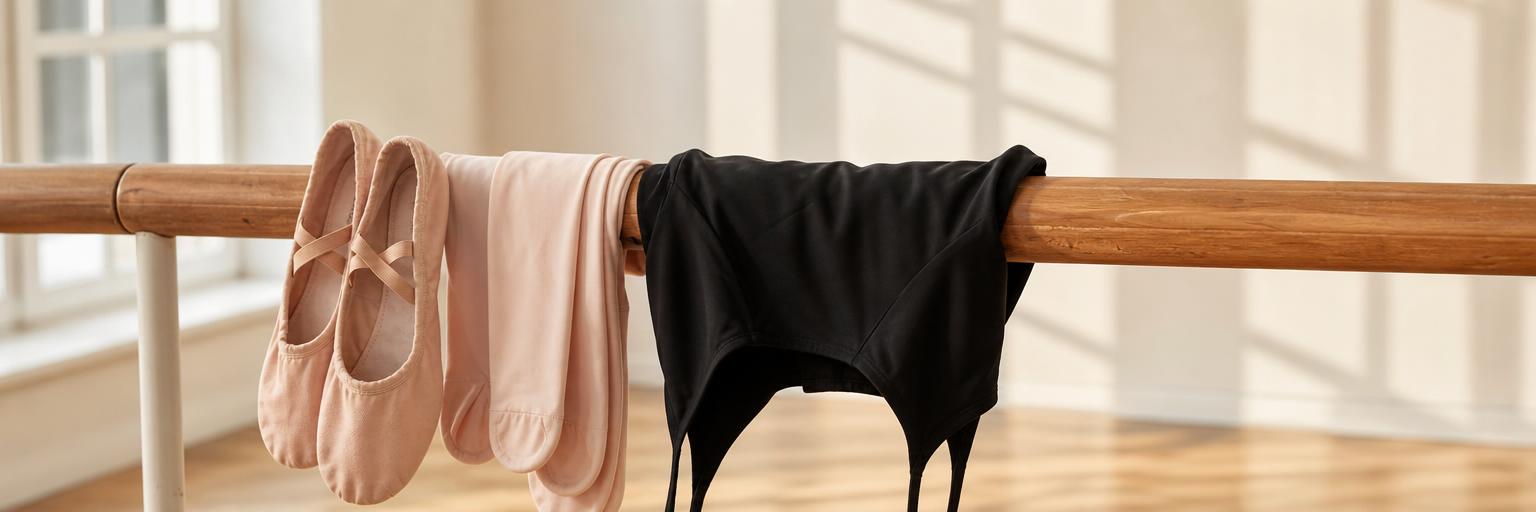
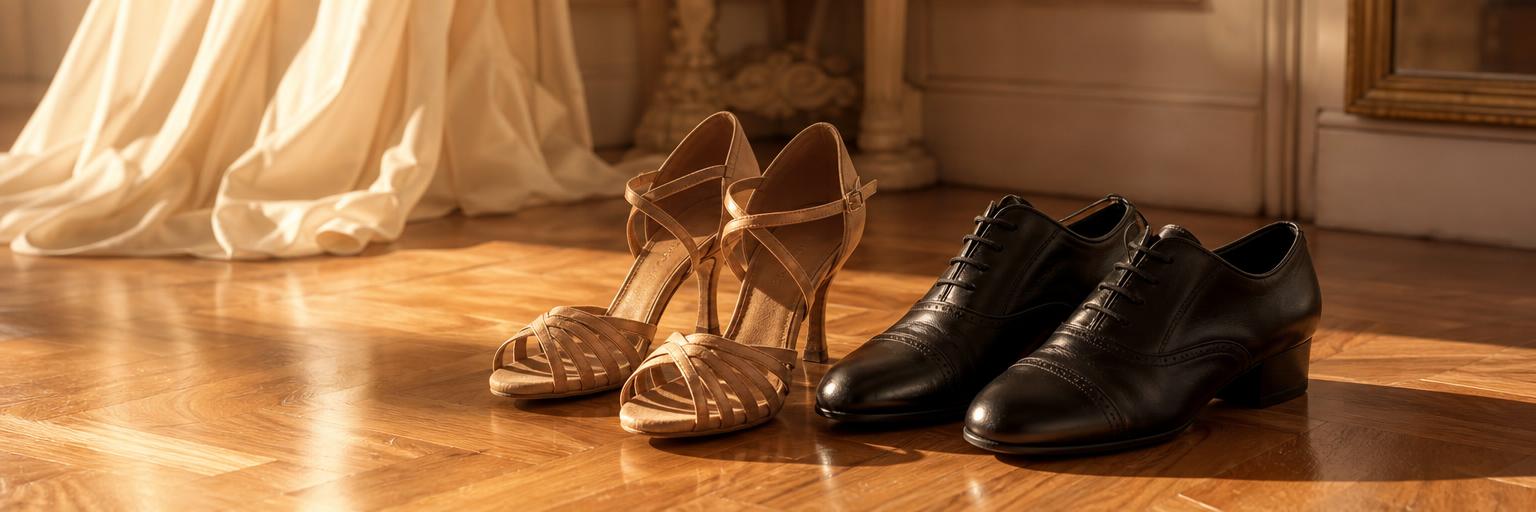
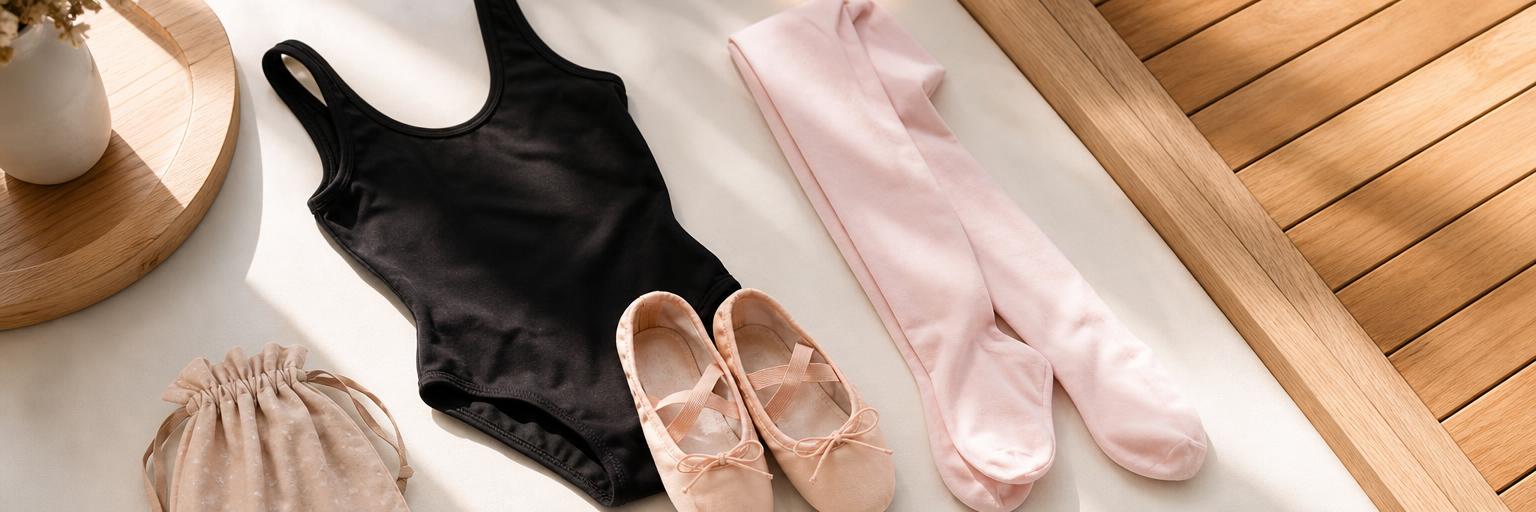
- Identify your style first: cost varies significantly by dance type. Recreational ballet and jazz: $50 to $100 for gear (slippers, leotard, tights); the adult beginner ballet walkthrough covers the specific items for adult ballet class and what the studio almost always allows you to skip until you've taken a few classes. Social ballroom or salsa: $30 to $80 for entry-level dance shoes, minimal clothing cost if you have fitted pants; the ballroom and latin shoes walkthrough names the practice-shoe brands and what counts as a real beginner pair versus a costume-store substitute. Hip-hop or contemporary: often just athletic clothing you likely already own. The gear cost is rarely the biggest expense: studio tuition runs $15 to $25 per class or $80 to $150 per month for a regular class.
- Start on the studio's intro offer and pay per class until you know your real cadence, because the drop-in versus monthly choice is the biggest lever on what dancing actually costs you. Most adult studios run a beginner deal, a free first class, a discounted intro week, or a few-class starter pack, and that is the right way to test a style before committing a dollar to a package. Once you know whether you are truly a once-a-week or a twice-a-week dancer, do the plain math, because a $20 drop-in twice a week runs about $160 a month and an unlimited plan around $120 beats it, while a dancer who realistically makes one class some weeks saves more paying drop-in than buying a membership that sits unused. Pick the structure that matches the cadence you actually keep, not the one you hope to.
- Where you take class sets the price more than anything else you choose, so know the cheaper doors before you assume the studio rate is the only rate. A private adult studio is the premium tier, the $15 to $25 a class or $80 to $150 a month most people picture. A community college continuing-education program, a parks and recreation department, or a YMCA often runs the same beginner ballet, jazz, or tap for a fraction of that, frequently billed once as an eight to ten week session in the low hundreds rather than per class, and their dress codes tend to run looser too. The trade is fewer style and level choices, plainer facilities, and a calendar that runs in terms rather than year round, but for finding out whether you will actually stick with it, that is the cheapest honest way in. Ask a studio you love whether it has an adult scholarship or a work-trade at the front desk too, because plenty quietly do and almost none advertise it.
- Don't buy gear before the first class for most styles. Adult recreational dance often has flexible dress codes. Email or call the studio and ask what the first class requires. Many will say: wear what you have and bring comfortable shoes. Buy the required gear after you confirm the actual requirement from your teacher, not from a general guide.
- Plan for shoes as the first real purchase. Shoes are the one item you can't skip or substitute long-term. Budget: ballet slippers ($25 to $40), jazz shoes ($40 to $65), character shoes ($45 to $65 for women), tap shoes ($45 to $70), social dance shoes ($35 to $80). You only need the shoe for your specific style.
- Tights and a leotard are required in ballet and some contemporary classes, optional in others. A basic leotard runs $25 to $45. Tights run $12 to $20 for a quality pair. If the studio requires them, these are add-ons to the shoe cost, not replacements. If the studio allows workout clothing, skip the leotard until you know you'll continue.
- Expect to replace shoes once or twice in the first year if you're taking class weekly. Beginner students are hard on beginner shoes: canvas ballet slippers develop holes, jazz shoe suede soles wear thin. Budget roughly one replacement in the first 6 to 12 months if you're dancing once or twice a week. Before you order a fresh pair, run the wear signs through our replace-or-not check, which reads canvas thinning, suede glaze, and elastic stretch by shoe type and leads with the cheapest honest fix (a $7 suede brush or a $4 elastic restitch) when the pair is borderline rather than gone.
- Competition and performance dance is a separate budget category. If you're starting recreational adult dance (which most adults are), you are not going to competition. Competition costs in adult dance run $500 to $1,500+ per season including costumes, entry fees, and event travel. That's not the starting budget: that's what competitive adult students spend after a year or more of regular training.
- Add it up before you sign anything, because the honest first-year answer is really two very different numbers and most people only brace for the small one. The gear is the small number. For a once-a-week recreational start, figure roughly $90 to $150 all in for the year, a pair of shoes plus a leotard and tights if your style requires them, with maybe one shoe replacement if you dance hard, and that is close to the whole equipment story. Tuition is the number that actually decides whether you can keep this up, and it dwarfs the gear. A single class a week runs somewhere around $900 to $1,500 over a year, whether you pay it as roughly $20 drop-ins or as an $80 to $150 monthly plan. So the real cost of starting is a one-time hundred-ish dollars of gear sitting on top of a recurring four-figure-a-year habit, and the smart move is to make sure that monthly number fits your life before the shoe purchase ever feels like the big decision. Our dance cost planner runs this math month by month: put in your tuition and shoes, leave the kid-season fields like costumes and recital fees at zero, and it shows you what the year actually looks like.
Common mistakes
- Don't assume adult dance gear is cheaper than children's. Shoes are priced the same regardless of who's buying them. A beginner adult tap shoe costs the same as a beginner child tap shoe in the same size. There is no adult-beginner discount.
- Don't buy everything at once before you know you'll continue. A new dancer who buys a full kit (shoes, leotard, tights, bag, warmup) before the third class and then decides the style isn't for them has spent $150 to $300 unnecessarily. Buy the minimum required, confirm you're continuing, then fill in.
- Don't underestimate tuition as the real ongoing cost. Gear is a one-time or annual expense. Tuition is monthly. A dance class habit at $100 to $150 per month adds up faster than a $60 pair of shoes. Factor tuition into your budget before buying gear.
- Don't confuse 'what I need to start' with 'what I'll eventually want to have.' Experienced adult dancers own multiple pairs of shoes, dedicated class bags, warmups, and studio-specific accessories. That's what three years of regular classes looks like, not what the first class requires.
Keep reading