Quick answer
What does an adult beginner need for their first ballet class
When you signed up for adult beginner ballet at the city studio starting Monday at 6:30pm, you have never put on a pair of ballet slippers in your life, and the studio's dress code line was 'fitted, simple, no jewelry.'
Quick read
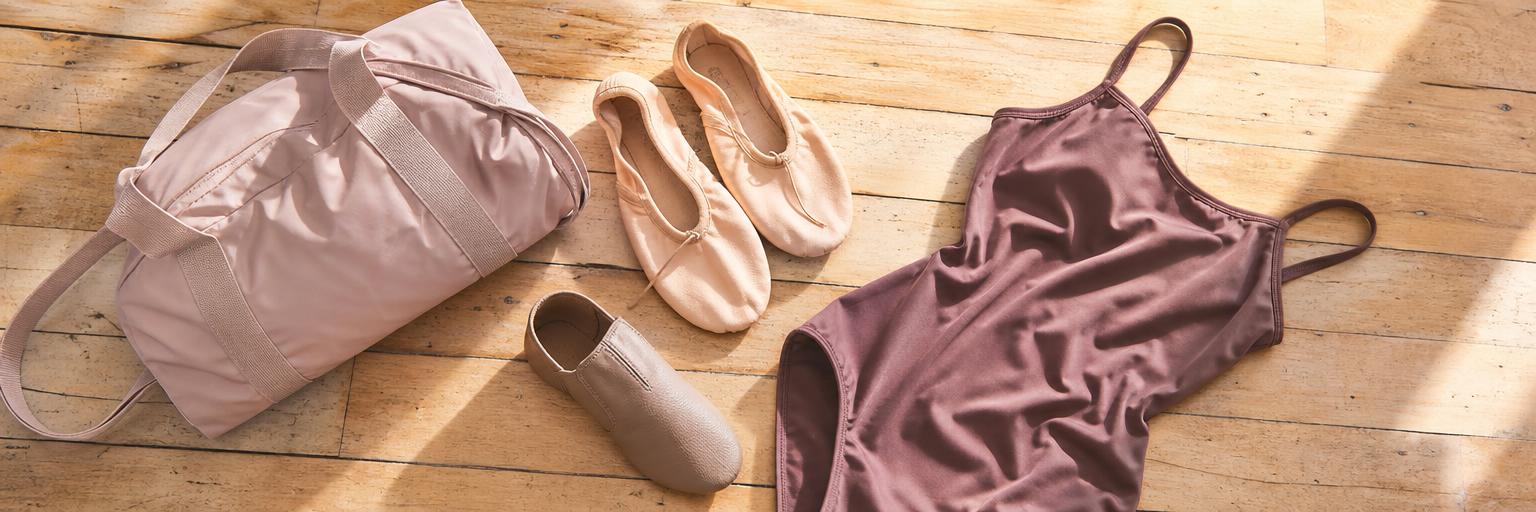
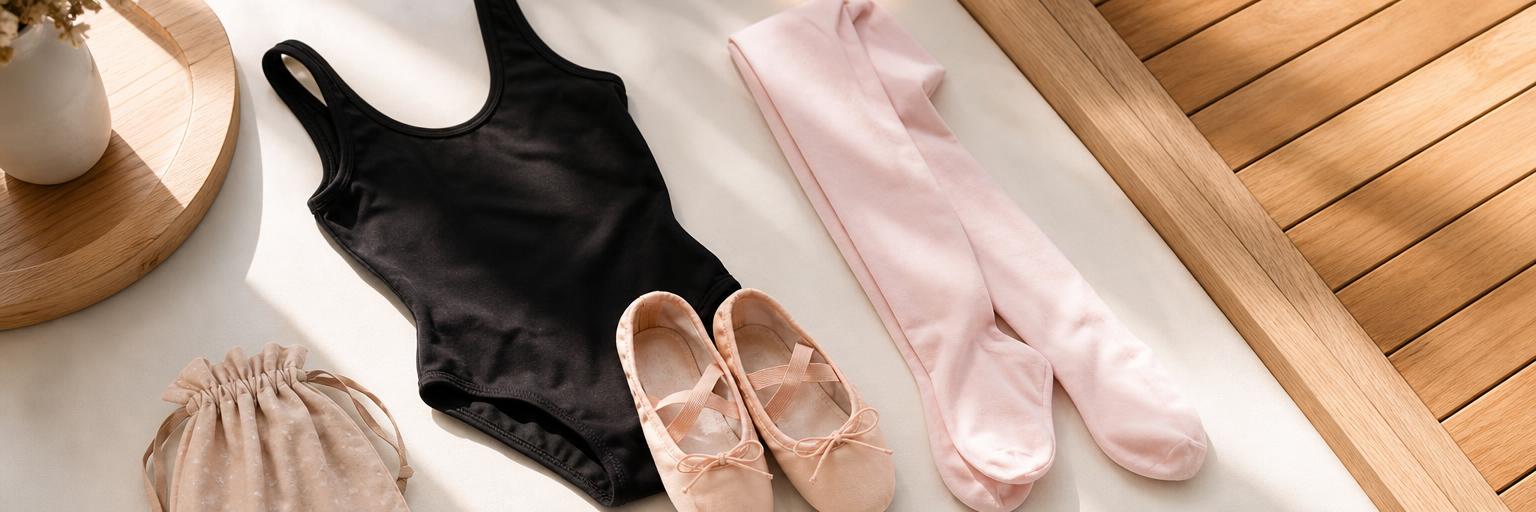
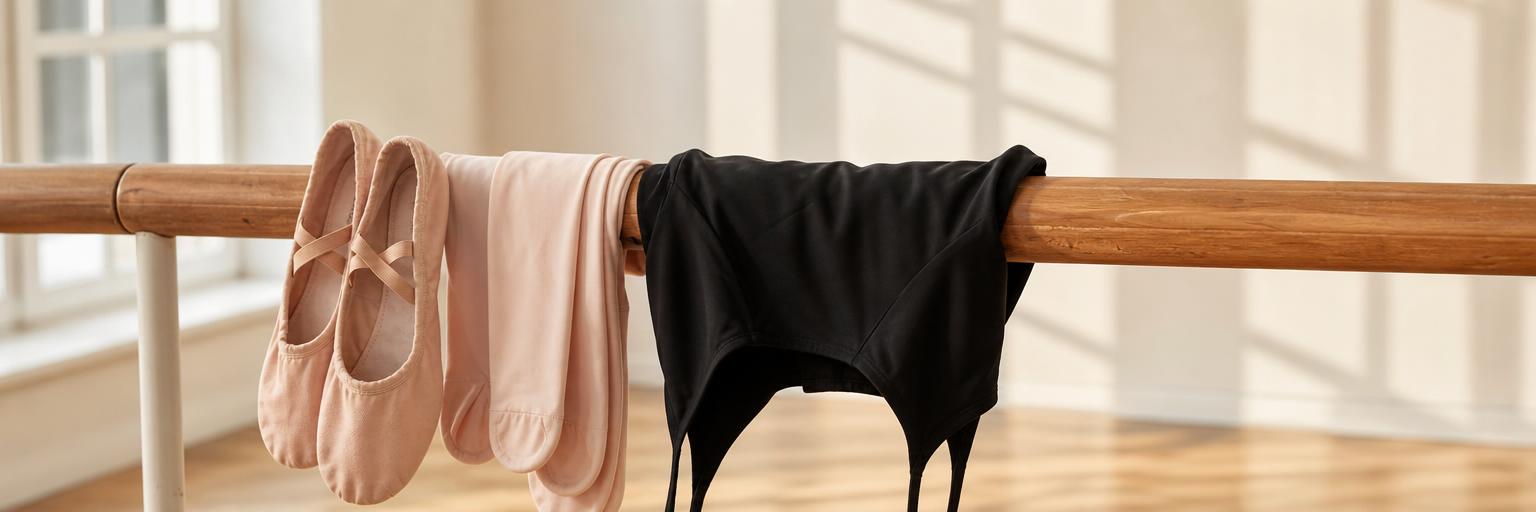
Check the studio's dress code first, because adult classes vary a lot: some want the traditional solid-color leotard, pink or black tights, and hair in a bun, but plenty of adult and open classes accept any fitted workout clothing, so a quick email saves you from buying a $40 leotard the teacher allows but does not actually require. Whatever the code, the goal is fitted, so the teacher can see your line, plus full-sole canvas ballet slippers (not satin, not split-sole, for a first pair). If a leotard is required, any solid color works; if not, a fitted top with leggings or tights is fine, and men wear a fitted tee, tights or fitted leggings, black canvas slippers, and a dance belt rather than a leotard. Skip pointe shoes entirely, adult beginners never use them, and a studio pushing pointe on a first-year adult is a red flag. Size the slippers 1 to 2 sizes smaller than your street shoes, using the brand's own chart rather than your usual size.
Gear for this situation
What to do
- Check the studio's adult class dress code before buying anything. Adult recreational ballet classes vary significantly in their requirements. Some studios are strict (solid-color leotard, pink tights, no logos, hair in a bun). Others allow any fitted workout clothing. Most fall somewhere between. An email or phone call to the studio saves you from buying a $40 leotard that the teacher will allow but isn't actually required.
- Make sure you actually signed up for ballet, not a fitness barre class, because the two need completely different gear. A studio ballet class teaches real technique at the barre and in center, with the leotard, tights, and canvas slippers described below. A fitness barre class (Pure Barre, barre3, and most gym 'barre' classes) borrows the ballet barre for a low-impact workout and is not ballet at all. Those classes almost always want grippy no-slip socks and regular athletic wear, with no slippers, no tights, and no leotard. If your class is listed as barre, sculpt, or fitness, ask the front desk one question before buying anything, because a $60 ballet kit does nothing for you in a Pure Barre studio and ballet slippers are the wrong shoe on that floor.
- If a dress code applies: buy a fitted leotard in a solid color (black is universally acceptable if no color is specified), ballet pink or black tights (check whether the studio specifies), and full-sole canvas ballet slippers. These three items cover most adult beginner requirements. Total cost: $50 to $90. The how much does it cost to start dancing as an adult breakdown puts that starter kit inside the bigger monthly tuition + drop-in math, so the gear line is not the only number you are budgeting on.
- Buy ballet slippers sized 1 to 2 sizes smaller than your street shoes. This is the most common sizing mistake adult beginners make. Ballet slippers are meant to fit like a second skin: toes should reach the end of the shoe (without jamming), and there should be minimal wrinkle in the canvas. A slipper that feels too tight at the store will often feel right after 20 minutes of class. Use the brand's specific size chart. Capezio Daisy, Bloch Dansoft, and So Danca Bullet BA45 all size slightly differently. Our shoe fit finder does that conversion for you: pick ballet slipper, set the adult sizing, give it your street size, and it hands back the brand-correct starting size for Capezio, Bloch, and So Danca, which beats squinting at three different charts in three browser tabs. When the slippers arrive, the shoe fit check walks the snug test (toe room, heel-on-relevé, hard-floor not carpet) so you can decide whether to keep the pair or exchange while the tags are still on.
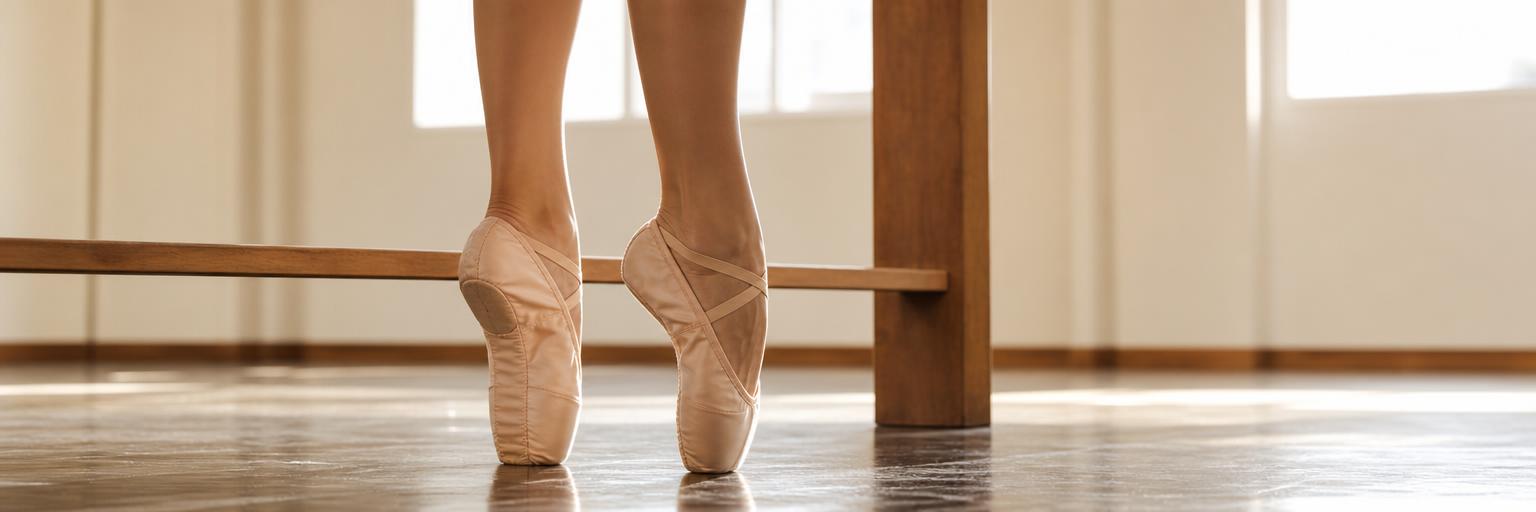
- Skip the pointe shoes. Adult beginner classes do not use pointe shoes. Pointe work requires years of technique development and a teacher-gated physical assessment. No reputable adult beginner class will put you on pointe in the first year (or first several years). If a studio is suggesting pointe shoes to an adult beginner, that's a red flag.
- Sort out what goes under the leotard, because this is the adult worry nobody says out loud. A ballet leotard is cut for a bare back and thin straps, so a regular bra shows and fights it. If you want support, the clean options are a leotard with a built-in shelf bra, a nude seamless bra, or a clear-strap convertible bra that tucks under the leotard's straps, not a sports bra whose racerback and thick bands show everywhere. If you wear anything under the tights, a seamless thong or nude seamless briefs keep the line invisible, though plenty of dancers wear tights with nothing underneath and that is normal too. Men do not wear a leotard. The standard kit is a fitted t-shirt or tank, black tights or fitted athletic leggings, black canvas slippers, and a dance belt, the supportive undergarment that makes tights wearable and the one piece a man should not skip. None of this is on display in a beginner class, but sorting it out at home is the difference between walking in comfortable and spending the hour tugging at something.
- Tie or pin your hair back completely. Ballet teachers, even in recreational adult classes, care about being able to see the line of the neck and spine. Hair that falls forward obscures your form and makes it harder for the teacher to give useful corrections. A low bun or tight ponytail works for a first class. The studio can tell you their specific preference after.
- Tell the teacher it's your first class, and arrive ten minutes early to do it. This one sentence does more for the hour than any piece of gear. The teacher will point you to a spot at the barre (stand behind someone experienced, never at the front, so you have a back to follow), tell you which side faces the barre first, and aim a few corrections your way instead of assuming you already know the vocabulary. Adult beginners skip this because saying 'I have no idea what I'm doing' feels exposing, but every teacher who runs an adult class is glad to hear it, and the alternative is guessing through an hour of French terms while feeling like the only person who doesn't belong. You are not. Adult open classes are full of returning dancers and first-timers. For the steps, mark rather than muscle through: follow the dancer in front of you, keep the footwork small and correct rather than big and wrong, and let the combinations sink in over a few weeks. Nobody learns a barre in one class, and nobody is watching you the way you think they are.
- Wear your ballet slippers inside only. Canvas ballet slippers have a thin split or full suede sole designed for studio floors. Wearing them outside destroys the sole in one session and leaves grit that damages hardwood floors. Put them on at the studio, take them off when you leave.
Common mistakes
- Don't size ballet slippers like street shoes. The single most common adult ballet beginner mistake is buying slippers in your regular shoe size. They will be too big, wrinkle across the foot, and slip during footwork. Size 1 to 2 smaller and use the brand's chart.
- Don't buy stretch satin ballet slippers as a beginner. Canvas is more forgiving on adult feet and holds up better through a weekly class. Satin is for performance. It's less durable for regular class use and harder to care for. Canvas full-sole is the correct beginner choice.
- Don't buy everything the ballet section of a dancewear store offers before the first class. Some adult beginners arrive heavily equipped (leg warmers, wrap skirts, ankle socks over tights) and then realize the studio requires plain leotard and tights only. Buy the minimum required, confirm with the teacher after the first class, then add if needed.
- Don't skip class because your clothing doesn't match the photos on the studio's website. The goal of the first few classes is to learn basic positions, barre exercises, and how to move in the room. No teacher is evaluating your outfit in an adult recreational class. Show up in what you have, wear fitted clothing, and get the slippers.