Quick answer
What shoes do I need for ballroom or Latin dance class
When your first beginner cha-cha class is Saturday at 11am, the instructor's note said 'leather or suede sole, no rubber,' and you have a pair of work pumps with a 2-inch heel you cannot tell will work.
Quick read
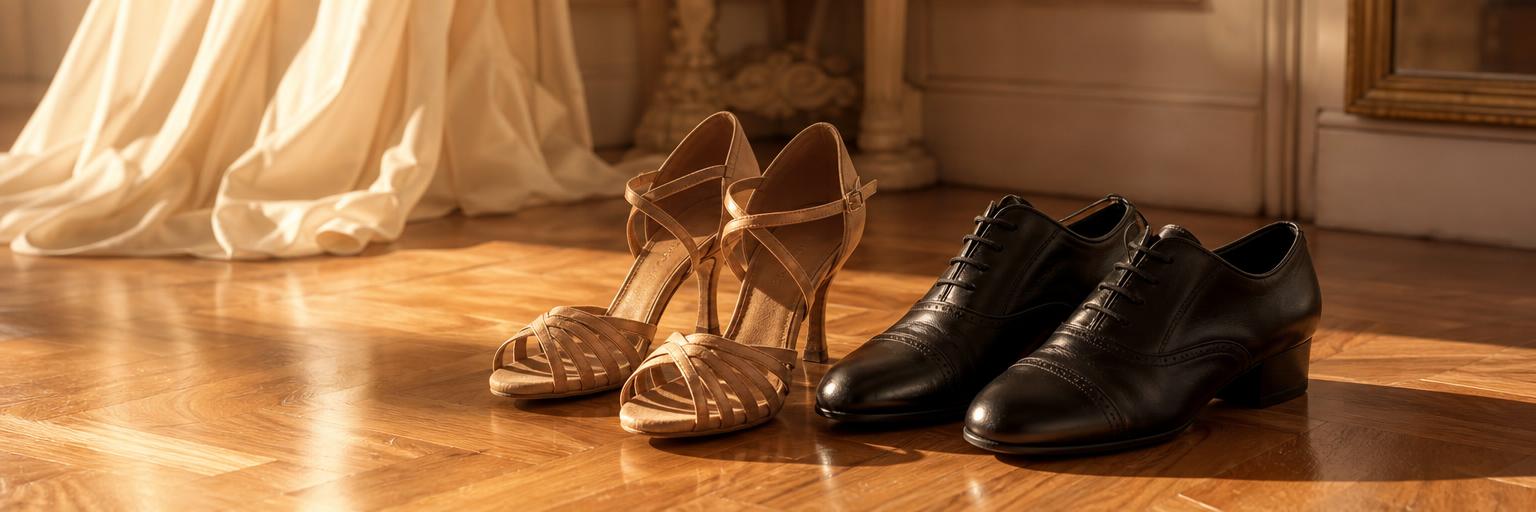
You need shoes with a suede or leather sole, not rubber. Rubber soles grip the floor and make turns painful on a hardwood or sprung dance floor. For women: a 1.5-inch closed heel is the standard starting point for most ballroom and Latin styles. For men: a lace-up oxford with a leather or suede sole. Don't start with 2.5-inch+ heels. Technique breaks down when the heel is too high for your current level.
Gear for this situation
What to do
- Identify the style you're taking before buying, but do not let the heel conventions push you into too much heel on day one. Ballroom (standard or smooth: waltz, foxtrot, tango, quickstep) and Latin (cha cha, salsa, rumba, samba, paso doble) differ mainly in the sole flexibility and the eventual heel: standard and smooth shoes sit on a lower heel (1 to 1.5 inch for women, flat for men), and a Latin shoe has a more flexible sole and, on an experienced dancer, a taller 2 to 2.5 inch heel for women, 1 inch for men. That 2 to 2.5 inch figure is where Latin heels land once your ankles and technique have caught up, not what a beginner buys first. Whichever style you are taking, start a woman at a 1.5 inch heel or lower, because heel height is the one spec where starting too high is how a first-timer turns an ankle, and you move up as you progress.
- Buy shoes with a suede or leather sole, not rubber. Rubber grips the floor and makes turns and pivots painful and technically wrong. Suede soles slide enough to allow pivots and weight transfers while still giving control. This is the single most important feature of a dance shoe: the sole material. A regular dress shoe with a smooth leather sole is better than a rubber-soled 'dance sneaker' for most social dance floors.
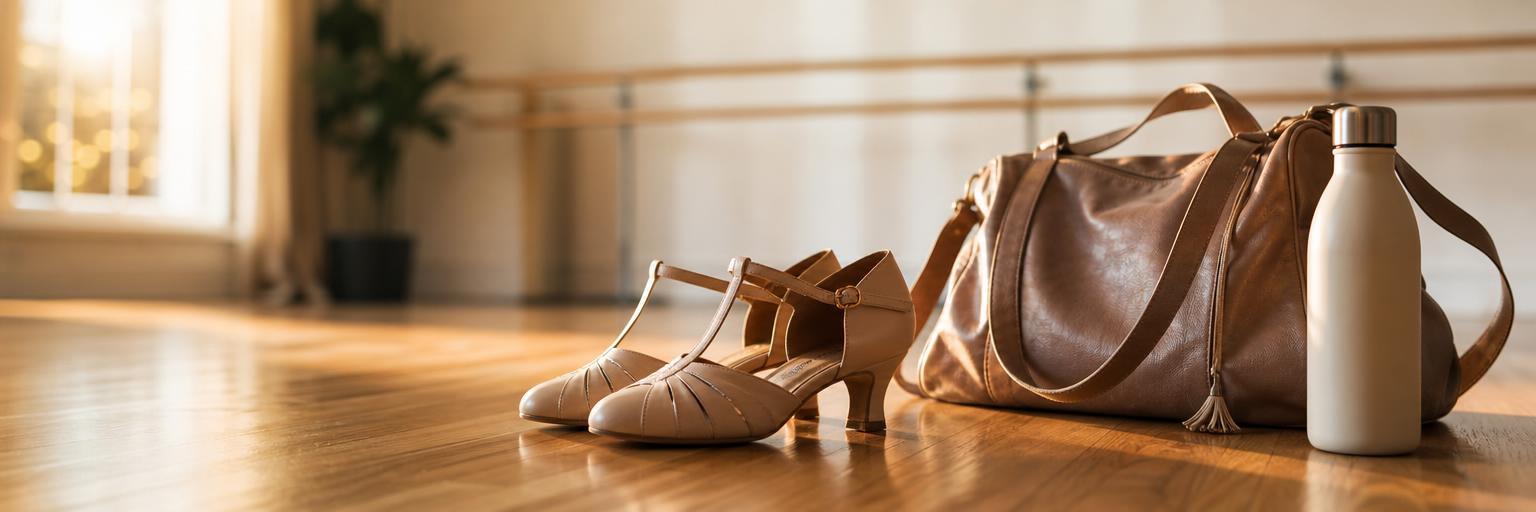
- For women starting out: a 1.5-inch closed heel with a T-strap or ankle strap. The strap keeps the shoe secure during pivots. Open-toe works but closed-toe is safer for beginner footwork where toes get stepped on. Avoid starting at 2.5 inches or higher. Technique breaks down at heel heights above your current ability level, and the risk of ankle injury increases.
- For men starting out: a lace-up oxford with a leather or suede sole. Ballroom oxfords have a slightly narrow last and a leather sole with moderate flexibility. Cuban heel (0.75 to 1 inch) is standard for Latin; flat leather sole works for standard ballroom. Avoid thick crepe or rubber soles.
- Choose the heel by the role you dance and your own comfort, not by the women-in-heels, men-in-flats convention the two picks above describe. That split is the common default, not a rule. If you are learning to follow and want the most stability while your balance is still new, or you have any ankle or foot concern, a flat or very low practice shoe is a completely legitimate first ballroom or Latin shoe, and plenty of social dancers wear one for years. Look for a flat ballroom or practice shoe with a suede sole, which gives the same floor connection as any heeled pair without the height. If you are leading, the low broad Cuban heel is about control on a pivot, so it suits anyone who wants it. The sole is the part that never changes, suede or smooth leather over rubber, whichever heel you pick. Treat the height as a preference you can revisit as you improve, and do not let the convention push you onto a heel you are not ready to balance on for a full class.
- Buy from a dance specialty retailer or brand website, not a general marketplace. Dance shoes require specific construction that mass-market shoes don't reliably have. The major brands for entry-level social dance shoes are Very Fine (affordable, wide sizing options), Capezio (good for women's ballroom), Bloch (reliable sizing), and Burju (Cuban and salsa-specific). For men: Capezio, Very Fine, and International Dance Shoes are the main options.
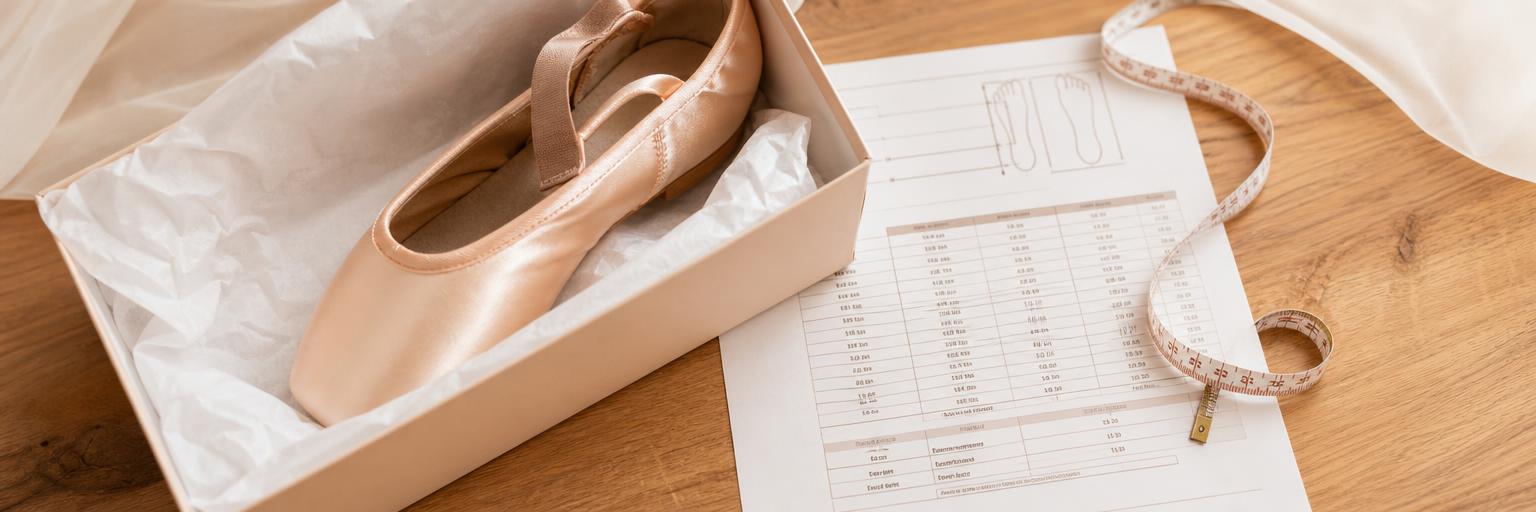
- Order them snug, because ballroom and Latin shoes are built to fit much closer to the foot than any street shoe, and a loose pair slides forward and turns wrong the moment you pivot. As a starting point women usually drop about a half to a full size from street size, men sit closer to street or a half down, and a correctly fitted shoe puts your toes right at the front edge with the heel held and no slack anywhere. On an open-toe Latin sandal, toes reaching the very edge of the sole or a hair past it is the intended fit, not a shoe that ran small. The catch is that Very Fine, Capezio, and International Dance Shoes each cut their own way, so a 7 in one brand is not a 7 in another. Pull up the specific shoe's size chart, measure your foot in centimeters against it instead of guessing from a street size, and read the product-page note for that exact model before you order. Our dance shoe sizing across styles reference lays the major brands side by side with their published charts so you can do that comparison in one place instead of three browser tabs.
- Get the return policy before removing the tags. Dance shoes need to be tested on a hard floor to confirm fit. Carpets compress the sole and mask how the shoe will actually feel during use. Most reputable dance retailers allow returns on unworn shoes (tags attached). Confirm this before buying online. The full how do I know if my dance shoes fit correctly walkthrough covers the hard-floor protocol (toe room, heel-on-relevé, the snug test) so you can make the keep-or-exchange call within the return window.
- Once they fit, protect the suede sole or you lose the very feature you paid for. Suede soles are for clean indoor dance floors only. Walk across a parking lot, a gritty lobby, or a damp sidewalk in them and you grind the nap flat and pick up grit, and a slick, dirty sole slides and turns wrong. Carry them in a small shoe bag and change at the edge of the floor, street shoes off and dance shoes on. When the sole eventually packs down and starts feeling slippery, a wire suede brush (a few dollars from any dance retailer) lifts the nap back up in a few strokes brushed against the grain. That little brush is why a veteran's old shoes still grip, and it means yours will not need replacing on sole wear for a long time. Our dance floors and shoe care guide walks the brush, the heel protectors, and the sole-conversion kits that keep an indoor pair alive for years and flags when the slippery problem is actually the floor, not the shoe.
Common mistakes
- Don't start with a high heel. A 2.5-inch or 3-inch Latin heel looks right in videos and on experienced dancers, but it's a technique tool, not a beginner shoe. The heel height amplifies every weight shift: good for trained dancers, unstable for beginners learning to balance. Start at 1.5 inches and earn the height.
- Don't buy from a general marketplace as a first purchase in this category. Dance shoe sizing runs different from street shoes and varies by brand. The cheapest listings on a general marketplace are often imported shoes with inconsistent sizing, no suede sole, and no exchange policy. Your first dance shoe purchase should come from a dance specialty retailer with a return or exchange policy.
- Don't confuse ballroom shoes with character shoes. Character shoes (for recital and musical theatre) and ballroom dance shoes are both heeled, but they're built differently. Character shoes have a stiffer sole optimized for stage performance. Ballroom shoes have a flexible sole optimized for floor connection and weight transfer. They are not interchangeable.
- Don't skip the break-in period. New dance shoes need 2 to 4 sessions before the sole wears in and the shoe moves naturally with your foot. A shoe that feels stiff in the first class is normal. Don't return it on that basis alone. If it still feels wrong after 3 to 4 sessions, then consider exchanging.
Keep reading