Quick answer
How do I order dance shoes online for the first time
When the studio told you to order 'Bloch ballet slippers, mid-child,' you have her foot measured at 19 cm, and the Bloch website shows three different sizing charts you cannot tell apart.
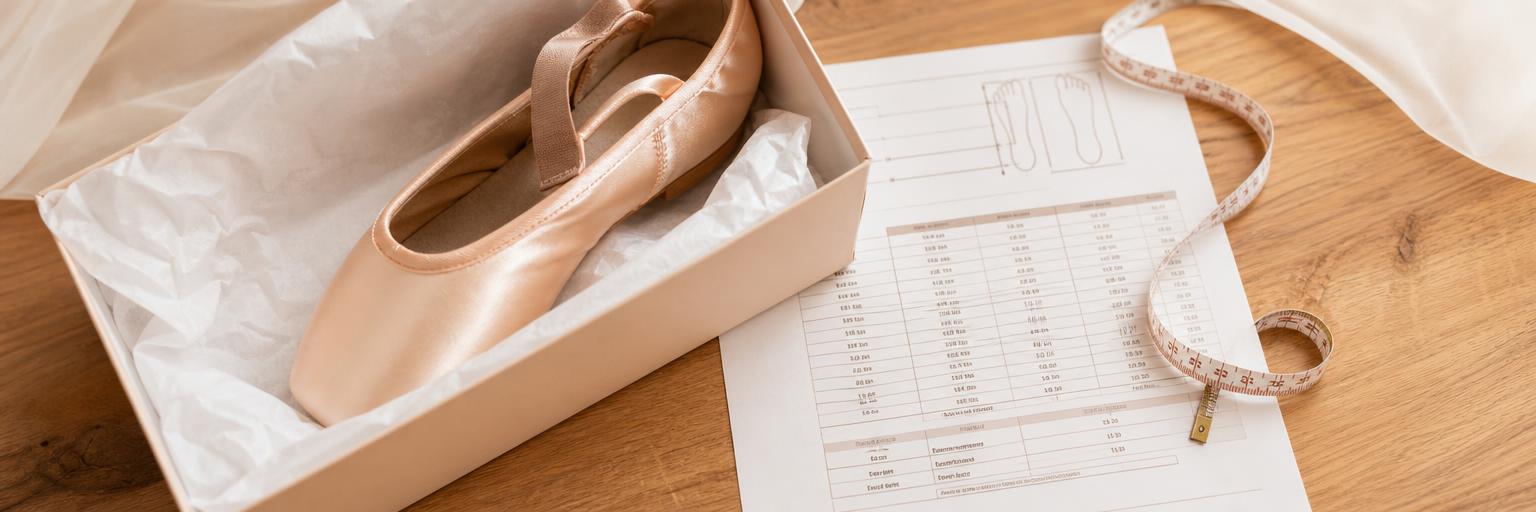
Quick read
Measure the foot first (write it down), then use the brand's own size chart for the specific product, not your child's street shoe size, not a generic chart. Order from the brand's website or a dance-specific retailer (Discount Dance, DancewearCorner) where exchange policies are standard. Test fit on a hard floor, not carpet. If the size is wrong, start the exchange within 24 to 48 hours so the replacement size is still in stock.
Gear for this situation
What to do
- Measure the foot before visiting any website. Use a ruler on a hard floor. Have your child stand, heel to a wall, and measure in centimeters or inches to the tip of the longest toe. Write the number down. 'She wears a size 2' is not a measurement. It's a guess that may be months out of date, and dance shoes don't follow street shoe sizing for any style.
- Order earlier than feels necessary, because the whole exchange safety net only works if there is time to use it. Plan for the first pair to be the wrong size, since for a first online order that is close to a coin flip, and building in a trip back through the mail takes a week or two each way once you add shipping both directions and the retailer processing the swap. Order three to four weeks before she actually needs the shoes in class, and give yourself longer when a recital or a competition has a hard date, because the worst version of this is the right size selling out while you wait, leaving you to grab a rushed pair in the wrong fit the night before. If you are already inside that window and cutting it close, call the dance retailer directly and ask about expedited exchange shipping rather than ordering blind and hoping the first guess lands; the last-minute tights and shoes playbook walks the borrow-versus-rush-buy paths when the calendar has already run out.
- Find the brand's size chart for the specific product you're ordering. Dance shoe brands publish size charts that map foot length to shoe size. These are not the same across brands or even across models within the same brand. Go to the brand's website (Capezio, Bloch, So Danca) and find the chart for the specific product. Ignore a general brand-wide chart if there's a product-specific one on the product page. Or shortcut the whole step with our shoe fit finder, which takes the measurement from step 1 and your dancer's street size and returns the brand-correct starting size for Capezio, Bloch, and So Danca across ballet, jazz, tap, and character in under a minute, with each brand's chart linked for the final confirm.
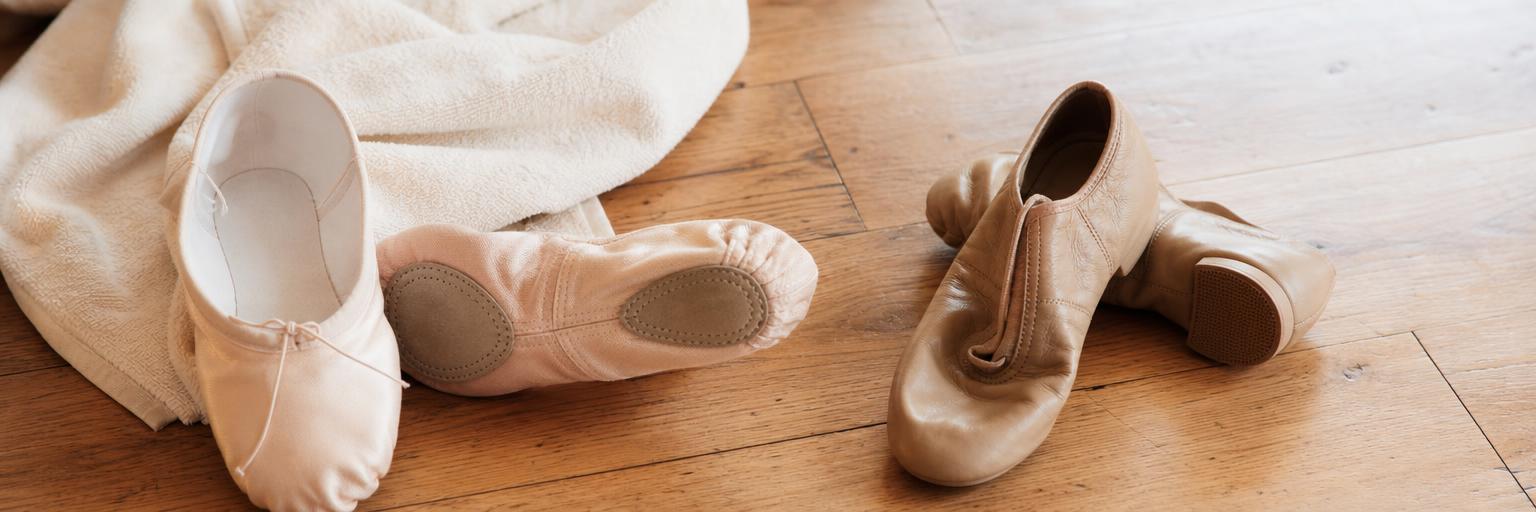
- Before you check out, confirm the exact version of the shoe, not just the style, because most dance shoes come with checkout choices a first-timer doesn't know to make. A ballet slipper alone makes you pick full sole or split sole, leather or canvas, and a color (most studios want pink, though some want black or skin tone), and many ship with the elastic or drawstring unsewn. A jazz shoe comes slip-on or lace-up. And most product pages ask for a width too, narrow, medium, or wide: medium is the right default for a first order unless her street shoes already run wide or the brand's own chart points you narrow, because dance lasts tend to run wider than street shoes. The studio almost always specifies the rest, so the size can be perfect and the shoe still wrong for class if you guess split sole when she needs full, or canvas when the studio said leather. If the dress code does not spell it out, message the teacher before ordering and ask which sole, which material, and which color.
- Order from the brand's website or a dance-specific retailer. Capezio direct, Bloch direct, Discount Dance, and DancewearCorner all carry authentic shoes, list exchange policies, and provide product-specific sizing notes. Amazon Marketplace and eBay can carry the same brand names, but marketplace sellers may use different manufacturing runs, and their return and exchange policies are set by the seller, not the brand. For a first-time fit, order from a source where you know the exchange process.
- Confirm the retailer has an exchange policy (not just returns) before finalizing. For a first-time fit in any dance shoe style, you need to exchange for a different size if the first pair doesn't fit, not return for a refund and reorder at current price. Exchange policies let you swap sizes without paying again. Read the retailer's exchange policy before placing the order. Don't order from a final-sale or heavily discounted listing unless you're confident about the size.
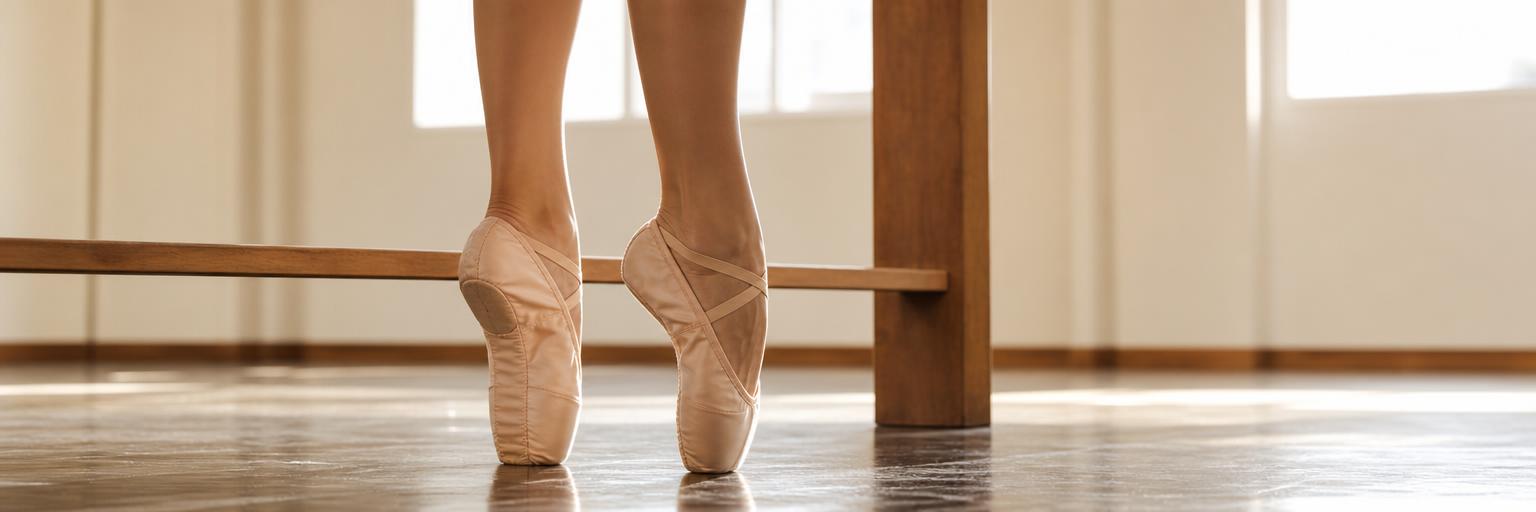
- When the shoes arrive: test the fit on a hard floor, not carpet. Dance shoes are designed for smooth studio surfaces. Testing on carpet compresses the sole and makes a too-large shoe feel like it fits. Have the dancer stand on a hard floor, do a relevé (rising onto the ball of the foot), and walk across the room. The heel should not slip on relevé. Toes should be near the front with about a fingernail width of space, not a thumb width, not crammed against the toe box. The full fit-check protocol with the four telltale signs and the borderline cases is in how do I know if my dance shoes fit correctly.
- If the size is wrong, start the exchange within 24 to 48 hours. Most dance retailers give 30 days to exchange, but sizes sell out. The day you get the shoes and realize they're wrong is the day to start the exchange request, not a week later. Keep the tags on and don't wear the shoes outdoors until you've confirmed the fit, because worn-outdoors shoes are typically non-returnable.
- Once the fit is confirmed and you're keeping them, expect to finish the shoe yourself, because most ballet slippers and many other dance shoes ship unfinished and a first-timer mistakes that for a defect. Ballet slippers almost always arrive with the elastics loose in the bag rather than attached, and a long drawstring left untied. The elastics get hand-sewn across the arch where they actually hold her foot, a five-minute job, and the studio front desk will usually show you the first time if you ask. The drawstring gets snugged to fit, tied in a small bow, and tucked in, never cut, since cutting it kills the slipper's adjustability for the next growth spurt. Tap shoes can arrive with the taps slightly loose, so check and snug the screws before the first class. None of this means the shoe is wrong, it means it is normal, and it is the step nobody warns you about when you order online instead of buying in a store. Once the elastics are on and the taps are snug, the last step before class is the break-in: how do I break in new dance shoes gives the by-style timeline (canvas 1 to 3 classes, leather 3 to 7) and the at-home wear that keeps the dancer focused on the teacher instead of her feet on day one.
Common mistakes
- Don't use street shoe size as the starting point. Dance shoes are sized differently by style: ballet slippers run 1 to 2 full sizes smaller, jazz shoes run about half a size smaller, character shoes run close to street size but vary by brand. The only reliable input is a foot measurement matched to the product's size chart.
- Don't order from a marketplace listing for a first-time fit. Amazon Marketplace, eBay, and third-party sellers on brand websites sometimes have different inventory, different lasts, or inconsistent sizing compared to the same product ordered direct. For a first-time fit where you need an exchange guarantee, order from the brand directly or from Discount Dance or DancewearCorner.
- Don't remove tags or wear the shoes outside before confirming the fit. The exchange policy at almost every dance retailer requires shoes to be unworn on outdoor surfaces and with tags attached. Keep the original packaging too: exchanges often require the original box. Test on an indoor floor, decide on fit, then wear outside only after you're keeping them.
- Don't buy two sizes to try both. This seems like a shortcut but creates a situation where you're paying return shipping on the size you send back, and many dance retailers only offer exchanges, not refunds on shoes. Order the size the chart says, and if it's wrong, exchange once.