Quick answer
Can I wear regular sneakers to dance class
When you are holding her cleanest pair of Nikes the night before her first hip-hop class, the schedule said 'wear comfortable shoes,' and you would rather not spend $50 on dance sneakers if these will do.
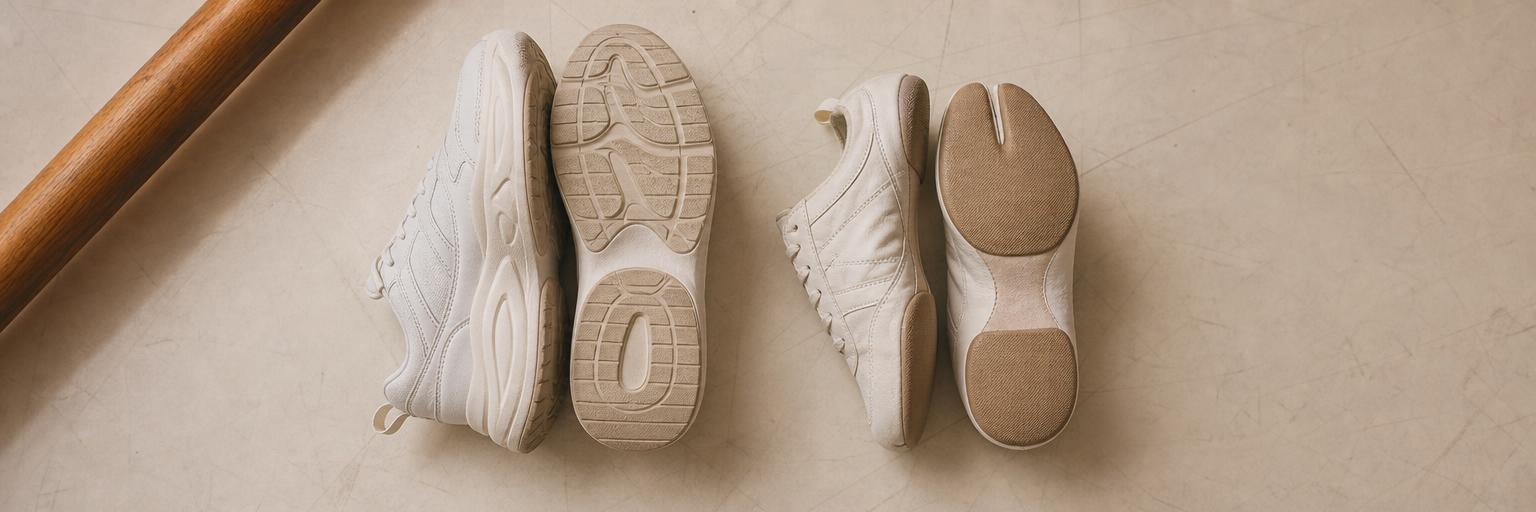
Quick read
Almost always no. A street sole grips the floor too hard to turn or slide safely and tracks in grit that chews up the studio's marley, which is why most studios ban outdoor shoes, marking soles, and anything not built for the technique. For hip-hop, clean indoor sneakers sometimes work if the teacher approves. For every other style, ballet to jazz to tap, the required shoe is named for technical reasons, not tradition, and there isn't a sneaker substitute.
Gear for this situation
What to do
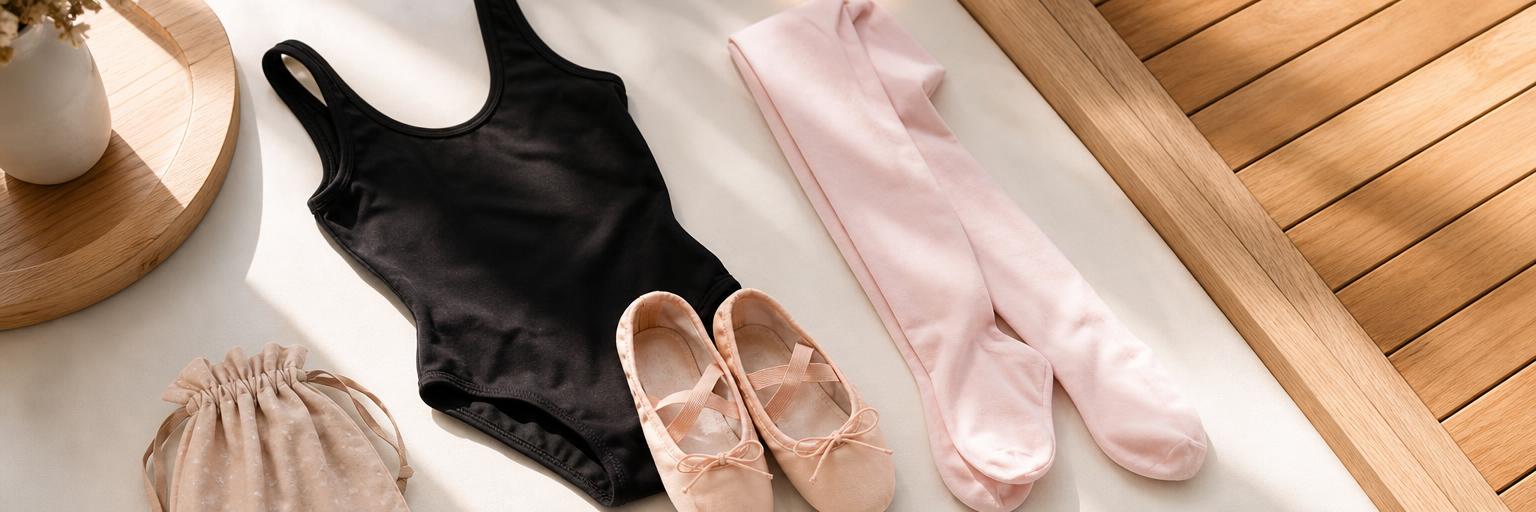
- Ask the teacher what shoes are required before the first class. A quick message to the studio answers this in 24 hours and saves you from an awkward first day or a wasted purchase. Most studios will name the exact shoe type or brand they require. The what shoes does my child need for their first dance class walkthrough decodes the answer by style (ballet, tap, jazz, hip-hop, combo class) so the studio reply lands on a specific product you can buy with confidence.
- Keep street shoes off the studio floor, and know why the teacher is strict about it. Studios invest in hardwood, marley, and sprung floors that cost thousands to maintain. Outdoor soles track in grit, leave black scuff marks, and degrade the surface. The no-outside-shoes rule is about floor protection, and most teachers enforce it strictly.
- For hip-hop class: the requirement is usually 'clean, non-marking indoor sneakers.' A pair of court shoes or athletic shoes used exclusively indoors may qualify. Confirm with the teacher before showing up. If they approve your existing sneakers, keep those shoes strictly for the studio. One trip outside disqualifies them.
- If the teacher allows indoor sneakers for hip-hop, here is how to tell whether a pair actually qualifies, because 'non-marking' trips up more parents than any other word on the dress code. Non-marking is about the sole, not the brand. A gum or light-colored rubber sole almost never marks, while a hard black sole is the kind that leaves the scuffs teachers can't stand. To check a pair you already own, drag the sole hard across a clean tile or hardwood floor at home, and if it leaves a black streak you can't wipe away with your thumb, it will mark the studio floor too. The surest way to pass is to buy a fresh pair, mark them studio-only the day they come out of the box, and never once walk them outside, because a brand-new sole with no grit ground into the grooves is the one sneaker a strict teacher can't argue with.
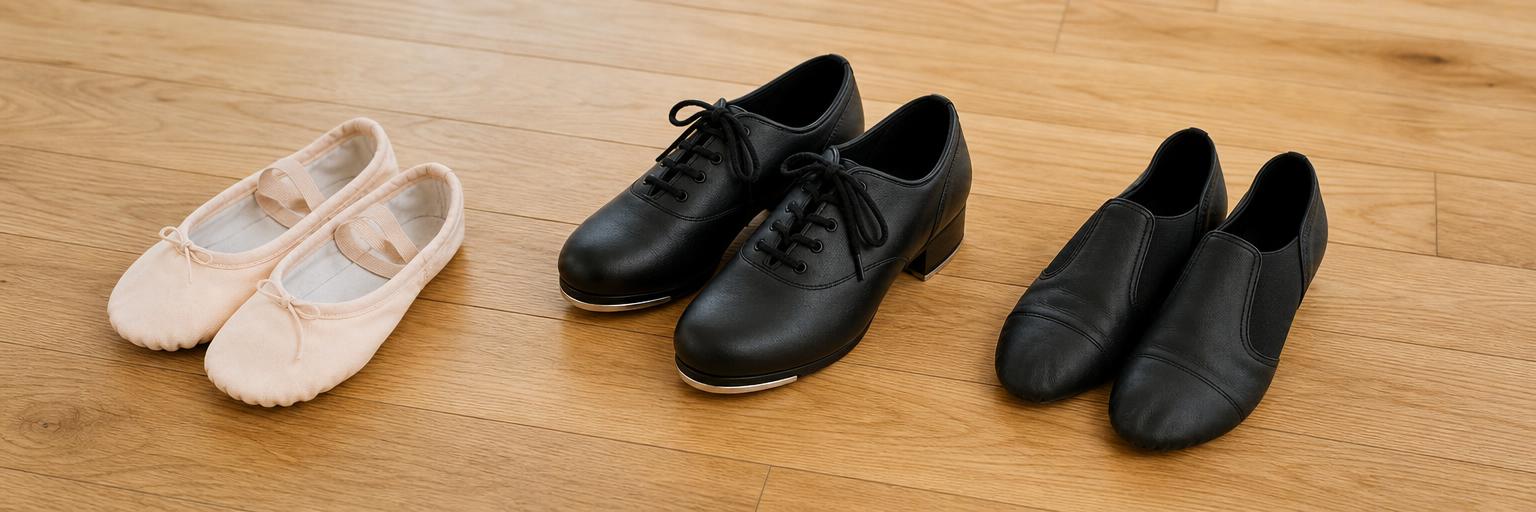
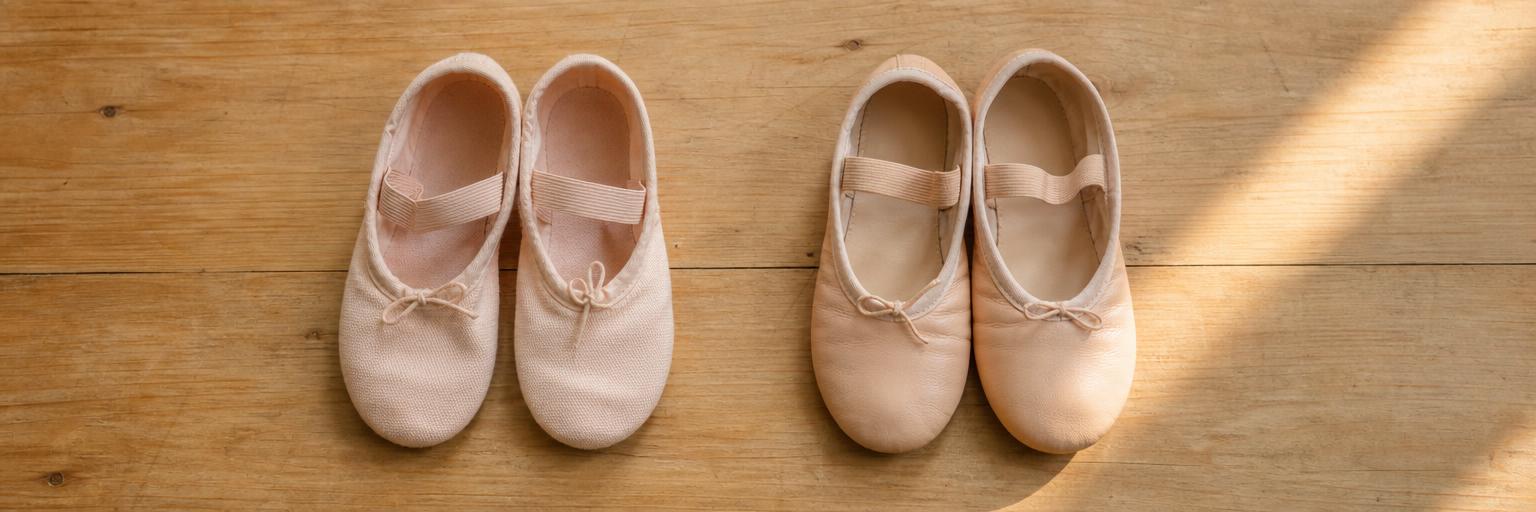
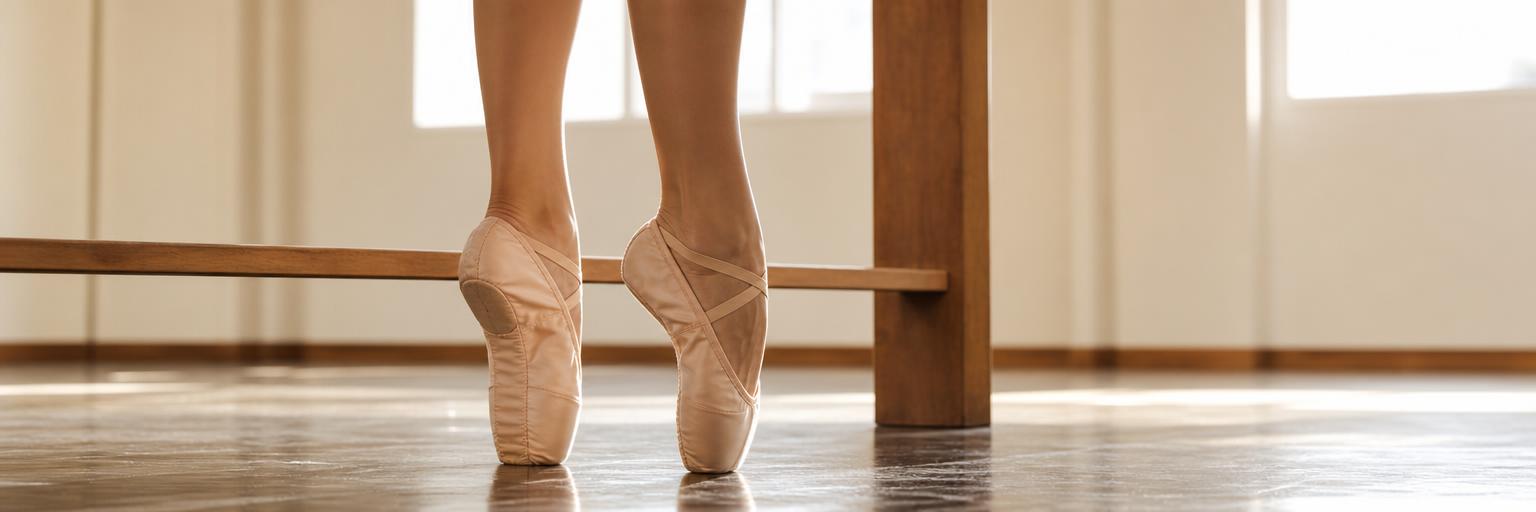
- For jazz, tap, ballet, lyrical, and contemporary: regular sneakers don't substitute. Jazz shoes have a specific heel height and sole flex that supports turns and footwork. Tap shoes have metal plates that are the point of the style. Ballet slippers have a soft, flat sole for floor contact and pointe work. Lyrical and contemporary classes use bare feet or half-soles. None of these can be replicated by a clean Nike.
- The turn risk is the part cost-focused parents underrate, and it is about the dancer, not the floor. A street sneaker is built to grip so the foot does not slide, the exact opposite of what a turning or pivoting foot needs. When the body rotates over a foot the sole won't let release, that twist has to go somewhere, and on a young dancer it goes into the knee or ankle. The named dance shoe lets the foot pivot and spot a turn cleanly, so buying it is a safety call, not only a floor-protection one.
- If your next thought is 'fine, then she'll just go in socks,' stop. Plain socks are usually more dangerous on a studio floor than the wrong shoe, because a cotton sock skates unpredictably on marley or sprung wood, gives the foot no spot or stop, and rolls an ankle the instant she tries to turn or land. Socks are not the free bridge that lets you skip the dance shoe. There are only two times a bare-or-near-bare foot is right, and both are the teacher's call. Lyrical and contemporary classes often want actual bare feet or a half-sole (a small suede pad over the ball of the foot, sold as foot thongs, dance paws, or Capezio FootUndeez) that protects the skin while still letting the foot pivot; the foot undies and half soles guide sorts the fabric versions from the leather lyrical sandals and covers the nude shade options most studios ask for. Some toddler or creative-movement classes allow grippy dance socks with rubber dots on the sole instead. If a class genuinely permits socks, buy the gripper kind made for dance or barre, never gym tube socks, and when in doubt ask, because 'she wore socks' is how a lot of first-class ankle tweaks happen.
- For recitals and performances: the costume sheet names the shoe. No recital costume requires 'any clean sneaker.' The required shoe will be specific, and the right answer comes from the studio, not from what's already in the closet.
- If the budget is tight: buy the cheapest shoe that meets the studio requirement. A $35 beginner jazz shoe does the job a $70 athletic sneaker cannot. The dance shoe gets more done for less money than the wrong shoe at any price. The full budget-tier honest answer is in are cheap dance shoes okay for a beginner, which walks the mass-market floor (Dance Class by Trimfoot, Stelle) and the step up to a fitted specialty pair (Capezio Daisy) at the moment a kid is sticking with it, so you know exactly where the cheap-but-real ceiling actually is.
Common mistakes
- Don't show up in outdoor sneakers and hope the teacher doesn't notice. Most teachers will ask you to observe or sit out until you have the right shoes. It's floor protection, not a preference.
- Don't assume the hip-hop exception applies to other styles. If the teacher approves non-marking indoor sneakers for hip-hop, that's for hip-hop only. Jazz, tap, and ballet classes in the same studio still require their specific shoes.
- Don't re-use outdoor sneakers as indoor dance shoes. Once a sneaker has been worn outside, the sole has outdoor grit embedded in the grooves. Even if it looks clean, those fine particles scratch studio floors. A shoe can only be an indoor dance shoe if it has never touched outdoor pavement.
- Don't buy 'dance sneakers' on Amazon without confirming they're purpose-built for dance. Search results mix real dance shoes (suede or split soles, a suede pivot patch under the ball of the foot, specific heel construction) with regular athletic shoes marketed toward dancers. Check the product page for those dance-specific sole details before buying, or skip the listing roulette entirely: our dance sneakers review already sorts the purpose-built pairs from the athletic shoes wearing a dance costume.
Keep reading