Quick answer
Which leotard actually supports a fuller bust without a bra
When she wants to take class without feeling exposed, the regular leotard gives no real support, and she cannot tell whether a built-in-bra style will be enough for her chest or whether she still needs something underneath it.
Quick read
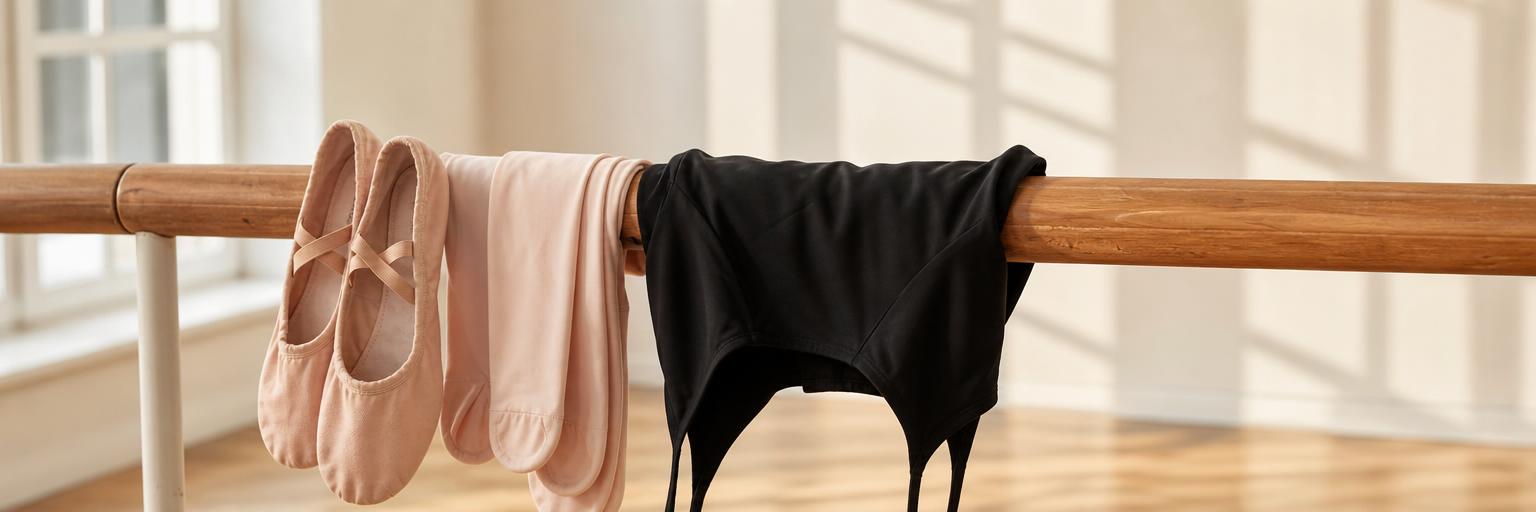
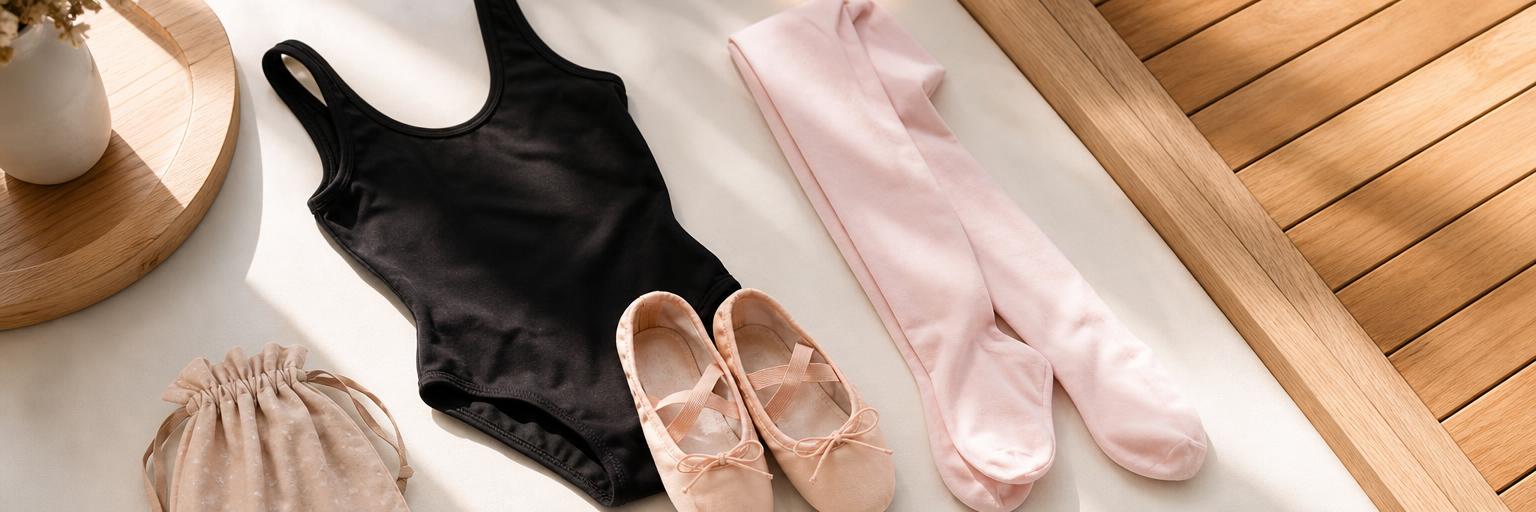
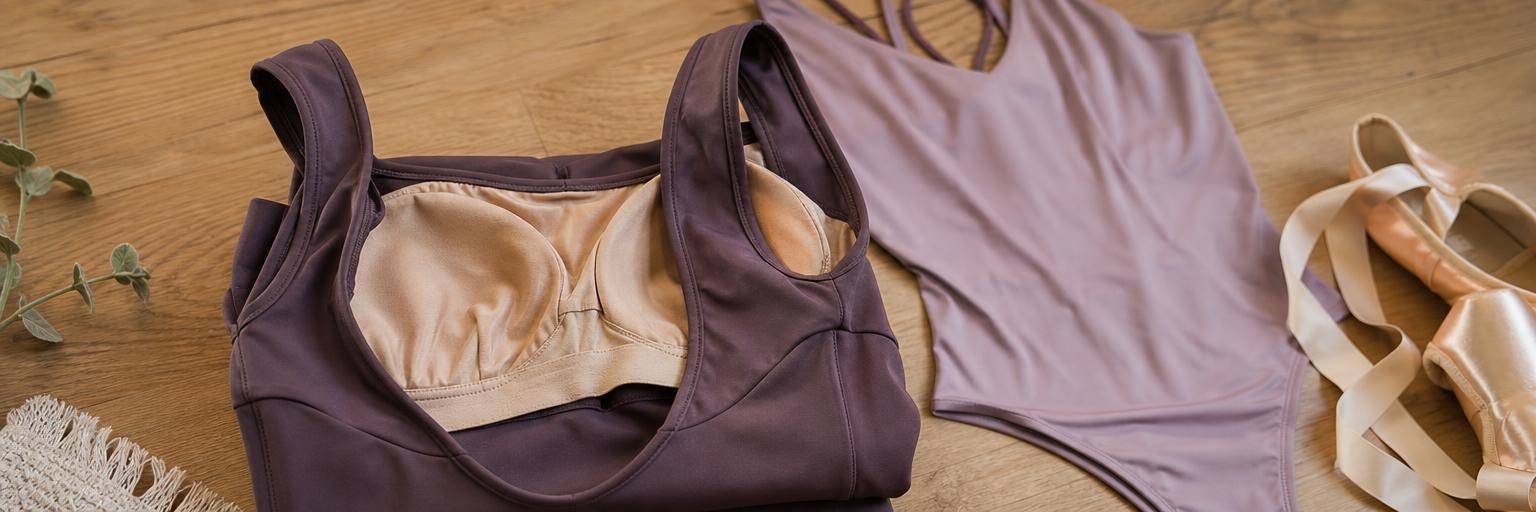
A standard leotard has no support built in, so for a fuller bust the fix is a leotard actually constructed to hold you, not just a thicker fabric. Look for three things: a genuine built-in shelf bra, meaning a real inner bra layer and not just a front lining; princess seams, the vertical seams that curve around and lift the bust instead of flattening it; and wider, adjustable straps that carry the weight without digging into your shoulders. Capezio's BraTek line is the accessible mainstream pick, with an anatomic built-in cup, and the Studio dual-pinch version adds princess seams and adjustable straps for about $48. Jule Dancewear, started by a professional dancer, builds several styles off a compression-sports-bra construction and is the go-to when you want more hold than a basic shelf gives. One honest caveat: most built-in dance bras are engineered for roughly an A through C cup, so if you are fuller than that, the more reliable setup is a supportive low-impact sports bra in your skin tone or in black under a lined leotard, or one of the brands that specifically builds for a larger chest. And if coverage as much as support is what makes you comfortable, a black leotard over black leggings or a wrap skirt is the layering most adult dancers reach for. None of this is required to dance; it is just what lets you stop thinking about it and move.
Gear for this situation
What to do
- Buy support that is built in, not just a thicker leotard. A heavier fabric hides nothing and holds nothing; what supports a fuller bust is construction. Filter for a genuine built-in shelf bra, meaning a real inner bra layer sewn in, not a front lining, because lining only fixes sheerness, not bounce.
- Look for princess seams and wider, adjustable straps. Princess seams are the vertical seams that curve around the bust and lift it instead of pressing it flat, and wider straps, adjustable if you can get them, carry the weight off your shoulders without cutting in. Those two features separate a leotard that supports from one that just covers.
- Start with Capezio BraTek for the mainstream pick. The BraTek camisole has an anatomic built-in cup, and the Studio dual-pinch version adds princess seams and adjustable straps for around $48, which is the accessible, widely stocked place to begin. Buy it from a returnable seller so you can size the support in at home.
- Step up to a dancer-built supportive brand for more hold. Jule Dancewear, founded by a professional dancer, constructs leotards off a compression-sports-bra design and gives real support a basic shelf cannot. It is the move when the mainstream built-in is not enough on its own.
- If you are fuller than the built-in is rated for, layer honestly. Most dance built-in bras are engineered for about an A to C cup, so a very full bust does better with a low-impact sports bra in a skin tone or in black under a lined leotard, or a brand that specifically builds for a larger chest. There is no prize for going without; the goal is to move without thinking about it. The leotards and class uniforms review has the brand-by-brand fit and sizing.
Common mistakes
- Don't assume a lined leotard is a supportive one. Lining solves see-through, not bounce. If the product page says lined or double-front but never mentions a built-in bra, shelf, or BraTek, it is a coverage feature, not support.
- Don't size down hoping a tighter leotard will hold you. A leotard squeezed a size small does not support a fuller bust, it just digs at the straps and girth and rides up, and the support still is not there. Get the hold from the construction and the right size, not from squeezing.
- Don't skip the return window on the first one. Built-in support is personal, and the only way to know a style holds you through a releve and a jump is to try it at home. Buy the first supportive leotard from a seller that takes returns, then reorder the winner.
Keep reading