Quick answer
Quick-change 101
When the schedule says routine 247 at 10:35am and routine 305 at 10:43am, she has 8 minutes to change out of the lyrical floor-length into the jazz mini, redo her bun, and make it to stage right.
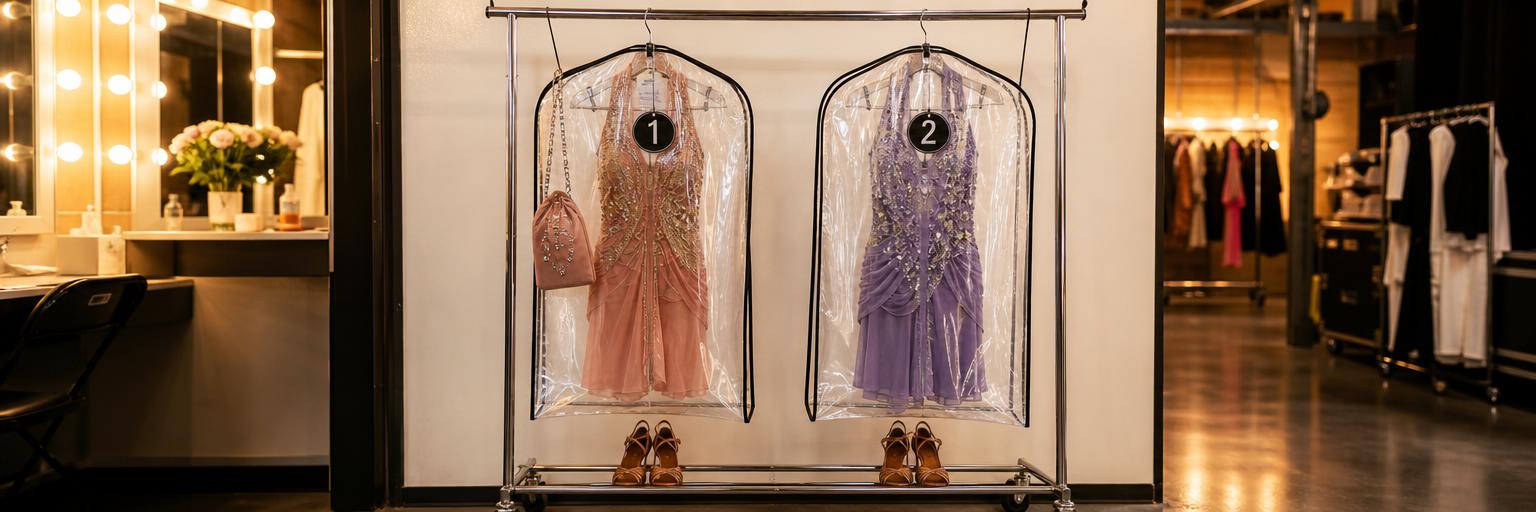
Quick read
A quick change is won before the timer starts, not during it. Pack each costume with its own shoes, tights, and hair pieces in one labeled bag, lay out the next number's bag while the current one is still on stage, and give every adult a single job before the dancer comes off. The families who scramble are the ones who saved all of it for the eight minutes.
Gear for this situation
What to do
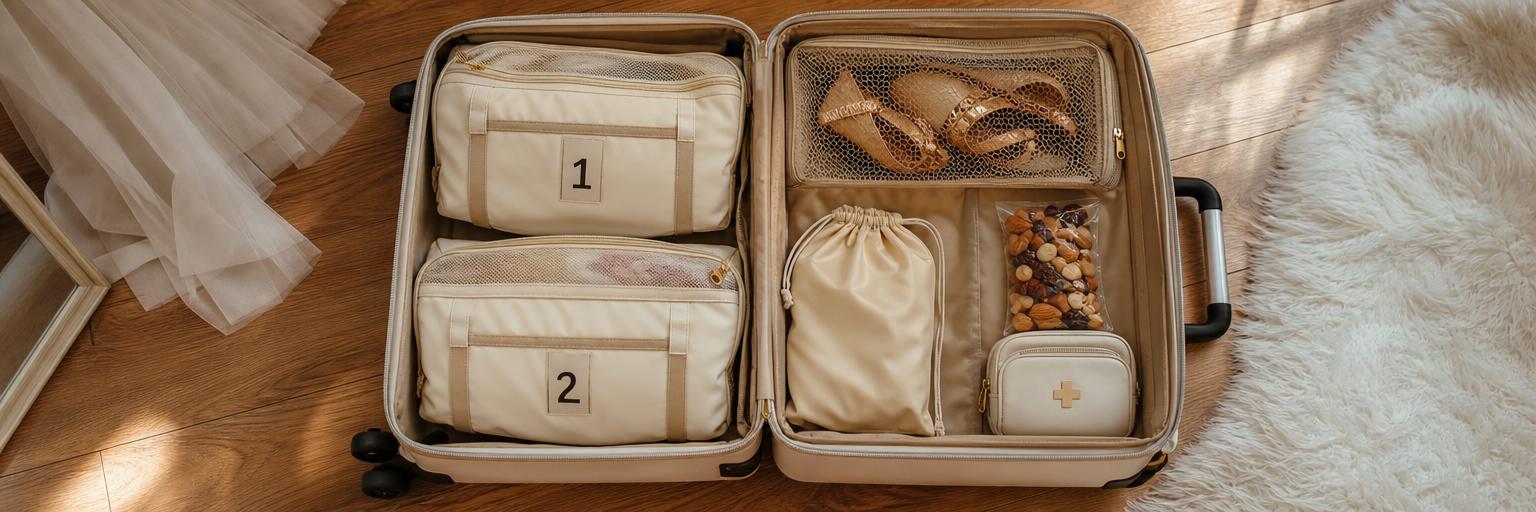
- Pack each costume with every accessory it needs (shoes, tights, hair pieces, jewelry) in one labeled garment bag. During a quick-change you're unzipping one bag and putting on everything inside it, not hunting through separate piles.
- Number the bags in performance order and load them into the bag or rack in reverse order so Number 1 is on top. You don't want to dig through six bags to find the next one at 8 minutes to stage call.
- Before Number 1 goes on stage, lay out Number 2's bag: open it, set the shoes facing forward, and confirm nothing is missing. That's the only prep window you'll have.
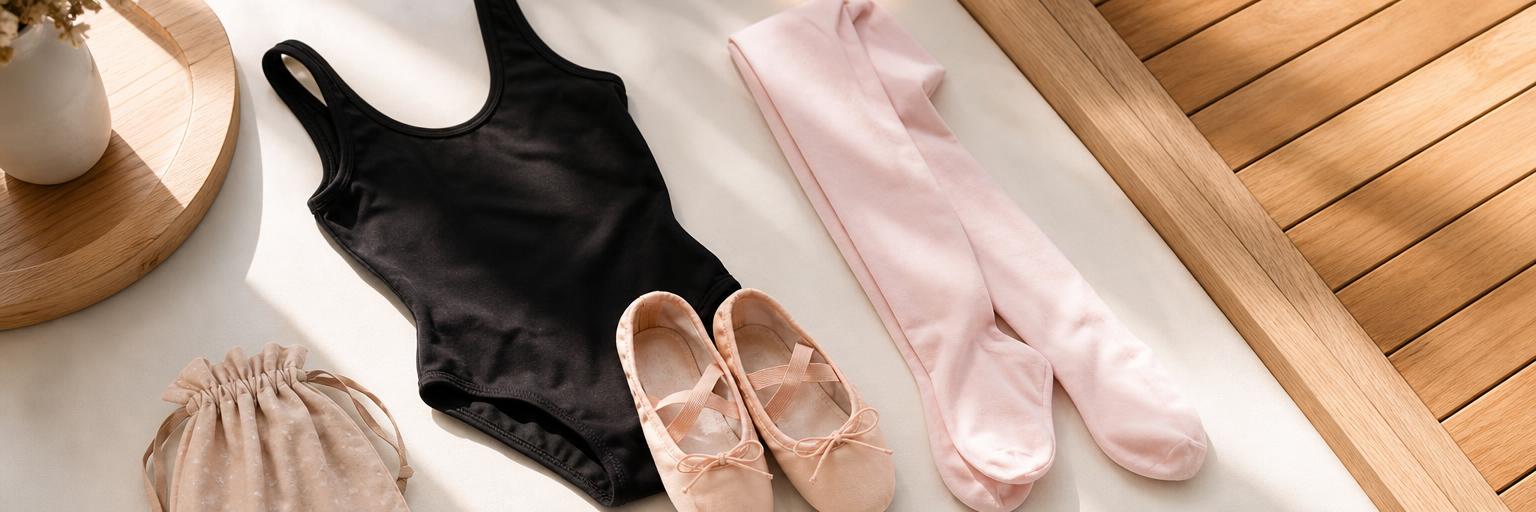
- Put the dancer in a nude base layer under the first costume so the swap is faster and she is never standing exposed in a shared backstage. A skin-tone bodyliner or a seamless camisole leotard stays on through every change, so only the outer costume comes off and on while the base and her tights stay put. That is what lets a change happen in a crowded wing or a half-open tent instead of needing a fully private room each time. Check the necklines first, because a low-back or halter number may need a specific bodyliner cut, or none at all, to stay hidden under it.
- Solve a tights change the same way: never plan to strip tights in the wing, because a full tights change on a sweaty dancer is the slowest thing that can happen in a change window. If two numbers need different colors, she wears the later number's tights underneath and peels the top pair off, a few seconds instead of several minutes. If one number is barefoot or half-sole and another needs full tights, convertible tights with the opening under the foot let her flip the foot free and back without anything coming off. The dance tights guide covers convertible styles and shades.
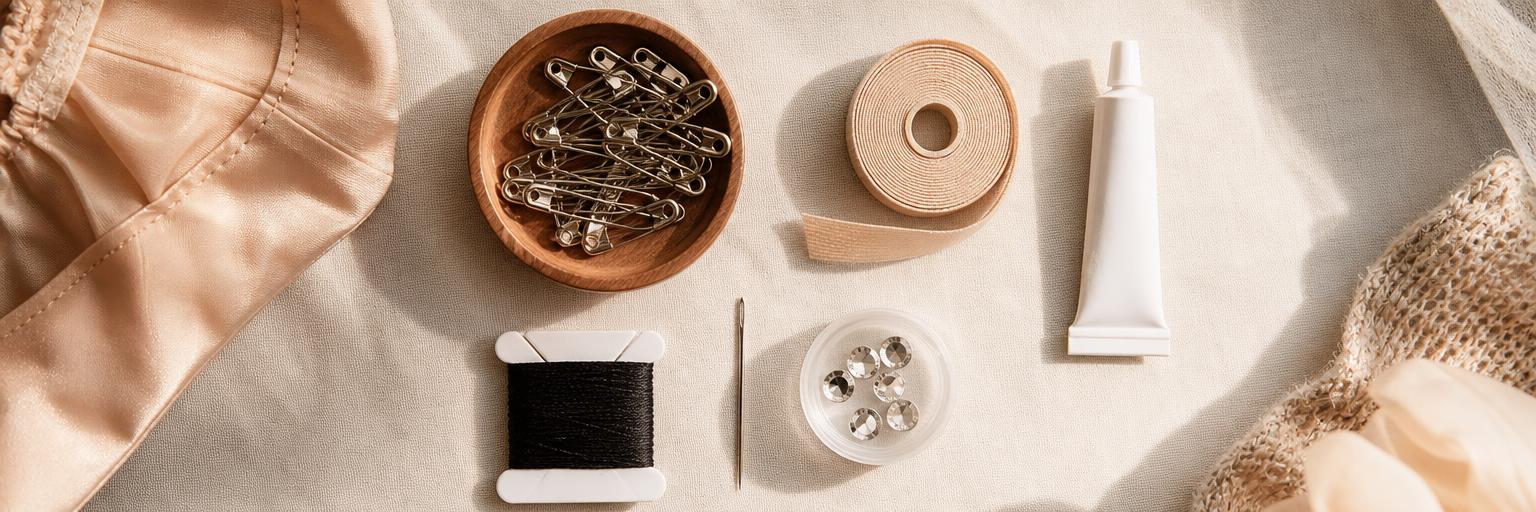
- Assign roles before the dancer comes off, not during: one adult holds the costume while she steps out, one handles the hair change, and the dancer's job is to stand still and not grab at anything. If you are the only adult, walk her through the order in the car that morning so she is moving on autopilot when the clock starts, not waiting for instruction. And if something does pop mid-change (a hook snaps, a strap tears, a snap fails), do not freeze the whole window trying to repair it in the moment; the backstage costume-breaks playbook covers the 30-second saves (safety pin into the back seam, clear fashion tape across a popped snap, an unzipped invisible zipper hidden by the bow) that get her on stage in time.
- Solve the hair before the day, because a full restyle is what blows a quick-change clock. If two numbers need genuinely different hair, do not plan to take a bun all the way down and rebuild it in the wing, because you will not make it in the window. Build one base style that carries the most numbers, usually a clean bun or a low pony, and change the look on top of it with pieces that snap on and off, like a clip-in bun donut, a wrapped hairpiece, or a removable bow or headpiece pinned over the base. The dancer keeps the same foundation all day and only the add-on moves, which turns a four-minute restyle into a thirty-second swap, and the dance hair kit guide covers the donuts, nets, and strong pins that hold an add-on through a full performance day. If one number truly needs the hair completely down, it is the one to do last so nothing has to go back up.
- Make the shoe change the fastest part of the swap, not the slowest, because lacing or tying under the clock is where a change quietly dies. If two numbers use the same shoe, she keeps it on and the step disappears. When the shoes do change, prep them so nothing has to be tied in the wing. Pre-tie ribbon or lace bows at home and tuck the knot so the shoe slips on like a slipper, or swap standard laces for elastic ones that stretch over the heel in one motion. Set each pair in the bag facing forward and already loosened, so the dedicated adult guides the toe in while the dancer steps down instead of crouching to thread a lace. If a costume lets you choose the closure, pick a buckle or a single strap over a ribbon, because anything that fastens in one move is one less thing to fumble at 30 seconds to stage call.
- Position the pop-up tent or changing area before the first number exits. If you have to set it up during the change window, you've already lost two minutes.
- Time the full change at home at least once before competition. Hair changes add two to four minutes. A ballgown exit can add another minute depending on hooks and layers. Know your actual time, not the theoretical one.
Common mistakes
- Do not leave loose jewelry or hair pieces floating in the garment bag. They fall out during the costume swap and you find them after the number. Zip them into a small labeled pouch attached to the bag's interior hook.
- Do not try to manage a quick-change in a cramped aisle or shared hallway. You need enough floor space to open the bag flat, or you end up kneeling on the costume. Get to the changing area early enough to claim space.
- Do not expect a young dancer to self-manage the change under time pressure. Assign roles to adults in advance. A dancer who has to think about what to do next is a dancer who freezes.
- Do not skip the practice run at home. Dress rehearsal is the wrong time to find out the gown's back hooks take 90 seconds and you only budgeted 30.