Quick answer
My child's leotard doesn't fit
When the Motionwear tank leotard you ordered for fall classes arrived yesterday, the gusset pulls when she lifts her arms overhead, and you have 14 days to decide if it is a size issue or a brand-cut issue.
Quick read
Check the seller's exchange policy before doing anything else. Leotard fit problems are almost always a sizing or cut issue, not a defect. Measure your child's chest, waist, hip, and torso length (shoulder to crotch) and compare against the brand's chart. If it's short in the torso, size up or switch to a brand with longer torso options. If only the arms are tight but the body fits, try a different sleeve cut in the same size before sizing up.
Gear for this situation
What to do
- Check the seller's exchange policy before doing anything else. Not the return policy, the exchange policy. Most dance retailers will exchange an unworn, tagged leotard for a different size. Some (Discount Dance, DancewearCorner) accept exchanges on dancewear within a defined window. Opened dancewear can be trickier, so check the seller's policy before cutting tags or washing.
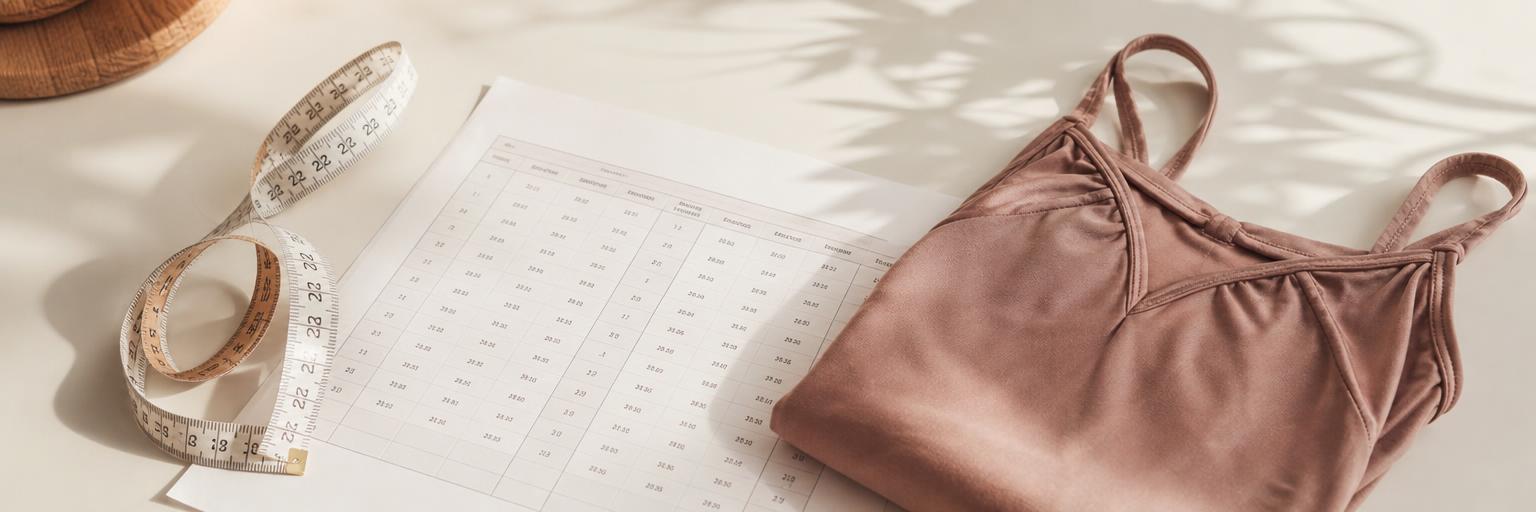
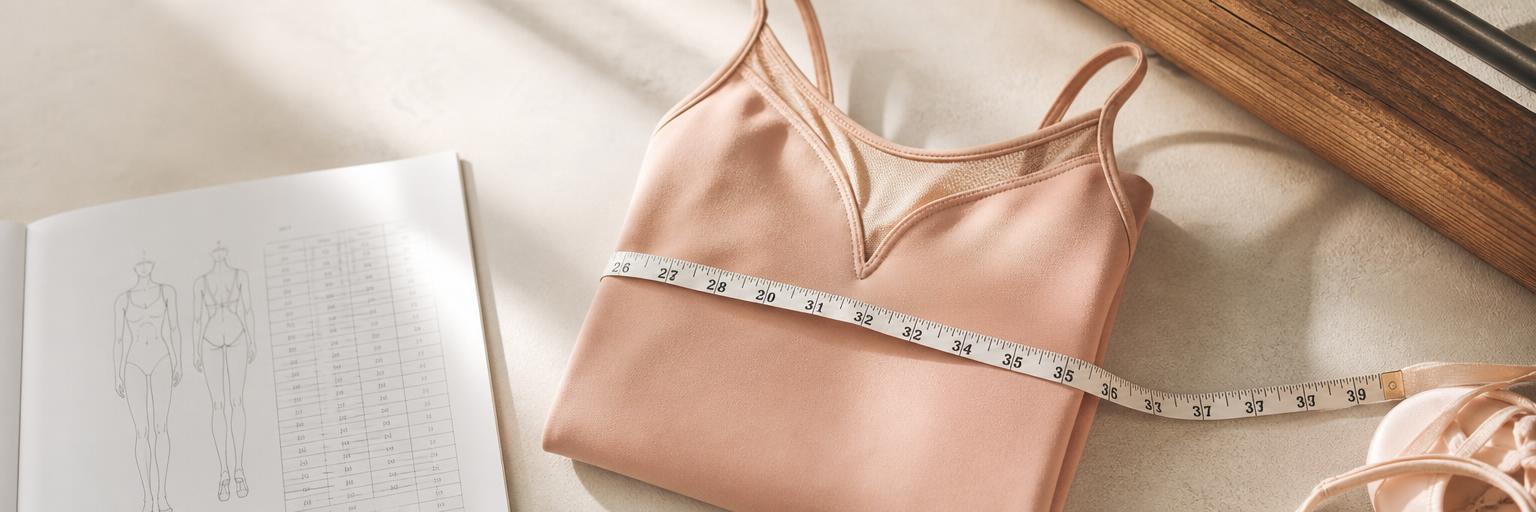
- Measure before reordering. You need four numbers: chest (fullest part), natural waist, hip (fullest part), and girth. Girth is the one most parents skip and the one most leotard fit problems trace back to. To take it, start at the top of one shoulder, run the tape down the front, through the crotch, and back up to the same shoulder. That full loop, not the waist or hip, is what the gusset rides on, so a leotard that pulls down at the shoulders or digs at the crotch is short in the girth. Most brands publish this number on their size chart, often labeled girth or torso, which is what makes one chart comparable to another. Once you have the four numbers, our consolidated leotard size chart puts Capezio, Bloch, Body Wrappers, and So Danca in one table, child and adult, so you can match her measurements against every brand at once instead of hunting down four separate charts. When two measurements land in different sizes, order to the larger one.
- If the leotard is short in the torso (pulls at the gusset, rides up, is uncomfortable on relevé): size up. Leotard torso length increases with size. If sizing up makes the body too loose, try a brand known for longer torso options: Motionwear, some Eleve cuts, and Body Wrappers' athletic lines run longer than Capezio for equivalent sizes. Our brand fit notes cover which brands run long and which run small.
- One caution before you just size up, because the next size up is not always the next size in the same run. Most dancewear brands stop their child sizing around a child large and then jump straight to adult sizing, and an adult leotard is not a bigger child leotard. It is cut for a grown woman's proportions, longer through the torso, shaped through the bust, and wider at the hip, so on a ten or twelve year old who has simply outgrown the child range it can fit wrong everywhere at once even when her chest measurement technically lands in an adult extra small. If your dancer is at the top of the child sizes, look for a brand that offers an intermediate, junior, or tween range before you cross into adult cuts, and when you do cross over, compare her measurements against the adult chart fresh rather than assuming the numbers carry, since the child and adult charts are not the same scale. This is the spot where 'she is just hard to fit' is usually really that she is caught between two size systems.
- If only the arms are too tight but the body fits: try a different sleeve style in the same size, not a different size, if the studio's dress code allows. A cap sleeve leotard that's tight in the arms may fit fine in a tank or spaghetti-strap cut in the same size. If the dress code requires that exact sleeve cut, exchange to a different brand of the same cut instead and compare arm-opening or armhole numbers on the size charts before reordering, since one brand's cap sleeve runs noticeably tighter through the bicep than another's at the same labeled size. Going up a full size to solve arm tightness usually creates excess fabric through the body.
- If the leotard is too large overall: size down. If it's still too large in the next size down, check whether the studio allows the leotard to be taken in by a seamstress. Most plain practice leotards can be taken in at the side seams. Don't take in a leotard with decorative panels, lace, or applique without a dance-experienced seamstress.
- If a leotard fit at the start of the season and has since gone baggy or lost its snap, look at how it has been washed before you assume she grew or the size was wrong. A leotard is mostly spandex, and spandex is what gives it that stretch-and-recover hug. Heat is what kills it, so a machine dryer, a hot wash, or a leotard left to bake in a sunny car or on a radiator breaks the fibers down and leaves the garment permanently stretched out and saggy at the seat and straps even though the size on the tag never changed. Chlorine and the oils in sunscreen do the same thing over time. Once spandex is cooked it does not come back, so that leotard is genuinely done, but the fix going forward costs nothing. Wash it inside out in cold water on gentle, lay it flat to air-dry rather than the dryer, and a leotard holds its fit for the whole season instead of sagging out by midwinter.
- Contact the seller's customer service with your measurements before reordering from the same brand. Most dance retailers can look up the measurement chart and recommend the correct size if you give them actual numbers. 'My daughter usually wears a medium' is not useful information. 'She measures 26-inch chest, 21-inch waist, 27-inch hip, 25-inch torso' is.
- If the doesn't-fit leotard is the studio's required uniform, the reorder is not a free pick. Studios that require a specific brand, color, or SKU usually need the replacement to come through the same source so the team matches in pictures and at performances, and a substitute that fits your dancer perfectly but reads off-shade on stage is its own problem. The studio team uniform reorder playbook covers the call-the-director-first step, the discontinued-SKU path when the brand has dropped the colorway, and the what-to-wear-to-class-while-you-wait window.
Common mistakes
- Don't cut the tags off or wash the leotard until you've done a full movement test: relevé, arabesque, arms overhead, and a seated stretch. A leotard that fits standing often pulls short through the torso once the dancer moves. Tags and unworn condition are what make exchanges possible.
- Don't size up across the board when only one measurement is off. If only the arms are tight, sizing up produces a leotard that gaps and sags through the body. Identify which part doesn't fit and address that specifically.
- Don't reorder the same size from the same brand if the fit was wrong. Brand sizing is consistent within a season. A second unit of the same item will fit the same as the first. Either size up, try a different cut, or try a different brand.
- Don't assume all brands size the same. Capezio, Motionwear, Body Wrappers, Eleve, and Bloch all use different sizing lasts. A size M at Capezio and a size M at Motionwear are not the same garment. If the studio allows flexibility in brand, use the brand whose size chart matches your child's actual measurements most closely. The upstream prevention version of this same rule is in how do I know what size leotard to order, which walks the chest-waist-hip-girth measurement and the brand-comparison step before the order goes in, so the next leotard reaches the door already sized to her four numbers instead of to the size name on a tag.