Quick answer
How do I make pointe shoes last longer
When the box goes soft and the shank dies before the pair has earned its price, the other parents mention gluing them, and you do not know whether to buy a hardener, which one, or whether you are skipping something free.
Quick read
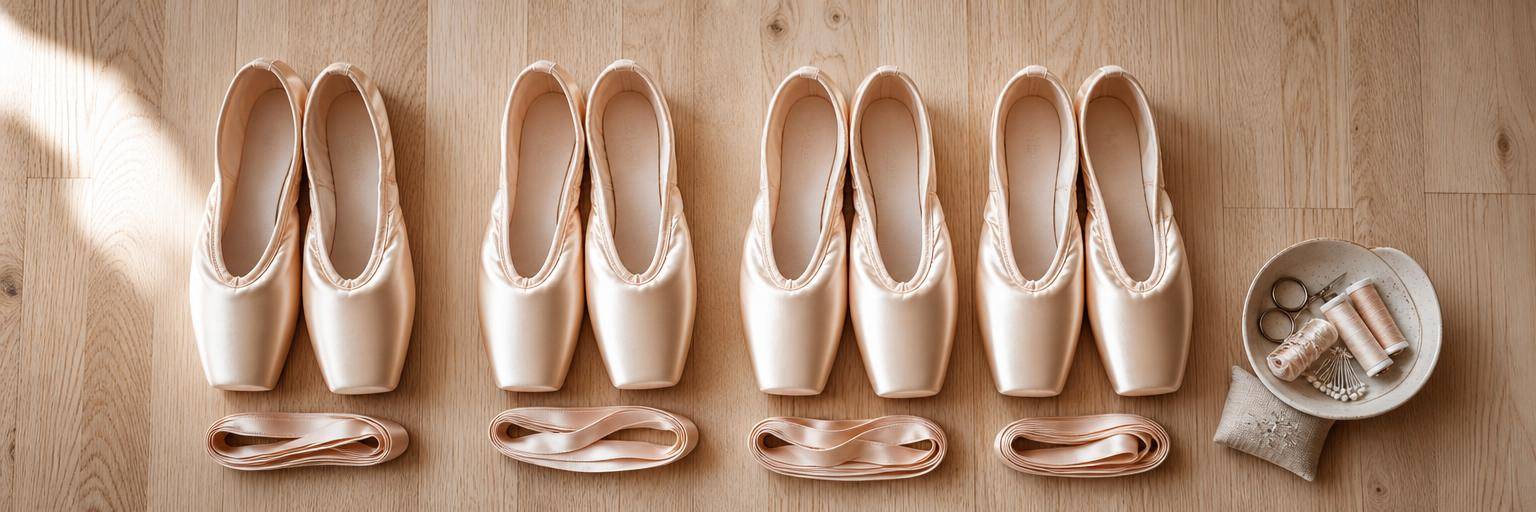
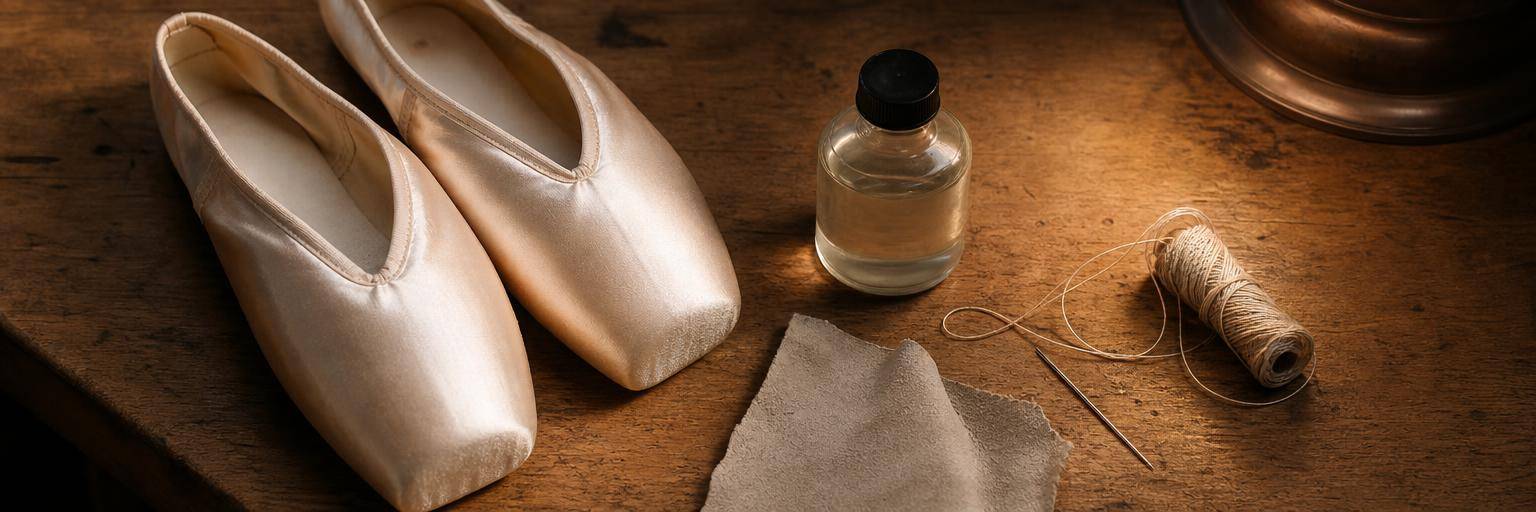
Before you buy anything, the most effective thing is free: rotate two pairs. A pointe shoe is paper and paste, and it needs a full day or two to dry out after class, so a pair worn back to back never dries, the paste never re-hardens, and the shoe dies fast, while a rotated pair that dries between wears lasts far longer than any product can make a wet one last. Air them out tips-up after every class, and a charcoal or silica drying insert speeds it along. Once you are rotating and drying and a box or shank is still going soft before its time, that is when a hardener earns its place. Jet glue, a thin cyanoacrylate, is the modern favorite over the old wood shellac: you paint a little into the platform, the wings, and the shank where you feel the give, after the first few classes, and top up only the soft spots. Two rules make or break it, that you use it sparingly, because too much makes the shoe feel dead and unresponsive, and that you only ever glue a fully dry shoe, because sealing the sweat into a damp one makes it break down faster, the exact opposite of the goal. Shellac painted inside the box and the oven-and-floor-wax method are the older, cheaper, fussier versions of the same idea. One thing to check first: ask her teacher, because some want a beginner to feel her first pair break down naturally, since learning to control that softening is part of the work, and they may not want it hardened at all. Hardening is for extending a shoe that softens too fast for the dancing, not for stiffening a brand-new first pair.
Gear for this situation
What to do
- Rotate two pairs before you spend a dollar, because it is the biggest lever and it is free. A pointe shoe needs a full day or two to dry, and a pair worn back to back never dries, so the paste stays soft and the shoe dies fast. Two pairs alternated, each drying between wears, outlasts anything you can paint on a wet shoe. This is the same rotation the summer-intensive pointe answer is built around.
- Dry them right, tips-up, after every single class. Stand or hang them with the toes pointing up so gravity pulls the moisture down and out, never sealed in a bag, and a charcoal or silica drying insert speeds it and kills the smell. A dry shoe re-hardens on its own overnight; a damp one never gets the chance.
- Reach for jet glue only once a box or shank is softening early despite the rotation. Jet glue is a thin cyanoacrylate, the modern favorite over old wood shellac, that you paint into the platform, the wings, and the shank where you feel the give, after the first few classes, topping up only the soft spots. It re-hardens the paste and buys more wear out of a shoe that is going before its time.
- Follow the two rules that decide whether it helps or hurts: sparingly, and only on a dry shoe. Too much glue makes the shoe feel dead and unresponsive, so use a little and add more only where you need it. And never glue a damp shoe, because the cyanoacrylate seals the sweat inside and speeds the breakdown, the exact opposite of the goal. Shellac and the oven-and-floor-wax method are the older, cheaper, fussier versions of the same idea.
- Ask her teacher before you harden a beginner's shoe, because it is a real call, not a default. Some teachers want a new pointe student to feel her first pair break down, since learning to control that softening is part of the training, and they may not want it hardened at all. Hardening is for extending a shoe that softens too fast for the dancing, not for stiffening a brand-new first pair.
Common mistakes
- Don't glue a damp shoe. It is the single most common hardening mistake, because the cyanoacrylate seals the sweat into the paste and the shoe breaks down faster than if you had left it alone. Dry it fully first, every time, then harden only the soft spots.
- Don't drown the shoe in glue to make it last longer. More is not better here; a heavily glued shoe goes stiff and dead and stops responding to her foot, which is its own problem. Use a little, let it dry, and add more only where the softness comes back.
- Don't harden a beginner's first pair without asking. Stiffening a new shoe can rob a new pointe student of the feedback she is supposed to learn from as the shoe breaks down, so confirm with the teacher before you reach for the glue on a first pair.
Keep reading