Quick answer
What stage makeup does my dancer actually need for competition
When the studio's stage-makeup list has 14 items, her first competition is in 18 days, and the Sephora bag from yesterday cost $147 you cannot tell if you actually needed.
Quick read
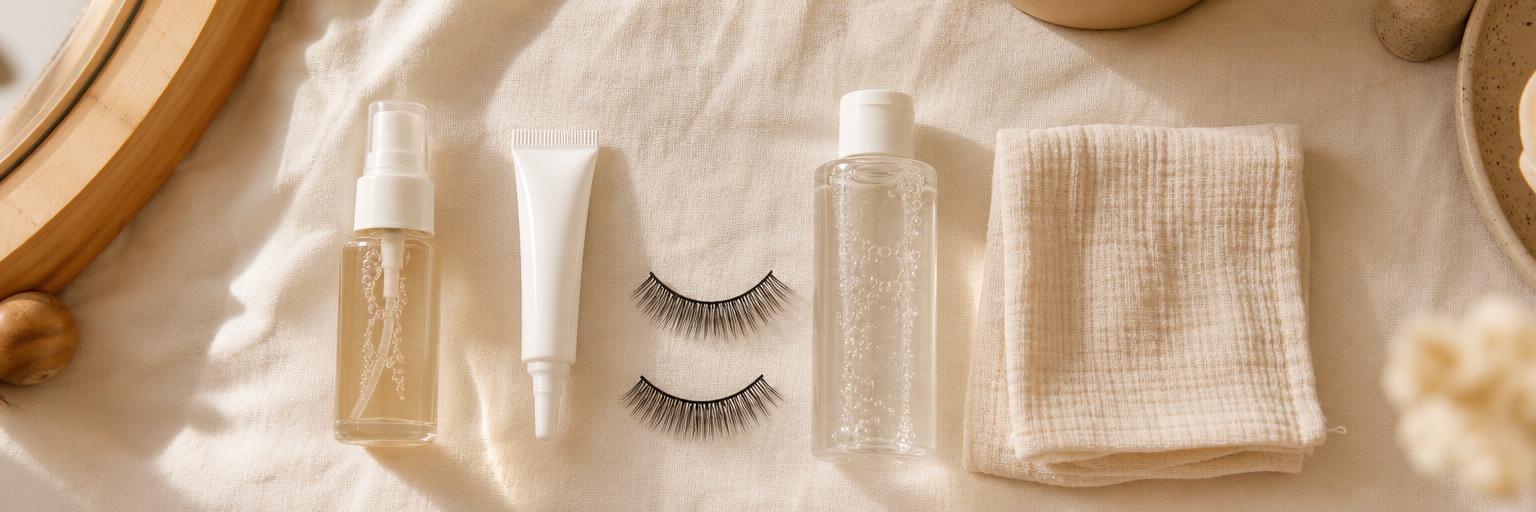
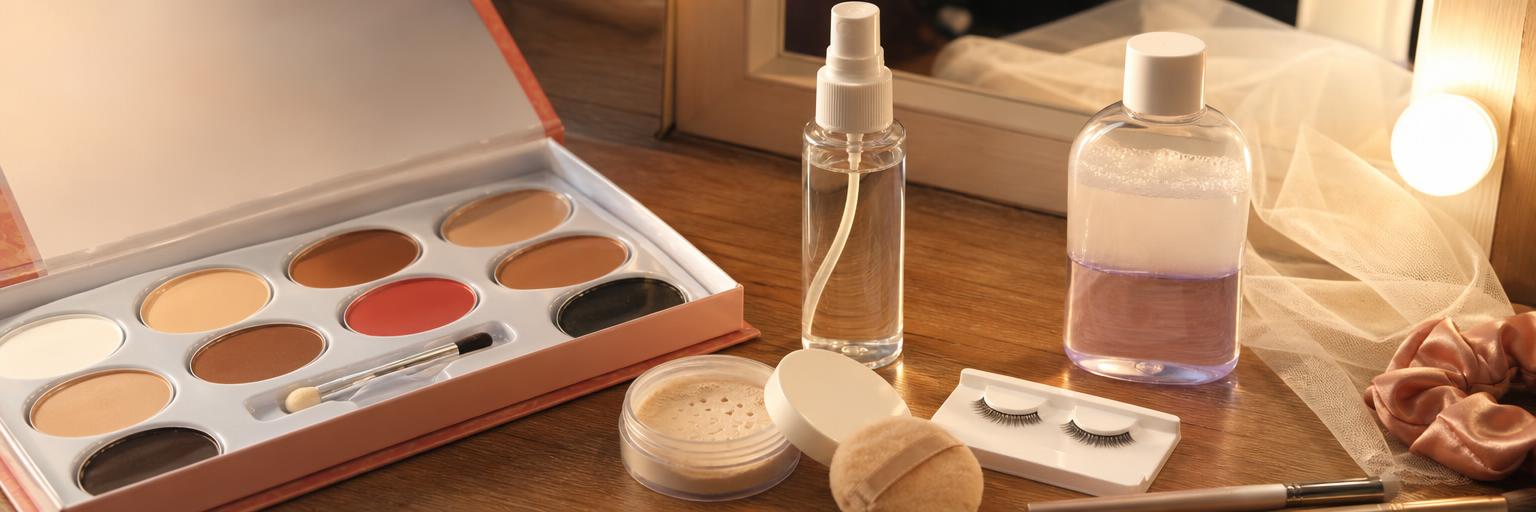
Buy in three layers and you will not overspend. Layer one is whatever the studio specifies, and that comes first. Many studios require a single named lipstick or palette color so the team matches on stage, so confirm the list and the exact shade before you buy anything else. Layer two is the base kit, and a boxed stage kit covers it for $28 to $30. The Ben Nye Personal Creme Kit ($28) is the stage-student baseline and carries deep shades (Olive Deep, Brown, Brown Dark); the Graftobian Student Theatrical Kit ($30) is the other student-stage option, though it was sold out in every shade when we checked on 2026-08-02. Skip the $78 to $150 pro kits for a first competition, because they are teacher and studio quantities. Layer three is the small add-on basket that actually decides whether the makeup survives: a setting or sealing spray (Ben Nye Final Seal 1 oz around $12, or Mehron Barrier Spray around $9 to $14, which doubles as a skin barrier for sensitive faces); a colorless setting powder (Ben Nye Neutral Set 1 oz around $10); an age-appropriate natural strip lash (about $5) only if the studio asks for lashes; a latex-free lash adhesive (around $7, like the DUO Brush-On Clear, because the usual lash-glue reaction is to latex); and a gentle remover to get it off afterward. One hard rule on timing: test any lash glue and any new product on skin a full week before, never the morning of. For deeper skin tones this category is genuinely inclusive. Both affordable starter kits carry true deep shades, unlike the footwear gap. Our stage makeup review breaks down each kit and where to buy without overpaying.
Gear for this situation
What to do
- Buy the studio's required items first, before anything else. Many studios specify one exact lipstick or palette shade so the team matches on stage, and that named product is non-negotiable. Get the list and the precise color from your studio, then build the rest of the kit around it. We walk through the whole approach in the stage makeup review.
- Cover the base with one boxed kit in the $28 to $30 range. The Ben Nye Personal Creme Kit ($28) is the stage-student baseline and carries deep shades (Olive Deep, Brown, Brown Dark, nine shade groups in all). The Graftobian Student Theatrical Kit ($30) is the other student-stage option, though it was sold out in every shade when we checked on 2026-08-02. Either one is plenty for a first competition.
- Add the small make-it-last basket, because that is what decides whether the makeup survives the number. A setting or sealing spray (Ben Nye Final Seal 1 oz around $12, or Mehron Barrier Spray around $9 to $14, which doubles as a skin barrier for sensitive faces) plus a colorless setting powder (Ben Nye Neutral Set 1 oz around $10) is a complete add-on under about $25. Colorless powder and setting spray work the same on every skin tone, so there is no shade-matching to worry about here.
- Handle lashes only if the studio asks for them, and handle them carefully. Use an age-appropriate natural strip lash (about $5), not a dramatic festival lash on a young child, with a latex-free adhesive (about $7, like the DUO Brush-On Clear). The usual lash-glue reaction is to the latex in standard glue, so latex-free is the safe default for a kid's face. Look for a clear brush-on labeled latex-free; it is a drugstore and beauty-store staple, so you do not have to hunt a specialty site for it. Two traps worth knowing before show day: Ardell LashGrip Clear sounds like a safe pick but is actually latex-based, and most lash-glue reactions come from wet adhesive touching the waterline, not from the lash itself. The lash-and-skin irritation answer walks the application change (tacky band, set above the waterline) and the pre-glued or self-adhesive fallback if her eyes still react.
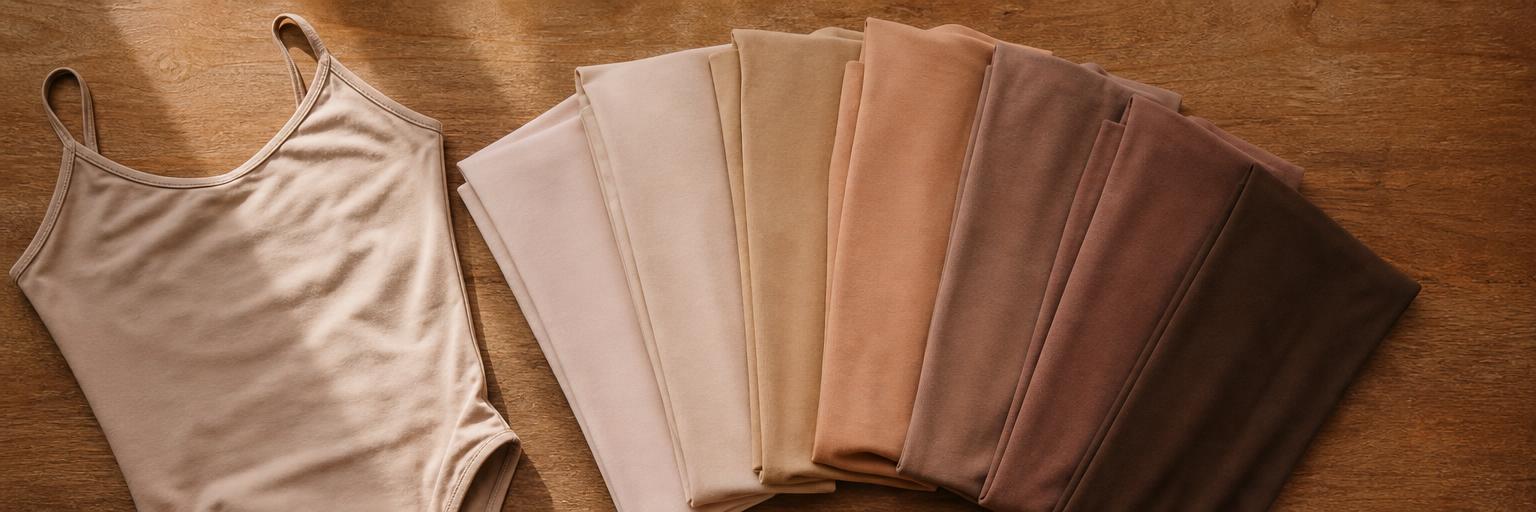
- Decide the competition tan as its own line item, because a studio note like 'the team is getting sprayed Thursday' or 'tan her for the solo' blindsides first-time comp parents. Start with whether she needs one at all: a tan evens skin tone and sharpens the leg line under stage wash, which is why older soloists and competitive groups often do it while most minis and young recital kids skip it, so default to what the studio sets for the whole team and match the group rather than freelancing a darker shade. When she does need color there are three routes. A salon or event spray tan is the most even and the priciest, booked through the studio's vendor or a salon one to two days ahead. An at-home self-tanner is cheaper but trickier, applied a night or two before with a mitt, and it is the one product you never try for the first time on competition eve, because streaks and an orange cast read worst under the lights. The lowest-commitment option is a wash-off leg makeup like Sally Hansen Airbrush Legs, a drugstore spray or lotion in shades from fair to deep that comes off with soap and water that night, which is the right call for a single number, a young dancer, or any parent who would rather not leave a multi-day tan sitting on a kid. Whichever route you pick, protect the costume: let a spray or self-tan dry and set fully before the costume goes on, keep wash-off makeup off light fabric and white trim where it stains and transfers, and never tan over a fresh sunburn. The same match-the-dancer logic runs through her tights, so what tights match my skin tone is the companion call.
- Do one full dress-rehearsal face at home under the brightest light you have, because stage makeup has to go on far bolder than everyday makeup to read under the lights. Here is the part that blindsides first-time parents. A competition face looks startling up close, heavy blush, a strong lip, and defined eyes, and that is correct, because stage lighting and the distance to the audience wash out roughly half of what you put on. A natural everyday application leaves a dancer looking pale and featureless from the seats. Practice the full look once on a calm evening, take a photo from across the room to see what the judges will see, and you walk into the dressing room knowing the routine instead of learning it with the clock running. The real shade-and-coverage verification happens at dress rehearsal under actual stage lights: the what to expect at dress rehearsal walks the from-the-house lighting check (send a second adult to row fifteen during her number) that catches a face washing out before recital night.
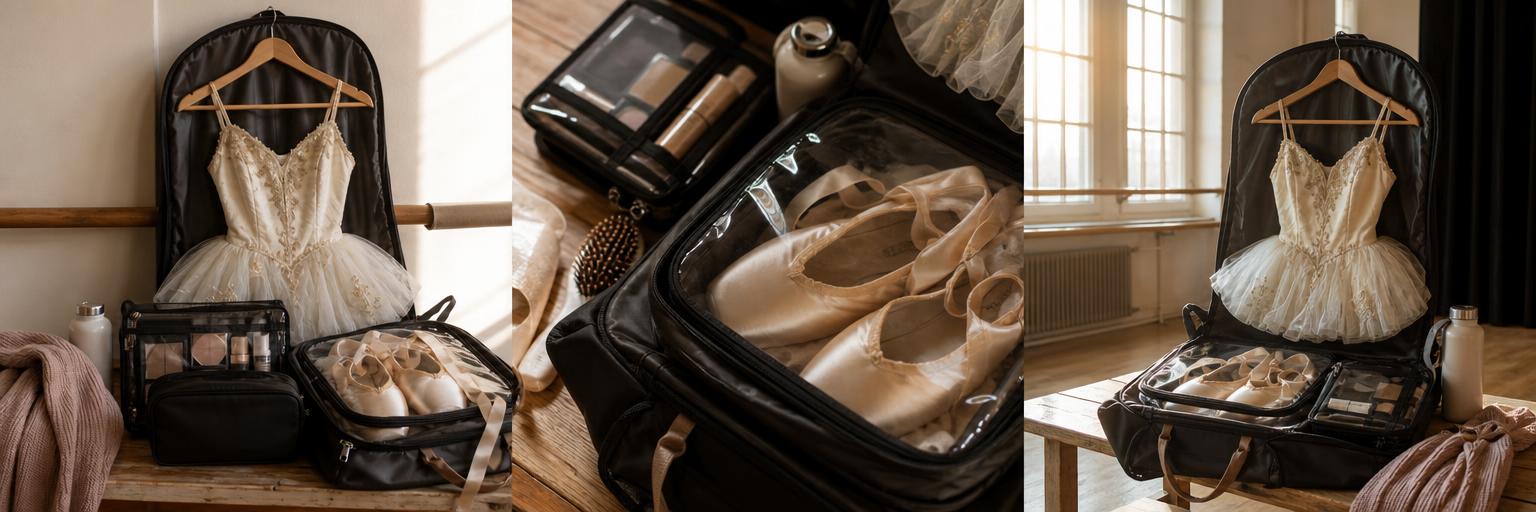
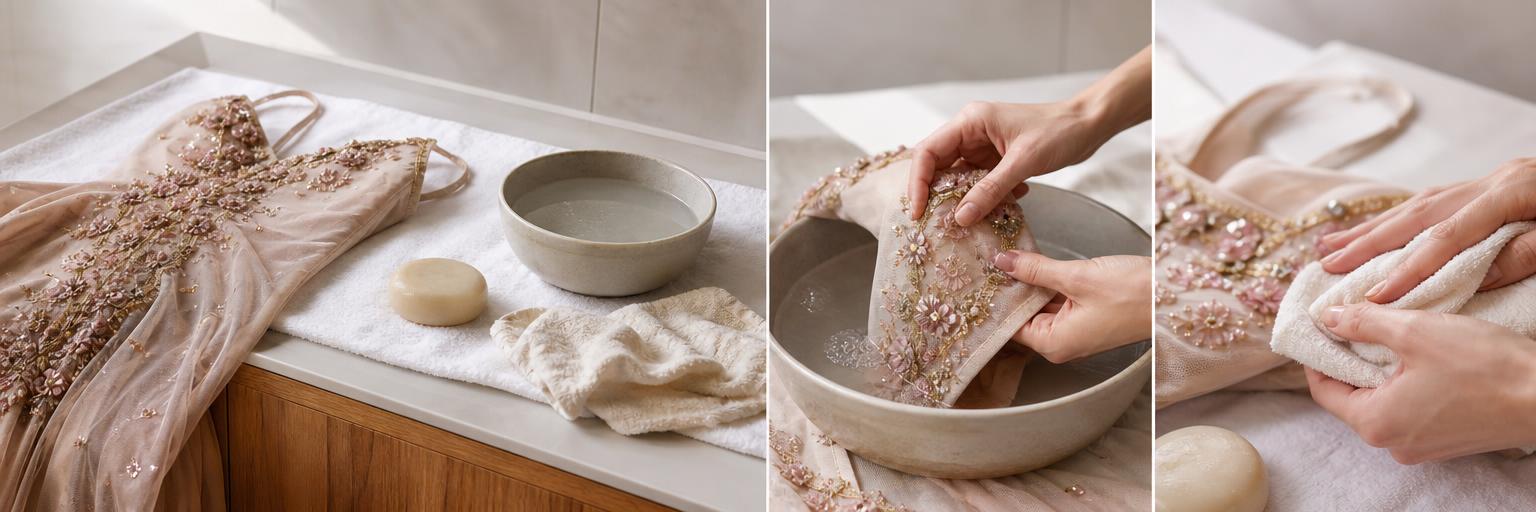
- Do the full face and the bun before the costume goes on, never after, because the bold lip and full base you just practiced are exactly what smears onto a costume neckline when you pull it over her head. Do makeup and hair first, then step her into the costume from the feet up where the cut allows it, or drape a makeup hood (a light scarf, or even a clean t-shirt laid over her face) as you ease an over-the-head costume past her chin. Press the lip with a little colorless powder so it does not print on the fabric, and leave the costume in its garment bag until the last minute. A foundation streak on a $200 costume neckline is the day-of mess nobody warns you about, and washing set stage makeup out of an embellished costume afterward is its own ordeal.
- Keep her eye and lip makeup her own, because competition is where shared makeup turns into shared pink eye. Backstage a team mom often does a dozen faces in a row, and a mascara wand, a strip lash, a passed-around lip tube, or a finger dipping back into a creme pot carries whatever the last child had, which is exactly how conjunctivitis and cold sores travel a dressing room. Send her with her own kit and a few throwaways, a couple of disposable mascara wands, cotton swabs for the creme base instead of shared fingers, and her own lip color rather than a tube going down the line. Sharpen any eye or lip pencil before and after to expose a clean surface, never share strip lashes or lash glue, and if the studio pools one team lip shade have the helper lay it on with a fresh disposable wand per dancer instead of straight from the bullet. None of this adds much to the kit, and it beats a week of antibiotic drops the day before regionals.
- Get a gentle remover for afterward. An oil-free, eye-safe remover takes stage makeup off without scrubbing a child's face raw. This is the easy-to-forget item that makes the night end well, so put it in the basket up front rather than reaching for a baby wipe at 10pm.
Common mistakes
- Don't buy the $78 to $150 pro kit for a first competition. The big Ben Nye Theatrical, Graftobian Deluxe Student, and Mehron Celebre Professional kits are teacher and studio quantities. A first-timer wastes money and ends up with product that dries out before it's used. The $28 to $30 box is the right tier.
- Don't test a new product, and especially a new lash glue, on performance morning. A reaction or the wrong shade is a fixable problem a week out and a disaster the day of. Do a full skin and lash test several days before, on the actual child, in the actual products.
- Don't assume drugstore everyday makeup will read on stage. Stage lighting washes out ordinary foundation and blush, which is why theatrical creme kits exist. You don't need pro-grade for a recital, but the boxed stage kit is built for the lights in a way a CVS run is not.
- Don't skip the setting layer to save $20. The base makeup is only half the job; without a setting spray and powder it slides off under hot lights inside one number. The cheap add-on is what protects the whole kit you just bought.