Quick answer
What to do when stage makeup or lash glue irritates skin or eyes
When her right eye is swollen by Saturday morning after Friday's dress rehearsal, the lash glue from the team's shared kit was the standard DUO black, and her next performance is in 5 days.
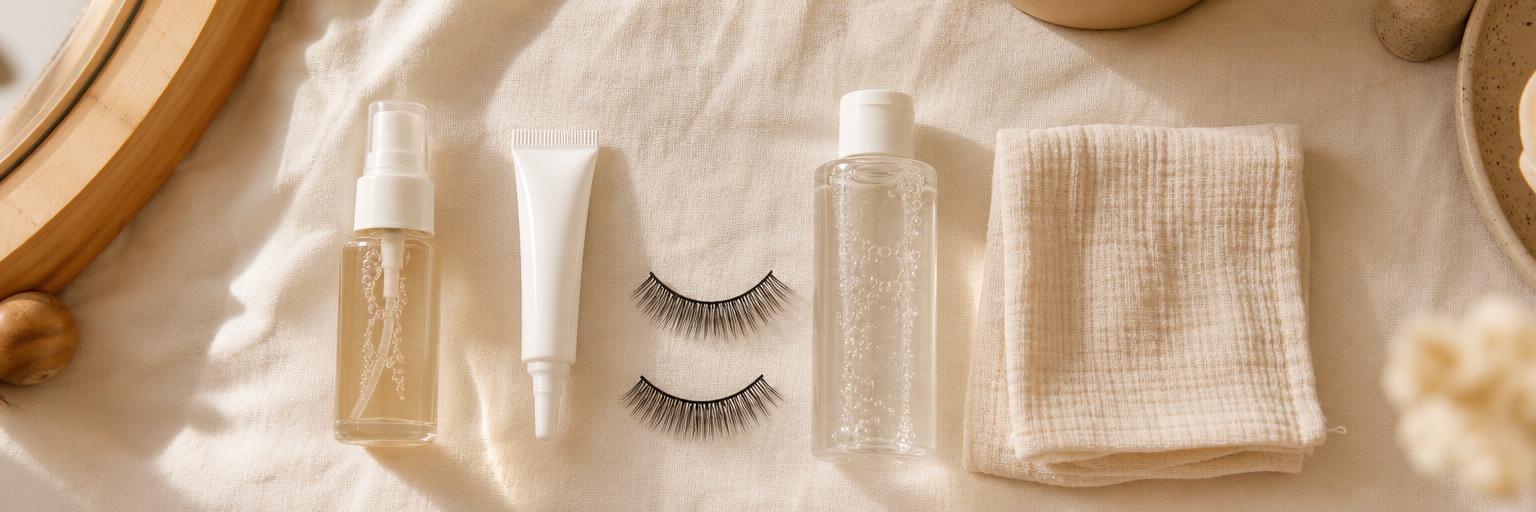
Quick read
Most stage-makeup reactions trace to one of three causes, and once you find which one, you can usually fix it without dropping the look. The single most common cause is the lash glue, because the standard adhesive (Duo original) is latex-based and latex is a frequent irritant, so if the reaction is around the eyes or lash line, switch to a latex-free clear brush-on adhesive first. The DUO Brush-On Striplash Adhesive in Clear is formaldehyde- and latex-free, sold at any drugstore, Ulta, or Sally, and runs about $7. (The Ardell LashGrip Clear that often gets suggested is actually latex-based, so it is not the right switch for a latex reaction.) The second cause is fragrance or oil in the face products, so move to fragrance-free and oil-free where you can, and lay down a skin-barrier layer before the makeup goes on. Mehron Barrier Spray (1 oz around $8.95, 2 oz around $13.95) is the useful dual-purpose pick here, since it shields reactive skin and then helps set the makeup, so one small bottle does two jobs in the bag. The third cause is the removal step, because scrubbing stage makeup off with a rough baby wipe is its own kind of irritation, so use a gentle oil-free, fragrance-free remover and a soft cloth rather than dragging at the skin. Two hard rules no matter the cause: patch test every adhesive and every new product on the inner arm, and do a single-lash or small-area test on the face, a full week out, never on performance morning when there is no time to recover. And if her eyes specifically are the problem and the studio does not actually require lashes, the simplest fix is to skip them. Our stage makeup review covers the latex-free adhesives, barrier products, and gentle removers, and where to buy each without overpaying.
Gear for this situation
What to do
- If a reaction is happening right now at the venue, get the irritant off her first and sort out the cause later. The glue is the usual culprit near the eyes, so lift the lashes off gently from the outer corner, and wipe any patch of skin that is stinging or going red with a gentle remover or just water and a soft cloth. If it is her eyes, have her blink it out and rinse with plain saline or clean water, never rub, then lay a cool damp cloth over closed lids for a minute to calm the sting. Most dressing-room reactions settle once whatever set them off is back off the skin. Know the line, though. Red, watery, stinging skin or eyes is irritation you can manage, but eyelids or lips that are actually swelling, hives spreading past where the makeup went, or any trouble breathing mean you stop, skip the number, and get a parent or medical help instead of pushing her on stage.
- Once the reaction is calmed, the work for the next day is to leave the skin alone and let it recover rather than patch it back up for the next number. Take her face fully bare with a gentle remover and then keep it bare, no makeup and no fragranced lotion on a patch that is still pink, because a cool compress on and off and a plain fragrance-free moisturizer (or honestly nothing at all) is all irritated skin wants while it settles. For a gritty or bloodshot eye, preservative-free lubricating or saline drops rinse and soothe it, and an oral antihistamine can take the edge off an itchy hive-type reaction, but run that by your pediatrician first, especially for a young child. The part most people miss at a multi-day competition is the repaint, so if she has another number the next day and the eye or a patch of skin is still visibly reacting, do not paint over it, and go with a glue-free or bare-eye version of the look for that routine instead, since fresh makeup on still-angry skin just restarts the whole thing. There is a slower line worth watching, separate from the dressing-room emergency in the first rule. Most irritation fades within a day. See a doctor if her eye is still red and watering after about a day, develops thick or colored discharge, or turns to real pain or light sensitivity rather than a passing sting. That points to an infection or a scratch rather than a reaction.
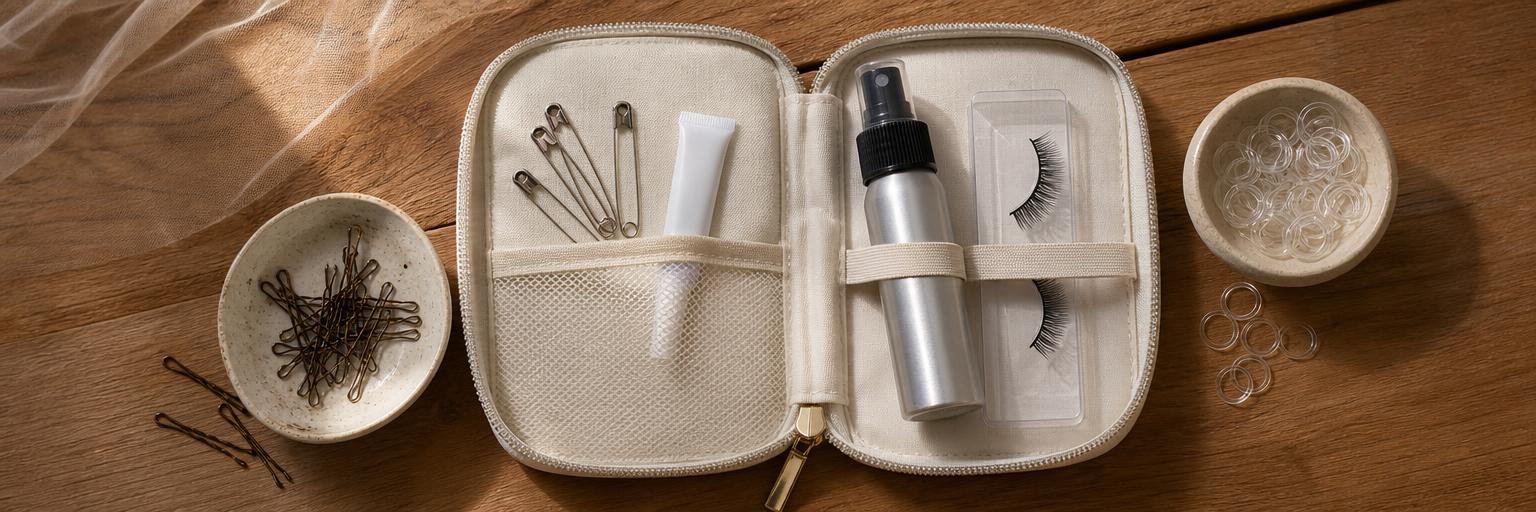
- Suspect the lash glue first if the reaction is around the eyes or lash line. The standard adhesive most kits include (Duo original) is latex-based, and latex is a common irritant, so switching to a latex-free clear brush-on adhesive fixes the majority of these reactions on its own. The one we would reach for is the DUO Brush-On Striplash Adhesive in Clear, which is formaldehyde- and latex-free, has a fine brush for a clean lash-line application, and runs about $7 (in stock at $6.99 straight from the maker, and on the shelf at most drugstores, Ulta, or Sally). One caution worth knowing: the Ardell LashGrip Clear that often gets recommended for this is actually latex-based, so it is not the switch you want for a latex reaction. We line up the safe options in the stage makeup review.
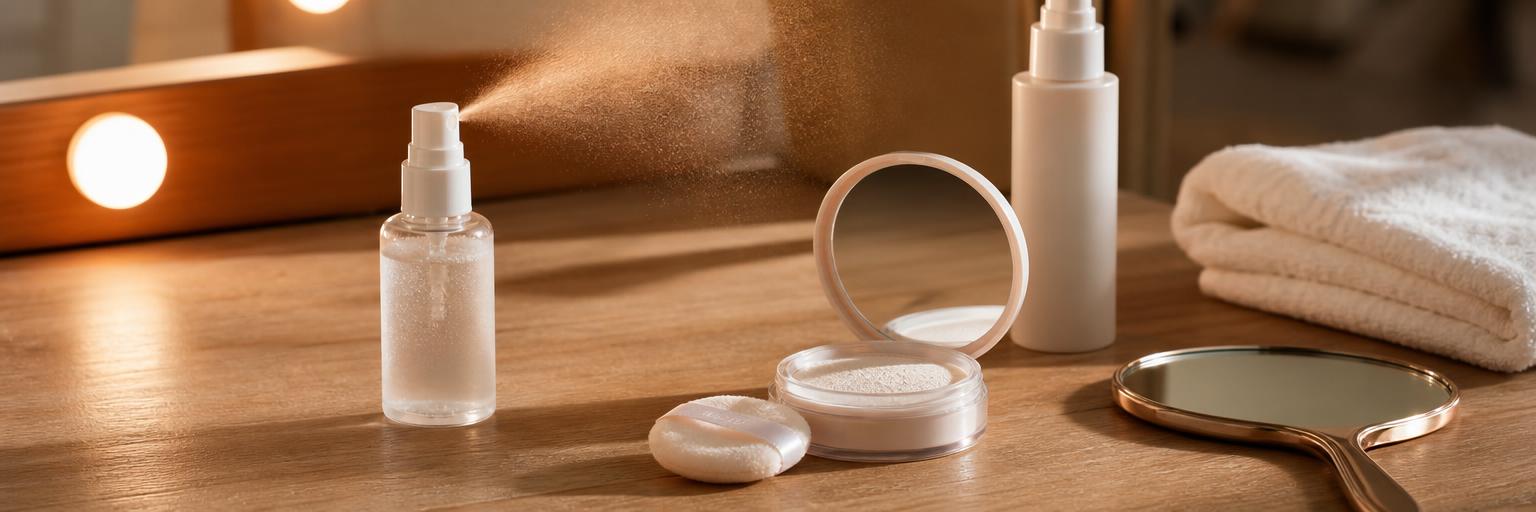
- If the skin itself reacts, move to fragrance-free and oil-free products and add a barrier layer underneath. Fragrance is a frequent culprit in face makeup, so cut it where you can, then lay down a skin-barrier layer before the makeup goes on. Mehron Barrier Spray (1 oz around $8.95, 2 oz around $13.95) is the dual-purpose pick worth carrying, since it shields reactive skin first and then helps set the makeup, so one small bottle does two jobs in the bag. For reaction-prone skin that bottle is also your setting step, so you do not need to add a separate sealer like Final Seal on top of it. If she also sweats through the makeup, the setting-spray answer walks the full powder-then-spray routine with the gentle Barrier Spray as the seal.
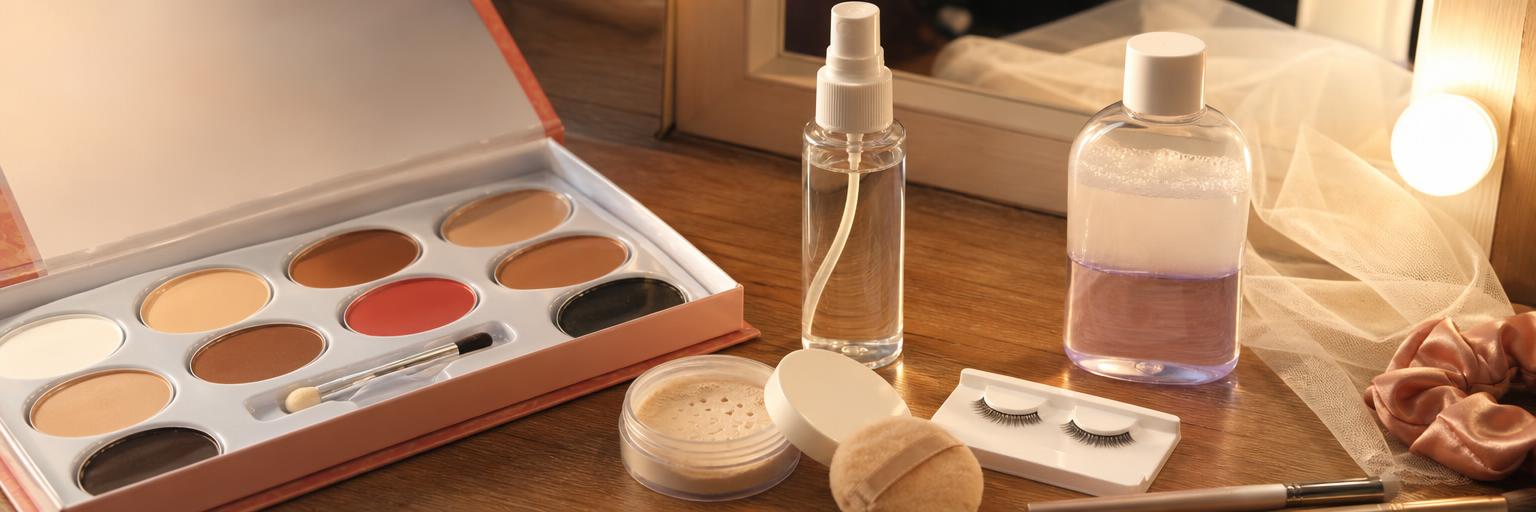
- Fix the removal step, because scrubbing is its own irritation. Dragging stage makeup off with a rough baby wipe inflames skin that is already sensitive, so use a gentle oil-free, fragrance-free remover and a soft cloth and let it lift the makeup instead of scouring it off. For a reactive face the two drugstore picks that consistently come off this safe are Neutrogena Oil-Free Eye Makeup Remover (around $7, fragrance-free, designed for waterproof eye makeup and lash glue residue) and Garnier SkinActive Micellar Cleansing Water (around $9, gentle enough for the rest of the face, no rinse). Soak a soft cotton round, press it on for ten seconds to dissolve the makeup, then lift, rather than wiping back and forth. This is the quiet half of the problem most people miss.
- Patch test on the arm and do a small test on the face a full week out, never on performance morning. Put a dab of every adhesive and every new product on the inner arm, and do a single-lash or small-area test on the face several days ahead, so a reaction shows up while there is still time to swap, not in the dressing room when the clock is running. Once you know which products she tolerates, pack the safe versions into the standing kit instead of restocking week to week; the performance makeup and hair emergency kit walks the two-lane setup (mandatory required products plus a backup pouch) so the latex-free glue and the gentle remover live in the bag permanently, not on next week's shopping list.
- If her eyes are the problem and the studio does not actually require lashes, skip them. Plenty of recital looks read perfectly well with liner and mascara alone, so when lashes are optional and her eyes react, the cleanest fix is simply to leave them out rather than chasing the perfect glue.
- When the number does require lashes and her eyes still react, change how the glue goes on before you give up on them. Most lash-glue reactions come from wet adhesive touching the eyelid and the waterline, not from the lash itself, so run a thin line of a latex-free clear adhesive along the lash band only, wait until it turns tacky instead of placing it wet, and set the band just above her own lash line rather than down on the waterline, which keeps the irritant off the skin that is reacting. If even that bothers her, pre-glued or self-adhesive strip lashes skip loose glue entirely and are worth a test well ahead of the show. And if nothing sits right, talk to the teacher rather than pushing through, because a studio will almost always accept a clean liner-and-mascara eye or a glue-free lash for a dancer with a real reaction over sending her on stage with swelling eyes.
Common mistakes
- Don't keep using the same latex glue and just hope it settles down. Reactions to latex tend to get worse with repeat exposure, not better, so swapping to a latex-free adhesive is the actual fix, not waiting it out.
- Don't troubleshoot on performance morning. The morning of a show is exactly when you have no time to recover from a fresh reaction, so every test belongs days earlier on the real child in the real products.
- Don't assume hypoallergenic on the label means reaction-proof. The term is loosely used, so a patch test still beats a claim on the box. Test it on her skin before you trust it on her face.
- Don't reach for a harsh oil-and-fragrance makeup wipe to take it off fast. The rough wipe and its fragrance can irritate as much as the makeup did, so a gentle oil-free remover and a soft cloth is the kinder end to the night.
Keep reading