Quick answer
How do I wash a dance costume
When the rhinestoned jazz costume came back from Saturday's comp smelling like backstage and hair spray, the next event is in 9 days, and the studio said wash gently but the care tag says spot clean only.
Quick read
Most competition costumes should be spot-cleaned only. Machine washing strips rhinestones and sequins. Spot clean decorated panels with a damp cloth. Hand wash undecorated fabric bodies in cold water if needed. Air dry flat or hanging. Steam from 4 to 6 inches on medium heat to remove wrinkles. Store hanging in a garment bag between events.
Gear for this situation
What to do
- Check the care label before doing anything else. It's usually sewn into an interior seam. 'Dry clean only' means dry clean only. Most professional competition costumes are not designed to be washed at home. If the label is missing or worn off, treat the costume as dry-clean-only as the safe default.
- If the label says dry clean only, don't just drop it at the corner cleaner. Standard dry-cleaning solvent can soften the glue under rhinestones and appliques, so a costume can come back with stones clouded, loosened, or gone. Call ahead and find a cleaner who specifically handles beaded, sequined, or theatrical and bridal pieces, and say up front that it is a stoned dance costume so they pick the right process or hand-clean it. Remove any detachable trim or accessories first, and take a quick phone photo of the full costume so you can show the original stone coverage if something comes back missing. For a costume that is only a little sweaty and not actually stained, careful spot-cleaning and airing at home is often safer than any solvent.
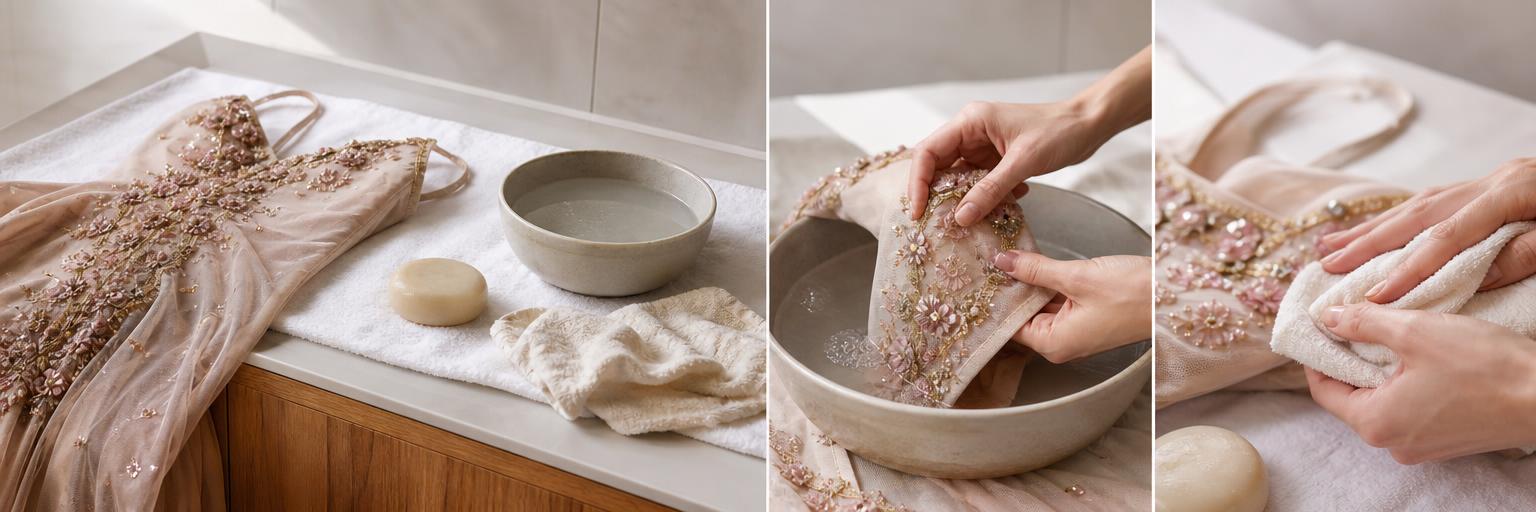
- Spot-clean rhinestones, sequins, and beaded panels with a damp cloth only. Never submerge decorated sections in water, soaking solution, or a sink. The rhinestones and sequins on competition costumes are attached with heat-set glue or hand-stitching, and water loosens both. Use a clean white cloth or cotton round dampened with cool water and a drop of gentle soap (no bleach, no alcohol-based cleaners, no stain spray directly on decoration). Dab, don't rub.
- Treat the two stains that actually show up, because on a dance costume it's almost always makeup or deodorant, not mystery dirt. Stage makeup transfers onto collars, straps, and high necklines every single performance, and foundation and lip color set into the fabric within a day or two, so blot the worst off the night of, then lift the rest with a little gentle dish soap worked into the plain fabric (never the decoration) using a soft toothbrush and cool water only, dabbing toward the center of the mark so you don't spread the ring outward. White deodorant and antiperspirant crust along the underarm seams is the other regular offender, and it comes off best with a dry makeup sponge or a balled-up nylon stocking rubbed gently over the mark before you add any water, since wetting it first sets the aluminum into a stiff gray patch that's much harder to shift. Whatever the stain, keep every product and every drop of water off the stones and sequins, and skip the heavy-duty or oxi stain removers on a colored costume, because they pull the dye and trade one small mark for a faded panel.
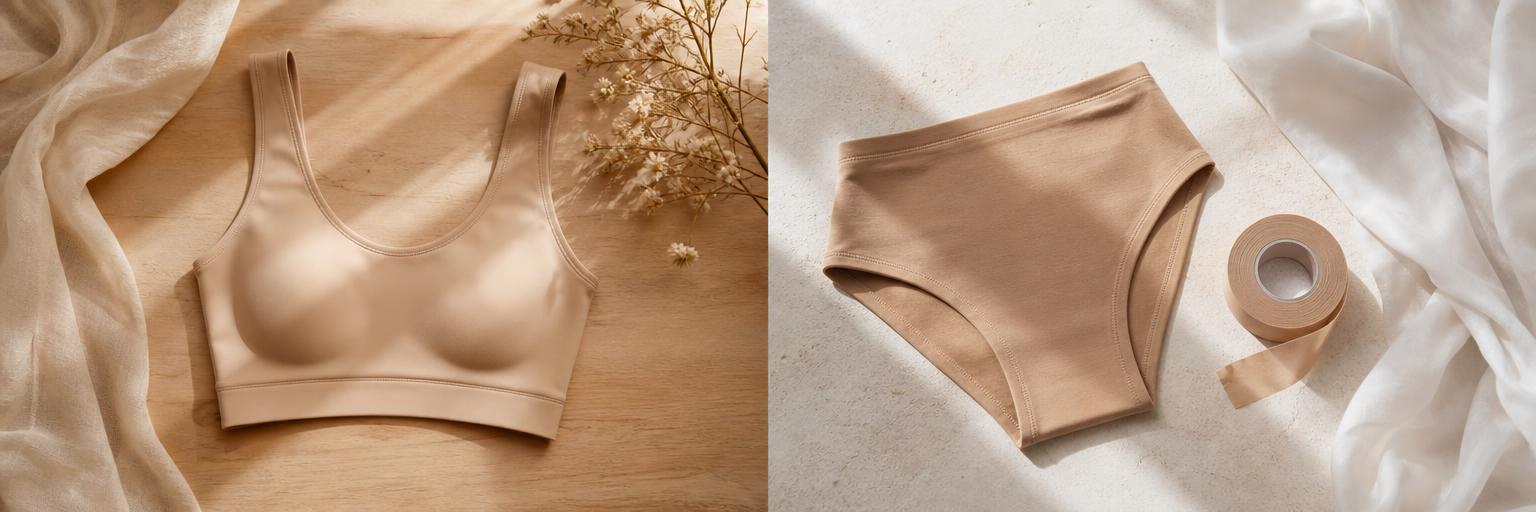
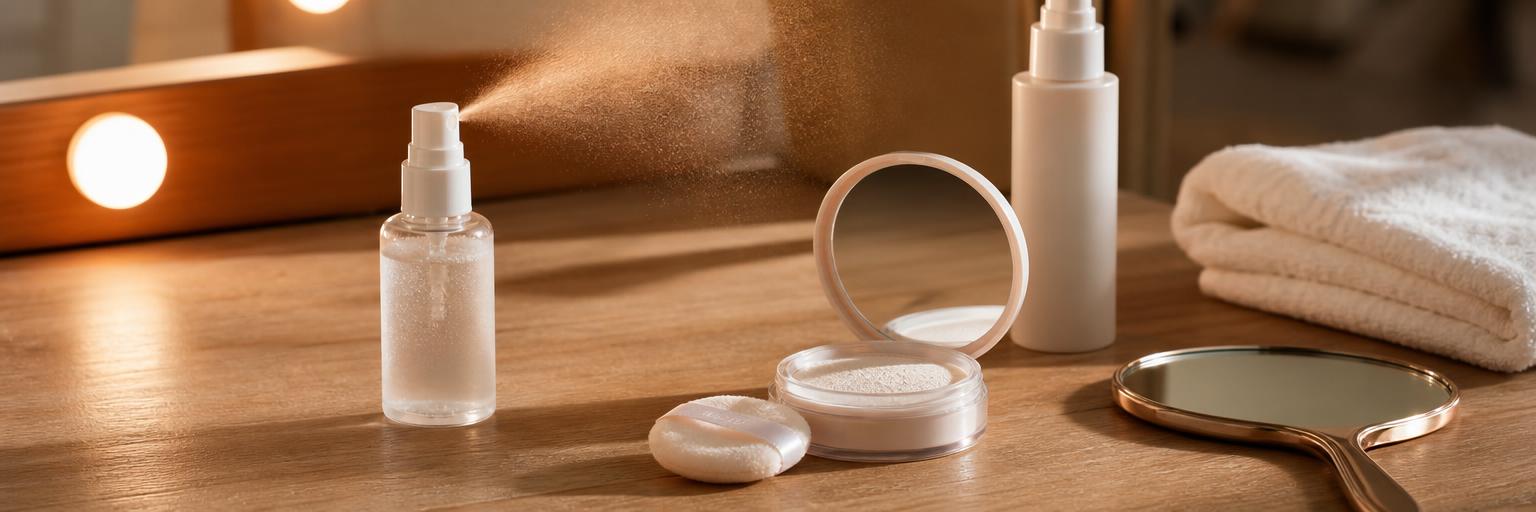
- The best way to wash a costume is to keep it from getting dirty, because the same two offenders show up every performance and both are easy to head off. Sweat and makeup barely need to touch the costume at all if she wears a skin-tone dance liner or a thin sweat-wicking camisole under it, since the liner takes the sweat and the makeup transfer and goes in the regular wash while the costume stays clean (the what to wear under a costume guide covers the styles that work). For the underarm seams, stick-on or sew-in garment shields catch antiperspirant before it can crust into the fabric. And the deodorant itself causes half the problem when it goes on wet, so put it on well before she dresses and let it dry fully, or keep it off the skin that meets the costume. On the makeup side, set her face with a setting powder or spray and save the neckline-grazing costume for last, so foundation is not rubbing off damp onto a collar you then have to treat (the setting spray that actually holds on a kid who sweats covers which formulas hold through six hours of routines without the white-cast or smear-onto-fabric problem). None of this is fussy once it is a habit, and it is the difference between airing a costume out and scrubbing a set-in ring the night before finals.
- Hand wash undecorated fabric sections if needed. If the bodice or shorts have a fabric panel with no decoration, those sections can be gently hand-washed in cool water. Support the weight of the costume so the decorated sections don't get submerged. A folded towel can be used to keep decorated areas out of the water while you gently work the fabric panels.
- Air dry flat or hanging: never use a dryer. Lay the costume flat on a clean towel, or hang it on a padded hanger. Heat from a dryer loosens rhinestone adhesive, shrinks synthetic fabrics, and can melt sequin coatings. Even a low-heat setting damages competition costumes over time.
- Steam (don't iron) wrinkles. Use a garment steamer from 4 to 6 inches away on medium heat. Never press an iron directly onto sequins or rhinestones: the heat melts the coating on sequins and will strip them from the fabric. If you don't have a steamer, hanging the costume in a bathroom during a hot shower removes most wrinkles within 15 to 20 minutes.
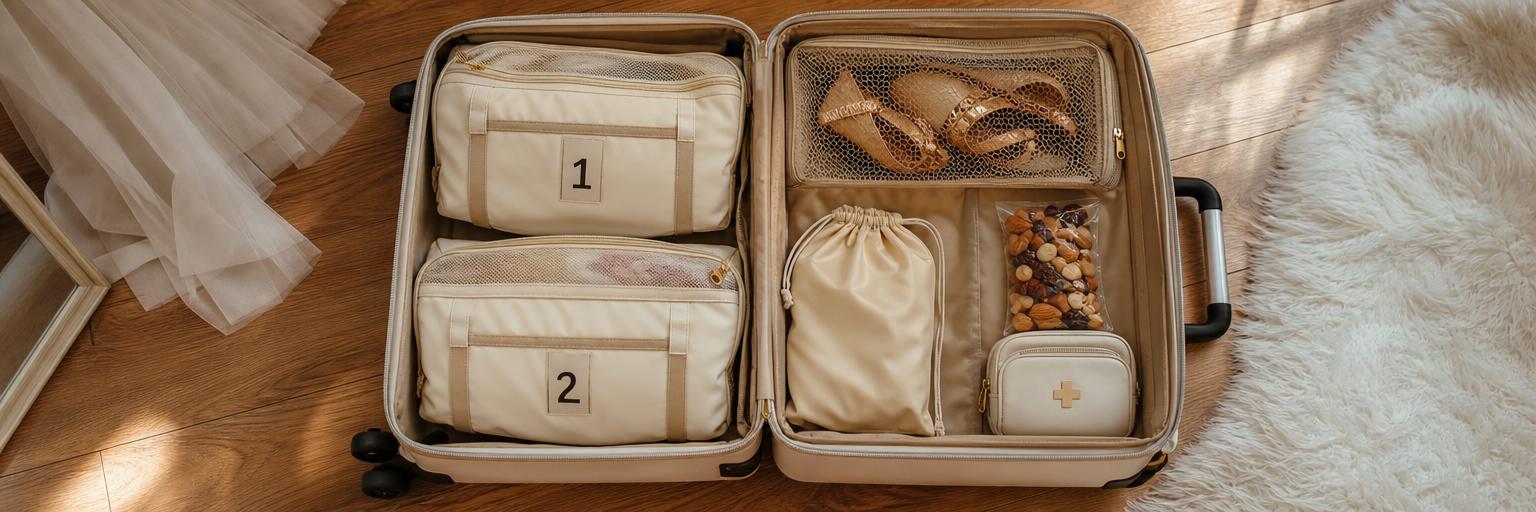
- Air out after every use before storing in a garment bag. Sweat and deodorant residue build up over a season and degrade fabric if stored without airing. Hang the costume in a ventilated space for several hours after a performance, then store hanging in a labeled garment bag. Fold-and-box storage traps moisture and creases decorated panels. And when airing alone doesn't clear the smell, use the wardrobe-crew trick: lightly mist the lining at the underarms and neckline with cheap vodka or a 1-to-1 mix of white vinegar and water, then let it dry fully in open air. It kills the odor bacteria and dries scentless with no rinse, which makes it safe on a costume you can't submerge. How to store costumes between events covers the rest of the between-event routine. And if a costume has been zipped in the garment bag for more than three or four weeks between events, give it a pre-event refresher even if she didn't wear it: hang it in open air for several hours the week before, run the vodka or vinegar mist on the lining if anything still smells, and steam any creases out 1-2 days before the show. A costume sitting in a sealed bag develops its own stale-fabric smell that the dancer notices in warmup and that nobody catches because everyone at home is used to it. Build that refresher pass into the same week as the competition weekend packing checklist, so the pre-event protocol runs all in one motion: refresh the costume, pack by number, and verify shoes on the morning of, instead of three separate scrambles in the same five-day window.
Common mistakes
- Don't machine wash a competition costume. Even on a 'gentle' or 'delicate' cycle, the agitation and spin cycle detaches rhinestones, warps sequin panels, and distorts stretch fabric. A single machine wash can permanently damage a $150 to $350 costume.
- Don't iron sequins or rhinestones directly. A flat iron or clothes iron pressed onto sequins melts the reflective coating and fuses the sequin to the fabric. Always use a steamer and keep it moving at a safe distance.
- Don't use bleach, alcohol-based stain remover, or acetone near any part of the costume. These strip dye from fabric and dissolve the adhesive on rhinestones. Even rubbing alcohol used on a rhinestone can cause it to fall off.
- Don't fold and box a damp or sweaty costume for storage. Moisture trapped in a sealed bag causes mildew and odor that are much harder to remove than fresh sweat. Air out fully before bagging.
Keep reading