Quick answer
How do I store dance costumes between events
When you walked in from Sunday's comp at 9:47pm with four costumes in garment bags slung over your shoulder, the next event is six weeks away, and you cannot tell if you should hang them out tonight or wait until morning.

Quick read
Hang them immediately and let them air out before sealing the bag. One labeled garment bag per costume, hung in a cool dry space, with its accessories tucked inside. Steam out any wrinkles before the next event using medium heat from several inches away. Don't fold anything with tulle, rhinestones, or beading.
Gear for this situation
What to do
- Hang costumes immediately after returning from the event. Don't let them sit folded or crumpled in a bag on the floor for days. The longer a costume sits compressed, the harder wrinkles and creases become to remove. As soon as you're home, pull each costume out, check for damage, and get it on a hanger. The hanger itself matters over a six-week gap: a thin wire hanger digs dents into the shoulders and can rust onto pale fabric, and a heavy stoned bodice hung by its own straps stretches them before the next event. Use a padded or wide plastic hanger, and if the costume has the small clear ribbon loops sewn inside the bodice, hang it by those loops so they carry the weight instead of the straps. That is what they are there for.
- Air them out before sealing the garment bag. Costumes absorb sweat, body spray, stage makeup residue, and aerosol products during a competition day. Sealing that moisture into a bag creates odor and, over weeks, fabric breakdown. Hang each costume in open air for 4-6 hours, or overnight, before returning it to the bag. A cool room with a fan moving air is better than a closet.
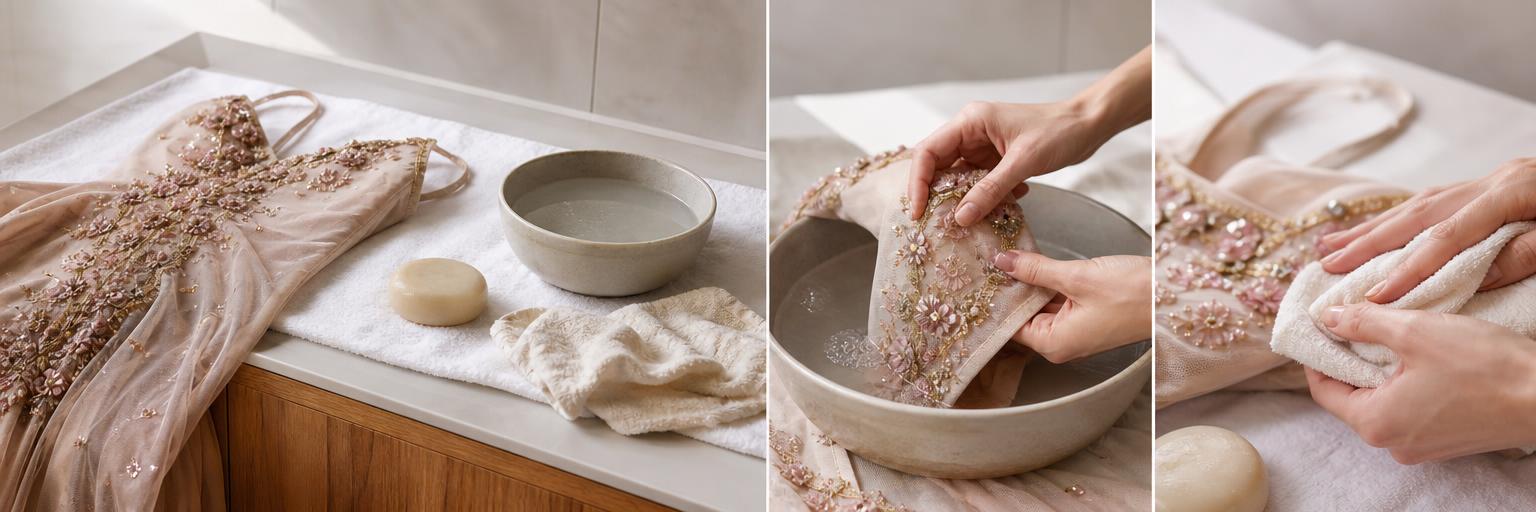
- Spot-treat a costume that still smells after airing, because airing dries the sweat but does not kill the bacteria behind set-in odor, and you are about to seal that smell in for weeks. You usually cannot wash a stoned or sequined costume, so borrow what theater wardrobe crews do and lightly mist the sweat zones, the lining under the arms and the neckline, with cheap vodka or a 1-to-1 mix of white vinegar and water from a spray bottle, then let it dry completely in open air. The alcohol or vinegar kills the odor bacteria and dries off with no smell of its own, no rinse needed. If a costume actually needs cleaning and not just freshening, read how to wash a dance costume before you do anything to it.
- Treat a multi-day competition as its own storage problem, because 'between events' most often means overnight in a hotel with the same costume due back on stage in the morning, and none of the home-closet advice applies. The second you are back in the room, get it on a hanger, the hotel's or one you packed, and hang it on the closet rod or the back of a door, not balled in the bag where the sweat sets and the creases bake in. It still needs moving air, so point the room air conditioner at it or hang it near the running bathroom fan, and turn it inside out so the soaked lining dries first. Give the underarms and neckline the same vodka or vinegar mist from the step above, since you cannot wash it and it has to be fresh in twelve hours. The one thing not to do is hang it in a steamy bathroom while someone showers, which is the opposite of drying it and the fastest way to seal in the funk for day two. A small travel steamer earns its space in the bag here, because the wrinkles you would normally hang out over a few days have to come out by morning.
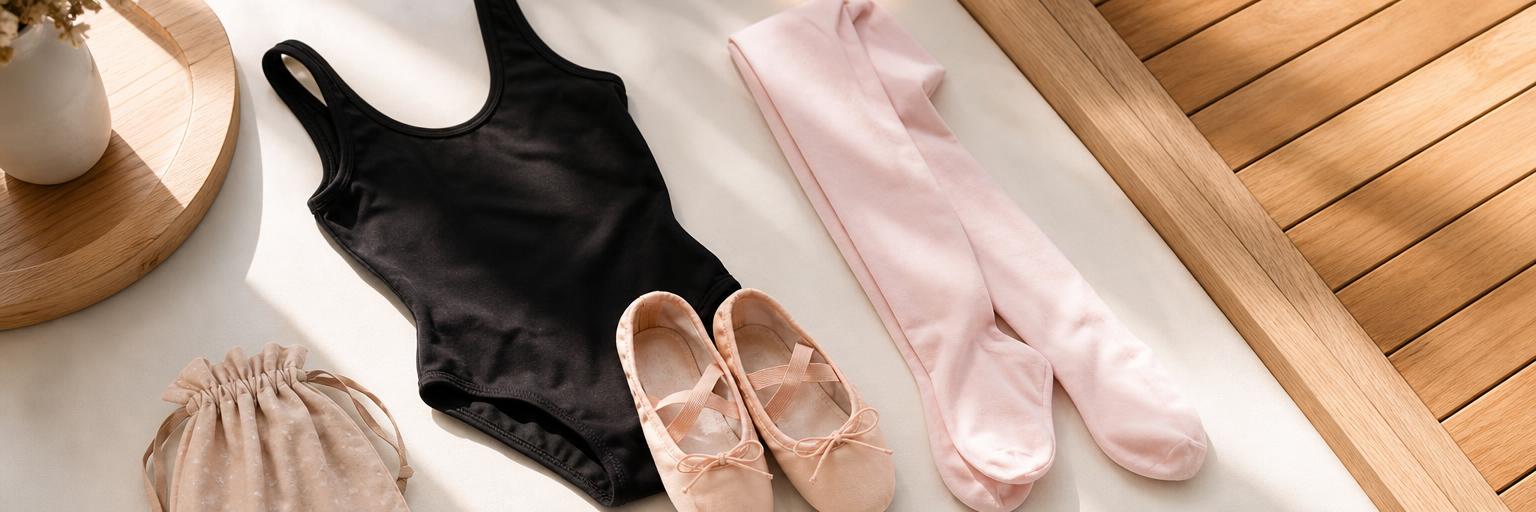
- Store each costume in its own labeled garment bag with all of its accessories inside. Tights, jewelry, hair pieces, and special shoes that belong to that number should live with that costume in the bag. Not in a separate pouch, not loose in the dance bag, not in a pile of accessories you'll sort out later. When you unzip the bag before the next event, everything is already there. The garment bags guide covers bags with enough pocket depth to keep accessories organized per costume.
- Hang the bags in a cool, dry, dark space. A climate-controlled closet or spare bedroom is ideal. Avoid: car trunks (heat and humidity fade colors, break down adhesive, and bake in odors), garages without climate control (same problem), and cramped closets where the costumes are pressed flat against a wall (creates creases in structured costumes and crushes tulle).
- Steam before the next event, not after. A handheld fabric steamer on medium heat, held 4-6 inches from the fabric and moved in slow passes, removes wrinkles from most costume fabrics without damaging embellishments. Do this 1-2 days before the event, not the morning of. This lets the fabric relax and dry completely. Steam from a safe distance on rhinestones, sequins, and glued trim, because direct close heat melts adhesive. Never use an iron directly on any embellishment.
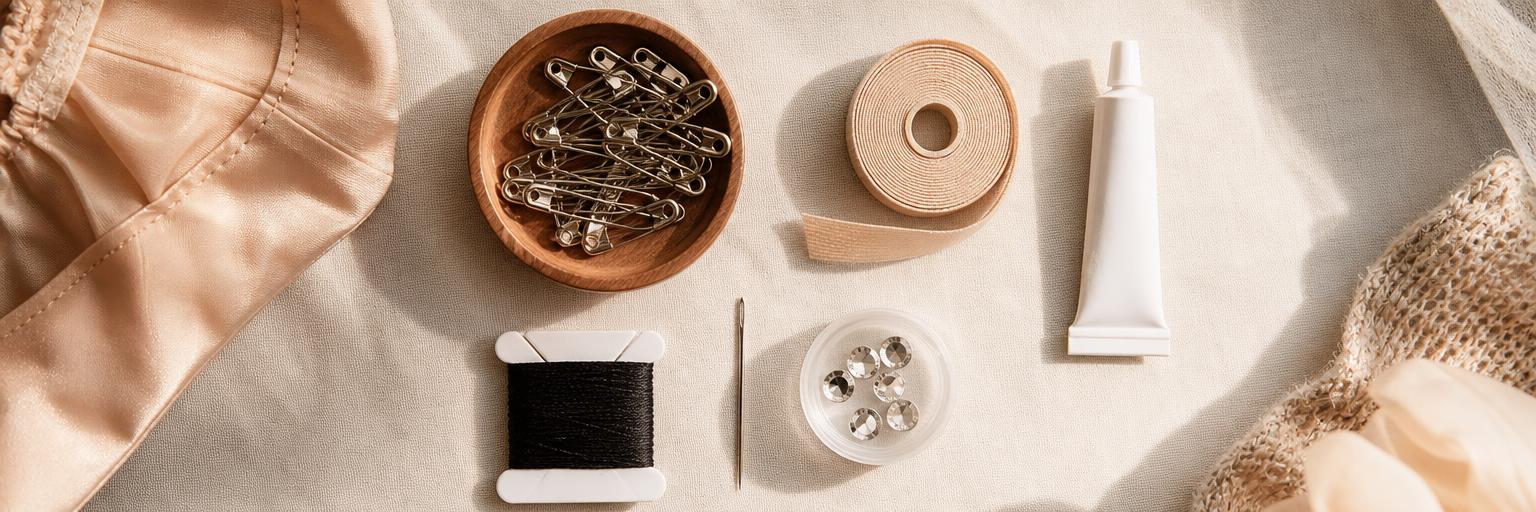
- Inspect before each event, not the morning of. Open the garment bag 2 to 3 days out. Check for: loose rhinestones or sequins, detached trim, missing accessories, runs in costume tights, and any smell that means the fabric wasn't aired properly. A loose rhinestone before the event is a 5-minute fix. Discovering it 45 minutes before your dancer goes on stage is a different problem. Keep a small rhinestone repair kit in the dance bag with the two items that actually work: E6000 craft glue (the standard for re-setting stones, holds through sweat and movement) and a fabric-specific glue like Aleene's Fabric Fusion for tears or detached trim. Order replacement stones in your team's most-used costume colors so a missing one matches. The full repair-in-the-moment playbook for the breaks you find under deadline (peeled trim, broken snaps, dropped hems, popped zippers, headpieces that won't stay) is in what to do when a costume piece breaks backstage.
- Store a costume going away for the season differently from one between competitions. A costume put away for months, saved for a younger sibling, kept as a keepsake, or held for next year's team, needs a real clean first, not just an airing. The sweat and body oil that look invisible the night of the recital oxidize over a long storage and surface as yellow-brown stains that were not there when you packed it, and that dried sweat is exactly what feeds the moths and silverfish that chew holes in tulle and trim in a quiet closet. So before long-term storage, get the costume actually clean within what the fabric can take (read how to wash a dance costume first), make sure it is bone dry, and keep it in a breathable cotton garment bag or wrapped in acid-free tissue, never sealed plastic, somewhere cool and dark. A few cedar blocks in the closet handle pests without the chemical smell mothballs leave in the fabric. If the long-term plan is a sale rather than a sibling, buying and selling used comp costumes walks the resale-value half of the same skill: the same clean-bag-and-keep-every-piece routine that protects it for storage is what gets a costume to 60 percent of retail next June instead of 30 percent.
Common mistakes
- Don't fold costumes with tulle, rhinestones, or beading for storage. Tulle creases along fold lines and doesn't release with steaming. Rhinestones and sequins pop off along fold lines when the fabric is compressed repeatedly. Hanging is the only safe storage format for a costume that needs to look stage-ready at the next event.
- Don't store in sealed plastic bags or airtight containers. Fabric needs to breathe. Sealed storage traps residual moisture from sweat and hairspray, which creates mildew, odor, and fabric breakdown over weeks. Garment bags with a breathable fabric panel (versus a sealed plastic bag) are the right format.
- Don't iron directly on sequins, rhinestones, or glued trim. A direct iron press on any heat-sensitive embellishment melts the adhesive or the decoration itself. If a section of costume needs pressing, use a pressing cloth and the lowest iron setting, or better, use a steamer from a safe distance and let the fabric hang out the wrinkle on its own.
- Don't leave condition checks until competition morning. A missing accessory, a detached trim strip, or a broken zipper found at 5am in a hotel room when your dancer goes on at 7:30am is an actual emergency. Finding it three days before is a 20-minute fix. Build the pre-event inspection into the prep routine two to three days out, not the day of.