Quick answer
What do I need for my child's dance audition
When the studio's competitive team audition is next Saturday at 10am, the email said 'come in audition attire' with nothing else, and your dancer's everyday class clothes look beat after a full season.
Quick read
Read the audition notice first. It usually specifies dress code, shoe requirements, and hair. If it doesn't, the safe default is clean form-fitting class attire in a neutral color plus current class shoes (not new ones). Don't buy new gear for an audition. Breaking in new shoes hurts and distracts. Pack a small bag with shoes, water, a snack, and hair supplies. Arrive 10-15 minutes early so the dancer can warm up and settle before they're called in.
Gear for this situation
What to do
- Read the audition notice carefully before buying or packing anything. Most studios and programs specify the dress code, required shoes, and hair expectations in the notice. If you don't have a notice, ask the studio directly before assuming.
- Decode what kind of audition it is, because the format decides whether your dancer prepares for weeks or just shows up ready to move. Most studio and team auditions are a combination taught on the spot, usually a short barre or center sequence plus an across-the-floor, so there is nothing to rehearse and what gets tested is how fast she picks up choreography and commits to it full-out. A smaller share, more often school dance programs and company or conservatory tryouts, ask for a prepared solo or a set variation, and that is weeks of work rather than a weekend, so you need to know it early. If a solo is required, bring the music downloaded onto a charged phone or device (not streaming on venue wifi, which drops at the worst moment) plus a backup copy on a second device. And ask whether there is an improv portion, because a dancer who has never improvised tends to freeze when a panel says 'now just move,' and a couple of living-room run-throughs beforehand takes that fear off the table. If the notice is vague about format, that is the first thing to ask the studio, ahead of any question about what to wear. For your own studio's annual placement audition specifically (the one that decides which team or level she lands on next year), the studio placement audition deep-dive goes further on what the placement panel is actually evaluating versus what they'll tell you.
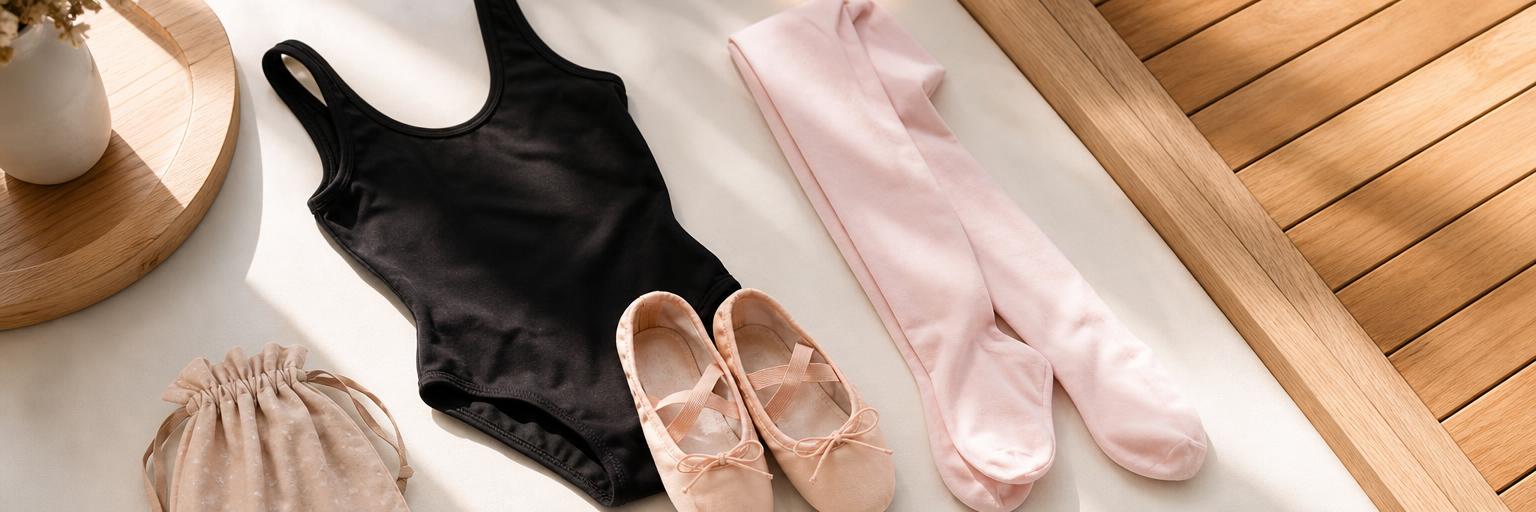
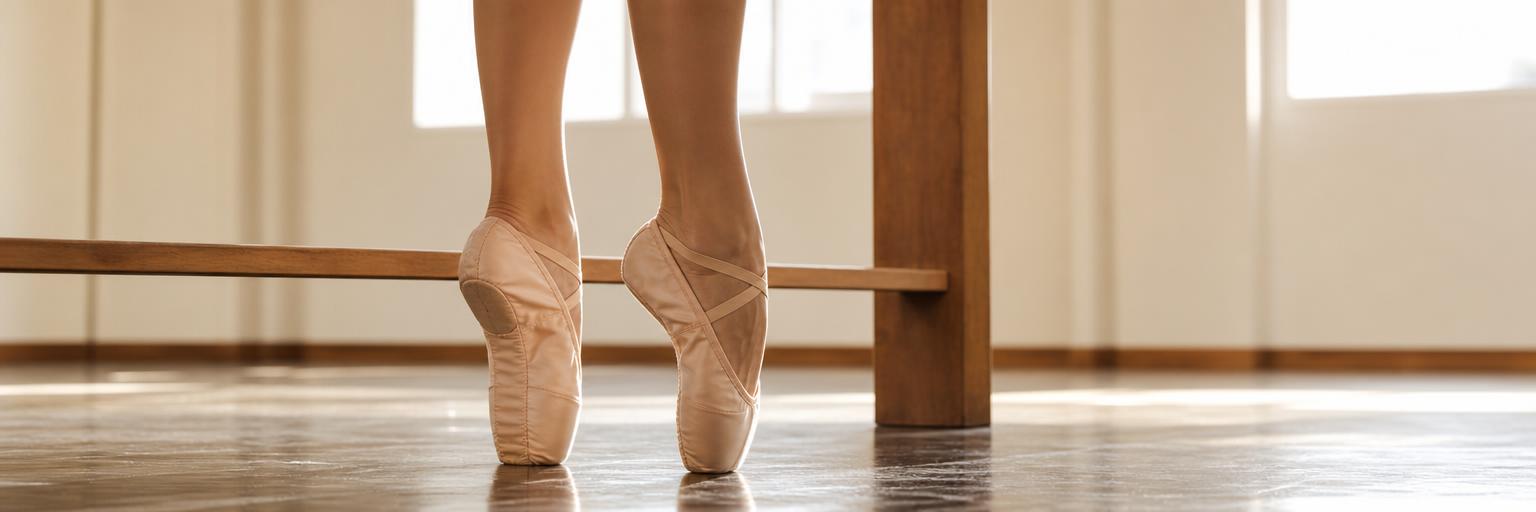
- Bring your child's current class shoes in every style required, not new shoes. A dance audition is not the time to break in new footwear. New shoes can cause discomfort, blisters, and distraction. The audition evaluators are watching the dancing, not the shoes.
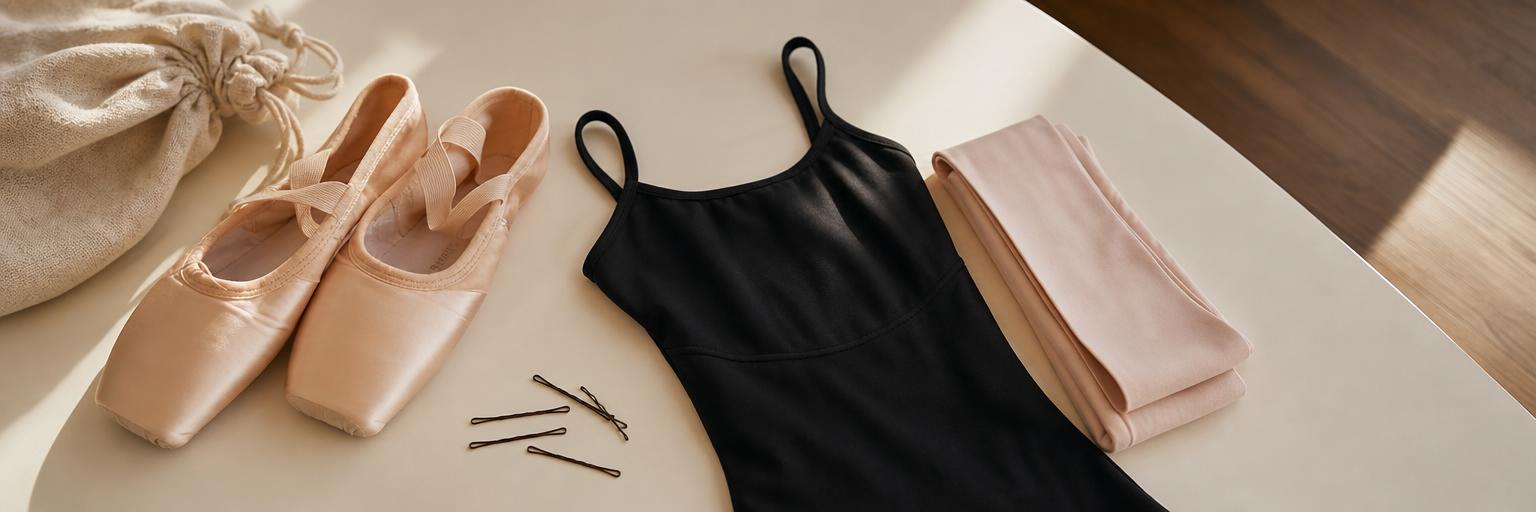
- If the notice doesn't specify a dress code, default to clean, form-fitting class attire in a neutral color (black, navy, or the studio's usual class color). Avoid busy prints, logos, or anything that could distract from the movement. A clean, neat look says she took the audition seriously without overdressing, which is the impression the panel makes before she has danced a step.
- Hair should be neat and pulled completely away from the face. For ballet auditions, a secure bun is usually expected even if not specified. For jazz, tap, or hip-hop auditions, a ponytail or bun both work. And a bun that survives a full audition class is built, not just sprayed: skip the morning shampoo (day-old hair grips, freshly washed hair slides), build it over a donut with a strong elastic, anchor it with bobby pins crossed in an X rather than pushed straight in, then cover it with a matching net and lock it with firm-hold spray. A bun that sags halfway through the combination becomes the thing she fidgets with in front of the panel. The dance hair kit guide covers the donuts, strong pins, and nets worth keeping in the bag.
- Pack a small, simple dance bag: shoes in a bag (not rattling loose), a water bottle, a small snack for after, extra hairpins and a travel-size hairspray, and a spare hair tie. You don't need a full competition bag. A clean, organized bag that gets the dancer in and out quickly is the goal.
- Arrive 10-15 minutes early so the dancer has time to change shoes, use the bathroom, and take a few deep breaths before being called in. Auditions often run on tight schedules. Rushing in at the last minute adds stress and means the dancer starts cold.
- Use that early arrival to actually warm the body up, because plenty of auditions drop a dancer straight into across-the-floor with no plie or tendu to ease into, and a panel watching her turn and jump on cold muscles sees a weaker dancer than she is, on top of the real risk of a pulled muscle. She does not need a full barre. Five or ten minutes in a corner of the lobby or hallway does it: roll the ankles and articulate through the feet, a few slow plies and tendus, an easy hamstring and hip stretch, then a couple of releves and small jumps to wake up the push. The goal is to be warm and loose the moment her number is called, not saving herself for the room, because the dancer who walks in already moving full-out is the one who lands the first combination clean.
- Coach the one thing the panel actually scores, which is how she handles a mistake, not whether she makes one. An audition tests whether a dancer can pick up choreography quickly, take a correction without crumbling, and keep dancing full-out when she blanks on a step. Tell her ahead of time that everyone forgets a combination at some point, and the kids who stand out are the ones who keep their face up, find the count, and jump back in instead of stopping to apologize. A dancer who smiles through a stumble reads as coachable and confident, which is exactly what a team or company wants. That mindset helps her more on the day than anything in the bag, and the what to do when you forget choreo onstage walkthrough is the same script written in the dancer's voice so she can rehearse it in her head on the drive over.
Common mistakes
- Don't buy new dance shoes, a new leotard, or a new outfit specifically for the audition unless the notice explicitly requires it. New gear introduces fit risk and break-in discomfort. Worn-in class gear that fits well is always a better choice than something brand new.
- Don't ignore the dress code even if it feels minor. Wearing the wrong color, the wrong shoe style, or loose street clothes when form-fitting attire was specified communicates inattention to instructions. That impression starts before the dancer steps into the room.
- Don't pack a large bag or bring a lot of people. Competition-style team auditions and school dance program auditions often have limited lobby space. One parent, a small bag, and a calm check-in makes a better impression than arriving with a crowd and a full competition kit.
- Don't arrive exactly on time. Most audition check-in windows close 5 minutes before the audition starts. Arriving exactly at the start time means rushing, skipping a warm-up, and starting at a disadvantage.