Quick answer
Should I buy dance shoes at the studio store or online
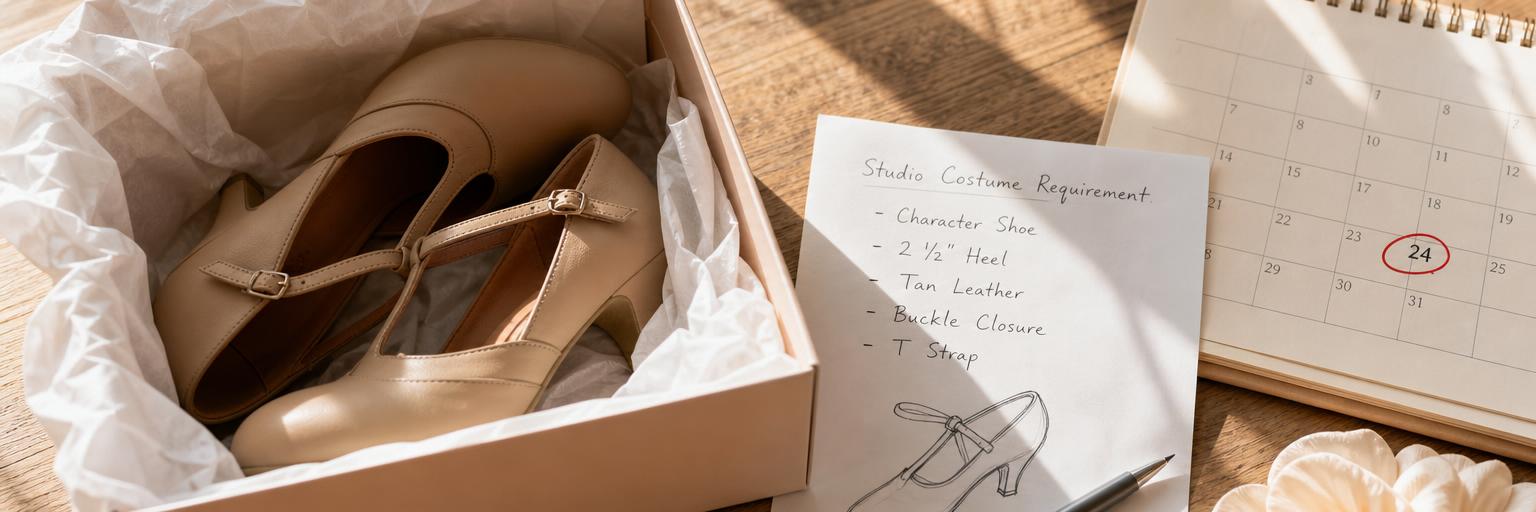
When the studio boutique has the required Capezio jazz shoe for $48, Amazon has it for $29, and you cannot tell if the $19 gap pays for the fit help she actually needs.
Quick read
For a first-time fit in a shoe style you've never bought, the studio boutique is worth the premium. Trained staff know brand-specific sizing quirks and can check the fit on a moving foot. For reorders of a known size and model, a dance retailer (DancewearCorner, Discount Dance) with a confirmed exchange policy is usually the better route. Amazon is last resort for dance shoes: no sizing help, inconsistent returns by seller, and documented counterfeits on name-brand dance shoes.
Gear for this situation
What to do
- For a first-time fit in a shoe style your dancer has never worn: go to the studio boutique first. Staff there fit dancers every day. They know that Capezio character shoes run narrow, that Bloch ballet slippers size down 1 to 2 full sizes from street, and that the same foot can be two different sizes in different brands. That knowledge saves a wasted order. The boutique price is usually within $5 to $15 of online for required items. The fit certainty is worth that.
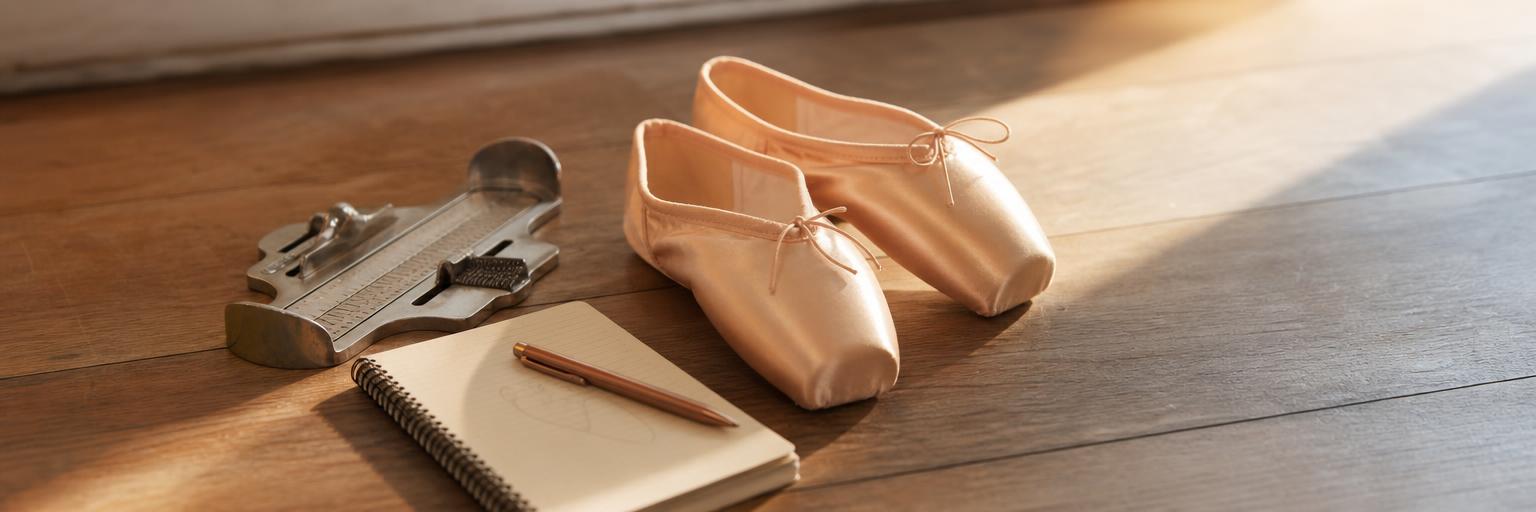
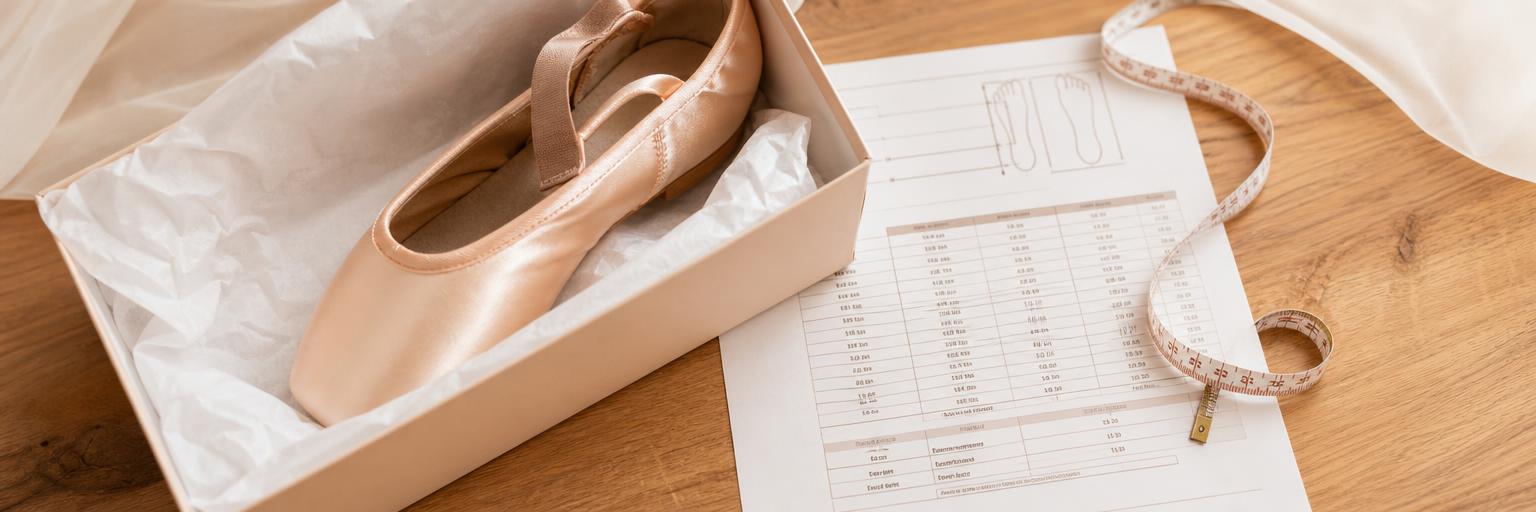
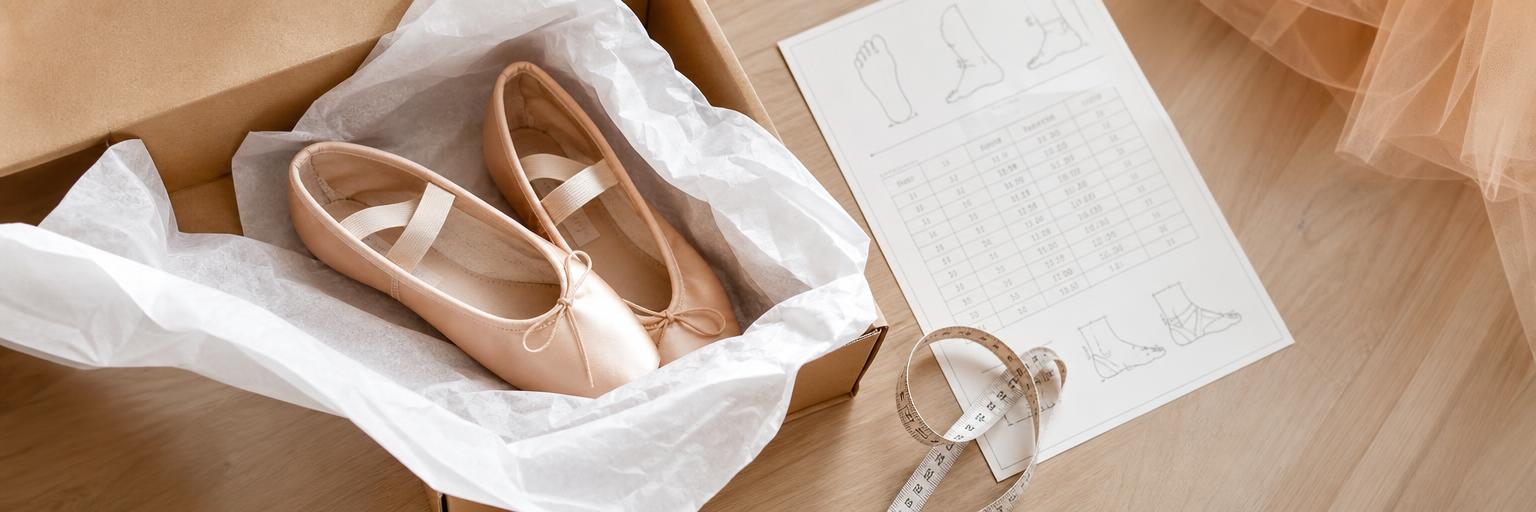
- If your studio does not run a boutique, and plenty do not, the fit-certainty step does not disappear, it just moves. For a first-time fit, a local dancewear shop that measures and fits in person is the direct substitute, so call ahead and ask whether they stock the required brand and style and whether someone on the floor actually fits dancers. When there is no fitting shop within reach, you can recreate most of that certainty online by tracing the dancer's foot on paper and measuring it against the specific brand's own size chart, not a generic one, because Capezio, Bloch, and So Danca all size differently. Then order a single confirmed size rather than a bracket of three to send back, and buy only from a seller whose return window is open on that exact item. The goal online is one informed order you can return, not a guess. Our shoe fit finder shortcuts the chart work: it takes her street size and returns the brand-correct starting size for Capezio, Bloch, and So Danca by shoe style, which is the number that single confirmed order should start from.
- If the studio boutique doesn't carry the required style, is out of your size, or isn't convenient: the brand's website is the best first stop online. Brand direct has the widest color and size selection, the most current sizing charts, and usually the clearest return policy. Read that return policy before you add to cart: Capezio direct offers 30-day returns; Bloch direct charges a return shipping fee and marks items 20% off or more as final sale.
- For reorders of a shoe your dancer already owns in a known size: any dance-specific retailer works. DancewearCorner and Discount Dance carry most major brands, have exchange policies for unworn shoes in original packaging, and typically ship within 1 to 3 business days. The main reason to buy from a retailer instead of brand direct on a reorder is price. Retailers often run sales the brand website doesn't match.
- To stretch the budget on a fast-growing dancer, the cheapest route is often a shoe someone already outgrew, but it only works for the right kind of shoe. A studio resale rack, a team hand-me-down, or a local dance swap can put a barely-worn character, tap, or jazz shoe on her foot for a few dollars, and those styles take a second owner fine as long as the leather is not cracked, the sole is not worn thin, and the shoe was not broken down hard to the first dancer's foot. The shoes to never buy used are ballet slippers and pointe shoes, because both shape and break down to one specific foot. A slipper's elastic and sole mold to the first wearer, and a used pointe shoe is a genuine injury risk because the shank and box are already dead; the pointe shoe buying risk walkthrough covers why used pointe is the one shoe never to buy, the counterfeit and dead-stock traps on marketplace listings, and what makes a fitter-confirmed reorder different. Size a secondhand pair against her actual foot the same way you would a new one, since a hand-me-down marked her size can still be a different brand's size, and wipe anything secondhand down before the first wear.
- For an urgent replacement (recital week, competition weekend): call the studio boutique first to confirm the size is in stock before driving over. If it's not there, check dancewearcorner.com or discountdance.com for the fastest shipping option available. Check the order cutoff time, not just the shipping speed: a 2-day shipping option that closes at 2pm doesn't help if you're placing the order at 4pm. The full dance recital shoe shopping on a deadline walkthrough covers the guaranteed-by-date shipping windows, the local-store call sequence, and the borrow-from-a-teammate route when no online order will land in time.
- For dance tights, accessories, and non-shoe gear: online is usually the better route. Boutiques carry limited color ranges, and exchanges for the right tights shade are harder in person than online. Confirm the retailer's exchange policy for tights before ordering: some require original sealed packaging for exchanges on hosiery.
- Check whether the studio requires a given item to come from its boutique or one named vendor before you compare prices at all. For everyday class shoes you almost always have a free choice of where to buy, but team and competition pieces are often locked to one source so the whole group matches, same dye lot on the tights, same exact model and finish on the shoes. An identical shoe bought cheaper somewhere else can still leave your dancer out of uniform if the studio specified the vendor. When an item is on the team requirement sheet, confirm the purchase channel is open before you shop it on price.
- Before you buy anywhere: confirm the required shoe is still the right shoe. If your dancer's dress code changed, if they moved up a level, or if the teacher made a new specification at the last class, buying the old required shoe is the same mistake whether you make it at the boutique or online. Check the current requirement before you pay.
Common mistakes
- Don't assume the studio boutique is the expensive option. For required dress-code items, boutiques often buy in volume and price competitively. The advantage of a boutique isn't price. It's that the staff can confirm the fit in real time. The disadvantage is limited selection and sometimes final-sale policies on boutique-branded items.
- Don't buy dance shoes from an Amazon third-party marketplace seller for a first fit. Amazon's return policy for Prime-eligible items from Amazon itself is generally fine, but marketplace sellers have inconsistent return terms, sizing guidance is absent from most listings, and counterfeit name-brand dance shoes (Capezio, Bloch) have been documented in Amazon's marketplace. For accessories (hair pins, Body Glide, Compeed), Amazon is fine. For fitted shoes on a first-time purchase, it's not.
- Don't let the studio boutique's convenience remove your ability to exchange. Some studio boutiques mark worn or tried-on shoes final sale once they leave the store, even if they were only on the foot for a few minutes. Ask the exchange policy before the shoe goes on the foot. A boutique that won't exchange a mispriced fit is worse than ordering online from a retailer that will.
- Don't skip the fit test because you're ordering a reorder. Growing feet can be a full size different from six months ago, and dance shoe brands occasionally change their lasts between production runs. 'Same shoe, same size' is usually correct, but always test on a hard floor before the first class and start an exchange within 24 hours if something is off.