Quick answer
My child's tap shoes are squeaking
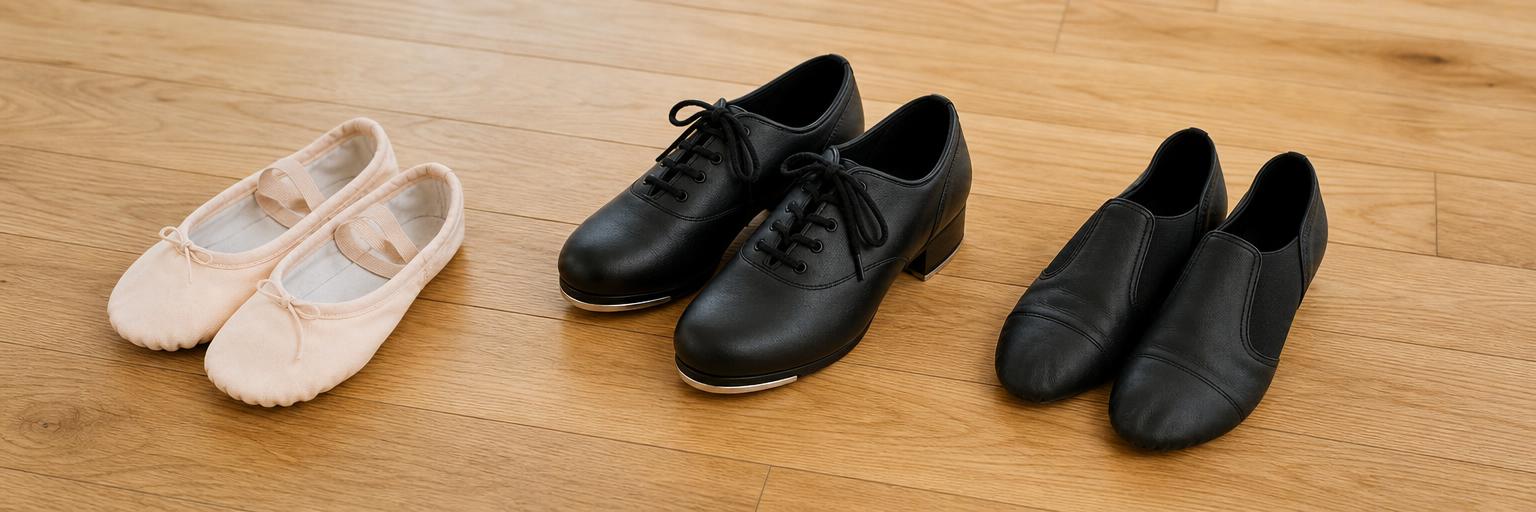
When her Bloch Techno tap shoes started squeaking on the kitchen floor this morning, tap class is Thursday at 5pm, and you have a screwdriver but no idea which screws are the right ones.
Quick read
Tap shoe squeaking almost always has one of two causes: a loose screw under the tap plate, or the tap plate starting to lift from the sole. Both are diagnosable in under two minutes. A loose screw is a 30-second Phillips-head fix. A tap that's lifting at the heel is a cobbler or replacement situation. The squeak you can't fix at home after tightening screws is the one to take to a professional.
Gear for this situation
What to do
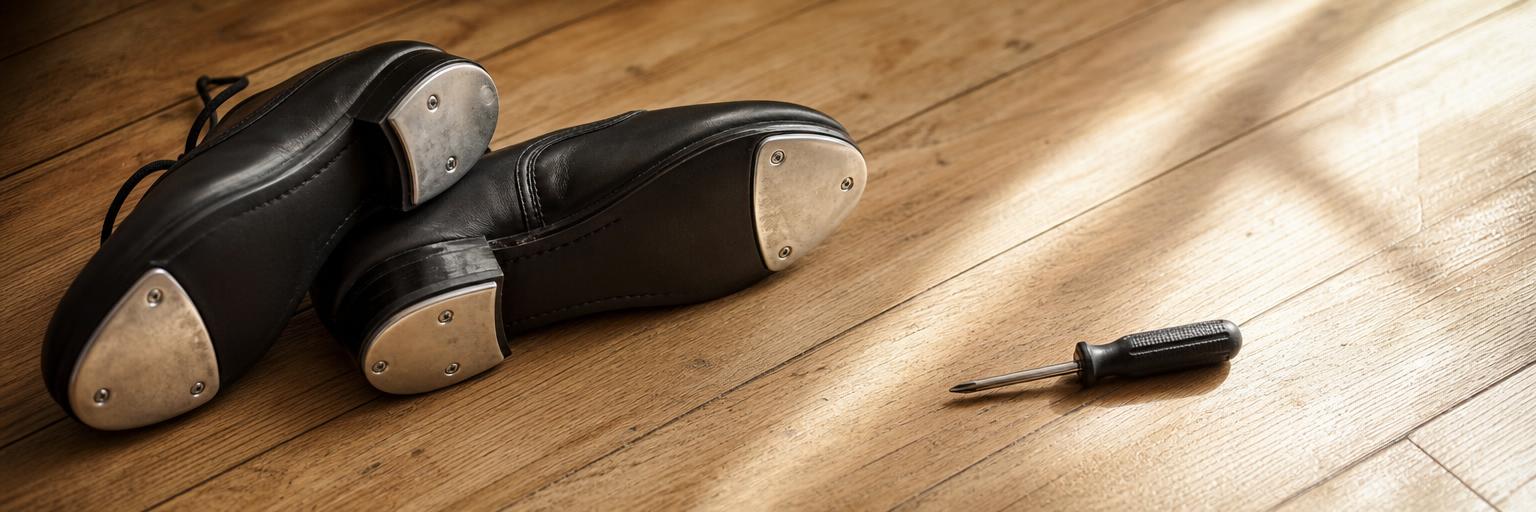
- Check the screws under both taps first. Tap shoes have 4-6 screws per tap plate that secure the metal to the sole. A loose screw creates a small gap that makes a squeak on every strike. Flip the shoe over, look at the tap screws, and wiggle each one gently. Any screw with visible movement is the culprit. A small Phillips-head screwdriver in the dance bag solves this at the studio in 30 seconds (specifically a PH00 or PH0 precision driver, the size in an eyeglass-repair kit, since a standard household Phillips is usually too big for tap-shoe screws and strips the head).
- Tighten loose screws snug, not cranked. Snug means flush and secure without forcing. Over-tightening strips the screw hole in the sole, which makes the problem permanent. Turn clockwise until the screw seats firmly, then stop. If a screw spins freely without ever seating, leave it. A stripped screw hole is a cobbler fix, not a DIY fix.
- If a screw keeps backing out after you tighten it, the impact is vibrating it loose, and the fix is a drop of removable thread-locker, not a new pair of shoes. Use the blue removable Loctite (the 242 is the common one), never the permanent red. Back the screw most of the way out, put one small drop on the threads, and seat it snug. Removable thread-locker holds the screw through hours of tap impact but still lets you or a cobbler back it out later. This is the standard fix for the screw that loosens every single week. Only if even thread-locker won't keep it seated is the hole in the sole actually worn out, which is the replacement-or-cobbler call below.
- If all screws are tight and the squeak continues: the sound may be coming from the heel tap area. Check whether the heel tap has a lifted edge at the back. A tap that's started to separate from the sole will squeak on every step and eventually detach mid-class. This is a cobbler or replacement situation, not a screw issue.
- Figure out whether the squeak happens on the strike or between strikes, because that tells you whether it is even a hardware problem. A squeak right when the tap hits the floor is metal, so it is the screws or a lifting tap edge you just checked. A squeak that shows up on the roll-through or the step between taps, when the metal is not striking, is usually not the hardware at all. It is the shoe itself flexing, which means a leather sole or insole shifting against itself, a tongue or strap rubbing, or a sole that picked up moisture sitting in a closed bag. Those quiet down with drying the shoes fully out of the bag overnight and a light dusting of talc or a wipe of leather conditioner right where it rubs, none of which a screwdriver touches. So before you keep cranking screws that are already snug, listen for when in the step the sound happens, because a flex squeak and a strike squeak send you to two completely different fixes. The dance shoe care and cleaning routine covers the after-class airing and the leather-conditioning cadence that keeps a flex squeak from coming back next week.
- Before you blame the shoe at all, check whether the squeak follows the floor. A tap squeak that only shows up in one studio or one room and goes quiet the moment she taps somewhere else is almost never the shoe. Freshly waxed, sealed, or just-mopped floors, and some rubber or composite surfaces, make a perfectly tight tap plate chirp or grab. The quick test is to have her tap the same step on two different floors. If it squeaks on one and stays silent on the other, stop chasing screws, because the shoe is fine and the floor is doing it. Mention it to the teacher, since a studio that just resealed its floors usually knows the squeak will settle as the finish cures and the surface scuffs in.
- Break-in squeak is real but short. New tap shoes can produce a soft, inconsistent squeak for the first 2-3 wears as the sole and tap settle. This is different from a sharp, consistent squeak that starts after the shoes have been used for weeks. That's a screw or separation issue, not break-in. The full tap-specific break-in protocol (and the trick of working the sole by hand to speed it up) is in how do I break in new dance shoes.
- Know when to replace instead of repair: if the same screw re-loosens every week, the leather sole has worn through near the screw holes, or a tap is visibly bent or cracked. A tap that detaches mid-class is a fall risk. Don't wait for it. And if you're weighing a tired pair against those signs and genuinely can't decide, our replace-or-not check has a tap-specific path that sorts routine maintenance from a done shoe in under a minute.
Common mistakes
- Don't use tape to hold down a loose tap. Tape doesn't survive tap impact and leaves residue that makes the shoe harder for a cobbler to repair later.
- Don't try to bend or reshape a tap plate at home. Taps are machined metal meant to sit flush on a specific sole profile. Bending them without the right tools damages the shoe irreparably.
- Don't ignore a persistent squeak. A loose screw is easy. A separating sole that goes untreated for a full season is not. It gets worse with every class and eventually becomes a replacement, not a repair.
- Don't assume a squeak means the shoes are broken. Most tap shoe squeaks are a 30-second Phillips-head screw fix. Check the screws before you order a new pair. If a screw check, a thread-locker pass, and a different floor still leave the noise, the question shifts from this article's hardware diagnostic to the broader my child's dance shoes are wearing out too fast walkthrough, which sorts the wear-rate signals from fit problems and from outdoor wear so the next call is replace, refit, or change-the-routine rather than another screw turn.