Quick answer
What does my child need for their first jazz class
When jazz class is starting and you need to know which kind of jazz shoe is correct for a beginner, whether fitted class attire is the same as ballet, and what the split-sole vs. full-sole difference actually means.
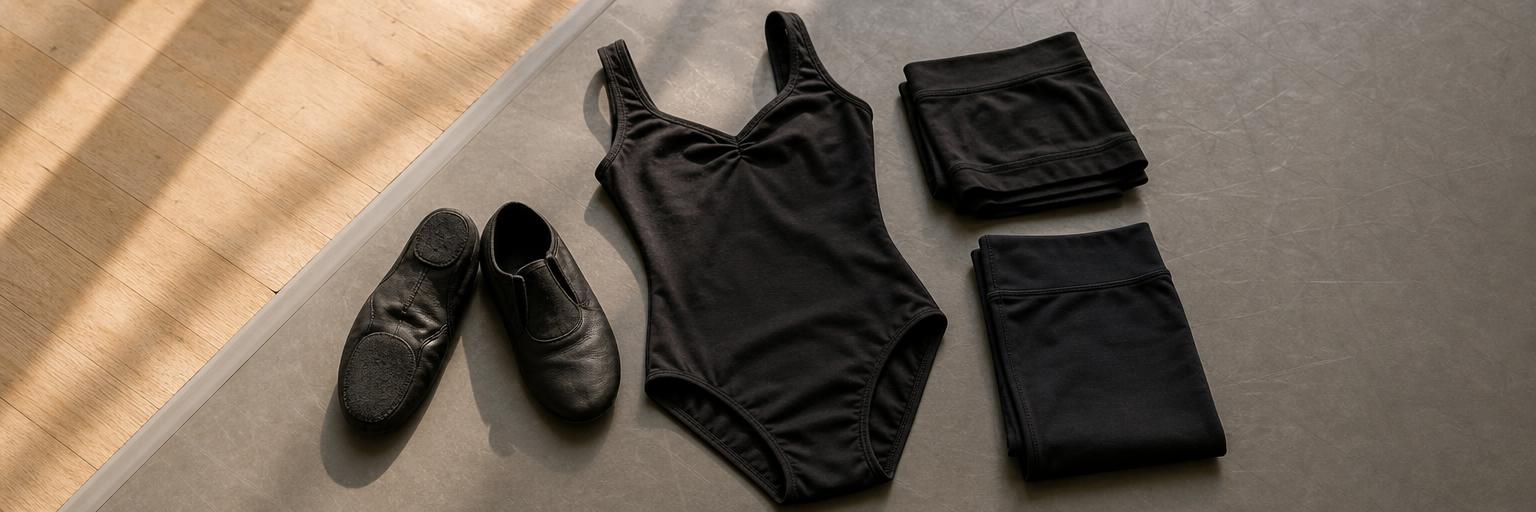
Quick read
Jazz class requires a jazz shoe: not a sneaker and not a ballet slipper. For beginners, buy a full-sole jazz shoe, not split-sole. Split-sole looks more advanced but gives a beginner less floor feedback and can encourage gripping habits. Class attire is similar to ballet: fitted clothing the teacher can see leg line and ankle position through. Confirm the dress code with the studio before buying anything.
Gear for this situation
What to do
- Confirm the required jazz shoe type with the studio before ordering. Most studios accept any beginner jazz shoe, but some specify split-sole or full-sole, a particular brand, or a specific color. Ask before buying: 'Does the jazz class have a shoe requirement, or is any jazz shoe fine for beginners?' One email saves a return.
- For beginners: buy a full-sole jazz shoe, not split-sole. Split-sole jazz shoes look more advanced and are what you see on stage and in most performance photos: they show off arch articulation. For a beginning student, full-sole gives better floor feedback, is easier to wear with correct technique, and doesn't require the dancer to have the foot strength to control a flexible split sole. Capezio Freeform and Bloch Boost Jazz are standard full-sole beginner options.
- Size jazz shoes from the brand's chart. Jazz shoes run roughly half a size smaller than street shoes for most brands. Capezio specifically adds 1.5 sizes to a women's street shoe size (relevant for older girls and adult students). The size chart is on the product page: use it every time, because sizing is not consistent across brands or models.
- For class attire: jazz class usually has similar attire requirements to ballet: fitted clothing the teacher can see leg line and ankle position through. Leotard and tights are always correct. Fitted tank top with jazz pants, fitted shorts, or capri-length pants are typically acceptable. Check the studio dress code for specifics. Avoid anything loose that bunches at the ankle or covers the feet: the teacher needs to see the feet.
- Jazz shoes are typically worn with footless tights or ankle socks, not bare feet. The suede sole needs a thin interface to develop correct friction with the floor. Footed tights are also fine. Confirm with your studio if you're unsure.
- Break in jazz shoes for 1-2 sessions before the first class. New leather jazz shoes are stiffer than sneakers. Ten to fifteen minutes of wearing them around the house before school for a few days makes a noticeable difference in how they feel on day one.
Common mistakes
- Don't buy split-sole for a first jazz class. Split-sole is the performance standard, which is exactly why parents buy it for beginners: it looks more like what dancers wear. For a beginner, the split in the sole means less floor feedback on each step and requires more foot strength to control. Full-sole first, split-sole when the teacher says.
- Don't substitute sneakers for jazz shoes. Even a clean indoor sneaker doesn't provide the suede sole friction, flexibility, and fit that jazz footwork requires. Some teachers will stop class to address it. Buy the right shoe.
- Don't size up for room to grow. Jazz shoes already run small: an additional half size of room on top of that creates a shoe that bunches at the ball of the foot and causes blisters. Use the brand's exact chart.
- Don't skip the dress code check. Jazz class attire varies more by studio than ballet does. A fitted tank and jazz pants that satisfy one studio's dress code may not meet another's. The studio website or enrollment packet has the answer. Thirty seconds of reading saves a purchase that has to be returned.