Quick answer
What shoes does my child need for hip-hop class
When the studio schedule says 'hip-hop' and you don't know if your child's Nikes are fine, what 'non-marking soles' means, or whether you need to buy something specific.
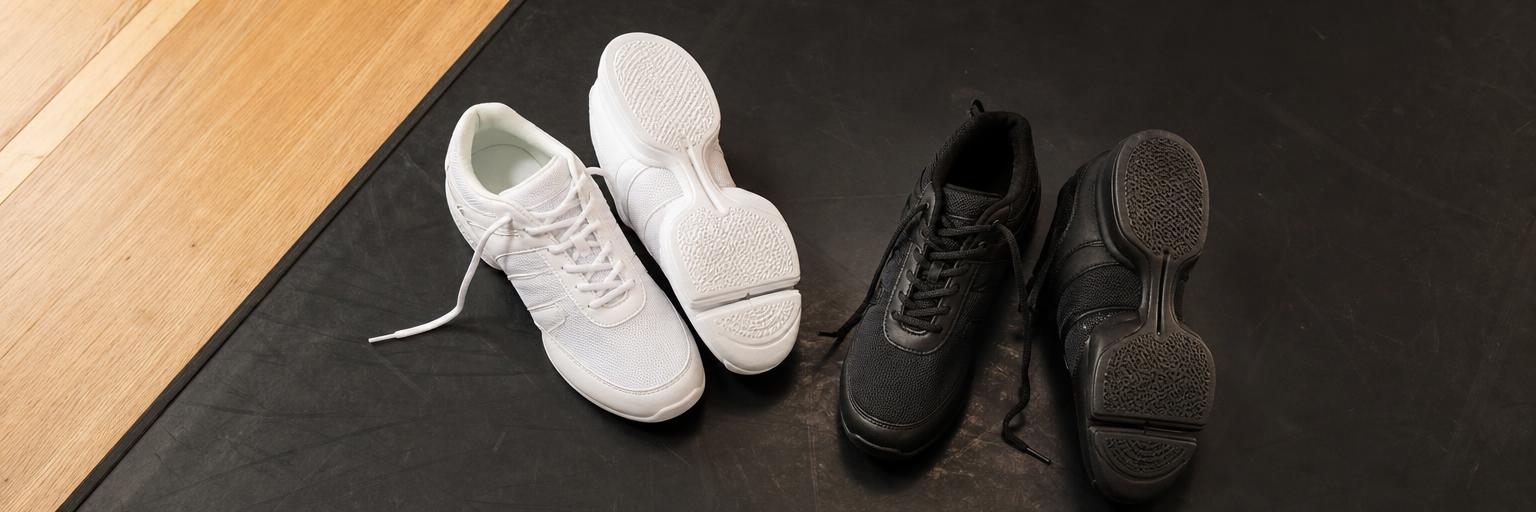
Quick read
Most hip-hop classes need a clean, non-marking sole sneaker. Everyday gym shoes often work if they haven't been worn outdoors. Ask the teacher first: some accept clean indoor sneakers, others want a dance sneaker with a suede or split sole. The one rule that's always true: no outdoor soles on the studio floor.
Gear for this situation
What to do
- Ask the teacher what the class requires before buying anything. Some hip-hop classes accept clean everyday sneakers that haven't been worn outdoors; others want a dedicated dance sneaker with a suede spot or split sole. The distinction matters: outdoor soles scuff studio floors, and some teachers will ask you to leave and come back with the right shoes. One text or email to the studio front desk answers this before you spend anything.
- Understand what 'non-marking sole' means. It means the rubber doesn't leave black scuff marks on wood or marley floors. Most indoor athletic shoes are non-marking; most shoes worn outside are not. If you're not sure whether a specific pair qualifies, check the manufacturer's product description or ask the teacher. When in doubt, buy a dedicated indoor-only pair.
- If the teacher approves everyday sneakers: designate a clean indoor-only pair and don't wear them outside. Street-worn shoes track in dirt and debris that damages studio floors. Keeping a separate pair is cheaper than replacing scuffed shoes or damaging the floor. Write your child's name inside both shoes.
- If the teacher wants dance sneakers: dance sneakers have suede spots or split soles designed for studio floors. They give grip for hip-hop footwork while still allowing the slides and pivots the style requires. The dance sneakers guide has current picks for both class use and social dance floors, with notes on sole type and sizing.
- Hip-hop and lyrical or contemporary are completely different shoe requirements. Hip-hop needs a sneaker with floor grip. Lyrical and contemporary often use bare feet, half-soles, or jazz shoes. If your child's schedule includes both styles, ask the teacher whether one shoe covers both or whether you need two separate pairs.
- Sizing dance sneakers: they run closer to street shoe size than ballet slippers do. Dance sneakers don't run dramatically small. Use the brand's size chart and confirm by width: a dance sneaker should feel like a fitted athletic shoe, snug but not tight, with no heel slip during direction changes.
Common mistakes
- Don't buy ballet slippers or tap shoes for hip-hop. They are completely different shoes for different styles. A ballet slipper on a hip-hop floor is too slippery and gives no ankle support. A tap shoe in a hip-hop class makes noise on every step and the teacher will hear it across the room.
- Don't use outdoor sneakers in the studio without the teacher's explicit approval. Street soles leave black scuff marks on studio floors. Most teachers enforce this strictly, and some studios charge families for floor damage.
- Don't assume 'dance sneakers' and 'regular sneakers' are the same thing. Dance sneakers have suede patches or split soles built for studio movement. A regular athletic trainer looks similar but doesn't perform the same way on marley or sprung wood floors.
- Don't buy competition-level dance sneakers for a first trial class. A $100+ dance sneaker is overkill until you know the dancer will continue in hip-hop. A clean indoor athletic shoe or an entry-level dance sneaker is the right first step.