Quick answer
Should my dancer wear tights or go bare-legged
When half the dancers at the last competition were bare-legged, the studio dress code does not mention tights for this number, and you cannot tell whether bare legs is the new norm or whether your dancer is better covered and more comfortable in tights.
Quick read
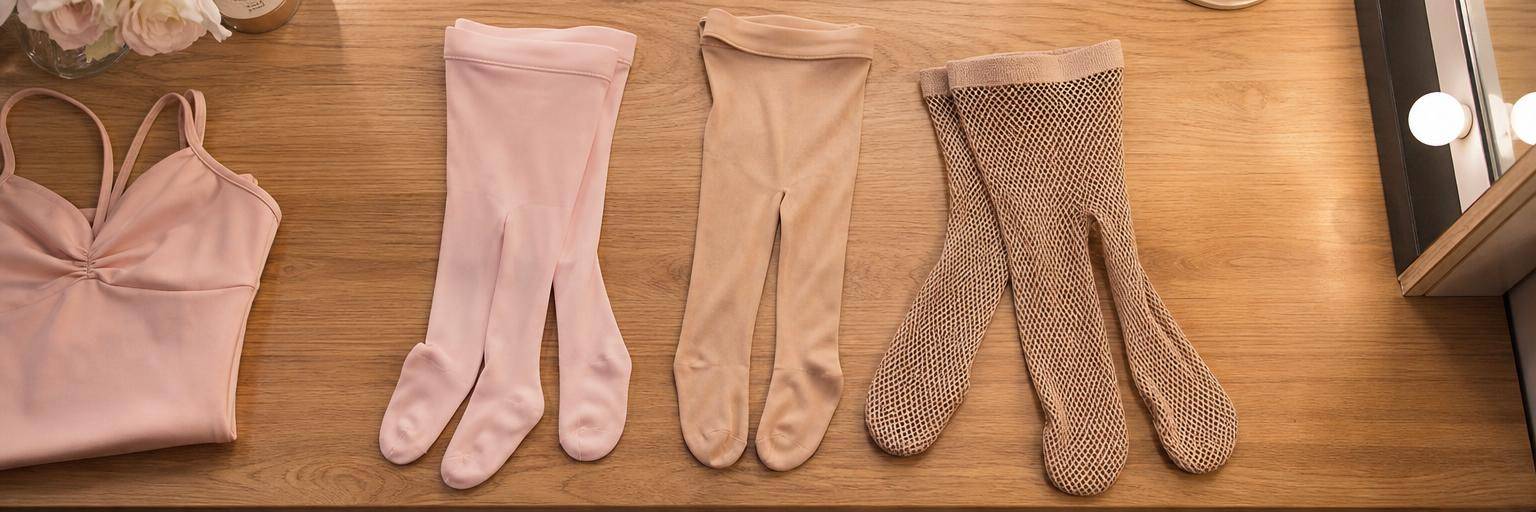
Tights are not only a color requirement, they are the coverage, protection, and line layer, and that is the part the bare-leg trend skips. Start with the studio dress code, because if it requires tights for the class or the routine, that settles it no matter what the trend looks like. If the call is left to you, decide on coverage, not fashion. Bare legs read as a long clean line on a competition or contemporary stage, which is exactly why you see them there, but they also expose more on a high-cut or trick-heavy costume and give no protection on floor work where bare skin drags and burns. Younger recreational dancers almost always still wear tights for warmth, coverage, and to hide the underwear line. If you want the middle ground, a nude or skin-tone tight reads close to bare from the audience while keeping the coverage, and a fishnet gives the bare-but-not-bare look competition routines often use.
Gear for this situation
What to do
- Read the studio dress code or the costume sheet first, because it usually settles the question. Plenty of studios require tights for class and name the exact tight (footed, convertible, or transition) and the color for each routine, and a required tight is not optional no matter how many bare legs you saw at the last competition. Only when the dress code is genuinely silent does the call become yours, and the rest of these steps are how to make it on purpose rather than by guess.
- Decide on coverage, not the trend, because bare legs are a stage look and not a default. They read as a long unbroken line under stage light, which is why you see them on competition and contemporary stages, but they also expose more on a high-cut leotard and give no protection on floor work, where bare skin drags and leaves friction burns. If the costume is brief-cut or the choreography lives on the floor, tights earn their place. The related question of what goes under a brief-cut costume is handled in what should my child wear under their dance costume.
- For a young recreational dancer, keep her in tights unless the studio says otherwise. Tights do three jobs at once for the under-10 set: warmth in a cold studio, coverage so a leotard ride-up is a non-event, and no visible underwear line. The bare-leg debate is mostly a competition-team and adult-dancer conversation, not a first-year recreational one, so do not let it talk you out of the layer a young dancer is genuinely more comfortable in.
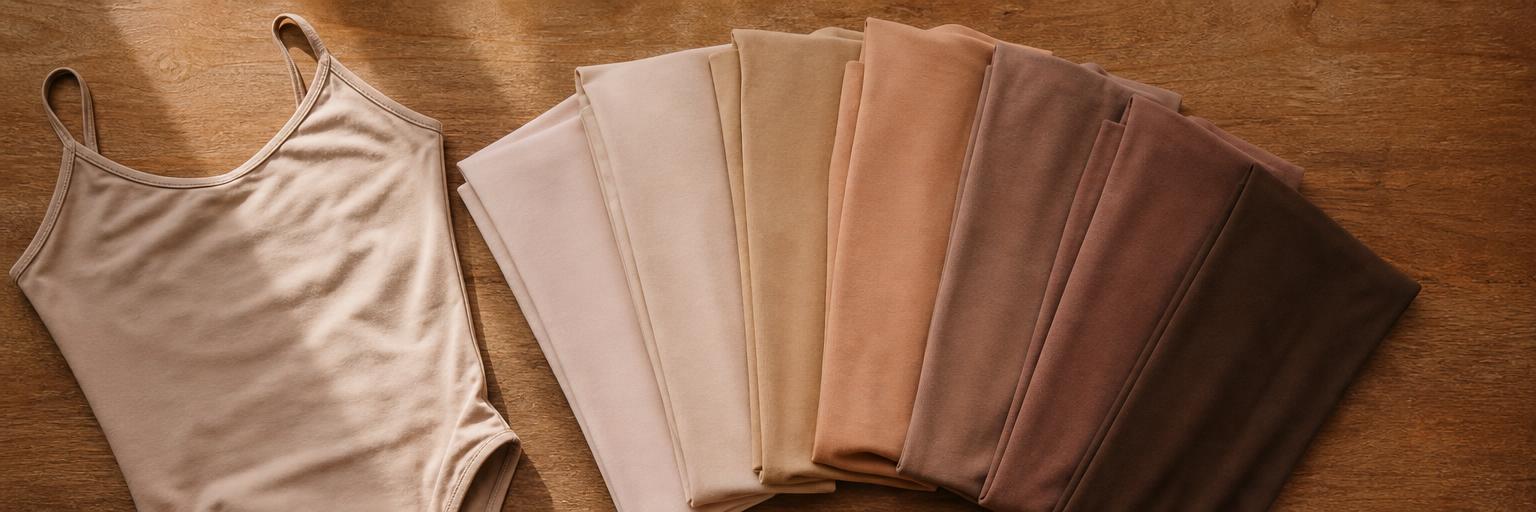
- If you want the bare look without the exposure, buy a nude or skin-tone tight matched to her actual skin the way you would match a costume, because from the audience it reads almost bare while keeping the coverage, and it photographs cleaner than truly bare legs under bright light. A fishnet is the other middle option competition routines use, the bare-but-not-bare texture that still gives a little coverage and a little grip on the floor.
- Once you have decided to wear them, match the type to the requirement and the shade to the costume: footed for a clean line, convertible so she can free the foot for a barefoot or half-sole number, transition for a fast costume change. The dance tights review covers the brand-by-brand opacity, durability, and shade range, and what tights match my skin tone handles getting the color right before you order.
Common mistakes
- Don't assume bare legs because you saw it on a competition stage. That bare look is a deliberate choice for line on a specific routine, usually paired with a nude leotard and lighting that flatters it, not a sign that class tights are over. Copying the stage look into a class or a recital that specified tights reads as out of uniform in the lineup.
- Don't skip the dress code over a fashion call. A studio that requires footed pink tights for ballet means it, and bare legs or the wrong shade stands out in the lineup. Confirm the requirement before you decide anything else.
- Don't send a young dancer bare-legged in a brief-cut costume to save the tights cost. Tights are usually the bottom-coverage layer too, so skipping them on a high-cut costume creates the exact modesty problem the costume's cut already flirts with.